
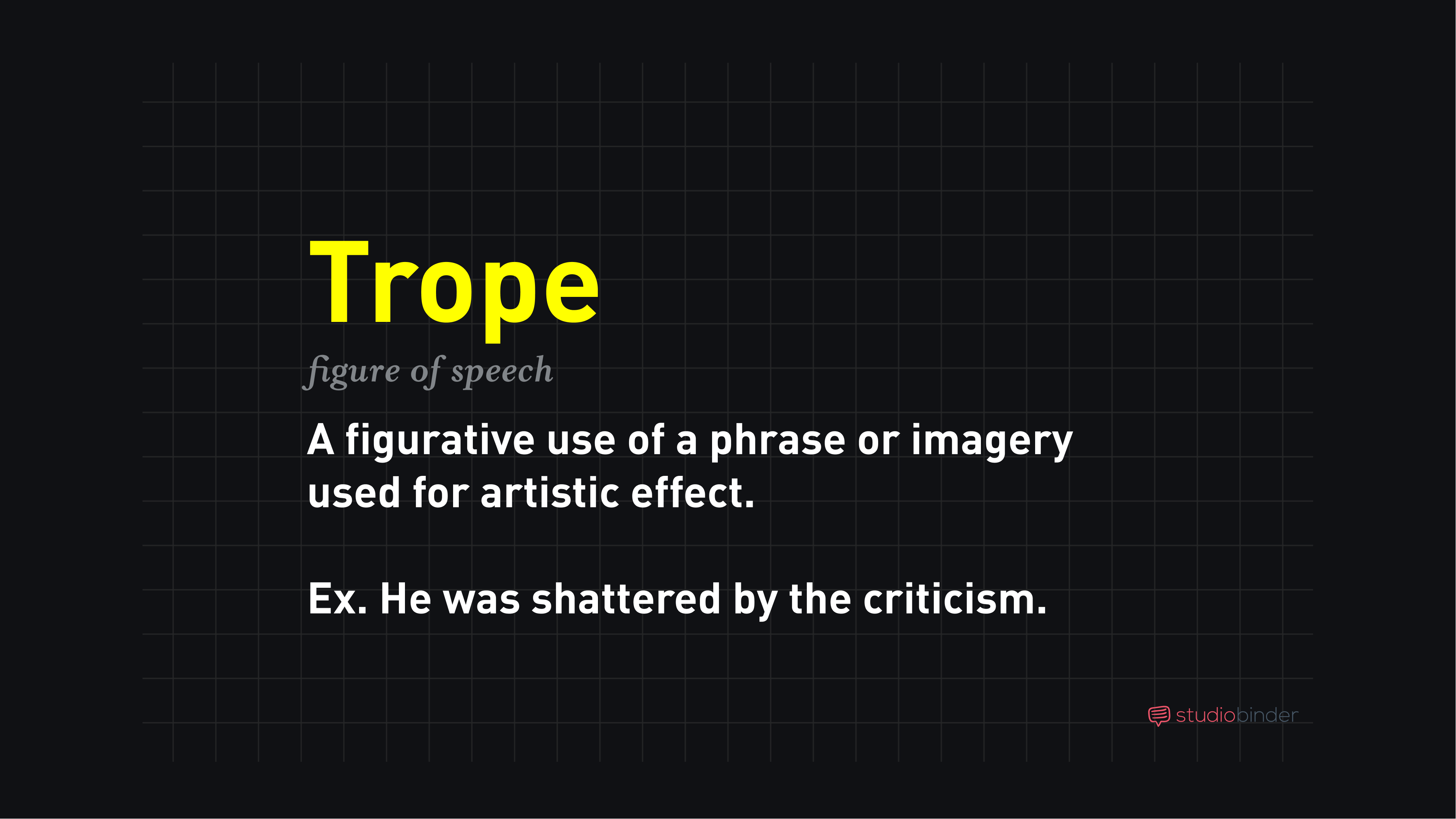
In the vast and dynamic landscape of communication, certain patterns, themes, and narrative devices emerge and recur with such frequency that they become instantly recognizable. These recurring elements, whether in literature, film, or art, are known as tropes. A trope is more than just a cliché; it’s a conventional and commonly understood way of conceiving or expressing something, a shortcut to meaning that can evoke powerful associations or, conversely, lead to predictable banality. While often associated with storytelling, the concept of a trope is profoundly relevant to the world of branding, marketing, and corporate identity.
Brands, at their core, are stories. They are narratives crafted to resonate with audiences, convey values, and establish emotional connections. Within these narratives, tropes are not merely incidental; they are fundamental building blocks, shaping how brands are perceived, understood, and remembered. Understanding what a trope is, how it manifests in branding, and its potential benefits and pitfalls is crucial for any brand builder aiming to forge a distinctive identity in a crowded marketplace. This article will delve into the anatomy of brand tropes, exploring their ubiquity, their double-edged nature, and strategies for leveraging or subverting them to create truly impactful and memorable brands. The ultimate goal is not to eradicate tropes, but to master them, transforming potential clichés into strategic tools for authentic connection.
The Ubiquity of Tropes in Branding and Marketing
From the aspirational narratives of luxury goods to the problem-solving pitches of tech startups, tropes are the invisible threads woven through the fabric of brand communication. They exist because humans are wired for pattern recognition and respond to familiar structures. Brands, aware of this inherent human psychology, often lean on these established narratives to build instant rapport and convey complex ideas efficiently.
Why Brands Lean on Familiar Narratives
The primary reason brands gravitate towards tropes is their effectiveness as cognitive shortcuts. In a world saturated with information and choices, consumers don’t have the time or mental bandwidth to decipher entirely novel brand messages constantly. Tropes provide a familiar framework, allowing audiences to quickly grasp a brand’s essence, its promises, and its place in their lives. For instance, the “disruptor” trope immediately positions a brand as innovative and challenging the status quo, appealing to those who seek progress and change. Similarly, the “authentic artisan” trope, prevalent in food, craft, and fashion industries, taps into a desire for heritage, quality, and human touch in an increasingly mechanized world. These narratives evoke established emotional connections and reduce the perceived risk for both marketers (who use a proven formula) and consumers (who understand the message).
Common Brand Archetypes as Tropes
A powerful subset of brand tropes stems from the concept of brand archetypes, most notably those popularized by Carl Jung. Archetypes like The Hero, The Sage, The Innocent, The Ruler, The Jester, and The Lover represent universal human motivations, fears, and desires. Brands often consciously, or unconsciously, adopt these archetypes to define their personality and articulate their mission. Nike, with its “Just Do It” ethos and focus on overcoming challenges, embodies The Hero. Google, dedicated to organizing the world’s information and making it universally accessible, aligns with The Sage. Coca-Cola, perpetually promoting happiness and shared moments, perfectly exemplifies The Innocent. These archetypes are essentially grand tropes, providing a deeply ingrained narrative structure that helps brands resonate on a profound, almost subconscious level. They offer a powerful, if often used, template for brand storytelling, shaping everything from visual identity to advertising campaigns.
Marketing and Advertising Clichés
Beyond narrative archetypes, marketing and advertising are rife with more superficial, yet equally pervasive, clichés that function as tropes. Visually, we see them in the “happy family” trope, often depicted enjoying a pristine product in a sun-drenched setting, or the “slow-motion product reveal” that imbues an item with an almost mystical allure. Verbally, phrases like “revolutionary,” “game-changing,” “next-level,” or “synergy” have become so ubiquitous they risk losing all meaning. The “problem-solution” narrative structure, where a customer faces a challenge that only the advertised product can resolve, is another foundational advertising trope. While these clichés can be effective in their simplicity, their overuse often leads to messages that blend into the background noise, failing to capture genuine attention or foster meaningful connection.
The Double-Edged Sword: Benefits and Dangers of Brand Tropes
The strategic deployment of tropes in branding is a delicate balancing act. While they offer undeniable advantages in creating instant recognition and fostering connection, their uncritical adoption can lead to blandness, predictability, and a severe erosion of authenticity.
Advantages: Building Instant Recognition and Connection
One of the most significant benefits of employing brand tropes is their ability to build instant recognition and foster a sense of familiarity. When a brand taps into a well-understood trope, it leverages pre-existing cultural knowledge and emotional associations. This familiarity breeds comfort and trust, making it easier for new brands to enter a market or for established brands to communicate quickly. Tropes act as efficient shortcuts, allowing brands to convey complex ideas or evoke specific emotions without extensive explanation. For instance, a brand using the “underdog” trope can immediately garner sympathy and admiration, tapping into a universal human experience of rooting for the less powerful. This efficiency can accelerate brand adoption, especially in rapidly evolving industries or for products with a steep learning curve, as the familiar narrative provides a reassuring anchor.
Disadvantages: Blandness, Predictability, and Lost Authenticity
The reverse side of the trope coin is its potential to stifle creativity and differentiation, leading to blandness and predictability. When every brand in a category leans on the same set of tropes, they become indistinguishable, dissolving into a generic soup of similar messaging and aesthetics. This erosion of differentiation makes it incredibly difficult for a brand to stand out, capture market share, or build a unique emotional connection with its audience. Modern consumers, increasingly sophisticated and discerning, are quick to spot insincerity or a lack of originality. Brands that merely recycle tired tropes without a fresh perspective risk being perceived as unauthentic, leading to a loss of trust and engagement. The “brandwashing” phenomenon, where brands superficially adopt values like sustainability or diversity without genuine commitment, is a prime example of tropes losing their power due to widespread, uncritical adoption. A brand that fails to evolve beyond predictable narratives risks becoming forgettable and irrelevant.
When Tropes Become Stereotypes
A particularly dangerous pitfall of unexamined tropes is their potential to morph into harmful stereotypes. Tropes are, by nature, simplifications, and when these simplifications are applied to people, cultures, or identities, they can perpetuate harmful generalizations. For example, the “tech bro” trope, while often played for laughs, can reinforce exclusionary ideas about who belongs in the tech industry. Advertising historically has been rife with gender, racial, and cultural stereotypes, all rooted in problematic tropes that simplify complex identities into one-dimensional caricatures. Brands have a social responsibility to be mindful of the narratives they propagate. Reinforcing stereotypes not only alienates specific demographics but also damages a brand’s reputation and diminishes its capacity for genuine, inclusive connection. The importance of self-awareness, cultural sensitivity, and continuous critical evaluation of brand messaging has never been higher.

Navigating the Trope Landscape: Strategies for Brand Builders
Given the pervasive nature and dual potential of tropes, brand builders must develop sophisticated strategies to navigate this landscape. The goal is not to eliminate tropes entirely but to understand them deeply, enabling conscious application, clever subversion, or deliberate avoidance.
Identify and Deconstruct Existing Tropes
The first step in mastering brand tropes is to become acutely aware of their presence. This involves a rigorous auditing process:
- Competitor Analysis: What narratives, visuals, and messaging patterns do competitors use? Are there dominant tropes within your industry? For example, in the banking sector, the “trust and security” trope is pervasive, often depicted with serious-looking professionals and vault imagery.
- Industry Conventions: Beyond direct competitors, what are the overarching conventions and clichés that define your broader industry or market?
- Audience Insights: How do your target audiences perceive these tropes? Do they find them reassuring or tiresome?
- Deconstruct the Psychology: Understand why certain tropes resonate. What universal human desires or fears do they tap into? By dissecting these elements, brands can identify opportunities to either align with or strategically diverge from the established patterns.
Subverting and Reinventing Tropes
True branding brilliance often lies not in inventing entirely new narratives from scratch, but in taking a familiar trope and giving it an unexpected twist. This subversion plays with audience expectations, creating memorable moments of surprise and delight.
- Unexpected Angles: Old Spice famously subverted the hyper-masculine advertising trope with its “The Man Your Man Could Smell Like” campaign, using absurd humor and surrealism to parody traditional deodorant ads while still conveying efficacy.
- Irony and Humor: Brands can use irony or self-aware humor to comment on the trope itself, signaling to savvy consumers that they are in on the joke.
- Reframing: Dove’s “Real Beauty” campaign masterfully subverted conventional beauty tropes by challenging unrealistic standards and celebrating diversity, tapping into a genuine desire for authenticity that resonated globally. This approach allows brands to leverage the familiarity of a trope while simultaneously offering a fresh, differentiated perspective.
Crafting Authenticity Beyond the Cliché
While subversion is powerful, sometimes the most effective strategy is to bypass generic tropes altogether and focus on genuine authenticity. This involves a deep dive into the brand’s core values, purpose, and unique story.
- Genuine Purpose: What is the brand’s true reason for being, beyond profit? Articulating this purpose authentically can create a narrative far more compelling than any recycled trope.
- Unique Storytelling: Every brand has a unique origin, a distinct journey, and specific people behind it. Sharing these genuine stories, even if they’re not grand narratives, can forge powerful emotional connections. This includes embracing imperfections and vulnerability.
- Community Building: Fostering genuine interactions and co-creation with customers through user-generated content and active community engagement can build a narrative that is inherently authentic because it is shared and lived. Prioritizing originality and creativity ensures that the brand stands out, rather than blending in.
Strategic Application: Knowing When to Embrace and When to Avoid
The ultimate mastery of tropes lies in the strategic discernment of when to lean into them and when to steer clear.
- Embrace for Clarity: In complex or nascent industries, using a familiar trope can provide much-needed clarity and reassurance. For instance, a new fintech company might initially leverage “security” tropes to build trust before innovating on its unique value proposition.
- Avoid for Differentiation: When the goal is to differentiate, disrupt, or target a highly discerning niche, avoiding generic tropes is paramount. Here, originality and a unique voice are key.
- Context is King: The choice often depends on the industry, the target audience, the brand’s stage of development, and its overarching strategic objectives. A startup might use tropes to gain initial traction, while an established brand might subvert them to refresh its image.
The Future of Branding: Evolving Beyond the Obvious
As consumer expectations evolve and technology advances, the landscape for brand tropes is continuously shifting. The future of branding will increasingly demand a move beyond obvious, mass-market tropes towards more nuanced, authentic, and personalized forms of communication.
AI and Data-Driven Insights
The rise of artificial intelligence and advanced data analytics offers powerful tools for understanding and navigating tropes. AI can analyze vast amounts of marketing data to identify emerging patterns, predict which narratives resonate with specific demographics, and even highlight potential clichés before they become overused. This allows brands to be more proactive, either in subtly evolving existing tropes or in developing entirely novel messaging tailored to individual preferences. Personalization, driven by AI, is a potent antidote to mass-market tropes, enabling brands to speak directly to the individual, making broad generalizations less effective and less necessary.
The Demand for Nuance and Authenticity
Modern consumers are more sophisticated, media-literate, and discerning than ever before. They are increasingly skeptical of overt advertising and generic brand messaging, demanding genuine connection, transparency, and purpose. This heightened demand for nuance means that broad, simplistic tropes are losing their power. Consumers seek brands that reflect their complex identities and values, driving the growth of niche markets and hyper-segmented audiences. Brands are no longer just sellers of products; they are expected to be cultural commentators, ethical actors, and genuine partners in their customers’ lives. This requires moving beyond superficial storytelling to a deeper engagement with meaningful issues, making the uncritical use of tropes increasingly risky.

Storydoing vs. Storytelling
Perhaps the most significant evolution in branding is the shift from mere “storytelling” to “storydoing.” While storytelling often relies on narrative tropes, “storydoing” emphasizes tangible actions that demonstrate a brand’s values and purpose. It’s about living the brand’s narrative, not just telling it. This includes:
- Experiential Marketing: Creating immersive experiences that allow consumers to feel the brand’s values.
- Sustainable Practices: Implementing genuine ethical and environmental initiatives, rather than just talking about them.
- Social Impact: Engaging in meaningful social causes that align with the brand’s mission, showcasing commitment rather than just making statements.
This approach moves beyond relying on narrative tropes to create an authentic brand identity that is rooted in verifiable actions, fostering deeper trust and loyalty.
In conclusion, a trope is a powerful and inescapable element in the universe of branding. It serves as a shortcut, a familiar guide, and a cultural touchstone. While tropes can be invaluable for establishing quick understanding and emotional resonance, their uncritical application can lead to genericism, inauthenticity, and even harm. The art of effective branding lies not in the futile attempt to eliminate tropes, but in the intelligent recognition, strategic deployment, and creative subversion of them. By understanding what a trope is and how it functions, brand builders can craft narratives that are not only recognizable but also remarkable, creating brands that genuinely connect, inspire, and endure.
aViewFromTheCave is a participant in the Amazon Services LLC Associates Program, an affiliate advertising program designed to provide a means for sites to earn advertising fees by advertising and linking to Amazon.com. Amazon, the Amazon logo, AmazonSupply, and the AmazonSupply logo are trademarks of Amazon.com, Inc. or its affiliates. As an Amazon Associate we earn affiliate commissions from qualifying purchases.