
In the ever-evolving landscape of modern communication, seemingly innocuous phrases can carry profound weight, especially when wielded by brands. Among these, the casual greeting “what’s up” stands out as a pervasive, almost ubiquitous, verbal and textual interjection. For individuals, its meaning is often straightforward: a friendly, informal inquiry about one’s current state or recent activities. But when a brand, be it a burgeoning startup or a multinational corporation, adopts such a phrase, its implications multiply, touching upon brand identity, audience perception, and the very essence of its conversational strategy. Understanding “what’s up” in a branding context isn’t merely about deciphering slang; it’s about dissecting the nuances of informal language, assessing its strategic value, and ensuring alignment with a carefully cultivated brand voice.

This article delves into the multi-faceted meaning of “what’s up” through the lens of brand strategy, exploring how such everyday language can shape a brand’s persona, foster connections, or, if misapplied, create dissonance. We will unpack its cultural journey, analyze its impact on perception, and provide insights into strategically integrating (or consciously avoiding) such informalities to build a resonant and authentic brand voice.
The Ubiquitous Greeting: Deconstructing “What’s Up” for Brands
The phrase “what’s up” has transcended its origins to become a staple in informal communication across diverse demographics. For brands, recognizing its journey and inherent casualness is the first step toward understanding its potential impact.
Origins and Evolution of a Casual Query
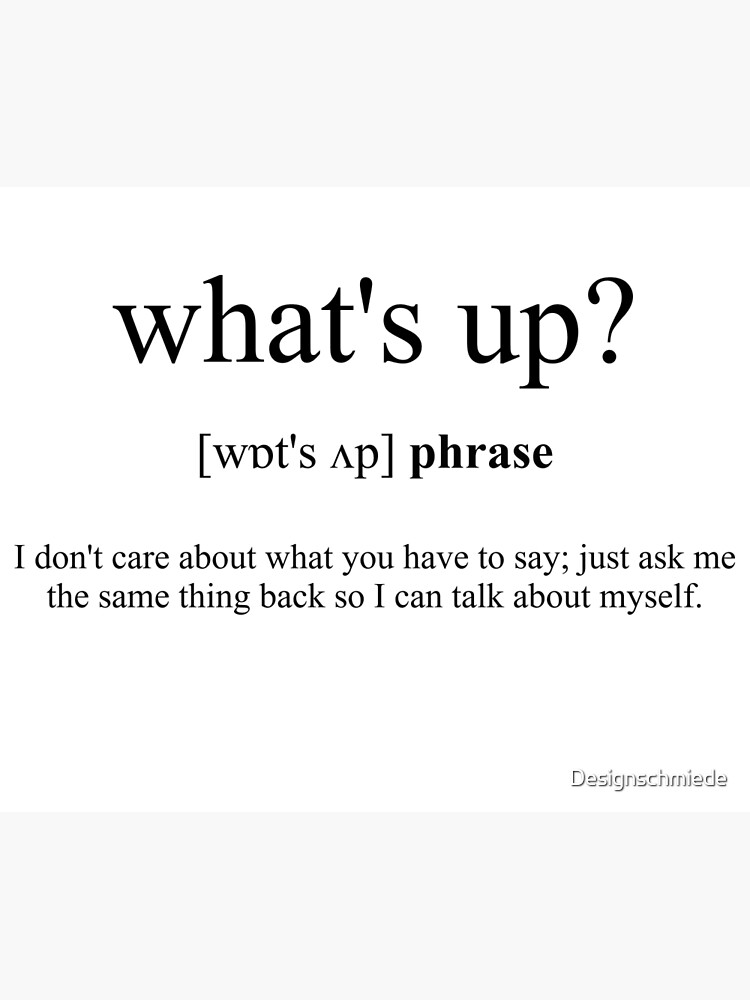
“What’s up” is widely understood as an American English colloquialism, a shortened and more casual version of “What is happening?” or “What’s new?”. Its roots can be traced back to the mid-20th century, emerging from African American Vernacular English and popular culture, particularly through cartoons and youth subcultures. It gained significant traction through its inclusion in popular media, becoming a commonplace, relaxed alternative to more formal greetings like “Hello” or “How are you?”. Unlike its formal counterparts, “what’s up” often doesn’t genuinely solicit a detailed response; it functions more as an acknowledgment, an opening gambit designed to initiate a conversation with an air of relaxed familiarity.
From Street Slang to Digital Mainstay
The advent of digital communication platforms — SMS, instant messaging, social media — further cemented “what’s up” in the daily lexicon. Its brevity and informal nature made it perfectly suited for quick, text-based exchanges. It became a digital handshake, a low-commitment way to check in or start a dialogue. This digital ubiquity means that today’s consumers, regardless of age, are exposed to and comfortable with the phrase, making it a powerful, albeit tricky, tool for brands to consider. Its transformation from niche slang to widespread digital currency highlights its adaptability and the inherent human desire for quick, unpretentious connection.
Why Brands Must Understand Everyday Language
For a brand, understanding phrases like “what’s up” goes beyond linguistic curiosity. It’s about empathy, cultural relevance, and strategic positioning. Language is the primary vehicle through which a brand communicates its values, personality, and offerings. Ignoring or misinterpreting common colloquialisms means missing an opportunity to connect with audiences on their terms, or worse, creating a communication barrier. A brand that effectively navigates everyday language signals cultural awareness, approachability, and an understanding of its audience’s lived experience, all critical components of a strong brand identity.
Brand Perception and the Power of the Casual Interjection
The decision for a brand to use “what’s up” is rarely neutral. It instantly telegraphs certain attributes and can significantly alter how an audience perceives the brand’s personality, professionalism, and proximity.
The Double-Edged Sword of Familiarity
Using “what’s up” can immediately establish a sense of familiarity and approachability. For brands aiming to be seen as friendly, youthful, and down-to-earth, this can be incredibly effective. It breaks down traditional corporate barriers, making the brand feel more like a peer than an institution. This can foster a stronger emotional connection and loyalty, as consumers tend to gravitate towards brands that feel relatable.
However, familiarity is a double-edged sword. For brands that prioritize gravitas, authority, or luxury, an overly casual greeting can undermine their carefully constructed image. It might be perceived as unprofessional, flippant, or even disrespectful. Consumers might question the brand’s credibility or the quality of its offerings if its communication style doesn’t align with their expectations for that specific industry or product category. The challenge lies in knowing where your brand stands on the spectrum of formality and ensuring that your communication strategy reinforces, rather than contradicts, that position.
Aligning “What’s Up” with Brand Archetypes
Brand archetypes, such as The Innocent, The Sage, The Hero, or The Jester, provide a framework for understanding a brand’s core personality. “What’s up” typically aligns best with archetypes that embody traits like youthfulness, rebellion, empathy, or lightheartedness. A brand that embodies The Jester (e.g., Wendy’s on Twitter) might leverage “what’s up” to reinforce its witty, unconventional, and engaging persona. Similarly, a brand aligned with The Everyman (e.g., a community-focused bank or a casual apparel brand) could use it to signal approachability and inclusivity.
Conversely, a brand striving for The Sage (e.g., an academic institution, a financial advisor) or The Ruler (e.g., a luxury car brand, a high-end fashion house) would likely find “what’s up” jarring and incongruent with their desired image of wisdom, authority, or sophistication. Mismatching the communication style with the brand’s core archetype leads to an inauthentic brand experience, confusing consumers and diluting brand equity.
Risk vs. Reward: When Informality Backfires
The reward of using “what’s up” strategically is a deeper, more relatable connection with a specific audience segment. The risk, however, is alienating others or diluting the brand’s perceived value. Informality can backfire when:
- It feels forced or inauthentic: If the rest of the brand’s communication is formal, suddenly dropping a “what’s up” will appear disingenuous.
- The target audience expects formality: Industries like finance, law, or healthcare often require a more serious tone due to the sensitive nature of their services.
- It clashes with the brand’s core message: If a brand is promoting a serious cause or a complex solution, overly casual language can trivialise its message.
- It’s overused: What starts as charming can quickly become irritating if every interaction begins with the same informal greeting.
Therefore, the decision to incorporate “what’s up” or similar casual greetings must be a calculated one, weighed against the brand’s overarching strategy and the specific context of its communication.
Strategic Integration: Weaving “What’s Up” into Your Brand Voice
For brands that identify an alignment, the strategic integration of informal language like “what’s up” requires careful consideration of audience, context, and consistency. It’s not just about using the words, but understanding how and when to use them effectively.
Audience Demographics and Generational Resonance
The primary determinant for employing informal greetings is the target audience. While “what’s up” has broad recognition, its emotional resonance can vary. Younger demographics (Gen Z, Millennials) are generally more receptive to informal, conversational brand voices, as they grew up in an era dominated by casual digital interactions. For them, it can signal that a brand is current, understanding, and speaks their language.
Older demographics (Gen X, Baby Boomers), while familiar with the phrase, might perceive it differently. For some, it might still carry connotations of youth culture or a lack of seriousness. Brands targeting a diverse age range must consider how a greeting like “what’s up” might be interpreted across these segments and potentially tailor their communication channels accordingly. A social media post might use it, while an email newsletter or a customer service interaction might adopt a slightly more formal tone.
Contextual Relevance: Channels, Platforms, and Campaigns
The channel of communication plays a crucial role. “What’s up” is most at home on platforms where informal interactions are the norm:
- Social Media: Twitter, Instagram, TikTok, and even Facebook are ripe for casual greetings, especially in direct messages, replies, or even campaign slogans designed to catch attention.
- Chatbots/AI Assistants: When designed to have a friendly, approachable persona, chatbots can effectively use “what’s up” to initiate interactions, making the automation feel more human.
- Casual Email Marketing: For certain brands with a very relaxed identity, a “what’s up” could open an email, but this is generally reserved for highly targeted, engaged audiences and specific campaign types (e.g., a quick update, a flash sale).
- Brand Voice in Copy: Ad copy, website headlines, or even product descriptions for lifestyle brands might subtly integrate the spirit of “what’s up” to convey a casual, inviting tone.
Conversely, formal channels like official press releases, corporate partnership communications, legal disclaimers, or sensitive customer support exchanges are typically inappropriate venues for such colloquialisms. Brands must develop a comprehensive voice and tone guide that dictates the level of formality for each communication channel and scenario.
Building Authenticity Through Intentional Casualness
The key to successfully integrating “what’s up” is authenticity. It shouldn’t feel like a brand is trying too hard to be cool or relatable. Instead, it should be a natural extension of an already established brand personality. This means:
- Consistency: If “what’s up” is part of your brand voice, it should appear consistently across appropriate touchpoints, not just as a one-off experiment.
- Balance: Casualness can be balanced with clarity and value. The goal isn’t just to be informal, but to use informality to enhance communication and connection.
- Strategic Purpose: Every instance of informal language should serve a purpose – to engage, to disarm, to build rapport, or to reinforce a specific brand attribute. It shouldn’t be used just for the sake of it.
Brands that master intentional casualness leverage phrases like “what’s up” to humanize their interactions, making their audience feel seen, understood, and part of a community rather than just a consumer base.
Beyond the Phrase: “What’s Up” as a Metric for Brand Responsiveness and Connection
The literal meaning of “what’s up” is a direct query about current status or well-being. This underlying spirit of checking in, being present, and fostering a dialogue holds significant lessons for brand strategy, extending beyond just the use of the phrase itself.
Fostering Two-Way Communication and Engagement
At its core, “what’s up” is an invitation to converse. For brands, this translates into actively cultivating two-way communication channels. It’s not enough to broadcast messages; brands must create spaces for feedback, questions, and interactions. This means:
- Active Social Listening: Monitoring social media for mentions, questions, and sentiment, truly understanding “what’s up” with your audience.
- Responsive Customer Service: Providing accessible and efficient ways for customers to get help, whether through live chat, email, or phone. A brand that is truly asking “what’s up” is prepared to listen and respond.
- Community Building: Creating forums, groups, or interactive content that encourages dialogue among users and between users and the brand.
A brand that embodies the spirit of “what’s up” is one that values its audience’s input and actively seeks to understand their needs and experiences.
Proactive Engagement: Addressing “What’s Up” Before It’s Asked
The most insightful brands anticipate “what’s up” before their audience even voices it. This proactive approach involves:
- Anticipating Needs: Understanding common pain points, questions, or trends relevant to their products/services and addressing them through content (FAQs, blog posts, tutorials).
- Transparent Communication: Being upfront about issues, updates, or changes, rather than waiting for customers to discover them and ask “what’s up?”.
- Value-Driven Content: Providing information, entertainment, or solutions that resonate with the audience’s current interests and challenges, showing that the brand understands their world.
By proactively engaging, brands demonstrate a deep understanding of their audience and a commitment to providing value, thereby reinforcing trust and loyalty.

Measuring the Pulse: Feedback and Brand Sentiment
In essence, “what’s up” is a pulse check. For brands, this translates into diligently measuring brand sentiment and gathering feedback to continuously understand where they stand with their audience.
- Sentiment Analysis: Using tools to track public perception of the brand across social media, reviews, and news.
- Surveys and Polls: Directly asking customers “what’s up” with their experience, satisfaction, and preferences.
- Customer Reviews and Testimonials: Actively encouraging and responding to feedback, turning every review into an opportunity to learn and improve.
By consistently asking and truly listening to “what’s up” from their audience, brands can adapt their strategies, refine their offerings, and strengthen their connection, ensuring their identity remains relevant and resonant in a dynamic market. The meaning of “what’s up” for a brand ultimately boils down to its ability to communicate authentically, connect meaningfully, and remain responsive to the ever-changing pulse of its community.
aViewFromTheCave is a participant in the Amazon Services LLC Associates Program, an affiliate advertising program designed to provide a means for sites to earn advertising fees by advertising and linking to Amazon.com. Amazon, the Amazon logo, AmazonSupply, and the AmazonSupply logo are trademarks of Amazon.com, Inc. or its affiliates. As an Amazon Associate we earn affiliate commissions from qualifying purchases.