
Navigating the landscape of elder care can be one of life’s most emotionally challenging and financially complex undertakings. For many families, the critical distinction between assisted living facilities and nursing homes extends far beyond the type of care provided; it directly impacts financial planning, asset management, and the long-term economic stability of individuals and their loved ones. Understanding these differences from a purely financial lens is paramount for making informed decisions that align with both care needs and economic realities.
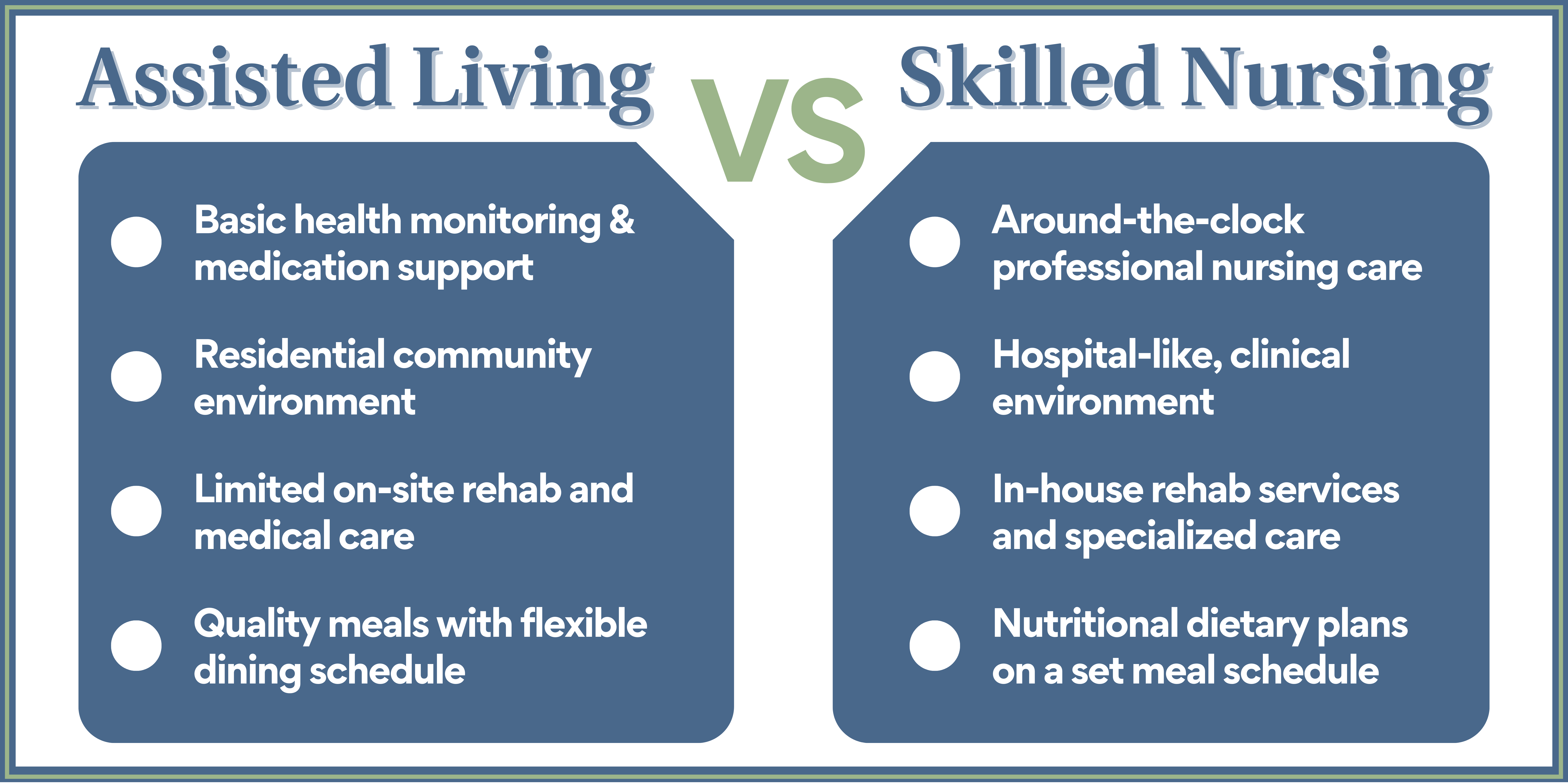
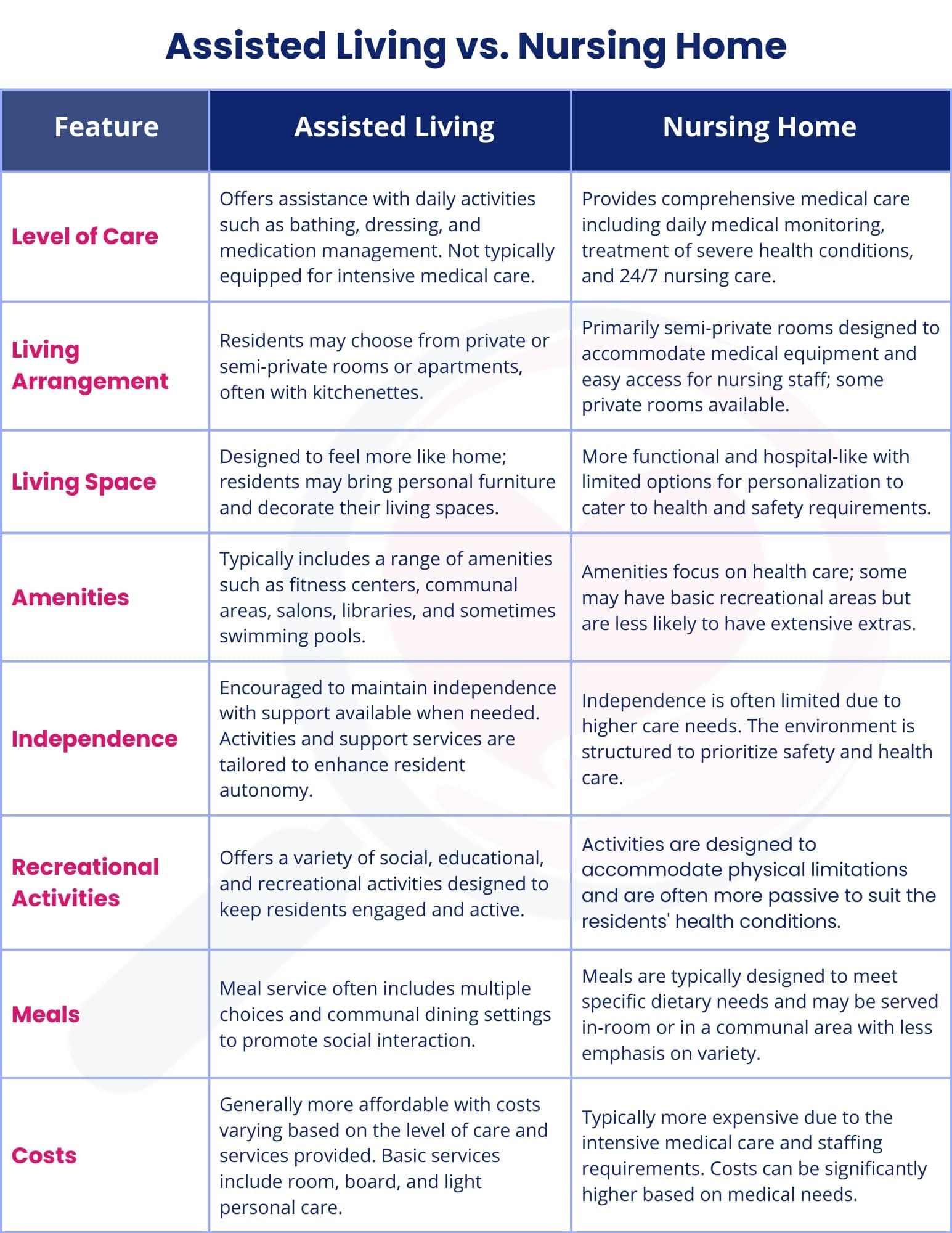
At its core, the choice between assisted living and a nursing home is a question of independence versus intensive medical care, each carrying a vastly different financial footprint. Assisted living is generally designed for individuals who require some assistance with Activities of Daily Living (ADLs) such as bathing, dressing, medication management, and meal preparation, but can otherwise live relatively independently. Nursing homes, conversely, cater to those needing 24-hour skilled nursing care, medical supervision, and assistance with multiple ADLs, often due to chronic illness, severe mobility issues, or cognitive decline that necessitates constant oversight. This fundamental divergence in service level is the primary driver of their contrasting cost structures.

Deconstructing the Costs: What You Actually Pay For
The sticker price for elder care facilities can be staggering, but it’s crucial to understand what those figures encompass. Both assisted living and nursing homes operate on various payment models, but the services included, and thus the costs, diverge significantly. Peeling back the layers reveals a complex interplay of fixed rates, tiered services, and potential hidden fees that demand meticulous scrutiny.
Room and Board: Varying Degrees of Luxury and Necessity
For both types of facilities, a significant portion of the cost is attributed to room and board. However, the nature and pricing of these accommodations vary greatly.
-
Assisted Living: Independence with a Price Tag: Assisted living facilities typically offer a range of housing options, from private studios and one-bedroom apartments to shared rooms. The cost often reflects the size, amenities, and geographical location of the unit, similar to renting an apartment. Prices can range widely, from approximately $3,500 to $7,500 per month, with some luxury facilities exceeding $10,000. This base rate usually includes meals, housekeeping, laundry services, and access to common areas and social activities. Crucially, the cost for room and board in assisted living is often an all-inclusive or tiered package, where a higher level of care needed (e.g., more assistance with ADLs) might move you to a higher pricing tier, but the room itself is generally a set rate. These facilities aim to provide a comfortable, home-like environment, and their pricing structure reflects this focus on lifestyle and personal space.
-
Nursing Homes: Medical Care and its Hefty Bill: Nursing homes, also known as skilled nursing facilities, primarily focus on medical care rather than residential independence. While they also offer private or semi-private rooms, the emphasis is on accessibility for care provision. The cost of a nursing home is significantly higher, often ranging from $7,000 to $12,000 per month, and can easily exceed $15,000 in certain regions or for specialized care units (e.g., memory care within a nursing home setting). This higher price tag isn’t just for the room; it’s intricately bundled with 24/7 medical supervision, round-the-clock personal care, and access to a robust medical staff. The room itself is more utilitarian, designed for efficiency in providing care, and its cost is deeply intertwined with the intensive medical and personal care services provided.
Healthcare Services: From Basic Assistance to Skilled Nursing
The core financial differentiator lies in the level and type of healthcare services included in the cost. This is where the assisted living vs. nursing home debate most starkly impacts the wallet.
-
Assisted Living: Assistance, Not Intensive Medical Care: Assisted living facilities are not medical institutions. Their services are designed to assist residents with non-medical daily tasks. This includes medication reminders (but typically not administration of injections or complex medical procedures), help with bathing, dressing, grooming, and mobility. While they may have a nurse on staff or on-call, their primary role is oversight and basic health monitoring. Additional services, such as physical therapy, occupational therapy, or extensive nursing care, are typically not included in the base rate and would incur extra charges, often requiring external providers. The financial model assumes residents have relatively stable health needs that don’t require continuous medical intervention.
-
Nursing Homes: Comprehensive Medical and Rehabilitative Care: Nursing homes are essentially hospitals designed for long-term residency. Their costs directly reflect the high level of medical care provided. This includes 24-hour skilled nursing care (e.g., wound care, IVs, injections), rehabilitation services (physical, occupational, speech therapy), physician visits, and comprehensive management of chronic conditions. The cost encompasses a team of licensed nurses, certified nursing assistants, therapists, and medical directors. For individuals recovering from surgery, stroke, or managing advanced diseases like Parkinson’s or Alzheimer’s (requiring a high level of medical and safety supervision), the nursing home provides a medically intensive environment, and its pricing reflects the specialized staff, equipment, and regulatory compliance associated with such care.
Ancillary Services and Hidden Fees: The Fine Print of Elder Care
Beyond the obvious, both types of facilities can have a labyrinth of additional costs that can significantly inflate the monthly bill. Diligent financial scrutiny is essential.
-
Assisted Living: While many services are bundled, extras can include personal care beyond a certain daily limit, special dietary needs, transportation services, salon services, and specific social outings. Some facilities might charge admission fees, security deposits, or community fees that are non-refundable. Levels of care are also crucial; as a resident’s needs increase, they might move to a higher “level of care” tier, which comes with a higher monthly fee. This can be a gradual increase in costs that families must anticipate.
-
Nursing Homes: Given their medical nature, additional charges can stem from specialized medical equipment, certain prescription medications not covered by insurance, complex therapies beyond the standard package, or specific doctor consultations. While more services are generally bundled due to the comprehensive nature of care, understanding what is not included is vital. Admission fees and deposits are also common.
Funding Long-Term Care: A Multi-faceted Financial Challenge
The sheer expense of long-term care necessitates a robust financial strategy. Rarely can families rely on a single source of funding; instead, a combination of personal assets, insurance, and government programs typically forms the financial safety net. Understanding the nuances of each funding mechanism is crucial for mitigating financial strain.
Private Pay and Personal Savings: The Initial Outlay
For most families, private pay—using personal savings, pensions, retirement accounts, and income—is the initial and often primary method of funding long-term care, especially for assisted living.
- Assisted Living: Since assisted living is generally not considered “medical care” by many insurance providers, private pay is the predominant method. This often means liquidating assets, drawing down retirement savings, or selling real estate. Families need to assess their financial runway: how long can personal assets sustain the monthly costs before depletion? This is where early financial planning becomes critical, projecting potential costs against available resources. The financial implications of this approach can be significant, potentially impacting inheritances or the financial security of the surviving spouse.
- Nursing Homes: While private pay also covers nursing home costs, the higher price point means assets can be depleted much faster. For many, private pay is a transitional phase until other funding mechanisms, like Medicaid, can kick in. The pressure to spend down assets to qualify for assistance is a common, albeit difficult, financial reality for families facing nursing home expenses.
Long-Term Care Insurance: A Proactive Investment
Long-term care (LTC) insurance is specifically designed to cover the costs associated with extended care services, including both assisted living and nursing home care. This financial product offers a proactive solution to a potentially devastating financial burden.
- Policy Structure and Benefits: LTC insurance policies typically pay a daily or monthly benefit for covered services once certain triggers are met (e.g., inability to perform a specified number of ADLs). The benefits can apply to care received in assisted living facilities, nursing homes, or even home care. The cost of premiums varies based on age, health, and the desired benefit amount and duration.
- Financial Foresight: Investing in LTC insurance early in life (e.g., in one’s 50s or early 60s) can secure more affordable premiums and broader coverage. For those who did not plan ahead, obtaining a policy later in life can be prohibitively expensive or impossible due to pre-existing conditions. Financially, LTC insurance acts as a hedge against the uncertainty of future care needs, preserving personal assets and providing peace of mind. It’s a direct financial instrument for managing the risk of catastrophic long-term care costs.
Medicare and Medicaid: Understanding Government Assistance Limitations
Government programs play a significant, though often misunderstood, role in funding long-term care. Their distinctions between assisted living and nursing homes are particularly stark from a financial perspective.
- Medicare: Limited Coverage for Skilled Needs: Medicare, the federal health insurance program for seniors, does not pay for long-term custodial care in either assisted living or nursing homes. It will cover short-term stays in a skilled nursing facility (up to 100 days) if it follows a qualifying hospital stay and the individual requires skilled nursing or rehabilitation services. It does not cover assisted living at all. Financially, relying on Medicare for extended care is a common misconception that can lead to significant financial shocks.
- Medicaid: A Safety Net for the Financially Needy: Medicaid, a joint federal and state program, is the largest payer of long-term care services in the U.S. It covers nursing home care for eligible low-income individuals. However, qualification is complex and requires applicants to meet strict income and asset limits (the “spend down” provision). While some states have “waiver programs” that may cover a portion of assisted living costs for eligible individuals, Medicaid primarily targets nursing home care. For families, navigating Medicaid eligibility often involves extensive financial planning, including asset protection strategies, to ensure an individual can qualify without completely impoverishing their spouse or family. The financial planning involved here is highly specialized and often requires legal and financial counsel.
Veterans Benefits and Other Programs: Exploring Niche Support
Beyond the primary funding sources, specific populations may qualify for additional financial assistance.
- Veterans Aid and Attendance Pension: This often-overlooked benefit can provide significant financial assistance to wartime veterans and their surviving spouses to help cover the costs of assisted living or in-home care. Eligibility depends on service dates, disability, and income/asset limits. This benefit can be a crucial financial lifeline, potentially covering thousands of dollars per month.
- State-Specific Programs: Many states offer their own programs or grants to assist with long-term care costs, which may vary in scope and eligibility. Researching these localized options can uncover additional financial support, particularly for assisted living or home-based care alternatives.
Financial Planning Strategies for Future Care Needs
The financial implications of long-term care are profound, demanding a proactive and comprehensive approach to planning. Waiting until a crisis hits severely limits options and can lead to hasty, expensive decisions.
Early Planning: The Cornerstone of Financial Security
The most effective financial strategy for long-term care begins long before care is needed. This involves:
- Assessing Risk and Needs: Understanding potential health risks, family history, and personal preferences for future care.
- Estimating Costs: Researching the average costs of assisted living and nursing homes in preferred geographical areas and projecting these costs into the future, accounting for inflation.
- Building a Dedicated Fund: Setting aside funds specifically for long-term care, separate from other retirement savings. This could involve high-yield savings accounts, conservative investment portfolios, or annuities designed for long-term income.
- Considering LTC Insurance: Exploring long-term care insurance options while healthy and younger to lock in lower premiums and broader coverage. The financial decision to pay premiums now is a direct calculation against the potential for catastrophic future expenses.
Estate Planning and Asset Protection: Safeguarding Your Legacy
Integrating long-term care considerations into broader estate planning is vital for protecting assets and ensuring a legacy.
- Trusts and Asset Transfers: Establishing irrevocable trusts or making strategic asset transfers (subject to look-back periods for Medicaid eligibility) can protect assets from being counted towards eligibility limits for government programs. This requires careful legal and financial guidance to ensure compliance and avoid unintended consequences.
- Power of Attorney and Healthcare Proxies: Designating trusted individuals with financial and healthcare power of attorney ensures that decisions can be made efficiently and effectively when a person is no longer able to do so themselves, preventing financial paralysis during a crisis.
- Reverse Mortgages: For homeowners, a reverse mortgage can convert home equity into cash, providing a source of funds for care without having to sell the home immediately. However, the financial implications, including interest accrual and reduced equity for heirs, must be thoroughly understood.
Engaging Financial Advisors: Expert Guidance for Complex Decisions
The complexity of long-term care financing often necessitates the expertise of financial professionals specializing in elder care planning.
- Specialized Expertise: Financial advisors with certifications in elder care or long-term care planning can provide tailored advice on navigating insurance options, optimizing asset allocation, understanding Medicaid rules, and integrating care costs into a holistic financial plan.
- Holistic Approach: These professionals can help families evaluate the true financial impact of choosing assisted living versus a nursing home, considering not only the direct costs but also the potential for asset depletion, impact on a surviving spouse, and the overall financial well-being of the family. Their role is to translate complex financial products and government regulations into actionable strategies, saving families significant stress and potential financial missteps.
In conclusion, the fundamental difference between assisted living and nursing homes, when viewed through a financial lens, is a stark contrast between paying for assisted independence versus paying for comprehensive medical and skilled nursing care. Each path demands distinct financial resources, planning strategies, and an understanding of the available funding mechanisms. Proactive, informed financial planning, ideally undertaken well in advance of immediate need, is the most powerful tool families possess to ensure dignity, quality of life, and financial security as loved ones navigate the later stages of life.
aViewFromTheCave is a participant in the Amazon Services LLC Associates Program, an affiliate advertising program designed to provide a means for sites to earn advertising fees by advertising and linking to Amazon.com. Amazon, the Amazon logo, AmazonSupply, and the AmazonSupply logo are trademarks of Amazon.com, Inc. or its affiliates. As an Amazon Associate we earn affiliate commissions from qualifying purchases.