
In the dynamic and often crowded landscape of modern commerce, a brand’s ability to truly understand its audience and market environment is paramount to its success. This understanding isn’t built on assumptions or gut feelings; it’s forged through data, particularly original insights garnered from primary research. Primary research, in its essence, involves the collection of new, firsthand data directly from the source. Unlike secondary research, which analyzes existing data, primary research actively generates fresh information tailored to a specific brand’s questions and objectives. For brands navigating product development, messaging, market positioning, or crisis management, this direct engagement with the target audience or market is not just beneficial—it’s an imperative. It’s the compass that guides strategic decisions, ensuring that a brand’s identity, communication, and offerings resonate authentically with those it seeks to serve.
The Imperative of Original Insight in Branding
For any brand striving for enduring relevance and competitive advantage, relying solely on historical data or broad industry reports is akin to navigating with an outdated map. The market shifts, consumer behaviors evolve, and competitors innovate at an unprecedented pace. This constant flux necessitates real-time, targeted insights that only primary research can provide.
Why Primary Research is Non-Negotiable for Brand Success
Primary research equips brands with a unique vantage point, allowing them to peer directly into the minds and behaviors of their current and potential customers. It helps to validate assumptions about target demographics, test the effectiveness of branding elements, identify unmet needs that a new product or service could address, and measure the impact of marketing campaigns. Without this original data, brand strategies risk being built on shaky foundations, leading to misdirected marketing efforts, products that miss the mark, and a diluted brand identity. Furthermore, in an era where authenticity is highly valued, primary research fosters a deeper, empathetic connection with the audience, demonstrating a brand’s commitment to truly understanding and serving their needs. It provides a distinct competitive edge by uncovering proprietary insights that competitors, relying on public data, might overlook.
Distinguishing Primary from Secondary Research
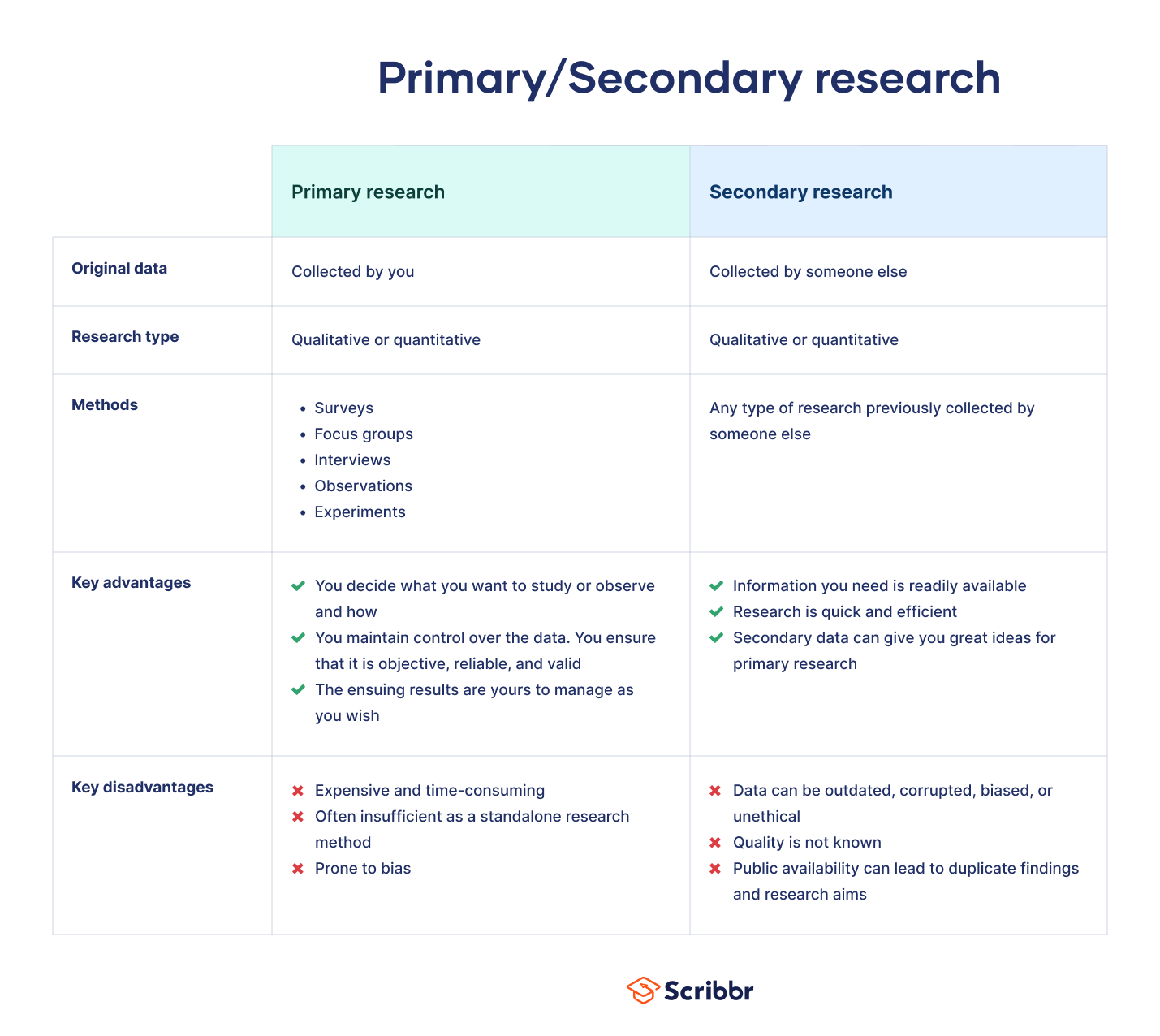
To fully appreciate the value of primary research, it’s helpful to understand its distinction from secondary research. Secondary research involves synthesizing and analyzing data that has already been collected by someone else (e.g., government reports, academic studies, industry publications, competitor websites). It’s an excellent starting point for understanding broad market trends and industry benchmarks, offering a foundational overview.
However, secondary data often lacks the specificity required for granular brand decisions. It might not answer “why” consumers prefer one brand over another, or “how” a specific marketing message resonates with a niche audience. This is where primary research steps in. It’s custom-designed to address these precise, brand-specific questions, gathering data directly from the target population through methods like surveys, interviews, and observations. While both are crucial for a comprehensive understanding, primary research offers the bespoke, actionable insights vital for crafting and refining a unique brand identity and strategy.
Unveiling Customer Perceptions: Qualitative Primary Research Examples
Qualitative primary research methods are designed to explore underlying reasons, opinions, and motivations. They provide rich, in-depth insights into consumer thoughts and feelings, offering the “why” behind behavior, which is invaluable for brand strategists.
Focus Groups: Deconstructing Brand Narratives
What it is: A focus group brings together a small group of individuals (typically 6-10) from the target demographic, led by a trained moderator, to discuss a specific topic related to the brand. The group dynamic often elicits a broader range of opinions, spontaneous reactions, and nuanced feedback that might not emerge in one-on-one settings.
Example in Branding: Imagine a beverage company is developing a new line of organic juices and needs to finalize its branding—specifically, the names, logos, and packaging designs. A series of focus groups could be conducted with health-conscious consumers. The moderator would present various branding concepts, prompting discussions on their appeal, perceived health benefits, trustworthiness, and distinctiveness from competitors. Participants might reveal that a particular name sounds “too artificial” despite the organic ingredients, or that a certain color palette on the packaging evokes feelings of “freshness” or “premium quality.” These collective insights help deconstruct how the brand narrative is perceived, allowing the company to refine its visual and verbal identity to better resonate with its target market.
In-Depth Interviews: Understanding the Individual Brand Journey
What it is: One-on-one interviews involve a direct conversation between a researcher and an individual participant. These interviews are typically semi-structured, allowing for flexibility to delve deeper into responses, explore complex topics, and uncover personal stories, motivations, and pain points in detail.
Example in Branding: A luxury car brand might conduct in-depth interviews with recent purchasers of their vehicles, as well as those who considered their brand but opted for a competitor. The objective would be to understand the drivers behind their purchase decisions, their emotional connection to the brand, their perception of the brand’s prestige and quality, and their overall ownership experience. Through these detailed conversations, the brand could uncover subtle nuances about what constitutes “luxury” for their customers, the specific touchpoints that influence their loyalty, or even specific unmet needs that could inspire future product features or service enhancements. For instance, an interview might reveal that while the car’s performance is appreciated, the after-sales service experience is what truly cements brand advocacy or, conversely, leads to defection.
Ethnographic Studies: Observing Brand Interaction in the Wild
What it is: Ethnographic research involves observing participants in their natural environments as they interact with products, services, or brands. This method aims to understand behaviors and attitudes in real-world contexts, often uncovering habits or unspoken needs that participants might not articulate in a survey or interview.
Example in Branding: An electronics company launching a new smart home device might conduct an ethnographic study by placing prototypes in the homes of target users and observing their interactions over several weeks. Researchers would note how users integrate the device into their daily routines, which features they use most frequently, what frustrations they encounter, and how the device impacts their household dynamics. They might discover that while the device is technically sound, its setup process is unintuitive for the average user, or that its voice commands are often misinterpreted in a noisy household. These observations provide unfiltered insights into the user experience, revealing discrepancies between intended brand utility and actual user behavior, allowing the company to refine the product, improve instructions, or adjust its marketing messaging to highlight the most intuitive and beneficial aspects.
Quantifying Brand Impact: Quantitative Primary Research Examples

Quantitative primary research focuses on collecting numerical data that can be statistically analyzed to identify patterns, measure frequencies, and make generalizations about a larger population. This type of research helps brands measure awareness, sentiment, and the effectiveness of their strategies.
Surveys and Questionnaires: Measuring Brand Awareness and Perception
What it is: Surveys are a highly versatile and common method for collecting data from a large number of respondents. They consist of structured questions (multiple-choice, rating scales, open-ended) delivered via online platforms, phone, mail, or in-person.
Example in Branding: A new eco-friendly apparel brand wants to gauge its initial brand awareness, perception, and purchase intent among its target demographic (e.g., sustainably-minded millennials and Gen Z). They would deploy an online survey to a geographically diverse sample. Questions would include: “Are you familiar with [Brand Name]?”, “On a scale of 1-5, how would you rate [Brand Name]’s commitment to sustainability?”, “What words come to mind when you think of [Brand Name]?”, and “How likely are you to purchase from [Brand Name] in the next 6 months?”. By collecting hundreds or thousands of responses, the brand can quantify its initial market penetration, identify areas where its sustainability message is or isn’t resonating, and establish a baseline against which future marketing efforts can be measured. This data can directly inform advertising spend, target messaging adjustments, and product line expansion.
A/B Testing: Optimizing Brand Messaging and Digital Assets
What it is: A/B testing (or split testing) is an experimental approach where two versions (A and B) of a webpage, email, ad, or other digital asset are shown to different segments of an audience simultaneously to determine which version performs better against a specific goal (e.g., click-through rate, conversion rate, engagement).
Example in Branding: A software company is launching a new feature and needs to create compelling ad copy for its digital marketing campaigns. They have developed two distinct taglines and accompanying ad creatives, each emphasizing a slightly different brand benefit (e.g., Version A: “Simplify Your Workflow with Our New AI Feature” vs. Version B: “Boost Productivity Instantly with [Brand Name]’s AI”). The company would set up an A/B test by delivering Version A to half of its target audience on platforms like Google Ads or Facebook, and Version B to the other half. After a predetermined period, they would analyze which version generated a higher click-through rate, more leads, or lower cost per conversion. The winning version provides quantitative evidence of which brand message resonates more effectively with the audience, allowing the brand to optimize its marketing spend and strengthen its core messaging across all channels.
Market Segmentation Studies: Defining Your Brand’s Audience
What it is: Market segmentation studies involve using quantitative data to divide a broad target market into smaller, more homogeneous groups (segments) based on shared characteristics such as demographics, psychographics (lifestyles, values), behaviors, or needs.
Example in Branding: A large food manufacturer wants to launch a new range of healthy snack bars but isn’t sure which specific consumer groups to target beyond a general “health-conscious” audience. They would conduct a comprehensive survey asking about dietary habits, exercise routines, snack preferences, purchasing motivations (e.g., convenience, taste, specific ingredients), income levels, and attitudes towards healthy eating. Through statistical analysis (e.g., cluster analysis), they might identify distinct segments like “Busy Professionals Seeking On-the-Go Nutrition,” “Fitness Enthusiasts Prioritizing Protein,” and “Families Looking for Allergy-Friendly Options.” Each segment would have unique needs and purchasing behaviors. Armed with this primary data, the brand can then tailor specific snack bar formulations, packaging designs, and marketing messages to appeal directly to each identified segment, rather than using a one-size-fits-all approach, thereby maximizing product-market fit and brand relevance.
Practical Applications and Best Practices for Brand-Focused Primary Research
Effective primary research isn’t just about collecting data; it’s about asking the right questions, choosing the appropriate methods, and, most importantly, translating findings into actionable brand strategies.
Aligning Research with Brand Objectives
The first and most critical step in any primary research endeavor is to clearly define the brand objective that the research aims to address. Is the brand struggling with low awareness? Is a new product launch failing to gain traction? Are existing customers churning? Each of these scenarios requires a different set of questions and research approaches. For instance, if the objective is to understand why a brand’s social media engagement is low among Gen Z, the research would focus on their digital habits, preferred platforms, content consumption patterns, and perceptions of the brand’s current online presence. Without a clear objective, research can become unfocused, yielding irrelevant data.
Choosing the Right Method for Your Branding Challenge
The selection of primary research methods should always be dictated by the brand’s specific questions and objectives. If the goal is to delve into the emotional connections consumers have with a brand (e.g., for brand identity redesign), qualitative methods like focus groups or in-depth interviews would be most appropriate. If the objective is to measure the extent of brand recognition or the impact of a recent advertising campaign on sales, quantitative methods such as large-scale surveys or A/B testing would be more effective. A balanced approach often involves a mixed-methods strategy, starting with qualitative research to explore ideas and then using quantitative research to validate and measure them across a broader population.
Integrating Insights into Brand Strategy
The true power of primary research lies in its ability to inform and shape brand strategy. Findings should not merely be reported; they must be actively analyzed and integrated into decision-making. If focus group participants consistently express confusion about a brand’s unique selling proposition, the brand’s messaging and communication strategy must be revised. If a survey reveals a strong desire for more sustainable packaging among a key demographic, the brand must explore eco-friendly alternatives. Primary research can lead to pivots in product development, adjustments in pricing strategy, refinement of visual identity, and the creation of more targeted and impactful marketing campaigns. For example, research might reveal that a brand’s sophisticated identity is alienating a younger, more casual audience, prompting a strategic decision to introduce a sub-brand with a more approachable aesthetic and tone.
Ethical Considerations in Brand Research
When conducting primary research, particularly involving human participants, ethical considerations are paramount. Brands must ensure transparency about the research’s purpose, obtain informed consent from participants, protect their privacy, and guarantee data confidentiality. This includes anonymizing responses where appropriate and adhering to data protection regulations (like GDPR or CCPA). Unethical research practices not only harm participants but can also severely damage a brand’s reputation and trust, undermining the very insights they seek to gain.
Conclusion
Primary research stands as a cornerstone for any brand aiming to achieve profound market understanding and sustained success. It moves beyond conjecture, providing original, custom-tailored data that illuminates customer motivations, quantifies brand perceptions, and validates strategic decisions. Whether through the rich narratives uncovered in focus groups and interviews, the statistical precision of surveys and A/B tests, or the real-world insights from ethnographic studies, brands gain an unparalleled ability to connect with their audience on a deeper, more authentic level. By rigorously applying these methods, aligning them with clear objectives, and ethically translating findings into actionable strategies, brands can cultivate a distinct identity, foster unwavering loyalty, and navigate the complexities of the market with confidence and foresight. In a world saturated with information, genuine, firsthand insight remains the most valuable currency for building and maintaining a truly resonant brand.
aViewFromTheCave is a participant in the Amazon Services LLC Associates Program, an affiliate advertising program designed to provide a means for sites to earn advertising fees by advertising and linking to Amazon.com. Amazon, the Amazon logo, AmazonSupply, and the AmazonSupply logo are trademarks of Amazon.com, Inc. or its affiliates. As an Amazon Associate we earn affiliate commissions from qualifying purchases.