
For centuries, the gleam of silver in a coin was more than just aesthetic; it was a promise of intrinsic value, a tangible representation of wealth and trust. From ancient empires to modern nations, silver played a pivotal role in shaping economic systems, facilitating trade, and defining the very concept of money. However, the ubiquitous silver coin of yesteryear has largely vanished from our pockets, replaced by alloys of more common metals. This raises a fundamental question for anyone curious about money, history, or the underlying value of currency: “What year were coins silver?” The answer is not a single date but a complex narrative spanning millennia, revealing profound shifts in economic policy, technological advancements, and the evolving relationship between governments and the money they issue. Understanding this transition is crucial for grasping the true nature of modern currency, the allure of precious metals as an investment, and the enduring lessons of monetary history.

The Dawn of Silver Coinage: Purity, Trust, and Economic Foundation
The story of money is inextricably linked to precious metals, and silver, with its relative abundance compared to gold yet inherent scarcity compared to base metals, struck a perfect balance for early coinage. Its malleability, resistance to corrosion, and recognizable luster made it an ideal medium for exchange, fostering trust in transactions long before the advent of complex financial institutions.
Ancient Origins and Early Standards
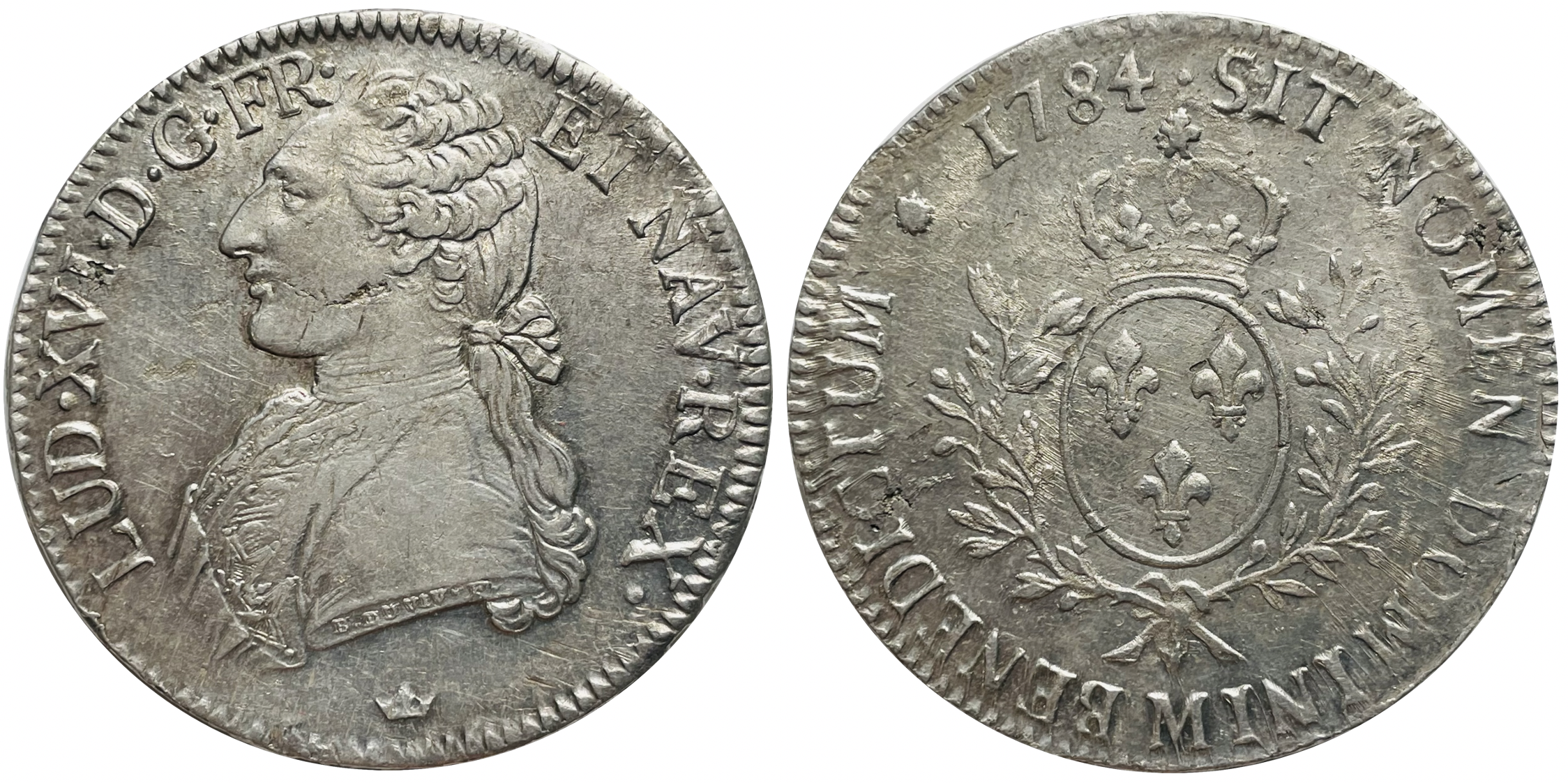
The concept of standardized metal pieces for currency dates back to ancient Lydia in the 7th century BCE, where electrum (a natural gold-silver alloy) was first used. Soon after, pure silver coins emerged as a dominant form of currency across the Greek city-states and later the Roman Empire. The drachma, the denarius, and other early silver coins were not merely tokens; their value was directly tied to their metal content and purity. This intrinsic value was the bedrock of economic systems, allowing merchants and citizens to transact with confidence across vast distances and different cultures. A coin’s weight and fineness were paramount, often stamped with effigies of rulers or deities to guarantee its authenticity and deter counterfeiting. This system worked because the metal itself held an agreed-upon value in the wider marketplace, independent of any governmental decree.
The British Sterling Standard and Global Influence
Over time, more sophisticated monetary standards developed. One of the most influential was the British sterling silver standard, formally established in the 12th century. The term “sterling” originally referred to a specific fineness of silver—92.5% pure silver, alloyed with 7.5% copper for durability. This standard became synonymous with reliability and quality, influencing coinage across Europe and eventually the world. For centuries, British pence, shillings, and crowns were minted in sterling silver, embodying a commitment to sound money. This standard provided a stable framework for trade and economic growth, cementing silver’s role as a global monetary anchor. The very word “pound sterling” speaks to its origins as a pound weight of sterling silver. Many other nations adopted similar standards, with silver often serving as the primary metal for everyday transactions, while gold was reserved for larger denominations or international trade.
The Role of Bimetallism
In many economies, particularly in the 18th and 19th centuries, a system of bimetallism was prevalent, where both gold and silver were legal tender and could be minted into coins at a fixed ratio to each other. For example, the United States initially adopted a bimetallic standard in 1792, setting the value of silver to gold at 15:1. While seemingly offering greater flexibility and stability by using two precious metals, bimetallism often proved challenging. Fluctuations in the market price of one metal relative to the other could lead to “Gresham’s Law,” where the “bad money” (the overvalued metal in the fixed ratio) would drive “good money” (the undervalued metal) out of circulation, as people hoarded the more valuable metal or exported it for profit. This inherent instability ultimately pushed many nations away from bimetallic standards, often towards a singular gold standard, and eventually, away from precious metals altogether.
The Great Debasement: When Silver Began to Fade from Everyday Coins
The unyielding commitment to precious metal coinage began to erode under the immense pressures of modern warfare, economic theory, and the expanding needs of industrializing nations. The transition away from silver was a gradual but ultimately decisive process, marking a fundamental shift in how governments defined and managed their currency.
Wartime Demands and Economic Pressures
One of the primary catalysts for the reduction or removal of silver from coins was the financial strain imposed by major wars. Financing conflicts on a global scale required vast amounts of capital, and governments often found it expedient to reduce the silver content of their coinage to conserve precious metal reserves or to generate seigniorage (the profit made by a government by issuing currency, especially the difference between the face value of coins and their intrinsic value). During World War I and World War II, many nations, including Great Britain and Canada, began to significantly reduce the silver purity of their coins, or even remove it entirely, replacing it with cheaper alloys. This allowed them to stretch their limited silver supplies and focus their economic resources on the war effort, even if it meant a temporary erosion of the currency’s intrinsic value.
The Rise of Fiat Money and Fractional Reserve Banking
Beyond wartime exigencies, a more profound theoretical shift was underway: the ascendancy of fiat money and the widespread adoption of fractional reserve banking. Fiat money is currency that a government has declared to be legal tender, but it is not backed by a physical commodity like gold or silver. Its value is derived from public trust in the issuing government and the currency’s acceptance for the payment of taxes and debts. This paradigm allowed central banks to manage monetary policy with greater flexibility, expanding or contracting the money supply to influence economic activity, rather than being constrained by the physical stock of precious metals.
Fractional reserve banking, where banks hold only a fraction of deposits in reserve and lend out the rest, further amplified this shift. The focus moved from the physical presence of metal to the creditworthiness of institutions and the stability of the financial system. In such an environment, the intrinsic metal content of everyday circulating coins became increasingly less relevant to the overall monetary system. The cost of minting precious metal coins often exceeded their face value due to rising market prices of the metals, making their continued circulation economically impractical.
Specific Country Examples: The United States’ Pivotal Shift
Perhaps the most iconic example of silver’s disappearance from everyday coinage occurred in the United States. For most of its history, U.S. dimes, quarters, and half-dollars were made of 90% silver. However, by the early 1960s, the rising market price of silver began to exceed the face value of the coins. People started hoarding silver coins or melting them down for their metal content, leading to a severe coin shortage.
To address this crisis and modernize its monetary system, the U.S. Coinage Act of 1965 was enacted. This landmark legislation officially removed silver from dimes and quarters, replacing them with a copper-nickel clad composition (a core of pure copper sandwiched between two layers of 75% copper/25% nickel). Half-dollars were reduced from 90% to 40% silver, and then completely demonetized of silver in 1971.

Thus, for practical purposes, 1964 was the last year that circulating U.S. dimes, quarters, and most half-dollars were made of 90% silver. The 1965 Act effectively ended a nearly two-century tradition of silver in American coinage. Other nations followed similar paths; Canada ceased circulating silver coinage after 1967, and the United Kingdom after 1946 (though it had reduced silver content much earlier).
Post-Silver Coinage: Understanding Modern Currency and Collector’s Value
The shift away from precious metals transformed not only the composition of coins but also their perceived value and function. Modern coins serve primarily as tokens of exchange, their value derived from legal tender laws, while their older, silver counterparts have ascended to a new status—that of collector’s items and tangible assets.
The Era of Base Metals
Today’s circulating coins are crafted from robust, inexpensive base metals or alloys like copper, nickel, zinc, and manganese. This choice is pragmatic: these metals are durable, resistant to corrosion, readily available, and significantly cheaper to produce than their precious metal predecessors. The primary function of a modern coin is to facilitate transactions efficiently and affordably. Its intrinsic metallic value is negligible compared to its face value, reinforcing the concept of fiat money. This allows governments to manage currency production without being beholden to volatile commodity markets and ensures that coins remain in circulation rather than being melted down. This also makes the monetary system more flexible and less susceptible to the supply shocks associated with precious metal mining.
The Numismatic and Intrinsic Value of Pre-1965 Silver Coins
While no longer circulating for their face value, pre-1965 U.S. silver coins (and similar historical silver coinage from other nations) have developed a dual layer of value: intrinsic and numismatic.
- Intrinsic (Melt) Value: This refers to the value of the silver contained within the coin, determined by the current spot price of silver on the commodities market. As silver prices fluctuate, so does the melt value of these coins. A U.S. 90% silver dime, quarter, or half-dollar contains a specific amount of pure silver, making them a direct way to own physical silver. Many investors purchase these “junk silver” coins (a term referring to their lack of numismatic premium, not their actual condition) for their silver content.
- Numismatic (Collector’s) Value: This is the value attributed to a coin based on its rarity, historical significance, condition, mint mark, and demand from collectors. A rare date, a specific mint error, or a coin in exceptionally high grade can command a price far exceeding its melt value. For instance, a 1916-D Mercury Dime in fine condition could be worth thousands, despite its small silver content. This distinction means that not all old silver coins are equally valuable, and serious collectors meticulously research and grade their acquisitions.
Silver Bullion Coins and Investment Opportunities
In response to sustained public interest in precious metals as a store of value, many governments continue to mint silver coins, but not for circulation. These are silver bullion coins, specifically designed for investors and collectors. Examples include the American Silver Eagle, Canadian Silver Maple Leaf, Austrian Silver Philharmonic, and British Silver Britannia. These coins typically contain one troy ounce of pure silver (0.999 or 0.9999 fine) and carry a nominal face value, which is symbolic rather than reflective of their market price. They are purchased for their silver content, often at a small premium above the spot price. These modern bullion coins serve as a hedge against inflation, a tangible asset in times of economic uncertainty, and a diversified component of an investment portfolio, clearly distinguishing them from the circulating base metal coins of today.
Why Does This History Matter Today? Economic Lessons and Future Implications
The story of silver’s departure from coinage is more than just a historical anecdote; it offers profound insights into economic principles, the nature of money, and prudent financial planning in an ever-changing world.
Inflation and the Loss of Purchasing Power
The debasement of coinage, whether through reducing silver content or transitioning to fiat currency, is historically linked to inflation. When the money supply can be expanded without the constraint of a finite commodity like silver, governments and central banks have greater latitude to print money. While this can stimulate economic growth, excessive expansion often leads to a decrease in the purchasing power of each unit of currency. Understanding this historical precedent helps us recognize the mechanisms behind inflation and appreciate the value of assets that tend to retain their purchasing power over long periods. The silver content of old coins offers a stark reminder of how much the real value of currency has changed over decades.
The Debate Over Sound Money vs. Fiat Systems
The transition from silver-backed money to fiat currency remains a topic of fervent debate among economists, financial theorists, and even political factions. Proponents of “sound money” (often advocating for a return to commodity-backed systems or strict monetary rules) argue that tying currency to a physical asset like silver or gold imposes fiscal discipline on governments, prevents excessive money printing, and protects citizens from inflation. They see the debasement of coinage as a historical pattern of government overreach that invariably harms the average person.
Conversely, proponents of fiat systems emphasize the flexibility it provides for central banks to manage economic cycles, stimulate growth, and respond to crises. They argue that a fixed commodity standard can be restrictive, leading to deflationary pressures and hampering economic development. The history of silver coinage provides valuable context for understanding the philosophical underpinnings and practical implications of both approaches, informing ongoing discussions about the future of money, including the rise of cryptocurrencies which share some characteristics of being outside traditional government control.
Preparing for Economic Instability: The Role of Precious Metals in a Portfolio
For the individual investor, understanding the history of silver in coinage offers actionable insights into portfolio diversification and risk management. Precious metals, particularly silver and gold, have historically served as a hedge against inflation and economic uncertainty. When traditional financial markets falter, or when confidence in fiat currencies wanes, the tangible value of silver often shines. Owning physical silver, whether in the form of pre-1965 circulating coins or modern bullion, can provide a sense of security and act as a store of value during turbulent times. It represents a tangible asset that is independent of any government’s promise or the stability of a banking system, connecting investors to the ancient principles of value that once underpinned all monetary systems.
The question “what year were coins silver?” unlocks a fascinating chapter in monetary history, revealing how societal needs, economic pressures, and evolving theories about value gradually shifted the very foundation of our currency. From being the backbone of global commerce to becoming cherished collector’s items and investment assets, silver coins have mirrored humanity’s ongoing quest for a stable, trusted, and universally accepted medium of exchange. While modern coins have shed their metallic intrinsic value, the lessons learned from the era of silver coinage remain profoundly relevant, offering critical perspectives on inflation, financial stability, and the enduring role of precious metals in personal finance and the broader global economy.
aViewFromTheCave is a participant in the Amazon Services LLC Associates Program, an affiliate advertising program designed to provide a means for sites to earn advertising fees by advertising and linking to Amazon.com. Amazon, the Amazon logo, AmazonSupply, and the AmazonSupply logo are trademarks of Amazon.com, Inc. or its affiliates. As an Amazon Associate we earn affiliate commissions from qualifying purchases.