
The roar of an engine, a flash of black and gold, and a mischievous grin behind the wheel – for anyone who lived through the late 1970s, or discovered classic American cinema later, these images instantly conjure the legendary 1977 Pontiac Firebird Trans Am from “Smokey and the Bandit.” More than just a vehicle, this car transcended its mechanical origins to become an enduring brand icon, a cultural touchstone that profoundly shaped the perceptions of Pontiac, an era of automotive design, and the very concept of cinematic product placement. While the film’s exhilarating chase sequences and comedic brilliance are often lauded, the true genius lies in how it inadvertently crafted one of the most successful and memorable brand identities in automotive history.

The Pontiac Trans Am: A Brand Icon Forged in Film
The choice of the 1977 Pontiac Firebird Trans Am was far from arbitrary; it was a potent symbol of American muscle, style, and a burgeoning sense of youthful rebellion. The film didn’t just feature a car; it elevated it to a character, a co-star whose visual presence and performance were integral to the narrative and, by extension, to its brand legacy.
The 1977 Trans Am: An Unforgettable Design
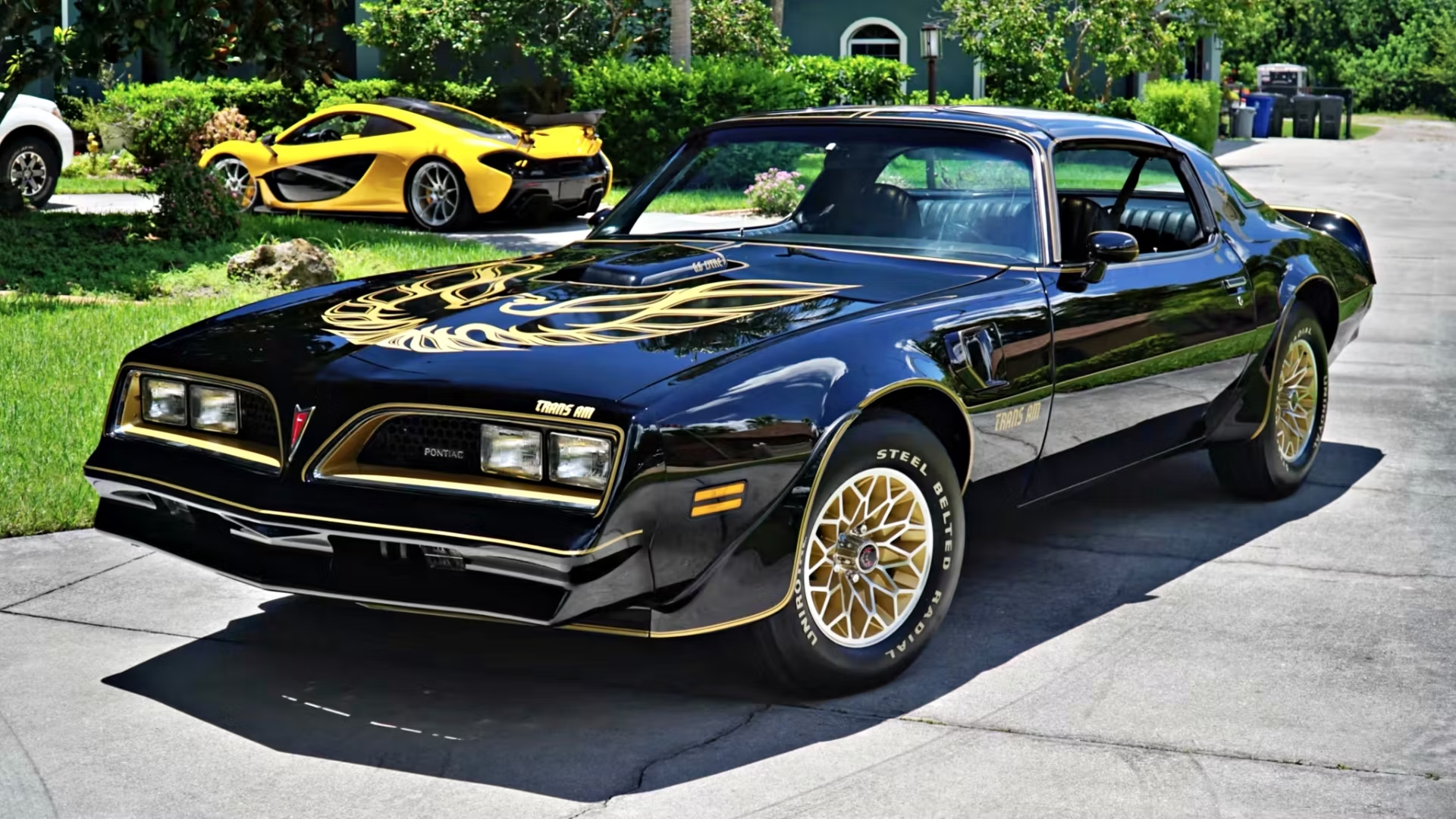
The aesthetic appeal of the 1977 Trans Am was unparalleled. Its sleek, aggressive lines, the distinctive T-top roof that screamed freedom, and the iconic “shaker” hood scoop hinted at the raw power lurking beneath. But perhaps the most defining visual element was the massive, stylized Firebird decal – often dubbed the “screaming chicken” – emblazoned across the hood. This wasn’t merely a graphic; it was a bold statement, a visual roar that immediately identified the car and its driver with a certain audacious spirit.
In the realm of brand strategy, this design offered a masterclass in corporate identity and visual branding. Pontiac, particularly through its Trans Am line, was already cultivating an image of performance and sportiness. The 1977 model, with its unique blend of sophistication and untamed energy, perfectly encapsulated this. The car’s aggressive stance and attention-grabbing features ensured it stood out in any crowd, much like a well-designed logo or a striking advertising campaign ensures a brand’s distinctiveness. The “screaming chicken” acted as a powerful non-verbal communicator, instantly conveying power, speed, and a touch of flamboyant rebellion – traits that became deeply intertwined with the Trans Am brand itself. It became more than a car; it was a persona on wheels.
Burt Reynolds and the Persona of Rebellion
The magic of “Smokey and the Bandit” wasn’t just in the car’s design, but in the seamless synergy between the vehicle and its charismatic driver, Bo “Bandit” Darville, portrayed by the inimitable Burt Reynolds. Reynolds’s personal brand, characterized by a mischievous charm, an effortless cool, and a hint of roguish rebellion, perfectly mirrored the Trans Am’s essence. The Bandit wasn’t just driving the car; he was the car’s spirit embodied.
This alignment created a powerful amplification effect. The car’s aggressive styling found its human counterpart in Reynolds’s confident swagger, and his daredevil antics behind the wheel solidified the Trans Am’s image as the ultimate vehicle for the independent, rule-bending adventurer. This phenomenon is a textbook example of how personal branding can elevate product branding. Reynolds lent his star power and persona to the car, making it aspirational. Consumers didn’t just want the Trans Am; they wanted to embody the Bandit’s freedom, his confidence, and his thrilling escapades. The car became an extension of a celebrated personality, creating an emotional connection that went far beyond horsepower or torque figures. It was a lifestyle statement, driven by a cultural icon.
Marketing Ingenuity: Product Placement Before Its Time
Before the era of overt product placement deals and meticulous brand integration strategies, “Smokey and the Bandit” delivered one of the most effective, albeit somewhat accidental, marketing campaigns for an automobile manufacturer. Hal Needham, the film’s director, was a friend of Pontiac executive John Schinella. Needham needed a distinctive car for the chase scenes, and Schinella offered a fleet of 1977 Trans Ams. What followed was an unprecedented, organic, and highly successful advertisement for Pontiac.
The film didn’t just showcase the Trans Am; it put it through its paces, highlighting its performance, durability, and undeniable cool factor in a dynamic, exciting narrative. Every jump, every drift, every high-speed maneuver was a testament to the car’s capabilities, presented not as a commercial, but as pure entertainment. This immersive storytelling created an emotional resonance that traditional advertising campaigns struggled to achieve. Viewers weren’t being told the Trans Am was fast or stylish; they were seeing it in action, feeling the adrenaline, and vicariously experiencing the freedom it offered. It was a masterclass in experiential marketing, demonstrating the immense power of narrative in embedding a brand deep within the public consciousness. Pontiac received invaluable exposure, effectively turning a feature film into a prolonged, captivating brand commercial without an explicit marketing budget allocated by the studio for this purpose.
The Synergy of Brand and Narrative: A Case Study in Cinematic Marketing
The phenomenon of the “Smokey and the Bandit” Trans Am offers a compelling case study in how the confluence of product, personality, and plot can forge an indelible brand identity. It wasn’t merely a popular movie car; it became a symbol of an era and a testament to the power of emotional connection in brand building.
Crafting a Cult Following: Beyond Mere Transportation
The movie transformed the Trans Am from a mere mode of transportation into a cultural phenomenon. It wasn’t just about getting from point A to point B; it was about the journey itself, the thrill of defiance, and the pursuit of freedom on the open road. The Trans Am became synonymous with adventure, a rebellious spirit, and the joy of breaking free from mundane routines. This aspirational quality is the hallmark of successful branding.
Modern brand builders constantly strive to create communities and emotional loyalty around their products. “Smokey and the Bandit” achieved this organically. Fans didn’t just appreciate the car’s features; they bought into the lifestyle it represented. Owning a Trans Am, especially a black and gold one, became an affirmation of a certain personality – someone who was cool, daring, and just a little bit outside the lines. This psychological connection is far more potent than any functional benefit, ensuring the brand’s enduring appeal long after the film’s initial release. It became a badge of identity for its owners.

The “Screaming Chicken”: A Logo’s Enduring Power
The Firebird decal, affectionately known as the “screaming chicken,” deserves a dedicated mention as a branding marvel. This aggressive, stylized phoenix wasn’t just a decoration; it was a potent logo, a powerful identifier that transcended linguistic barriers and became instantly recognizable. It projected power, speed, and a certain wildness, perfectly encapsulating the Trans Am’s brand ethos.
The effectiveness of this logo highlights critical principles in corporate identity design. A strong logo communicates brand values, evokes emotion, and creates instant recognition. The “screaming chicken” did all this without needing a single word. It was bold, memorable, and unique – elements that any brand striving for iconic status should emulate. Even decades later, the sight of that emblem immediately conjures images of speed, freedom, and the 1970s muscle car era, cementing its place as one of the most recognizable and enduring automotive brand identifiers in history. Its power lies in its simplicity and its unapologetic attitude, perfectly complementing the car it adorned.
Pontiac’s Unforeseen Boost: Sales and Brand Perception
The impact of “Smokey and the Bandit” on Pontiac’s sales and brand perception was immediate and profound. Following the film’s release, demand for the Trans Am skyrocketed. Dealers found themselves unable to keep up, with customers flocking in, specifically requesting the “Bandit car.” Sales figures for the Trans Am saw a significant surge, transforming it into a highly sought-after model for the automaker.
More than just a spike in sales, the movie reshaped public perception of the Pontiac brand as a whole. It injected a jolt of excitement, youthfulness, and dynamism into the brand image. Pontiac, through the Trans Am, was seen as relevant, cool, and capable of producing cars that were not just functional but thrilling. This positive brand association extended beyond the Trans Am, casting a halo effect over other models and reinforcing Pontiac’s position as a leader in performance vehicles. It’s a classic example of how a singular, iconic product can elevate an entire corporate brand, demonstrating the latent power of cultural integration over traditional advertising spend. The film validated Pontiac’s design and performance philosophy in the most public and thrilling way imaginable.
The Lingering Legacy: How “Bandit” Branding Endures
Decades after its debut, the “Smokey and the Bandit” Trans Am continues to captivate enthusiasts and pop culture aficionados alike. Its enduring appeal speaks volumes about the timeless principles of strong brand building and the power of nostalgia.
Nostalgia as a Brand Asset
The sustained relevance of the “Smokey and the Bandit” Trans Am in popular culture, at car shows, and within collector markets is a testament to the potent force of nostalgia. For many, the black and gold Trans Am is not just a car; it’s a direct portal to their youth, to a simpler time, or to a specific cultural moment in American history. This emotional connection makes nostalgia an invaluable brand asset.
Brands that can tap into collective nostalgia often find a deeper, more resilient connection with their audience. The Bandit car evokes feelings of freedom, excitement, and a touch of anti-establishment cool, emotions that resonate across generations. This nostalgic pull keeps the brand alive, driving conversations, inspiring new fans, and maintaining value in the collector’s market. Smart brands understand that leveraging these positive past associations can be a powerful strategy to maintain relevance and foster enduring affection in a constantly evolving marketplace. It’s about selling a feeling as much as a product.
Replicas and Homages: Extending the Brand Life Cycle
The phenomenon of fans building meticulously accurate replicas or customizing their own Trans Ams to pay homage to the “Bandit car” is a powerful indicator of sustained brand loyalty and consumer engagement. This isn’t just about owning a car; it’s about participating in a legacy, becoming a part of the “Smokey and the Bandit” universe. These custom builds, often seen at car shows and enthusiast gatherings, serve as continuous, organic marketing for the original brand.
This level of active consumer participation demonstrates a brand’s deep cultural penetration and its ability to inspire passion. It extends the brand’s life cycle far beyond its original production run, creating a dynamic, living community around the product. For brand strategists, this fan-driven engagement offers valuable lessons in fostering advocacy and creating a brand experience that encourages active involvement, rather than passive consumption. When consumers become creators and ambassadors, a brand truly achieves iconic status.
Lessons for Modern Brand Builders
The saga of the “Smokey and the Bandit” Trans Am offers invaluable insights for contemporary brand builders. Its success underscores several timeless principles:
- The Power of Storytelling: A compelling narrative can embed a product in the cultural consciousness far more effectively than traditional advertising.
- Emotional Connection: Brands that evoke strong emotions – freedom, rebellion, excitement – build deeper, more lasting relationships with consumers.
- Iconic Design: Distinctive and memorable visual identity (like the “screaming chicken”) creates instant recognition and communicates brand values without words.
- Strategic Partnerships (Even Accidental Ones): Aligning a product with popular culture, charismatic personalities, or influential content can yield exponential returns in brand exposure and appeal.
- Understanding Your Audience’s Aspirations: Tapping into what consumers dream of – whether it’s freedom, power, or individuality – makes a product irresistible.
In an increasingly crowded marketplace, these lessons remain as relevant today as they were in 1977.
In conclusion, the legendary car from “Smokey and the Bandit” was the 1977 Pontiac Firebird Trans Am. Its starring role in the film wasn’t merely a cameo; it was the genesis of a profound brand transformation. The movie seamlessly blended iconic design, charismatic persona, and an exhilarating narrative to create one of the most potent and enduring brand identities in automotive and cinematic history. The “Bandit car” stands as a testament to the enduring power of effective brand building, demonstrating how a product, when intertwined with compelling storytelling and cultural resonance, can transcend its functional purpose to become a timeless legend.
aViewFromTheCave is a participant in the Amazon Services LLC Associates Program, an affiliate advertising program designed to provide a means for sites to earn advertising fees by advertising and linking to Amazon.com. Amazon, the Amazon logo, AmazonSupply, and the AmazonSupply logo are trademarks of Amazon.com, Inc. or its affiliates. As an Amazon Associate we earn affiliate commissions from qualifying purchases.