
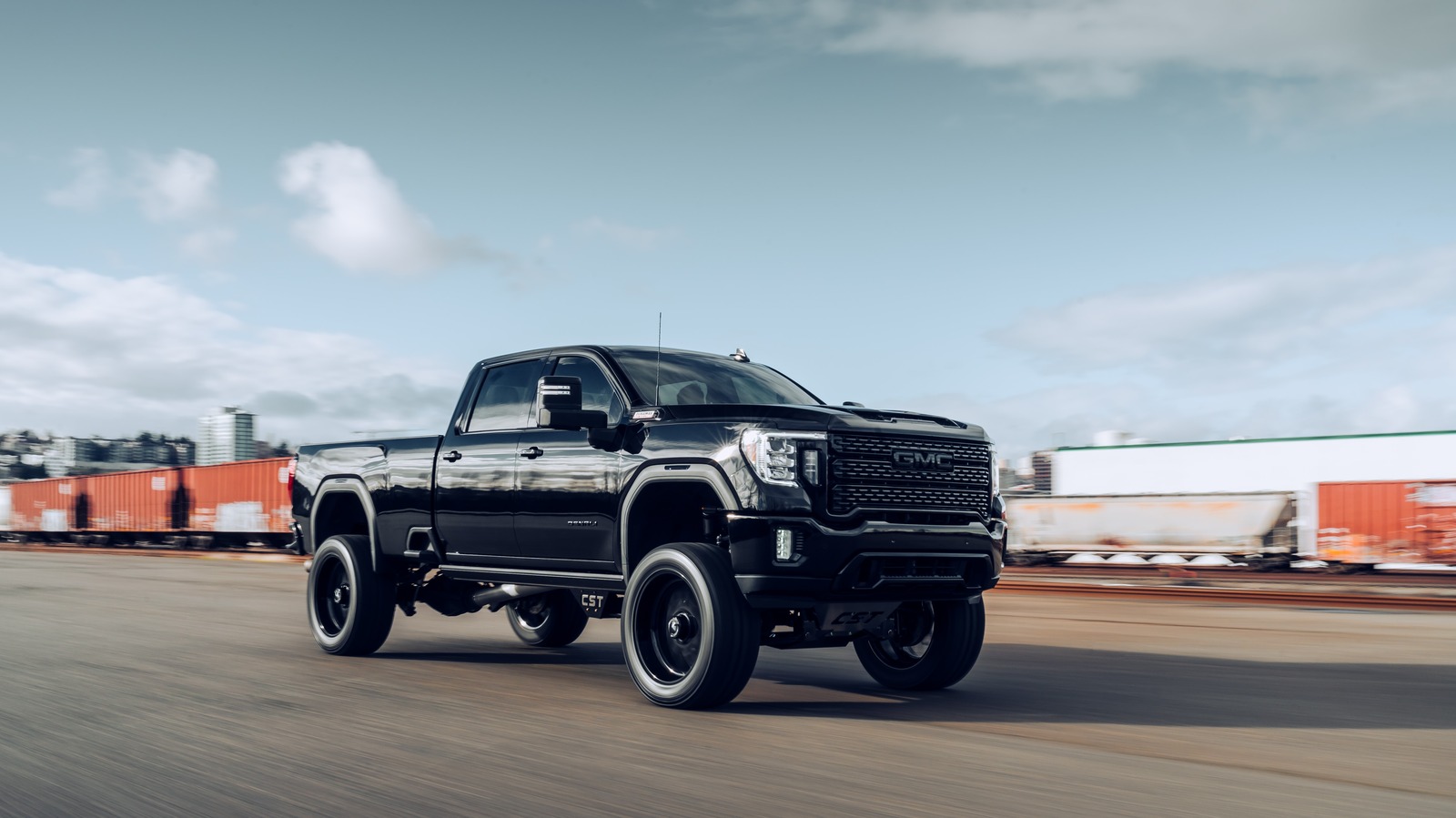
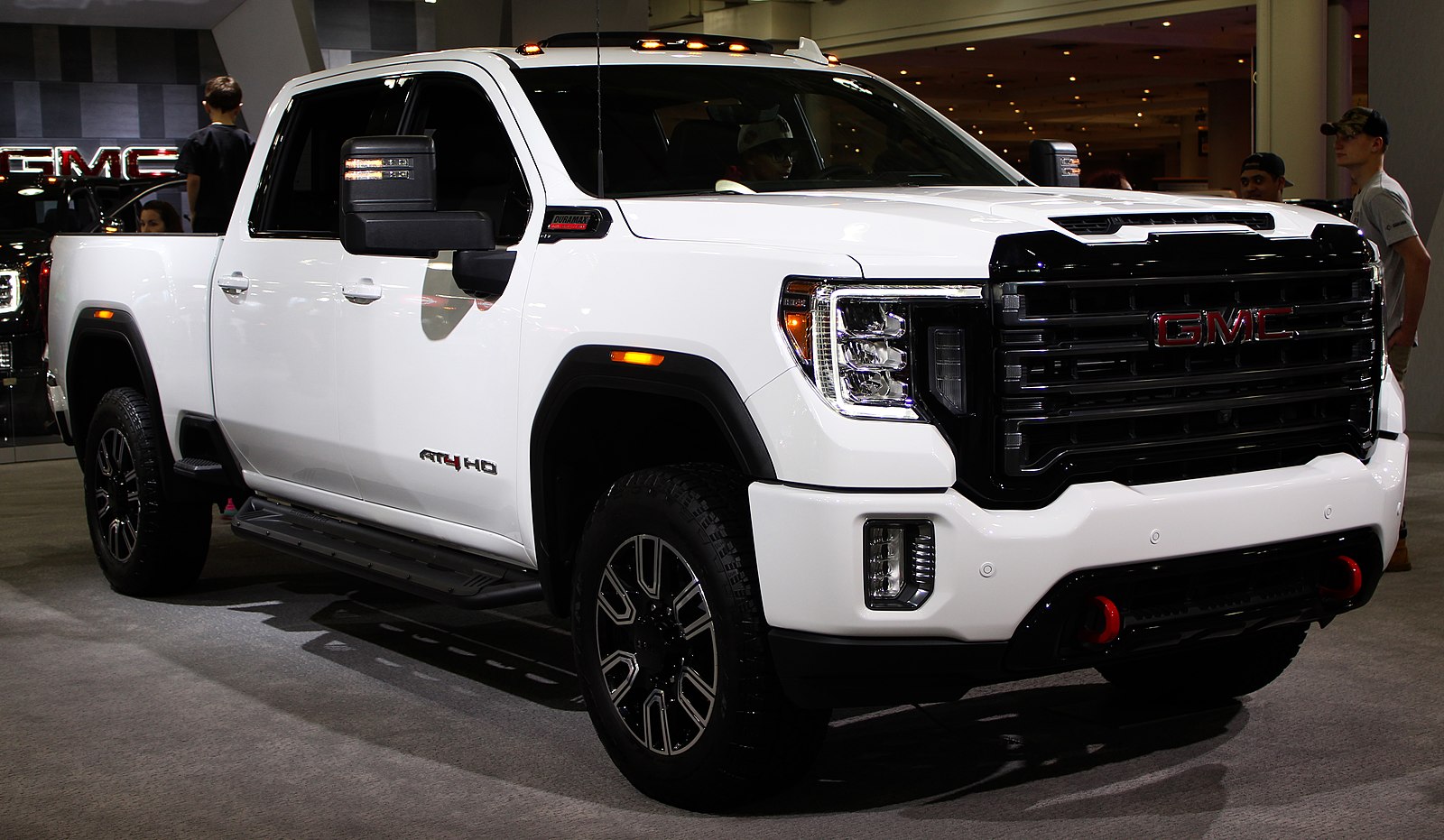
The Duramax diesel engine, a stalwart in the heavy-duty truck segment, has powered countless Chevrolet Silverado HD and GMC Sierra HD trucks since its inception in 2001. Renowned for its robust torque, impressive towing capabilities, and legendary durability, the Duramax has undergone continuous evolution, incorporating cutting-edge technology to meet increasingly stringent performance and emissions standards. For enthusiasts, prospective buyers, and fleet managers alike, the question “What year is the best Duramax?” is more than a casual inquiry; it’s an exploration of engineering triumphs, technological milestones, and the delicate balance between power, reliability, and innovation.
To truly determine the “best” year, one must delve into the technological advancements, design philosophies, and real-world performance characteristics that define each generation. This article will dissect the Duramax lineage through a technological lens, evaluating the key innovations, improvements, and the occasional missteps that have shaped its journey.
The Evolution of Duramax Technology: A Brief History
From its initial offering to its latest iteration, the Duramax engine family represents a fascinating case study in continuous engineering refinement. Each new designation, from the LB7 to the current L5P, signifies a leap in design, material science, and electronic control. Understanding this progression is crucial to appreciating why certain model years are held in higher regard than others.
Early Innovations: LB7 and LLY (2001-2006)
The original Duramax, the LB7 (2001-2004), immediately set a high bar. It was a technological marvel for its time, featuring common-rail direct injection, aluminum cylinder heads, and a Bosch high-pressure fuel pump. Producing 300 horsepower and 520 lb-ft of torque, it offered unprecedented power and refinement for a heavy-duty diesel. Its key innovations lay in its precise fuel delivery system and advanced engine management. However, early models were not without their challenges, most notably injector failures due to heat and seal degradation, a common technological issue that GM later addressed.
The subsequent LLY (2004.5-2006) aimed to build upon the LB7’s foundation while integrating new emissions technology. It introduced a variable geometry turbocharger (VGT), a significant technological upgrade that improved throttle response and broadened the power band. This VGT system was a complex piece of engineering designed to optimize boost across a wider range of engine speeds. The LLY also brought minor updates to the fuel system and engine electronics. While it improved upon some aspects, it also faced its own unique set of technological hurdles, primarily related to overheating in heavy towing scenarios due to restricted airflow and the complexity of its new emissions components.
Mid-Era Refinements: LBZ, LMM, LML (2006-2016)
The LBZ (2006-2007) is often considered by many purists to be the pinnacle of Duramax engineering before the full onslaught of modern emissions equipment. This iteration was a refinement of the LLY, boasting a stronger block, revised connecting rods, and an improved fuel injection system. Crucially, it maintained a comparatively simpler emissions system than its successors, eschewing the Diesel Particulate Filter (DPF) and Diesel Exhaust Fluid (DEF) found in later models. Its 360 hp and 650 lb-ft of torque, combined with its robust mechanicals and fewer complex electronic emissions controls, made it a technological sweet spot for those prioritizing raw performance and long-term reliability without excessive maintenance related to advanced emissions systems.
The LMM (2007.5-2010) marked a significant shift towards more complex emissions technology with the introduction of the DPF. This system, while environmentally necessary, added a layer of technological complexity and required specific regeneration cycles, impacting fuel economy and adding potential maintenance points. The LMM retained much of the LBZ’s core mechanical design but incorporated a sophisticated exhaust gas recirculation (EGR) system and the DPF to meet new regulations. From a purely technological standpoint concerning engine longevity and ease of maintenance, the DPF represented a trade-off, although it achieved its environmental goals effectively.
The LML (2011-2016) saw another substantial upgrade, not just in power (397 hp, 765 lb-ft of torque) but also in its emissions strategy, with the introduction of Selective Catalytic Reduction (SCR) requiring Diesel Exhaust Fluid (DEF). This was a major technological integration designed to further reduce NOx emissions. While the LML engine itself was incredibly powerful and efficient, the addition of the DEF system introduced another component that needed maintenance and monitoring, and its high-pressure CP4 fuel pump, while advanced, proved to be a design weakness for some owners, leading to catastrophic failures due to metal contamination.
Key Technological Milestones and Performance Benchmarks
Evaluating the “best” Duramax year necessitates a deep dive into specific technological advancements that directly impacted performance, efficiency, and driveability.
Power and Torque Peaks: From First Gen to L5P
Each Duramax generation has pushed the boundaries of power and torque, directly correlating with advancements in turbocharging, fuel injection precision, and engine control unit (ECU) programming. The jump from the LB7’s 520 lb-ft to the L5P’s staggering 975 lb-ft (and more recently, 1075 lb-ft) is a testament to continuous engineering. This wasn’t merely achieved by increasing displacement; rather, it was through more efficient turbo compressors, higher fuel injection pressures (from 23,000 psi in early models to over 29,000 psi in modern ones), and sophisticated electronic mapping that optimized combustion cycles for maximum output and efficiency. The L5P, for instance, features a new electronically controlled variable geometry turbocharger and a completely redesigned cylinder block and heads to handle the immense power.
Fuel System Innovations: Injectors, Pumps, and Efficiency
The heart of any modern diesel engine is its fuel system. Duramax engines have consistently utilized common-rail direct injection, but the technology within has evolved dramatically. Early LB7 injectors were prone to failure, a design flaw that was progressively addressed in later generations through material improvements and revised cooling strategies. The transition from CP3 to CP4 fuel pumps in the LML series, while increasing pressure and potentially efficiency, introduced a new vulnerability due to the CP4’s susceptibility to wear and metal contamination. The current L5P, however, reverted to a more robust Denso HP4 pump, showcasing an iterative design process where reliability and performance are continuously balanced. These changes directly impact the engine’s long-term operational costs and reliability, a critical factor in determining the “best” year.
Emissions Technology and Its Impact
Emissions technology has arguably been the most significant driver of change in the Duramax lineage. From the advent of the DPF in the LMM to the integration of DEF/SCR in the LML and L5P, these systems represent complex technological layers designed to reduce harmful pollutants. While essential for environmental compliance, they introduce additional sensors, control modules, and components that can add to maintenance complexity and potential failure points. The sophisticated interplay between the EGR system, DPF, and SCR (in later models) requires advanced ECU programming and diagnostic capabilities. Understanding the specific emissions setup of each model year is key, as some drivers prefer the simpler, albeit less environmentally friendly, systems of earlier models for their perceived mechanical straightforwardness.
Reliability and Longevity: Analyzing Model Year Durability
Beyond raw power and technological sophistication, the true measure of a “best” Duramax often comes down to its long-term reliability and durability. This isn’t just about mechanical strength but also the resilience of its integrated technological systems.
Common Tech-Related Issues Across Generations
Every generation has faced its unique set of technological challenges. The LB7’s injector issues, the LLY’s potential overheating, the LMM’s DPF regeneration cycles, and the LML’s CP4 pump failures are all examples where advanced technology, while aiming for specific performance or environmental goals, introduced new points of vulnerability. These issues highlight the inherent trade-offs in engineering; balancing cutting-edge performance with bulletproof reliability is a continuous challenge.
Engineering Solutions and Design Improvements
GM has consistently responded to these challenges with engineering solutions. The evolution of injector design, improvements in cooling system architecture, and the eventual transition away from the problematic CP4 pump in the L5P demonstrate a commitment to iterative improvement. These design revisions, often informed by real-world usage and warranty claims, contribute significantly to the perceived “bestness” of later models. For instance, the L5P’s enhanced block, head design, and revised fuel system components are direct responses to lessons learned from previous generations, engineered to handle higher stresses and provide greater reliability.
The Role of Electronics and Software in Modern Duramax Engines
Modern Duramax engines are as much about their electronics and software as they are about their mechanical components. The Engine Control Module (ECM) orchestrates every aspect of engine operation, from fuel injection timing and turbo boost to emissions system management and diagnostic reporting. The sophistication of these systems means that software updates can address performance issues, improve efficiency, or even mitigate potential mechanical failures. The integration of advanced sensors and real-time diagnostics allows for precise control and early fault detection, contributing to overall reliability and allowing for more targeted maintenance.
Identifying the “Sweet Spot”: A Deep Dive into Contending Years
Synthesizing the technological journey, performance benchmarks, and reliability insights allows us to identify the standout Duramax years. The “best” often depends on individual priorities, whether that’s raw power, minimal emissions complexity, or overall value.
The Cult Favorite: LBZ (2006-2007)
For many, the LBZ represents the zenith of Duramax technology. It strikes an exceptional balance: significant power (360 hp, 650 lb-ft), robust mechanicals, and a relatively simple emissions system (pre-DPF/DEF). Its VGT turbocharger was mature, its fuel system largely reliable, and its electronic controls sophisticated enough without being overly complex. It’s often praised for its blend of performance and “old-school” diesel simplicity, making it a highly sought-after model for those who prioritize long-term, potentially lower-cost maintenance related to advanced emissions components.
Modern Marvels: L5P (2017-Present)
For those who demand the absolute latest in technology, power, and refinement, the L5P is the undisputed champion. With its initial 445 hp and 910 lb-ft of torque (now up to 470 hp and 1075 lb-ft), it offers unparalleled performance. Its completely redesigned engine block, new Denso HP4 fuel pump, and advanced electronically controlled variable geometry turbocharger represent the pinnacle of current Duramax engineering. The L5P seamlessly integrates the most advanced emissions technologies (DPF and DEF) with impressive power and efficiency, all while demonstrating strong reliability figures since its introduction. It’s a technological tour de force that sacrifices nothing in terms of capability.
Value and Technology Integration: A Balanced Perspective
While the LBZ holds a nostalgic appeal and the L5P showcases modern prowess, years like the LML (2011-2016) offer a compelling argument for those seeking a balance of power, relatively modern features, and potentially better value in the used market. Despite the CP4 fuel pump concerns, many LMLs have proven reliable, and their immense power and the integration of DEF technology made them highly capable trucks. For buyers looking for advanced technology without the premium price tag of a brand-new L5P, a well-maintained LML can be an excellent choice, provided the CP4 pump issue is addressed or has proven reliable for its mileage.

Future Outlook: What’s Next for Duramax Technology?
The Duramax engine continues to evolve, driven by a relentless pursuit of greater power, improved efficiency, and ever-stricter emissions standards. Future iterations will likely see even more advanced fuel injection systems, further optimization of turbocharging technology, and perhaps new forms of hybridization or mild-hybrid integration to enhance efficiency and reduce emissions. The role of artificial intelligence in engine management and predictive maintenance could also become more prominent, allowing for even finer control and proactive issue resolution. Regardless of the direction, one thing is certain: the Duramax will continue to push the boundaries of diesel engine technology, ensuring its place as a leader in the heavy-duty truck market for years to come.
aViewFromTheCave is a participant in the Amazon Services LLC Associates Program, an affiliate advertising program designed to provide a means for sites to earn advertising fees by advertising and linking to Amazon.com. Amazon, the Amazon logo, AmazonSupply, and the AmazonSupply logo are trademarks of Amazon.com, Inc. or its affiliates. As an Amazon Associate we earn affiliate commissions from qualifying purchases.