
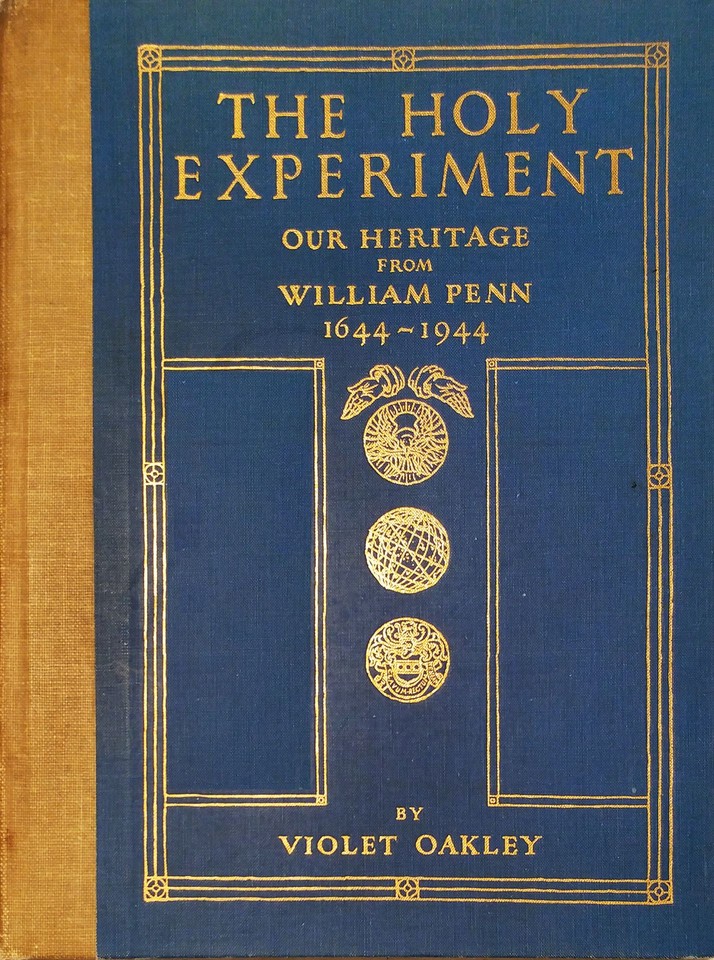
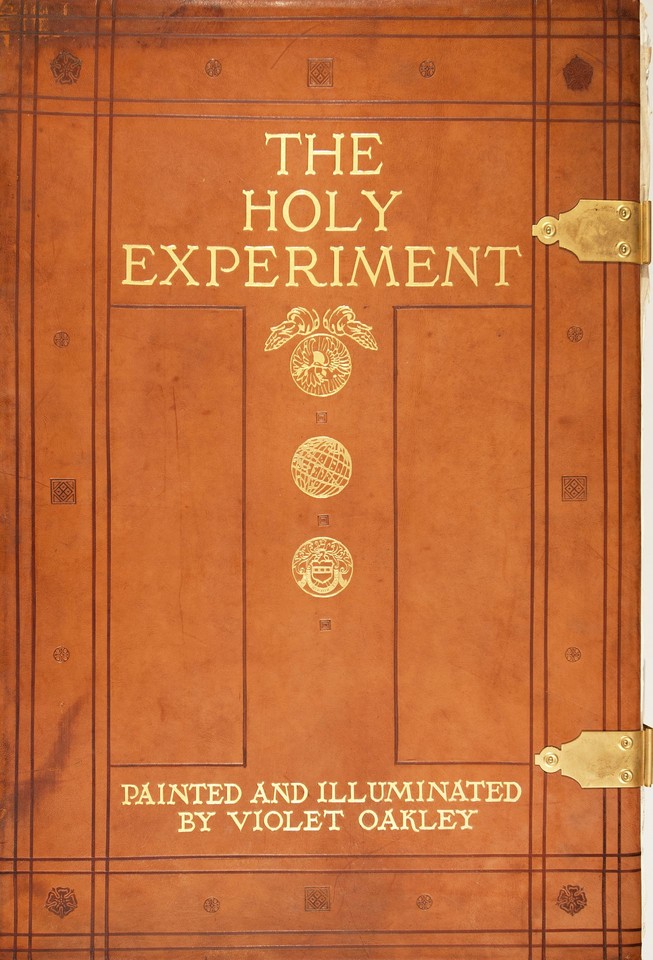
The term “Holy Experiment” conjures images of ambitious, idealistic undertakings, often with profound historical significance. In the annals of American history, this phrase is almost exclusively linked to William Penn’s founding of the Province of Pennsylvania in the late 17th century. Far more than a mere geographical acquisition, Penn’s vision was a radical attempt to create a society founded on principles of religious freedom, fair governance, and peaceful coexistence – a socio-economic blueprint designed to attract settlers and foster prosperity in an era often defined by conflict and exploitation. To understand “What Was The Holy Experiment” is to delve into a fascinating intersection of idealism, pragmatism, and the foundational economic principles that shaped a nascent nation.
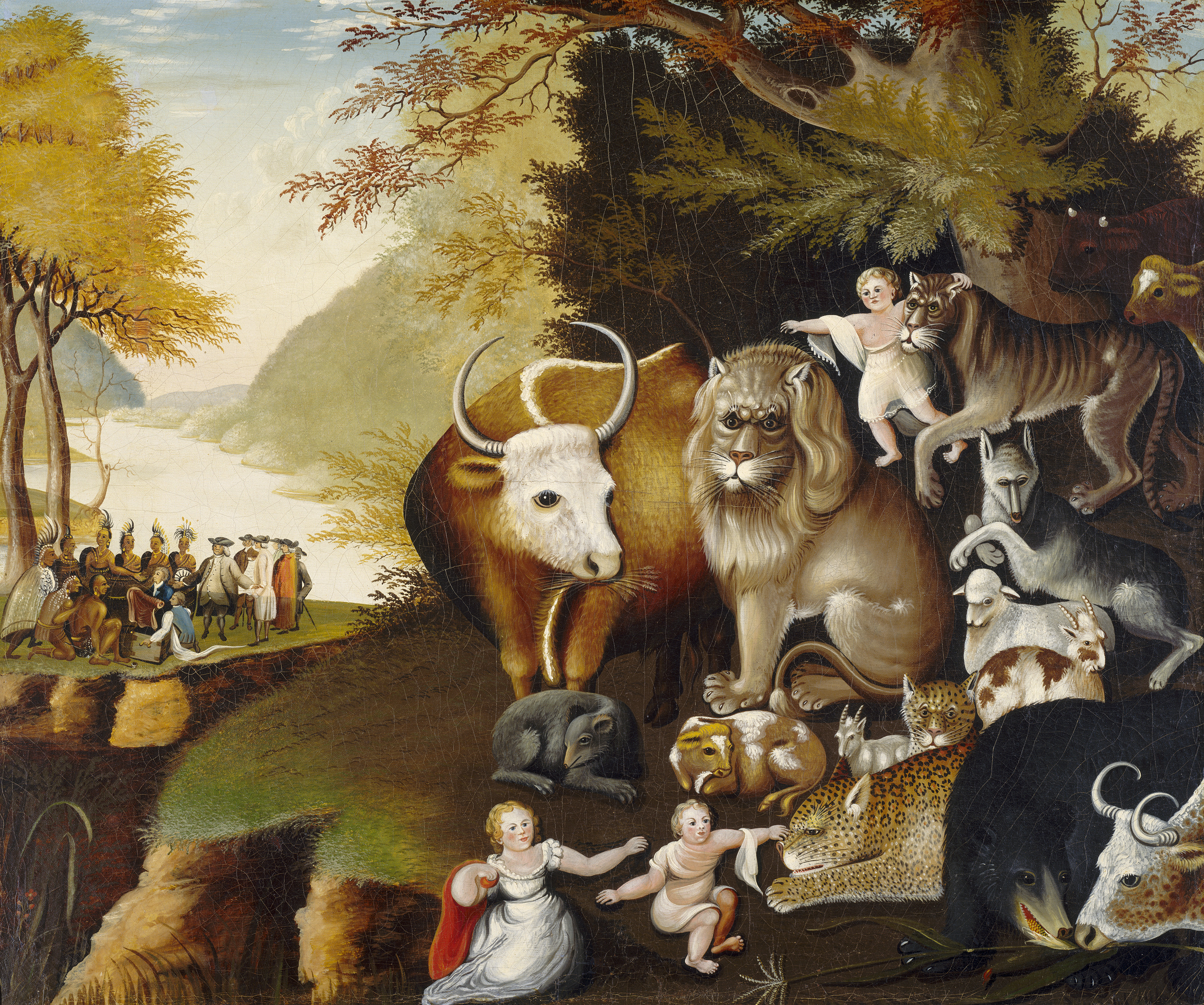
At its core, the Holy Experiment was an audacious venture in economic and social engineering. Penn, a Quaker, sought to establish a “Holy Commonwealth” where individuals could thrive both spiritually and financially, free from the persecutions and rigid class structures of Europe. This vision required a robust economic framework to sustain itself, attract migration, and generate wealth not just for its proprietors but for all its inhabitants. It was a pioneering effort to marry high-minded ideals with tangible financial success, making it an invaluable case study within the realm of colonial economics and early American finance.
Setting the Stage: A Radical Vision for Prosperity
The late 17th century was a turbulent period in Europe, marked by religious strife, political upheaval, and economic stagnation for many. Colonies in the New World offered a glimmer of hope, but often replicated the very inequalities and oppressions from which settlers fled. William Penn, granted a vast tract of land by King Charles II to repay a debt owed to his father, saw an unparalleled opportunity to transcend these patterns. His “Holy Experiment” was not just about establishing a new territory; it was about designing a new way of life that placed prosperity within reach for a broader spectrum of society.
The Context of Colonial Economics
Most colonial ventures of the era were driven primarily by extractive economic models: resource exploitation, mercantilist trade for the benefit of the mother country, and often, coercive labor practices. The West Indies thrived on sugar plantations worked by enslaved people, while other colonies focused on tobacco or furs, with land ownership often concentrated in the hands of a few elites. Economic opportunity, for the common person, was frequently limited, and social mobility was rare. This backdrop makes Penn’s approach particularly revolutionary. He understood that long-term prosperity and stability required more than just natural resources; it demanded a system that incentivized hard work, ensured fair access to opportunity, and protected individual economic freedoms.
William Penn’s Vision: Beyond Profit
Penn’s Quaker beliefs heavily influenced his economic philosophy. He rejected the prevailing ethos of unbridled self-interest, advocating instead for an economy rooted in justice, equity, and communal well-being. While Penn certainly aimed for Pennsylvania to be profitable – he was, after all, a proprietor with significant financial investment – his vision extended beyond mere personal enrichment. He envisioned a society where wealth would be generated through honest labor, fair exchange, and prudent management, and where the benefits of this prosperity would be widely shared. This was a radical departure from the norm, effectively positioning Pennsylvania as an early model of a socially conscious economy, even before such terms existed. He understood that a diverse and stable population, afforded economic freedom, would ultimately generate greater and more sustainable wealth than a system based on exploitation.
Financial Foundations of a Free Colony
The success of the Holy Experiment hinged on its ability to attract settlers and provide them with tangible economic opportunities. Penn meticulously crafted policies and structures designed to make Pennsylvania an economically appealing destination, distinct from its colonial counterparts.
Land Distribution and Economic Opportunity
One of the most critical aspects of Penn’s economic model was his revolutionary approach to land distribution. Unlike many colonies where land was held by the Crown or powerful proprietors and parceled out arbitrarily, Penn sought to make land accessible to ordinary settlers. He offered land at reasonable prices, either through direct purchase or quit-rents (annual payments), and ensured clear titles. This policy was a powerful magnet for immigrants, particularly those from land-scarce Europe. The prospect of owning one’s own farm or plot of land – a source of livelihood, security, and a pathway to generational wealth – was an irresistible draw. This widespread land ownership fostered a yeoman farmer class, a stable and motivated workforce that formed the bedrock of the colony’s agricultural economy. It democratized wealth creation and encouraged investment in the land, leading to rapid development and productivity.
Trade, Commerce, and Resource Management
Pennsylvania was blessed with fertile land, abundant timber, and access to navigable rivers, which Penn shrewdly leveraged. He encouraged diversification in agriculture, promoting not just staple crops but also livestock and crafts. Philadelphia, Penn’s planned city, was strategically located to become a bustling port, facilitating trade both with other colonies and with Europe. The colony quickly became a major exporter of wheat, flour, and livestock products, generating substantial revenue. Penn also understood the importance of infrastructure, investing in roads and mills, which further boosted commerce. His commitment to free trade, relatively unburdened by excessive tariffs or monopolies (compared to other colonies), created a vibrant mercantile environment. This approach fostered a dynamic economy where merchants, artisans, and farmers could all find avenues for growth and profit.
Attracting Capital and Settlers
The Holy Experiment was not just an ideological project; it was a large-scale demographic and financial attraction scheme. Penn actively marketed Pennsylvania throughout Europe, particularly in areas suffering from religious persecution and economic hardship. His “Description of Pennsylvania” pamphlets were essentially early marketing brochures, detailing the colony’s abundant resources, fair laws, and most importantly, the promise of economic opportunity and religious freedom. This generated a steady stream of skilled artisans, farmers, and even some wealthy merchants, who brought with them not just their labor but also their capital, further fueling the colony’s growth. The diversity of settlers – Quakers, Mennonites, Germans, Scots-Irish, and others – brought a wide array of skills, knowledge, and entrepreneurial spirit, creating a dynamic and resilient economy. The promise of a stable investment environment, where property rights were respected and the government was fair, made Pennsylvania an attractive destination for those looking to build wealth and secure their future.
Equitable Principles and Economic Stability
Beyond simply attracting settlers, Penn’s genius lay in understanding that long-term economic stability and prosperity were inextricably linked to social equity and just governance. The unique principles embedded in the Holy Experiment directly contributed to its financial success.
Religious Freedom and Its Economic Dividend
Perhaps the most renowned aspect of Penn’s vision was absolute religious freedom. While a moral imperative for Quakers, it also had profound economic implications. Unlike other colonies that favored specific denominations or persecuted dissenters, Pennsylvania welcomed all faiths. This policy drew a diverse array of immigrants—not just Quakers, but also Lutherans, Presbyterians, Catholics, Jews, and others—who were often fleeing persecution and economic stagnation in their homelands. These groups brought with them diverse skills, capital, and a strong work ethic, all of which contributed to Pennsylvania’s burgeoning economy. By creating an environment where individuals felt secure in their beliefs, Penn fostered a loyal and industrious populace dedicated to building a thriving society, directly translating into economic productivity and innovation. The “brain drain” from Europe became Pennsylvania’s economic gain.
Fair Dealings with Native Americans: A Long-Term Investment
Penn’s approach to Native American relations was another radical departure. He insisted on purchasing land from the Lenape (Delaware) people through treaties, rather than simply seizing it, and established fair trading practices. While not always perfectly maintained by subsequent generations, this initial policy of mutual respect reduced conflict and avoided the costly and disruptive Indian wars that plagued other colonies. From an economic perspective, peaceful relations meant resources could be directed towards productive endeavors rather than military defense. It ensured safer trade routes and allowed for uninterrupted agricultural and urban development. This “investment” in peace had a significant economic return, fostering a stable environment conducive to growth and preventing the immense financial drain and human cost associated with continuous warfare.
Governance and Fiscal Prudence
Penn’s “Frame of Government” for Pennsylvania was also designed with economic stability in mind. It established a representative assembly that gave settlers a voice in their governance, including taxation and economic policy. This democratic structure, coupled with Penn’s own commitment to fiscal prudence, fostered trust between the government and its people. Taxes were generally lower than in other colonies, and funds were used for public good, not the enrichment of a distant crown or a corrupt elite. This predictable and fair legal framework, which respected property rights and enforced contracts, was crucial for commerce and investment. A government perceived as just and stable encouraged settlers to invest their labor and capital with confidence, knowing their efforts and assets would be protected.
The Legacy of a Visionary Economic Model
The Holy Experiment, while facing its own challenges and evolving over time, left an indelible mark on the economic landscape of America, proving that a society founded on equitable principles could also be prosperous.
A Blueprint for Future Economic Development
Pennsylvania quickly became one of the wealthiest and most populous of the American colonies. Its economic success, built on diversified agriculture, thriving commerce, and a skilled populace, demonstrated that a model based on broad participation and fair dealings could outperform more extractive systems. The principles of widespread land ownership, religious freedom (and its economic benefits), and a stable, representative government became aspirational ideals for other colonies and later, for the United States itself. Penn’s experiment offered a tangible proof-of-concept for how to build a prosperous society from the ground up, influencing everything from land policy to immigration strategies in the developing nation. Philadelphia, the economic engine of Pennsylvania, became the largest city in British North America and a hub of innovation, finance, and intellectual discourse.
Challenges and Adaptations
No experiment is without its difficulties. Penn faced constant financial struggles himself, as the costs of establishing the colony often outstripped revenues, and he had disputes with his own agents. The ideals of the Holy Experiment were tested by increasing immigration, diverse interests, and the complexities of managing a rapidly growing territory. Later generations of Pennsylvanians did not always uphold the founder’s initial commitments, particularly regarding Native American relations. Yet, the foundational economic structures and legal framework Penn put in place proved resilient. The underlying principles of an open economy, broad opportunity, and responsive governance allowed the colony to adapt and continue its trajectory of growth, even as its original utopian purity faded.
Enduring Impact on American Finance and Society
The Holy Experiment’s contribution to American economic thought is profound. It laid early groundwork for understanding the relationship between human rights and economic productivity, demonstrating that social freedoms can be powerful engines for financial growth. It showcased the power of immigration as an economic catalyst and highlighted the importance of a just legal system for commerce and investment. The concept of widespread property ownership as a basis for a stable, prosperous middle class owes a significant debt to Penn’s vision. Even today, the echoes of the Holy Experiment can be found in debates about equitable access to resources, the economic benefits of diversity, and the role of government in fostering a fair and productive economy.
Conclusion: The Enduring Resonance of an Economic Ideal
“What Was The Holy Experiment?” was an ambitious economic, social, and political undertaking that reshaped the colonial landscape. William Penn’s vision for Pennsylvania was a bold departure from the norm, proving that a society founded on principles of justice, religious freedom, and widespread economic opportunity could not only survive but thrive. By making land accessible, fostering diverse commerce, and ensuring a stable, fair government, Penn created an economic powerhouse that became a model for future development. The Holy Experiment was a testament to the idea that deeply held ideals, when pragmatically applied, can lay the foundation for enduring financial prosperity and societal well-being, leaving a legacy that continues to resonate in modern discussions about economic justice and sustainable growth.
aViewFromTheCave is a participant in the Amazon Services LLC Associates Program, an affiliate advertising program designed to provide a means for sites to earn advertising fees by advertising and linking to Amazon.com. Amazon, the Amazon logo, AmazonSupply, and the AmazonSupply logo are trademarks of Amazon.com, Inc. or its affiliates. As an Amazon Associate we earn affiliate commissions from qualifying purchases.