
In an increasingly digitized world, the seemingly simple question of “what to do with an old driving licence” carries a surprisingly complex weight, particularly concerning technology and digital security. Far from being a mere relic of a past permit, an expired or replaced driving licence remains a potent repository of personal information that, if mishandled, can become a significant vulnerability in your digital life. As technology continues to reshape how we prove our identity, manage our data, and interact with official systems, understanding the technological implications of an old physical document is paramount. This article delves into the critical considerations for managing your old driving licence, focusing on digital security, evolving identity technologies, and best practices in an interconnected age.
The Overlooked Risk: Why Your Old Licence is a Digital Security Threat
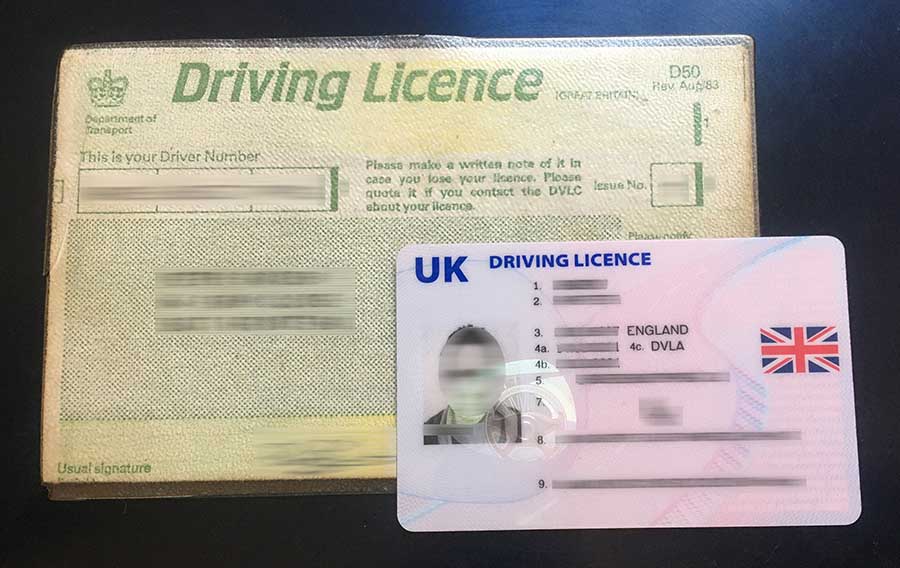
At first glance, an old, invalid driving licence might seem harmless – a piece of plastic or paper with expired dates. However, beneath its outdated facade lies a treasure trove of personal data that cybercriminals and identity thieves can exploit. In an era where data breaches are common and personal information is a valuable commodity, protecting every piece of your identity, even the “old” ones, is crucial. Your old licence contains your full name, date of birth, address, signature, and a unique identification number, all of which are key components of your digital identity.
The Anatomy of Identity Theft from Physical Documents
Identity theft often begins with seemingly innocuous pieces of information. A discarded old driving licence provides a substantial starting point. Thieves can use this data to impersonate you, open fraudulent accounts, apply for credit, or even access existing accounts by leveraging social engineering tactics that rely on correct personal details. With enough data points gleaned from a physical document, a determined fraudster can construct a surprisingly convincing digital persona. This physical data can be cross-referenced with information found through online searches, social media profiles, or public records, creating a comprehensive profile for malicious activities. The analogue nature of the document doesn’t diminish its digital threat; instead, it often serves as the foundational key to unlocking your digital life.
Linking Physical Data to Your Digital Persona
The information on your old driving licence is not isolated; it’s intrinsically linked to your digital footprint. Your name and date of birth are likely connected to your online banking, social media, and various service accounts. Your address is tied to utility bills, subscriptions, and financial statements. Even your licence number, while not always publicly visible, can be used in specific contexts for verification, potentially enabling a scammer to bypass security questions or gain access to systems where this detail is used as a credential. The danger lies in the ability of sophisticated attackers to bridge the gap between physical and digital data, using one to compromise the other. What was once a secure, physical identifier now serves as a potential gateway to your entire digital ecosystem.
The Rise of Sophisticated Scams
Modern identity theft isn’t just about opening a new credit card in your name. It encompasses a spectrum of sophisticated scams, from SIM-swapping attacks (where your phone number is hijacked) to deepfake voice impersonations, all of which can be initiated or aided by having access to your core identity data. An old licence, particularly one that might be slightly damaged or faded, could even be used as a template for forging other documents, further complicating the issue. The digital tools available to criminals have evolved, making it easier for them to extract, verify, and exploit personal information from physical documents, amplifying the need for vigilant disposal and management.
Best Practices for Secure Disposal: Safeguarding Your Digital Identity
Given the risks, simply tossing an old driving licence in the bin is akin to leaving your front door unlocked. Secure disposal is paramount, transforming a potential vulnerability into a harmless piece of plastic. The goal is to render the personal data unreadable and unrecoverable, ensuring that the physical item cannot be used to compromise your digital identity.
Physical Shredding: The First Line of Defence
The most effective method for disposing of an old physical driving licence is thorough shredding. While a standard paper shredder might suffice for the plastic card, for older laminated paper licences, a cross-cut or micro-cut shredder is highly recommended. These devices cut documents into tiny, indecipherable fragments, making it virtually impossible to reconstruct the original data. Ensure that all key pieces of information – your name, address, date of birth, licence number, and photograph – are completely destroyed. If you don’t have access to a suitable shredder, consider using strong scissors to meticulously cut the card into numerous pieces, paying special attention to the areas containing sensitive information. The principle is simple: if a human or a machine cannot easily read the data, it cannot be exploited.
Digital De-linking: Updating Your Records
While physically destroying the card is crucial, it’s also important to consider the “digital de-linking.” When you receive a new licence, ensure that all relevant official bodies and service providers are updated with your new licence details, especially if the licence number changes. This might include your insurance provider, employers, or any institutions that use your driving licence as a form of primary identification. While the old physical licence is gone, ensuring that online systems reflect your current, valid identification helps reinforce your digital security posture, preventing potential confusion or exploitation should the old number inadvertently surface in an insecure database. Regularly reviewing your online accounts and updating identification details helps maintain a clean and current digital footprint.
Secure Recycling and E-Waste Considerations
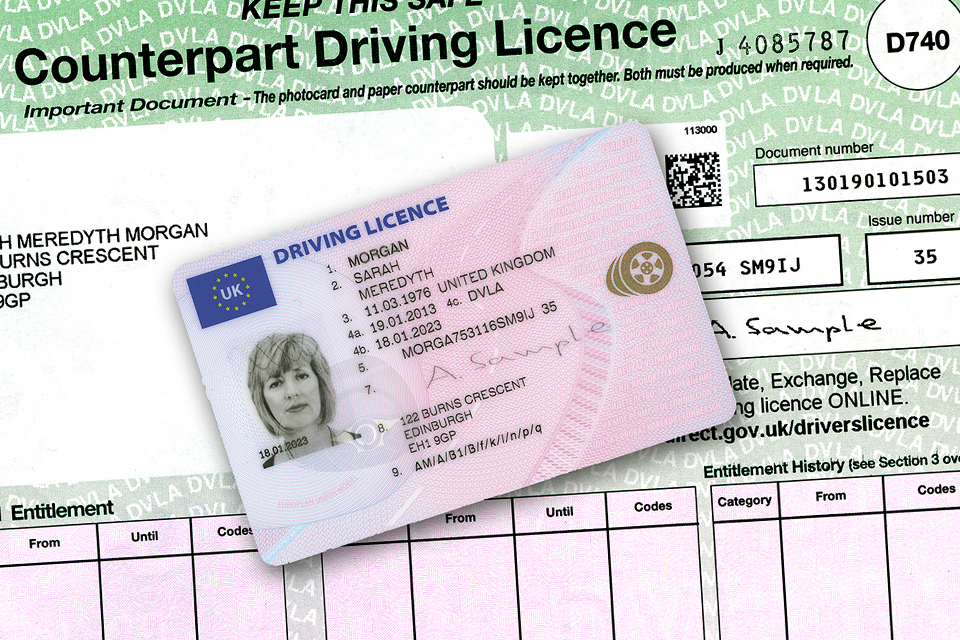
Modern driving licences are often made of polycarbonate or other durable plastics, sometimes embedded with microchips or holographic security features. If your old licence has such electronic components, simply shredding might not be enough, as some data could theoretically be recovered from a chip, though this is a more advanced threat. For such cases, consider taking the remnants to an e-waste recycling facility that specializes in secure data destruction. These facilities use methods like industrial shredders or degaussing to ensure that any embedded electronic data is irrevocably destroyed. While this might seem extreme for a driving licence, it aligns with best practices for comprehensive digital security, acknowledging the increasing complexity of identity documents.
The Future is Digital: How Licences are Evolving Beyond Plastic
The discussion around old physical licences naturally leads to the future of identity: digital driving licences. As technology advances, many jurisdictions are moving towards digital credentials, offering both convenience and enhanced security features. This shift fundamentally alters what it means to “do with” a driving licence, as the physical artifact might become less central to identity verification.
Digital Driving Licences: Convenience Meets Security
Digital driving licences, accessible via smartphone apps, are designed to integrate seamlessly into our tech-driven lives. These applications often incorporate advanced cryptographic security features, biometric authentication (such as fingerprint or facial recognition), and real-time validation capabilities. Instead of presenting a physical card, users can display a dynamic, verifiable digital version, which can update instantly, reducing the risk of using an outdated or fraudulent document. The security is often enhanced by features like encrypted data storage, anti-screenshot technology, and a verifiable “live” status that changes colour or animation, making it difficult to forge or tamper with. This not only simplifies verification for law enforcement or businesses but also provides a more secure way to carry and present identity information.
Blockchain and Decentralized Identity: A Glimpse into Tomorrow
Beyond current digital licences, the horizon reveals even more sophisticated identity solutions. Blockchain technology and decentralized identity (DID) frameworks promise to revolutionize how we own and control our personal data. With DIDs, individuals would have greater control over their verifiable credentials, including a digital driving licence, storing them securely on a decentralized ledger. This approach aims to minimize the risk of a single point of failure (like a central database being breached) and empower individuals to selectively share only the necessary attributes of their identity, rather than the entire document. For instance, an app could verify you are over 21 without revealing your exact birthdate. This paradigm shift could render the concept of an “old driving licence” obsolete, as credentials would be dynamically managed and updated in real-time within a secure, user-controlled digital wallet.
Implications for Data Privacy and Control
The evolution towards digital and decentralized identities has profound implications for data privacy and control. With physical documents, privacy breaches often occur through physical loss or theft. In the digital realm, the risks shift to cyberattacks, data misuse, and surveillance. However, the promise of DIDs and blockchain lies in their potential to enhance user control, allowing individuals to grant or revoke access to their identity data with granular precision. This puts the user at the centre of their identity management, moving away from systems where third parties hold and control sensitive information. As these technologies mature, the way we “do with” our identity documents will be less about physical disposal and more about managing digital access and permissions.
Tech-Enabled Renewal: Navigating the Modern Administrative Landscape
The process of renewing a driving licence has also seen significant technological advancements, moving from purely in-person, paper-based applications to efficient online portals and digital submissions. Understanding these tech-enabled processes is crucial for ensuring a smooth transition to your new, valid identification.
Online Portals and Digital Submissions
Many government agencies now offer comprehensive online portals for driving licence renewal. These platforms allow applicants to submit forms, upload required documents (such as proof of residency or previous licence scans), and pay fees digitally. This streamlines the process, reduces wait times, and often provides real-time updates on application status. The use of secure portals, encrypted data transmission, and multi-factor authentication ensures that your personal information is protected during the submission process. Familiarizing yourself with these digital services can save time and effort, making the renewal process far more convenient than traditional methods.
Biometric Verification and Enhanced Security
To combat fraud and enhance security, some jurisdictions are integrating biometric verification into the licence renewal process. This might involve submitting a selfie for facial recognition comparison against existing records or providing fingerprint scans at designated service centres. These technologies add an extra layer of assurance that the person applying for the licence is indeed who they claim to be, significantly reducing the risk of identity fraud. While concerns around privacy and data storage of biometric information exist, the technology is implemented with increasingly robust security protocols designed to protect this highly sensitive data.
Managing Digital Proof of Identity
As digital licences become more prevalent, the concept of “managing digital proof of identity” will become a standard practice. This involves not just having the app on your phone but also understanding how to securely display it, how to protect your device from unauthorized access, and how to update your digital credentials. It also entails being aware of phishing attempts or malicious apps that mimic official digital identity providers. The shift means that managing your identity is no longer just about carrying a physical card but about actively securing and interacting with its digital counterpart, making cybersecurity vigilance an integral part of identity management.
In conclusion, an old driving licence is more than just an expired piece of plastic; it’s a critical component of your personal data security in the digital age. From the risks of identity theft to the promise of decentralized digital identities, technology profoundly shapes how we manage, protect, and dispose of our identification documents. By embracing secure disposal practices, understanding the evolving landscape of digital identity, and leveraging tech-enabled renewal processes, you can transform a potential vulnerability into a fortified aspect of your digital security posture, ensuring your past identity doesn’t compromise your digital future.
aViewFromTheCave is a participant in the Amazon Services LLC Associates Program, an affiliate advertising program designed to provide a means for sites to earn advertising fees by advertising and linking to Amazon.com. Amazon, the Amazon logo, AmazonSupply, and the AmazonSupply logo are trademarks of Amazon.com, Inc. or its affiliates. As an Amazon Associate we earn affiliate commissions from qualifying purchases.