
In an increasingly connected world, the petition has evolved from a physical scroll gathering signatures to a potent digital tool, capable of mobilizing communities and swaying public opinion overnight. For brands, understanding “what to do with a petition” is no longer a peripheral concern but a critical aspect of brand strategy, reputation management, and effective public engagement. Whether you’re considering launching a petition to champion a cause aligned with your brand values or find your organization targeted by one, a strategic, insightful, and professionally executed approach is paramount. This article delves into the multifaceted role of petitions in the branding landscape, offering guidance on leveraging their power for positive impact and navigating potential challenges.
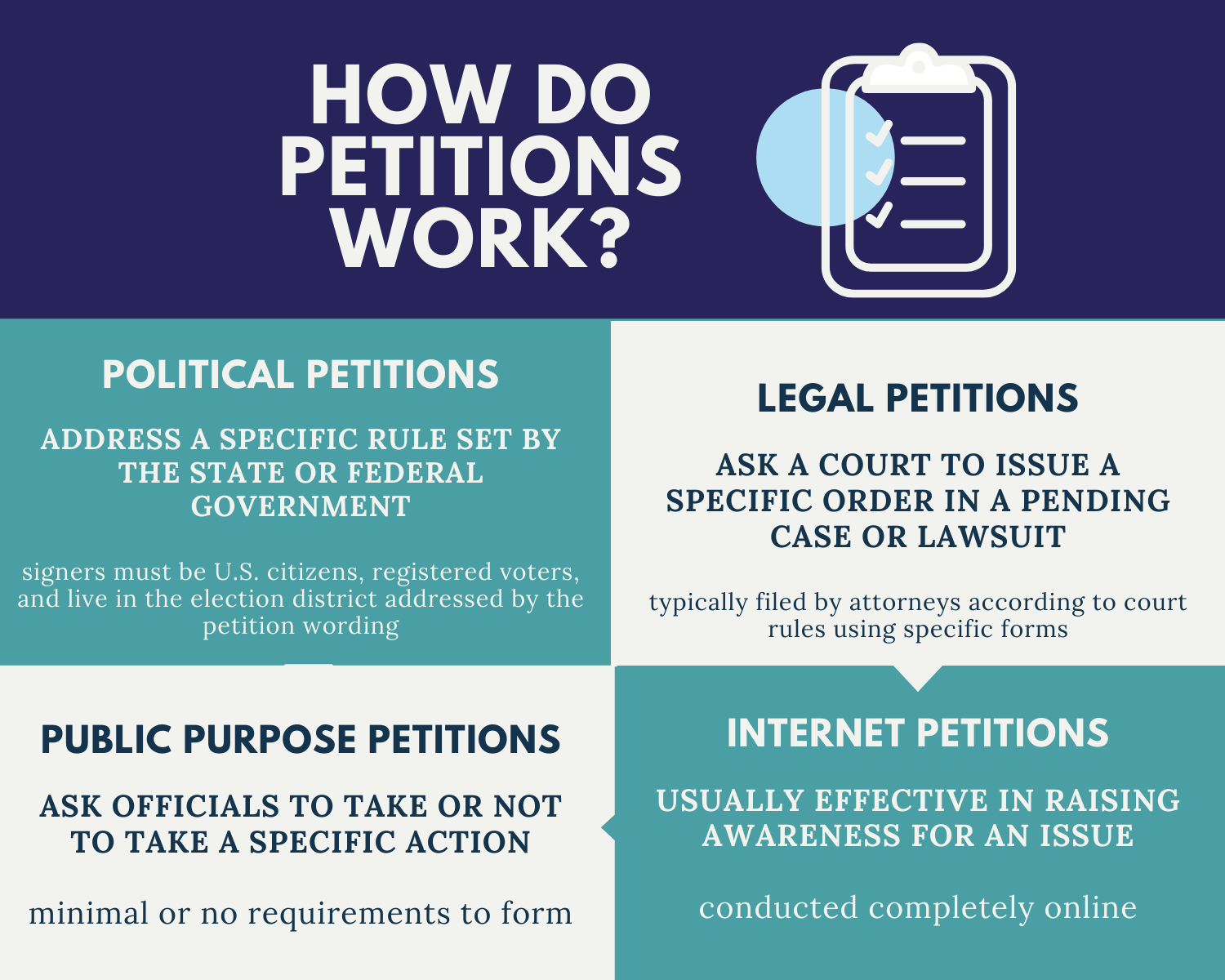
Understanding Petitions as a Branding Tool
At its core, a petition is a formal request, often signed by many people, appealing to an authority or organization regarding a particular cause. In the context of branding, petitions serve as powerful instruments for both advocacy and accountability. They can be a mirror reflecting public sentiment, a megaphone amplifying specific viewpoints, or a lever initiating change.
The Dual Nature: Advocacy and Accountability
From a brand perspective, petitions embody a dual nature. On one hand, they are formidable advocacy tools. Brands, or individuals representing brands, can initiate petitions to:
- Champion social causes that align with their corporate social responsibility (CSR) initiatives, thereby enhancing their brand image and demonstrating purpose.
- Influence policy decisions that impact their industry, market, or operational environment, showcasing thought leadership and proactive engagement.
- Gather support for new product launches, innovative services, or community projects, fostering a sense of shared ownership and excitement among consumers.
On the other hand, petitions are also potent instruments of accountability. Brands often find themselves on the receiving end of petitions that:
- Challenge ethical practices, such as labor conditions, environmental impact, or data privacy policies, demanding transparency and corrective action.
- Criticize product quality or customer service, serving as a collective complaint that can quickly escalate into a full-blown brand crisis.
- Advocate for consumer rights or specific market changes, forcing brands to reassess their strategies and potentially adapt their offerings.
Navigating this duality requires a sophisticated understanding of public sentiment, communication strategies, and the potential ripple effects on brand perception and loyalty.
Petitions in the Digital Age: Amplifying Brand Voice and Public Sentiment
The rise of digital platforms like Change.org, Avaaz, and 38 Degrees has democratized the petition process, significantly lowering barriers to entry for both creators and signees. This digital transformation has profound implications for branding:
- Rapid Virality: A compelling petition can go viral in hours, reaching millions globally and quickly shaping public discourse around a brand or issue.
- Direct Engagement: Digital petitions provide a direct channel for individuals to express their views and connect with causes, fostering a sense of community and collective action.
- Data Insights: Modern petition platforms often provide analytics on signee demographics, geographic distribution, and engagement rates, offering valuable insights into public sentiment and stakeholder mapping.
For brands, this means that public sentiment is more visible and vocal than ever before. It necessitates a proactive approach to monitoring online conversations and an agile strategy for engagement. Ignoring a growing online petition can be far more detrimental than addressing it strategically.
Identifying Your “Petition Purpose”: From Cause Marketing to Reputation Management
Before launching or responding to a petition, brands must clearly define their “petition purpose.” This involves understanding the strategic objective behind the engagement:
- For initiating brands: Is it to drive cause marketing, where the petition acts as a vehicle to align your brand with a social issue and attract purpose-driven consumers? Is it to conduct advocacy marketing, influencing legislative or corporate changes that benefit your brand or industry? Or is it simply to foster community building and engagement around shared values?
- For targeted brands: Is the immediate goal crisis management, mitigating negative sentiment and preventing further brand damage? Is it reputation management, addressing specific criticisms to restore trust and credibility? Or is it a strategic opportunity for brand evolution, demonstrating adaptability and responsiveness to consumer demands?
Clearly defining this purpose will dictate the strategy, messaging, and expected outcomes, ensuring that any action taken with a petition is a deliberate step in your overall brand narrative.
Leveraging Petitions for Proactive Brand Building and Advocacy
When a brand decides to initiate a petition, it must be viewed as a significant strategic undertaking. It’s an opportunity to solidify brand identity, demonstrate leadership, and cultivate a loyal community around shared values.
Crafting a Compelling Narrative: Aligning Petitions with Brand Values
A successful brand-led petition begins with a powerful and authentic narrative. This story must:
- Clearly articulate the problem: What issue are you addressing, and why is it important?
- Propose a viable solution: What specific action are you asking for, and who is the target of your petition?
- Connect to your brand’s core values: How does this cause resonate with your brand’s mission, vision, and ethical commitments? Authenticity is key; consumers are quick to detect tokenism.
- Evoke emotion and inspire action: Use relatable language, compelling data, and human stories to motivate signees.
For example, an outdoor gear brand might launch a petition advocating for the protection of national parks, aligning directly with its brand image of sustainability and adventure. The narrative would focus on the ecological impact and the brand’s commitment to preserving natural spaces for future generations.
Mobilizing Your Community: Turning Signatures into Brand Advocates
The real power of a petition lies not just in the number of signatures but in the engagement of those signees. Brands should view every signatory as a potential brand advocate.
- Utilize your existing channels: Promote the petition across all brand touchpoints—website, social media, email newsletters, in-store signage, and even product packaging.
- Empower sharing: Provide easy-to-use sharing tools and pre-written social media posts to encourage signees to spread the word within their networks.
- Foster dialogue: Create platforms for signees to discuss the issue, share their personal stories, and feel part of a larger movement. This can be through dedicated forums, social media groups, or interactive content.
- Follow-up and update: Regularly update signees on the petition’s progress, celebrate milestones, and communicate any actions taken by the target authority. This keeps the community engaged and reinforces the brand’s commitment to the cause.
Transforming a signee into an advocate strengthens brand loyalty, as individuals feel they are part of a brand that stands for something meaningful.
Strategic Partnerships: Expanding Reach and Credibility
To maximize impact, brands should consider strategic partnerships for their petitions. Collaborating with non-profits, NGOs, industry associations, or even complementary brands can:
- Broaden your audience: Access new segments of passionate individuals who might not typically engage with your brand directly.
- Enhance credibility: A joint petition with a respected advocacy group can lend significant weight and legitimacy to your cause.
- Share resources: Partners can contribute to promotion, data analysis, and even direct lobbying efforts, amplifying the overall impact.
Careful selection of partners is crucial, ensuring their values align with your brand to avoid any reputational risks.
Measuring Impact: Demonstrating Brand Commitment and Influence

Measuring the success of a petition goes beyond just counting signatures. Brands need to assess its impact on their brand perception and the broader cause.
- Quantitative Metrics: Track signature count, geographic reach, media mentions, website traffic driven by the petition, and social media engagement (shares, comments).
- Qualitative Metrics: Monitor sentiment shifts around your brand and the issue. Conduct surveys or focus groups to understand how the petition has influenced consumer perception of your brand’s values and commitment.
- Achieved Outcomes: Did the petition result in the desired change (e.g., policy adjustment, corporate action)? Even if the ultimate goal isn’t immediately met, a significant petition can still be a powerful demonstration of brand influence and public support.
Transparently communicating the petition’s impact, regardless of the outcome, reinforces your brand’s authenticity and dedication to its stated values.
Responding to Petitions: Protecting and Nurturing Your Brand Reputation
Being the target of a petition can be a challenging experience, but it also presents a crucial opportunity for brand growth and demonstrating responsiveness. A mishandled response can quickly escalate into a brand crisis, while a thoughtful one can reinforce trust and even win over critics.
Initial Assessment: Decoding the Petition’s Intent and Reach
The first step is not to react, but to assess.
- Understand the core grievance: What specifically is the petition asking for? Is it a call for a change in policy, a product recall, an apology, or a shift in corporate behavior?
- Evaluate its legitimacy and reach: Who initiated the petition? Is it a well-established advocacy group, a competitor, or an individual? How many signatures does it have, and where are they coming from (demographics, geography)? What is its media footprint (news coverage, social media trends)?
- Assess potential impact: How could this petition affect your sales, stock price, employee morale, stakeholder relations, and long-term brand reputation?
This initial intelligence gathering is vital for formulating an appropriate and proportionate response. A small, unorganized petition might require a different approach than a large, well-orchestrated campaign backed by a powerful NGO.
Developing a Cohesive Response Strategy: Transparency, Empathy, and Action
Once assessed, a clear strategy is needed.
- Internal Alignment: Ensure all relevant departments (PR, legal, marketing, operations, customer service) are aware of the petition and aligned on the response strategy. Consistency is paramount.
- Transparency: Be honest about the situation. If there’s an issue, acknowledge it. Avoid defensiveness or blame-shifting, which can further erode trust.
- Empathy: Acknowledge the concerns of the petitioners and express understanding for their passion. Even if you disagree with their premise, validate their right to express their views.
- Commitment to Action (where appropriate): If the petition highlights legitimate concerns, outline specific, actionable steps your brand will take to address them. This might involve reviewing policies, initiating investigations, making changes to products or services, or engaging in dialogue with stakeholders. If the petition’s demands are not feasible or based on misinformation, clearly and respectfully explain why.
- Define your “red lines”: Identify non-negotiable aspects that your brand cannot concede, and be prepared to defend them ethically and transparently.
The strategy should aim to de-escalate tension, restore trust, and protect the brand’s integrity.
Communicating Effectively: Channels, Tone, and Timing
The “how” and “when” of communication are just as important as the “what.”
- Choose appropriate channels: If the petition is primarily online, an online response (e.g., official statement on your website, social media posts, direct engagement with influencers) is crucial. For broader impact, consider press releases or media appearances.
- Maintain a professional and calm tone: Even under pressure, avoid emotional or aggressive language. A measured, respectful tone reinforces your brand’s maturity and professionalism.
- Timeliness: Respond promptly but thoughtfully. A delayed response can be perceived as indifference or an attempt to hide information, allowing negative narratives to solidify. However, a rushed, ill-conceived response can do more harm than good.
- Consistent Messaging: Ensure all communications across different channels convey the same core message and adhere to the agreed-upon strategy.
Consider creating a dedicated FAQ section on your website or a blog post to address common questions raised by the petition, providing a single source of truth.
Learning and Adapting: Turning Criticism into Brand Growth
A petition, even a critical one, can be a valuable source of feedback.
- Conduct a post-mortem: After the immediate response, analyze what led to the petition, how your brand responded, and what the outcomes were.
- Identify systemic issues: Does the petition highlight a fundamental flaw in your operations, product, or communication? Use this as an opportunity for internal review and improvement.
- Demonstrate evolution: Communicate to your audience how your brand is learning and adapting based on feedback, including that from petitions. This commitment to continuous improvement can turn a negative into a powerful testament to your brand’s resilience and customer-centricity.
Brands that are open to criticism and demonstrate a willingness to change often emerge stronger and more respected in the long run.
The Ethics of Petitions and Brand Responsibility
The power of petitions comes with ethical considerations for both those who initiate them and those who respond. Maintaining integrity is crucial for long-term brand health.
Ensuring Authenticity and Avoiding “Slacktivism”
When initiating a petition, brands must ensure their efforts are genuine and not merely performative. “Slacktivism”—where individuals support a cause with minimal effort, often for self-promotion—can devalue the sincerity of a brand’s efforts.
- Back petitions with real action: A petition should be part of a broader strategy that includes tangible commitments, resources, and follow-through.
- Educate and empower: Use petitions not just to collect signatures, but to educate your audience about complex issues and empower them to take further action beyond signing.
- Be transparent about goals: Clearly state what you aim to achieve and how signatures will contribute to that goal.
Brands that genuinely engage with causes build deeper connections with their audience, reinforcing trust and authenticity.
Navigating Controversy: When to Engage, When to Draw a Line
Being targeted by a petition can sometimes involve navigating controversial topics or unreasonable demands.
- Maintain brand integrity: While responsiveness is vital, brands must not compromise their core values or ethical principles in the face of pressure.
- Distinguish between valid criticism and malicious attacks: Not all petitions are created equal. Some may be based on misinformation, competitive attacks, or highly niche grievances that do not represent broader sentiment. A brand must discern when to engage and when to respectfully stand its ground.
- Seek legal and PR counsel: In complex or highly sensitive cases, consulting legal and public relations experts is essential to navigate potential pitfalls and craft an appropriate response.
A brand’s strength is often tested in moments of controversy, and a principled stand, even when unpopular with a segment, can reinforce its identity.
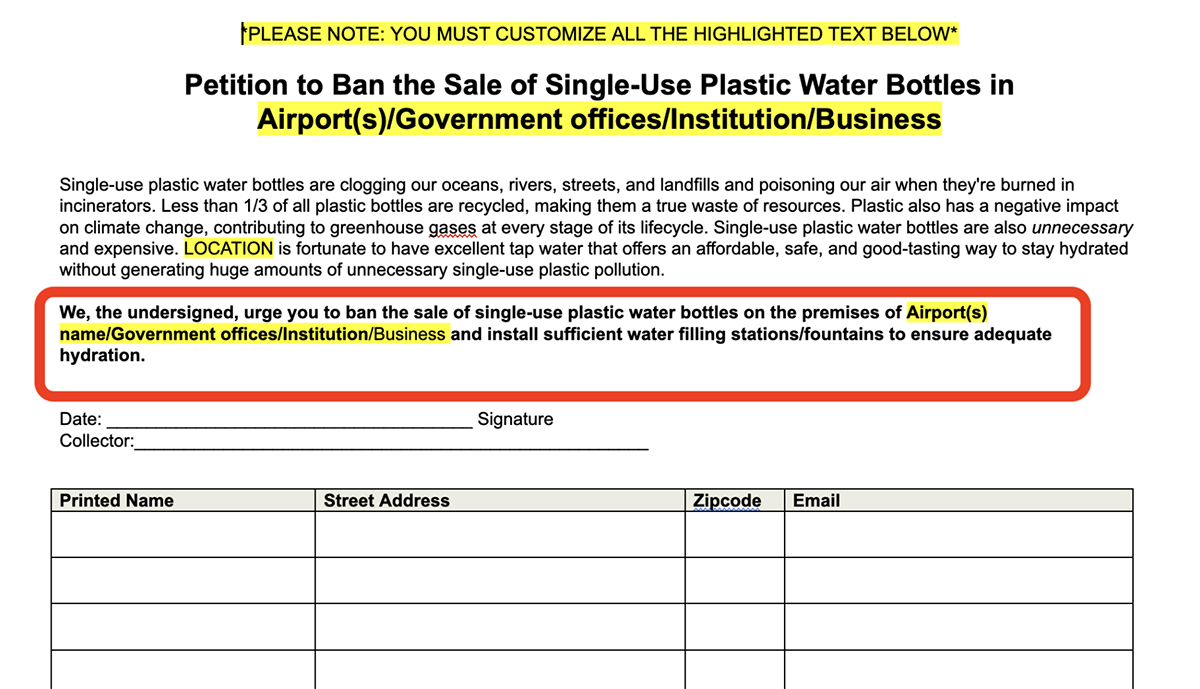
Long-Term Brand Resilience: Building Trust Beyond the Petition Cycle
Ultimately, how a brand handles petitions contributes to its long-term resilience and the depth of trust it builds with its stakeholders.
- Cultivate a culture of listening: Brands that consistently listen to their customers, employees, and the broader community are less likely to be surprised by petitions and better equipped to address concerns proactively.
- Invest in transparent communication: Ongoing transparent communication about brand practices, CSR initiatives, and challenges can preempt many grievances that might otherwise lead to petitions.
- Be a responsible corporate citizen: Consistently upholding ethical standards, being environmentally conscious, and contributing positively to society are the best defenses against negative petitions and the strongest foundations for positive advocacy.
In conclusion, petitions are powerful communication tools that can significantly influence brand perception, drive advocacy, and hold organizations accountable. By strategically understanding their purpose, proactively leveraging their potential, thoughtfully responding to challenges, and upholding ethical standards, brands can transform petitions from potential threats into valuable opportunities for growth, enhanced reputation, and deeper engagement with their communities.
aViewFromTheCave is a participant in the Amazon Services LLC Associates Program, an affiliate advertising program designed to provide a means for sites to earn advertising fees by advertising and linking to Amazon.com. Amazon, the Amazon logo, AmazonSupply, and the AmazonSupply logo are trademarks of Amazon.com, Inc. or its affiliates. As an Amazon Associate we earn affiliate commissions from qualifying purchases.