
Low water pressure is more than just a minor inconvenience; it can disrupt daily routines, from frustratingly weak showers to inefficient appliance operation, and even signal underlying issues within your home’s plumbing system. For decades, troubleshooting this problem relied on traditional plumbing knowledge and manual diagnostics. However, in the age of smart homes and interconnected living, technology offers sophisticated, proactive, and often automated solutions that go far beyond a simple wrench-and-pipe approach. This article delves into how modern tech—ranging from IoT devices and AI-driven analytics to advanced gadgets and intuitive software—is revolutionizing the way homeowners identify, address, and prevent low water pressure, transforming a common nuisance into an opportunity for smarter home management.
Diagnosing Low Water Pressure with Smart Tools
The first step in solving any problem is accurate diagnosis. Traditionally, pinpointing the cause of low water pressure involved a series of manual checks, often requiring a professional plumber. Today, an array of smart devices and digital systems are equipping homeowners with unprecedented diagnostic capabilities, turning guesswork into data-driven insights. These tools not only identify the problem but can also often provide context and suggest potential solutions.
Leveraging IoT for Leak Detection and Pressure Monitoring
The Internet of Things (IoT) has brought a new level of granularity and automation to home maintenance. For water pressure issues, IoT devices are invaluable, providing real-time data and alerts that prevent small problems from escalating.
- Smart Water Flow and Pressure Sensors: These discreet devices are installed either at the main water inlet or strategic points throughout your home’s plumbing. They continuously monitor water flow rates and pressure levels, transmitting data to a central hub or a smartphone app. A sudden drop in pressure or an unusual increase in flow can instantly trigger an alert, indicating potential issues like a burst pipe, a significant leak, or a problem with the municipal supply. Advanced sensors can differentiate between normal high-flow events (like filling a bathtub) and anomalous flow, minimizing false alarms.
- Acoustic Leak Detectors: Leveraging advanced sound analysis, these devices can listen for the subtle sounds of water leaks within walls, under floors, or underground. Some sophisticated systems integrate multiple sensors to triangulate the exact location of a leak, saving homeowners from disruptive and costly exploratory demolition. Coupled with pressure monitoring, an unexplained pressure drop combined with acoustic evidence of a leak provides conclusive diagnostic information.
- Smart Water Meters: Beyond utility-provided smart meters, aftermarket options can offer deeper insights. These devices track water consumption down to the minute, identifying unusual usage patterns that might indicate a running toilet, a dripping faucet, or a slow leak. They can also integrate with other smart home systems, allowing for comprehensive data analysis. By understanding usage patterns, you can correlate pressure drops with peak demand periods or identify system inefficiencies.
- Wireless Pressure Gauges: While traditional pressure gauges require manual checks, wireless versions transmit data directly to your smartphone or smart home hub. This allows for continuous monitoring and historical data logging, making it easier to spot intermittent pressure drops or trends over time that might indicate a failing pressure regulator or sediment buildup.
The Role of AI in Predictive Maintenance
Beyond simply reporting current conditions, artificial intelligence (AI) is transforming diagnostics into predictive maintenance. AI algorithms analyze the vast amounts of data collected by IoT sensors to identify patterns and anomalies that human observation might miss.
- Pattern Recognition for Anomaly Detection: AI can learn your home’s normal water usage and pressure fluctuations. It understands that morning showers bring a temporary dip in pressure, but a sustained drop at an unusual time, or a series of micro-leaks that add up over time, are indicative of a problem. AI models can spot these subtle deviations from the norm, flagging potential issues before they become critical.
- Predicting Component Failure: By analyzing historical data from pressure regulators, water heaters, and pumps, AI can predict the likely lifespan and potential failure points of these components. For example, a gradual, consistent decline in pressure over several months, paired with data on the age and model of your pressure regulator, could trigger an AI-generated alert recommending pre-emptive replacement. This proactive approach saves homeowners from unexpected plumbing emergencies and the associated stress and cost.
- Optimizing System Performance: AI can also suggest optimizations. If your pressure drops during specific times of day, AI might analyze external factors (like neighborhood-wide water usage data, if accessible) and suggest adjustments to your smart booster pump schedule or recommend checking for municipal pressure issues. This not only solves the immediate problem but enhances the overall efficiency and responsiveness of your water system.
Enhancing Water Pressure Through Advanced Gadgets
Once diagnosed, solving low water pressure often involves physical interventions. Here, too, technology has introduced a new generation of smart gadgets and integrated systems designed to actively boost and regulate water flow, ensuring a consistent and robust supply throughout your home. These aren’t just powerful versions of old devices; they are often smarter, more efficient, and seamlessly integrated into the smart home ecosystem.
Smart Water Booster Pumps and Systems
Traditional water booster pumps are often noisy, energy-inefficient, and provide a fixed boost regardless of demand. Smart booster pumps, however, offer a refined solution, adapting to your home’s needs while conserving energy.
- Variable Speed Technology: Unlike older pumps that run at a single speed, smart booster pumps feature variable speed motors. They can detect the real-time water demand in your home and adjust their power output accordingly. If only one faucet is running, the pump provides a minimal boost; if multiple showers and appliances are active, it ramps up to deliver optimal pressure. This not only ensures consistent pressure but also significantly reduces energy consumption and wear and tear on the pump.
- Integration with Smart Home Ecosystems: Many modern booster pumps can connect to your Wi-Fi network and integrate with popular smart home platforms (e.g., Apple HomeKit, Google Home, Amazon Alexa). This allows for remote monitoring and control via smartphone apps. You can check the pump’s status, adjust pressure settings, and even schedule operational times from anywhere. This integration also allows the pump to communicate with other smart devices, such as leak detectors, to shut off water in case of an emergency.
- Silent and Compact Designs: Contemporary smart booster pumps are often designed with noise reduction in mind, featuring advanced insulation and motor technologies. Their compact footprints also make them easier to install in space-constrained utility areas, blending seamlessly into modern home designs.
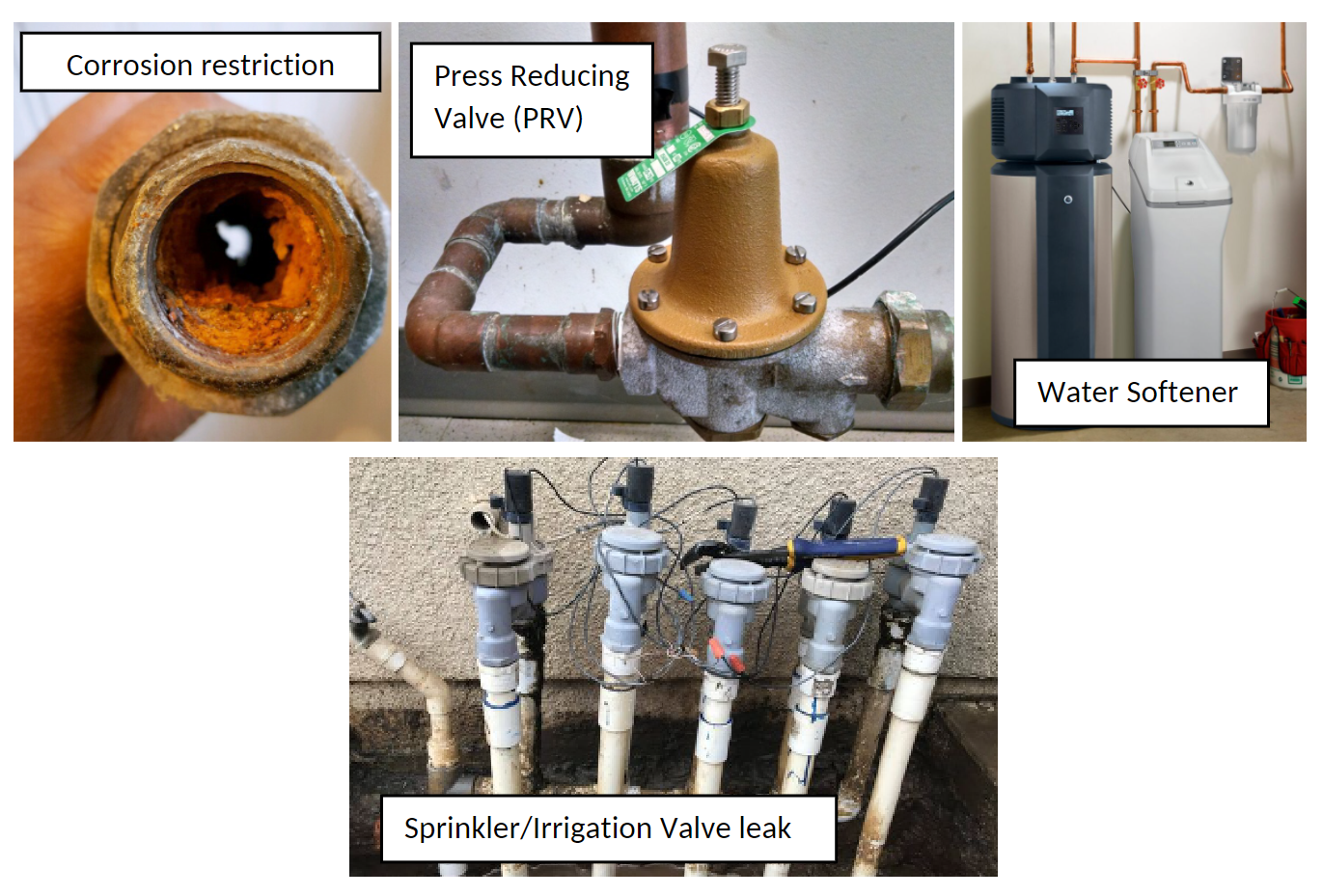
- Pressure Regulators with Digital Control: Beyond just pumps, smart pressure regulating valves (PRVs) offer precise digital control over your incoming water pressure. These devices can be programmed via an app to maintain a specific pressure level, adjusting dynamically to fluctuations in the municipal supply. Some even log historical pressure data, helping identify issues with the external water grid.
Whole-House Water Management Systems
For a truly comprehensive approach, whole-house water management systems integrate multiple technologies to oversee every aspect of your home’s water supply, from entry point to various fixtures.
- Integrated Monitoring and Control Hubs: These central hubs serve as the brain of your home’s water system. They collect data from all connected sensors (pressure, flow, temperature, leak detectors) and manage devices like booster pumps, water softeners, and filters. Through a single interface, usually a dedicated app, homeowners gain a holistic view and control over their entire water infrastructure.
- Automated Shut-off Valves: A critical component of smart water management, automated shut-off valves can be remotely controlled or programmed to react instantly to alerts from leak detectors. If a leak is detected, the system can automatically shut off the main water supply to prevent extensive damage, sending an immediate notification to your phone. This rapid response is invaluable in mitigating the impact of burst pipes or major leaks.
- Water Quality Integration: Beyond pressure, these systems often incorporate smart water filters and softeners. These devices can monitor water quality, track filter life, and notify you when maintenance or replacement is needed. Some can even adjust their operation based on real-time water quality data, ensuring optimal performance and water treatment.
- Energy and Water Efficiency Optimization: By meticulously monitoring usage and pressure, these systems can identify opportunities for efficiency gains. For instance, they might flag appliances that are using excessive water due to low pressure or suggest maintenance for a less efficient hot water recirculation pump. This holistic approach not only addresses pressure issues but also contributes to lower utility bills and a reduced environmental footprint.
Software and Apps for Water Management
While hardware provides the backbone for smart water pressure management, software and apps are the intelligent interface that makes these systems accessible, actionable, and user-friendly. They transform raw data into understandable insights and put control at your fingertips, whether you’re at home or thousands of miles away.
Remote Monitoring and Control Apps
The smartphone app is the command center for most smart home water solutions. These applications provide a personalized dashboard for your home’s plumbing health.
- Real-time Data and Alerts: These apps offer immediate access to critical data such as current water pressure, flow rates, and temperature. More importantly, they deliver instant alerts for detected leaks, abnormal pressure drops, or unusual water consumption patterns. Customizable notifications ensure you’re informed of potential issues without being overwhelmed by unnecessary messages.
- Remote Control Capabilities: Beyond monitoring, apps allow for remote control of connected devices. You can turn your smart booster pump on or off, adjust its settings, or even activate an automated shut-off valve if a leak is detected while you’re away. This level of control offers immense peace of mind, especially for vacation homeowners or those who travel frequently.
- Historical Data Analysis: Apps often store historical data, enabling you to review trends over days, weeks, or months. This data can be invaluable for understanding recurring issues, tracking the effectiveness of repairs, or identifying patterns related to specific appliances or times of day. This analytical capability moves you from reactive troubleshooting to proactive management.
- User-Friendly Interfaces: Good water management apps prioritize intuitive design, presenting complex data in an easy-to-understand format with graphs, charts, and clear status indicators. Many also offer guided troubleshooting steps or direct links to support resources.
Digital Diagnostics and Plumber Connection Platforms
The digital age is also bridging the gap between homeowners and professional help, streamlining the process of getting expert assistance when complex issues arise.
- Self-Diagnosis Tools and Tutorials: Many smart water systems’ apps now include integrated diagnostic tools. These can guide homeowners through a series of questions or tests (e.g., “Is the pressure low in all faucets or just one?”) to help them identify common issues, such as a clogged aerator or a partially closed shut-off valve. They often link to video tutorials or step-by-step guides for simple fixes, empowering users to resolve minor problems independently.
- Sharing Data with Professionals: For more complex problems, the ability to share historical data directly from your app with a plumber is a game-changer. Instead of relying on anecdotal descriptions, the plumber can review precise pressure logs, flow rates, and alert histories before even arriving at your home. This data-driven approach allows plumbers to arrive better prepared, potentially reducing diagnostic time and costs.
- Plumber Referral and Booking Platforms: Some apps and smart home ecosystems are beginning to integrate with platforms that connect homeowners directly with qualified, tech-savvy plumbers. These platforms can suggest local professionals who are familiar with smart water technology and even allow for in-app booking and communication, streamlining the process of getting expert help for complex repairs or installations.
- Virtual Consultations and Augmented Reality (AR) Tools: Emerging technologies like virtual consultations and AR are set to further revolutionize plumbing diagnostics. Homeowners could use their phone’s camera to show a plumber a problem area during a video call, with the plumber potentially overlaying diagnostic information or instructions using AR. While still nascent for water pressure issues, the potential for remote, expert-guided troubleshooting is significant.
Future Trends in Water Pressure Management and Home IoT
The trajectory of smart home technology suggests an increasingly integrated, intelligent, and sustainable future for water management. As devices become more interconnected and AI capabilities grow, addressing low water pressure will evolve from a reactive fix to a seamlessly managed and optimized utility.
Integrated Smart Home Ecosystems
The ultimate vision for smart home technology is a fully integrated ecosystem where all devices communicate and cooperate without friction. For water management, this means a system that understands the interplay between water pressure, energy consumption, and overall home comfort.
- Cross-System Automation: Imagine your smart water system detecting high water usage (e.g., a long shower) and communicating with your smart water heater to ensure there’s enough hot water, or with your HVAC system to adjust humidity levels if a leak is detected. This level of cross-system automation creates a truly responsive and adaptive home environment.
- Unified Control Interfaces: As integration deepens, homeowners will increasingly manage all aspects of their smart home, including water pressure, from a single, intuitive interface—whether it’s a central touchscreen panel, a voice assistant, or a universal smartphone app. This eliminates the need to juggle multiple apps for different devices.
- Self-Healing Systems: In the long term, AI-powered systems could evolve to a point where they not only detect and predict issues but also initiate self-healing protocols for minor problems. For example, a system might detect a slight pressure drop due to a clogged filter and automatically trigger a backwash cycle or send an order for a new filter, all without human intervention.
Sustainable Water Use through Technology
Beyond convenience and efficiency, smart water pressure management contributes significantly to global sustainability efforts. By optimizing water usage and preventing wastage, technology plays a crucial role in conserving this precious resource.
- Granular Water Conservation: Smart systems provide detailed insights into where and how water is being used, empowering homeowners to make informed decisions about conservation. They can identify high-consumption appliances or habits, and AI can suggest personalized tips for reducing water footprint without compromising comfort.
- Leak Prevention and Damage Mitigation: The immediate detection and automated shut-off capabilities of smart water systems are paramount in preventing catastrophic water damage from leaks. This not only saves homeowners thousands in repair costs but also prevents millions of gallons of water from being wasted annually due to undetected plumbing failures.
- Optimized Resource Allocation: In a broader context, data collected from individual smart homes could, in the future, contribute to municipal water management strategies, helping utilities better understand demand patterns, identify problematic zones, and optimize resource allocation across entire communities.
- Smart Irrigation Integration: Integrating water pressure management with smart irrigation systems ensures that outdoor watering is efficient and only occurs when necessary, at optimal pressure, further reducing water waste. These systems can factor in local weather forecasts, soil moisture levels, and plant-specific needs to create highly efficient watering schedules.
The future of water pressure management is intrinsically linked to the evolution of smart home technology. From pinpoint diagnostics to automated solutions and predictive maintenance, technology is transforming a common household headache into an opportunity for greater efficiency, control, and sustainability. Embracing these innovations means moving beyond simply fixing a problem to creating a more resilient, intelligent, and resource-conscious home.
aViewFromTheCave is a participant in the Amazon Services LLC Associates Program, an affiliate advertising program designed to provide a means for sites to earn advertising fees by advertising and linking to Amazon.com. Amazon, the Amazon logo, AmazonSupply, and the AmazonSupply logo are trademarks of Amazon.com, Inc. or its affiliates. As an Amazon Associate we earn affiliate commissions from qualifying purchases.