
Bed bugs, those insidious nocturnal parasites, are more than just a nuisance; they represent a significant financial burden for individuals, families, and businesses alike. From the immediate costs of remediation to the long-term impacts on property value and reputation, an infestation can quickly escalate into a substantial drain on resources. Understanding the most effective methods of eradication, particularly the critical role of temperature in killing bed bugs, is not just a matter of pest control but a crucial aspect of sound financial management. This article delves into the monetary implications of bed bug infestations, highlighting why investing in precise thermal eradication—knowing “what temp kills bed bugs”—is often the most cost-effective strategy in the long run.
The Hidden Financial Costs of a Bed Bug Infestation
The presence of bed bugs triggers a cascade of financial consequences that extend far beyond the initial discomfort. For homeowners, tenants, and especially businesses like hotels, landlords, and healthcare facilities, these costs can quickly spiral out of control if not addressed effectively and promptly.
Direct Remediation Expenses
The most immediate and obvious financial hit comes from the cost of treatment. Professional bed bug extermination is notoriously expensive, reflecting the difficulty and specialized nature of eliminating these resilient pests. Heat treatment, widely considered one of the most effective methods, involves raising the ambient temperature of an affected area to lethal levels for a sustained period. This often requires specialized equipment and expertise, driving up the cost.
For a typical residence, a single professional heat treatment can range from a few hundred to several thousand dollars, depending on the size of the property, the severity of the infestation, and the specific pest control company. Chemical treatments might seem cheaper upfront, but their effectiveness can be limited by bed bug resistance and the need for multiple follow-up visits, which add to the cumulative expense. Furthermore, the cost implications extend to preparation work: laundering all fabrics on high heat, decluttering, and potentially discarding heavily infested items like mattresses and upholstered furniture, which incurs additional disposal and replacement costs. For commercial entities, these figures are multiplied, potentially requiring the treatment of multiple rooms or even entire floors, with costs soaring into the tens of thousands.
Indirect Financial Drain
Beyond the direct costs of extermination, bed bug infestations impose a variety of indirect financial burdens that are often overlooked but can be equally devastating. For individuals, the psychological toll of an infestation—anxiety, sleep deprivation, stress—can impact work productivity, leading to potential loss of income or performance issues. The time spent dealing with the problem, from preparing for treatments to laundering belongings, represents a significant opportunity cost, diverting energy and attention from income-generating activities or personal well-being.
Property owners face the potential for reduced property value or rental income. A reputation for bed bugs can deter potential buyers or tenants, necessitating price reductions or extended vacancy periods. In commercial settings, particularly hospitality, indirect costs can include staff overtime for preparing rooms, increased cleaning supplies, and the administrative burden of managing the crisis. These hidden drains on resources can erode profitability and overall financial stability.
Reputational Damage and Its Monetary Value
Perhaps the most crippling financial impact for businesses stems from reputational damage. In today’s interconnected world, a single negative review on platforms like Yelp or TripAdvisor citing bed bugs can have catastrophic consequences. For hotels, hostels, and short-term rentals, a bed bug report can lead to lost bookings, reduced occupancy rates, and a significant drop in revenue. Guests are often quick to share their negative experiences, and news of an infestation spreads rapidly, tainting a brand’s image.
Repairing a damaged reputation is an arduous and expensive endeavor, often requiring extensive marketing campaigns, discounts, and exceptional customer service to win back trust. The loss of customer loyalty and the subsequent decline in market share can far outweigh the direct costs of treatment, making reputational damage a significant, albeit intangible, monetary loss that can affect a business for years. Landlords also face similar risks, with tenant complaints potentially leading to legal battles, lease terminations, and difficulty attracting new, quality residents.
The Science of Thermal Eradication: Investing in Efficacy
Amidst the array of bed bug treatment options, thermal eradication stands out for its effectiveness and, critically, its ability to offer a more definitive and therefore more financially sound solution in the long term. Understanding the scientific basis of “what temp kills bed bugs” is key to appreciating its value as an investment.
Pinpointing the Lethal Temperature Threshold
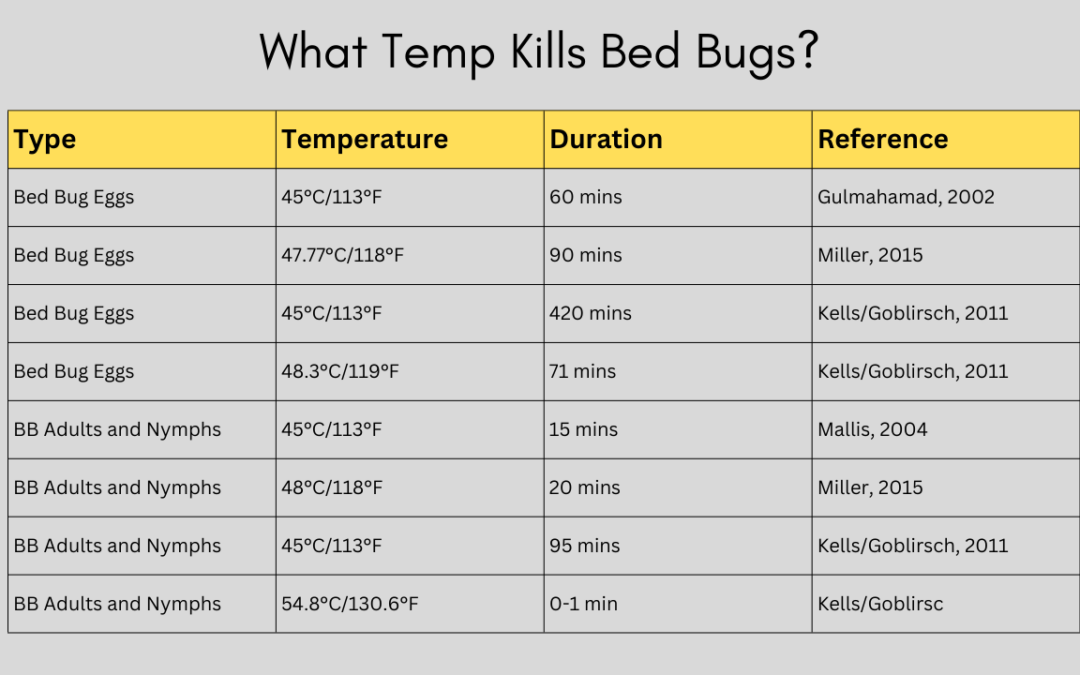
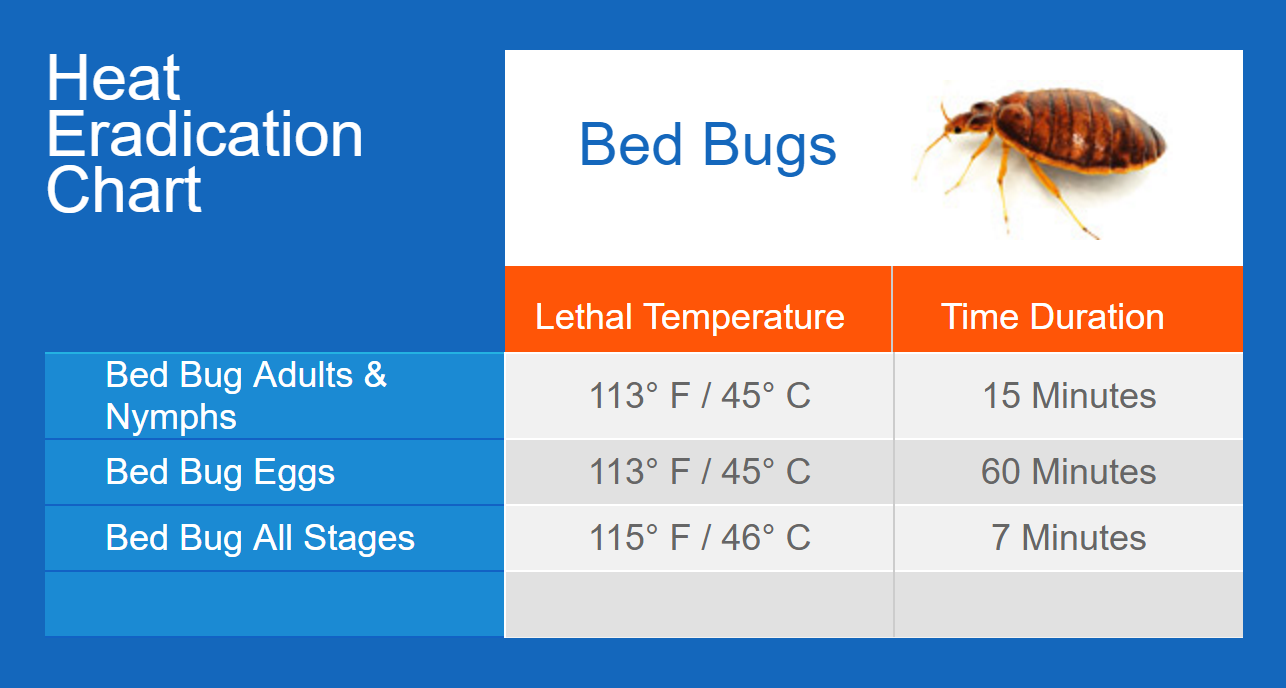
The fundamental principle behind thermal eradication is that bed bugs, like most insects, cannot survive extreme heat. Research has definitively shown that adult bed bugs, nymphs, and even their resilient eggs are susceptible to specific temperature thresholds. Typically, bed bugs will die when exposed to temperatures of 113°F (45°C) for at least 90 minutes, or 118°F (48°C) for 20 minutes. However, to ensure complete eradication of all life stages and to penetrate deep into cracks, crevices, and furniture where bugs hide, professional heat treatments typically aim for sustained ambient temperatures of 120°F to 140°F (49°C to 60°C) throughout the entire infested area. This higher range ensures that even cooler pockets reach lethal temperatures and that the heat penetrates materials thoroughly.
The crucial element here is sustained exposure. A quick blast of heat might kill some bugs, but it’s the consistent, penetrating heat over a period that ensures the demise of all eggs and bugs hidden within mattresses, walls, and furniture. This precision is what makes professional heat treatment a more reliable investment than less controlled methods.
Why Heat Treatment is a Smart Investment
Given its higher upfront cost, why is heat treatment considered a smart financial investment in bed bug eradication? The answer lies in its superior efficacy and speed. Unlike chemical treatments, which can require multiple visits over several weeks or months and may not be effective against pesticide-resistant bed bugs, heat treatment typically resolves an infestation in a single, comprehensive application within one day. This rapid resolution significantly reduces the ongoing financial drain of a prolonged infestation.
For businesses, the ability to quickly clear an infested room or property means minimal downtime and faster return to revenue generation. For homeowners, it means a quicker return to normalcy, reducing the psychological and indirect financial costs associated with a lengthy battle. Furthermore, heat treatment is a non-toxic solution, eliminating the need for occupants to vacate for extended periods due to chemical residue, which can save on temporary accommodation costs and reduces health concerns, adding another layer of financial benefit through reduced liability and increased peace of mind.
DIY vs. Professional Heat Treatment: A Cost-Benefit Analysis
The temptation to tackle bed bugs with DIY heat methods – such as steam cleaners, space heaters, or even direct sunlight – is understandable due to the perceived upfront savings. However, this approach often presents a classic example of “penny wise, pound foolish.” While a handheld steamer can effectively kill bed bugs on contact, achieving the sustained, lethal ambient temperatures required for comprehensive eradication throughout an entire room or structure is virtually impossible for the average consumer.
DIY attempts often fail because they lack the necessary power, monitoring, and expertise to ensure that heat penetrates every harborage. This partial eradication means that survivors continue to breed, leading to a prolonged infestation and eventually necessitating professional intervention anyway. The initial “savings” are then dwarfed by the cost of professional treatment, coupled with the lost time and ongoing stress. Professional heat treatment services utilize specialized, high-capacity heaters and sophisticated temperature monitoring systems to ensure that every corner of a room reaches and sustains the lethal temperature, guaranteeing thorough eradication and a higher return on investment by solving the problem definitively the first time.
Mitigating Financial Risk: Proactive Strategies and Prevention
The most financially prudent approach to bed bugs is prevention. Understanding their vulnerabilities, particularly to heat, empowers individuals and businesses to implement proactive strategies that significantly reduce the risk and cost of a full-blown infestation.
Early Detection: The Cheapest Defense
Early detection is paramount in mitigating the financial impact of bed bugs. A small, nascent infestation is far cheaper and easier to treat than a widespread one. Investing in passive monitoring tools, such as bed bug interceptors placed under bed legs, can alert you to their presence before the population explodes. These relatively inexpensive devices (often less than $20 for a set) can save thousands in treatment costs by allowing for targeted, localized intervention. Regular visual inspections, especially after travel, are also a no-cost form of early detection. For businesses, incorporating routine bed bug checks into cleaning protocols or investing in canine detection services can prevent minor issues from becoming major financial crises.
Travel and Home Prevention Investments
Preventative measures, often involving heat-related applications, represent small financial investments that yield significant protective benefits. When traveling, using a portable travel steamer on luggage or putting all clothes directly into a hot dryer upon return can kill any hitchhiking bed bugs before they infest your home. Mattress encasements, costing between $30 and $100, are another excellent investment. They trap existing bed bugs inside (eventually killing them by starvation) and prevent new ones from colonizing your mattress, making future inspections and treatments much easier and less costly. These small, deliberate actions minimize risk and protect your larger financial assets.
Business Continuity Planning: A Financial Imperative
For industries particularly susceptible to bed bug infestations, such as hotels, property management companies, and hospitals, integrating comprehensive bed bug protocols into standard operating procedures is not just good practice but a financial imperative. This includes regular staff training on identification, strict protocols for inspecting incoming laundry and furniture, and establishing rapid response plans for suspected infestations. Budgeting for proactive inspections, even if not immediately needed, can be a sound investment. A proactive approach minimizes the chances of a widespread infestation, reduces the likelihood of costly reputational damage, and ensures business continuity, protecting revenue streams and maintaining financial health.
Evaluating Pest Control Investments: Beyond the Initial Quote
When faced with an infestation, the natural inclination is to seek the cheapest solution. However, with bed bugs, this often proves to be a false economy. A truly effective and financially responsible approach requires looking beyond the initial quote to the long-term value and guarantees offered.
Understanding Service Guarantees and Warranties
A professional pest control company that offers heat treatment should back its service with a clear guarantee or warranty. This might include follow-up inspections or re-treatments within a specified period if bed bugs are still found. Understanding these terms is crucial for financial protection. A company that stands behind its work provides reassurance that your investment in their service will yield a lasting solution, preventing you from incurring additional costs for recurring issues. Always clarify what the warranty covers, its duration, and any conditions that might void it.
The True Cost of Ineffective Treatment
The most significant financial pitfall in bed bug eradication is ineffective treatment. A treatment that fails to eliminate all bed bugs, especially eggs, sets in motion a cycle of recurrence. This leads to repeated expenses for re-treatments, extended periods of discomfort and stress, and potentially escalating costs as the infestation becomes more entrenched or spreads to other areas. The “true cost” of bed bugs is not just the price of the first treatment, but the cumulative expense of all treatments, replacements, lost income, and psychological toll until the problem is truly resolved. This underscores why investing in a highly effective method, such as professional heat treatment calibrated to kill at specific temperatures, is often the most cost-effective decision, even if the upfront price is higher. It avoids the prolonged financial bleed of a never-ending battle.

The Role of Technology in Cost-Effective Heat Treatment
Modern heat treatment relies heavily on specialized technology, which, while contributing to its cost, also enhances its efficiency and cost-effectiveness. Advanced heaters are designed to quickly and evenly raise ambient temperatures, ensuring that lethal heat penetrates all materials. Crucially, sophisticated sensors and remote monitoring systems allow technicians to precisely track and adjust temperatures in real-time throughout the entire treated space. This technological precision ensures that every nook and cranny reaches the target “killing temp,” preventing cold spots where bed bugs could survive. By guaranteeing thorough eradication in a single treatment, this technology prevents wasted time, resources, and the need for costly repeat interventions, making the overall investment financially sound.
In conclusion, understanding “what temp kills bed bugs” is more than scientific curiosity; it’s a vital piece of information for making financially astute decisions in pest management. While the initial outlay for effective thermal eradication might seem substantial, its unparalleled efficacy, speed, and non-toxic nature translate into significant long-term savings by preventing recurrence, minimizing indirect costs, and protecting invaluable personal and business assets. For individuals and businesses alike, an informed investment in effective bed bug eradication is an investment in financial stability and peace of mind.
aViewFromTheCave is a participant in the Amazon Services LLC Associates Program, an affiliate advertising program designed to provide a means for sites to earn advertising fees by advertising and linking to Amazon.com. Amazon, the Amazon logo, AmazonSupply, and the AmazonSupply logo are trademarks of Amazon.com, Inc. or its affiliates. As an Amazon Associate we earn affiliate commissions from qualifying purchases.