
The enduring enigma of Bigfoot, or Sasquatch, has captivated human imagination for centuries. Tales of a large, ape-like creature roaming the wilderness persist across North America, fueling both fervent belief and widespread skepticism. While scientific consensus on its existence remains elusive, the sheer volume of reported sightings and anecdotal evidence has carved a permanent niche for Bigfoot in popular culture. But beyond the thrill of the chase, this cryptid phenomenon presents a unique and often underappreciated opportunity for regional branding. For a state or region recognized as the epicenter of Bigfoot activity, this distinct lore can be transformed into a powerful brand asset, drawing tourism, fostering local identity, and stimulating economic growth. This article delves into identifying America’s unofficial Bigfoot capital and explores how such a unique cultural narrative can be strategically leveraged to forge a compelling regional brand.
The Elusive King: Identifying America’s Bigfoot Capital
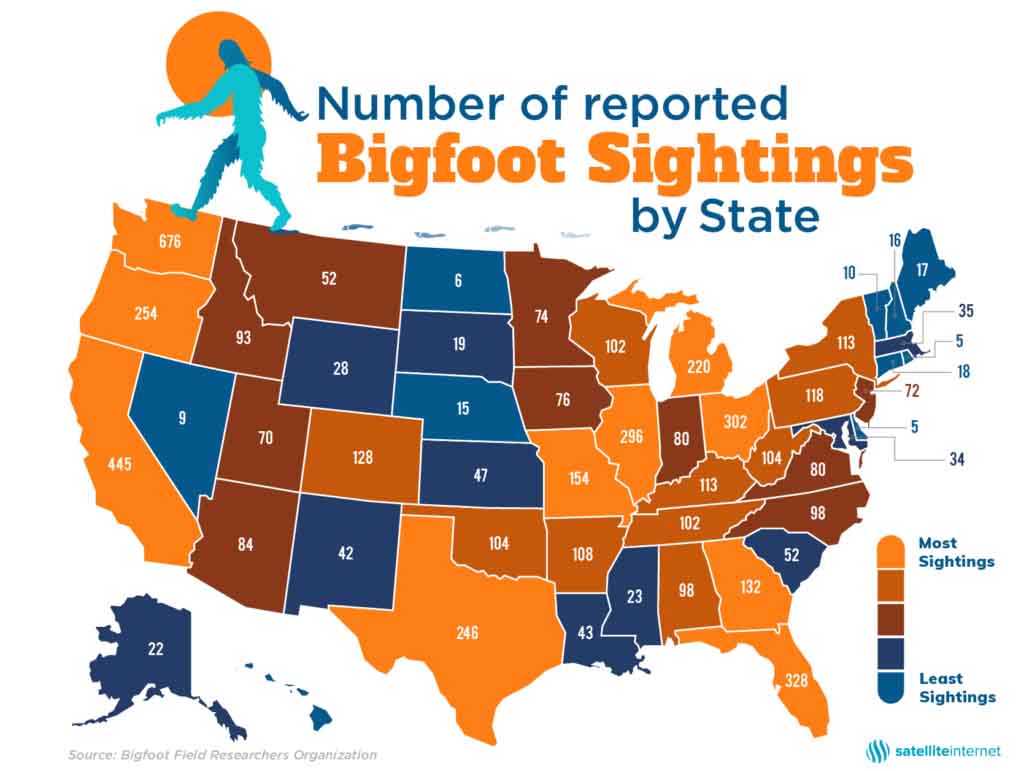
Pinpointing the exact state with the “most” Bigfoot sightings is an exercise fraught with the challenges inherent in cryptozoology – data collection is often informal, anecdotal, and lacks centralized verification. However, extensive databases compiled by organizations like the Bigfoot Field Researchers Organization (BFRO), along with countless local reports, suggest a clear geographic concentration. Understanding this distribution is the first step in recognizing a potential branding goldmine.
The Data Landscape of Sasquatch Encounters
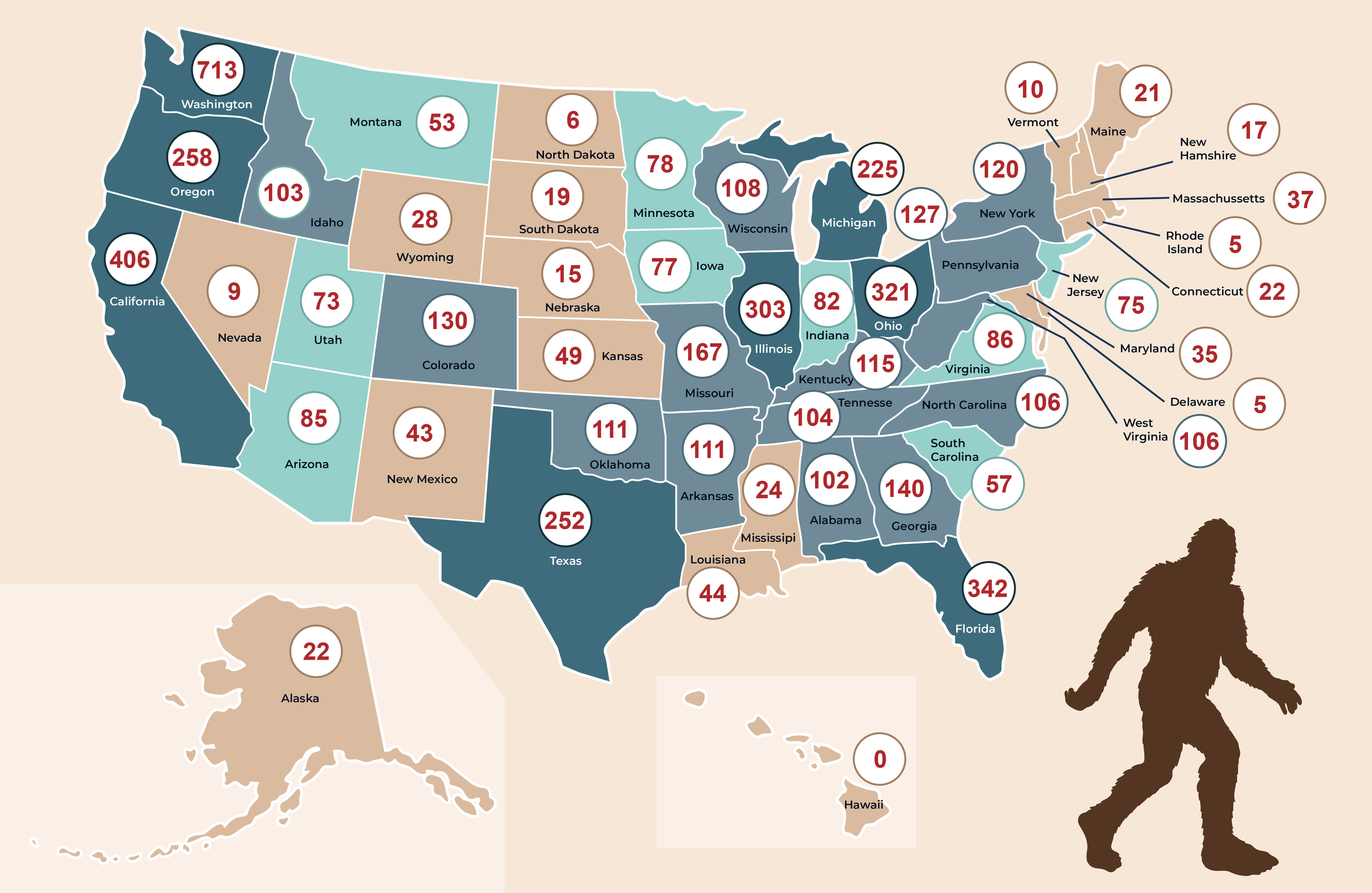
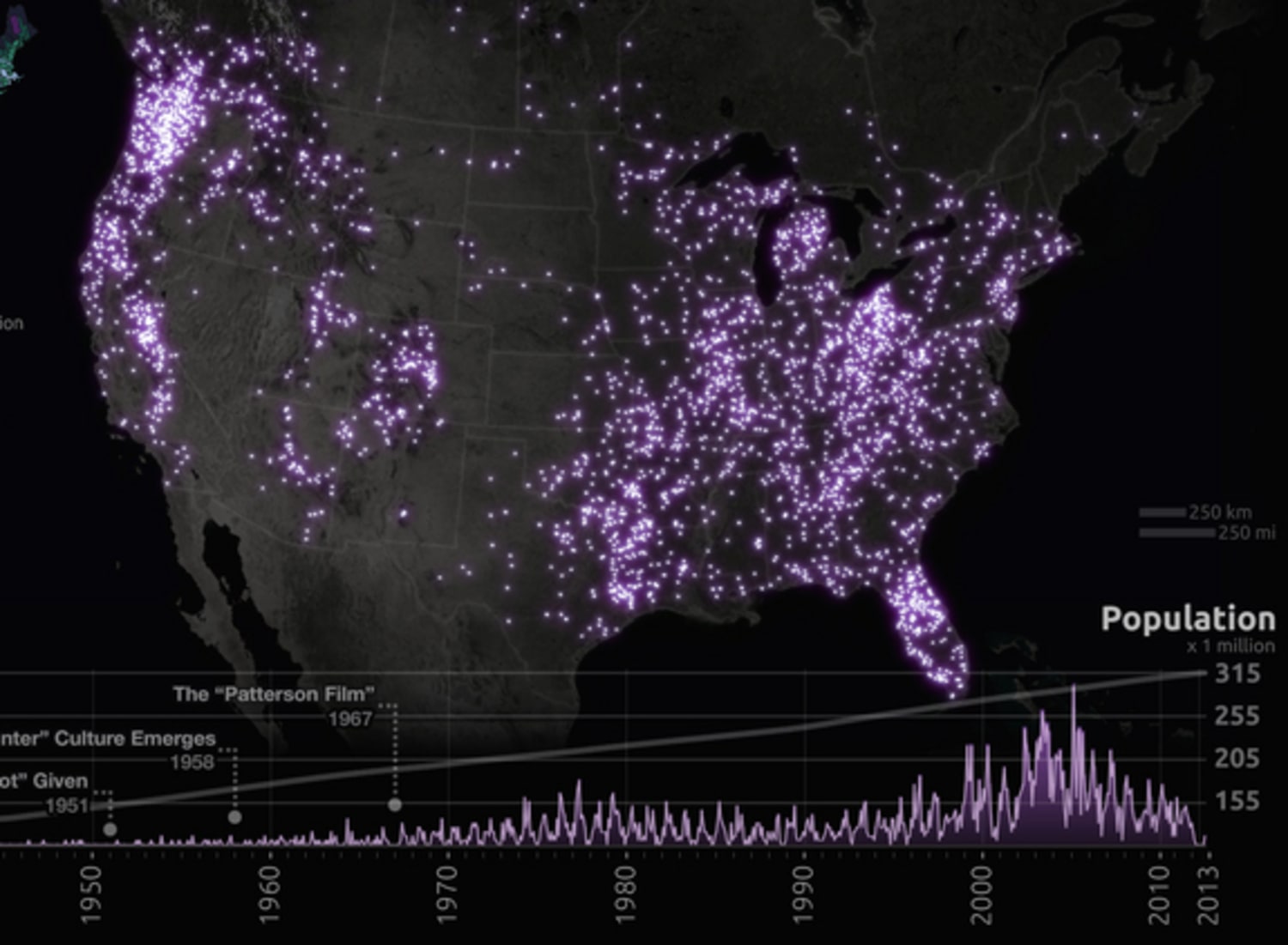
While no official government census exists for cryptid sightings, the BFRO, for instance, maintains one of the most comprehensive public databases, logging thousands of reported encounters across the United States and Canada. Analysis of these records consistently points to the Pacific Northwest as the primary hotspot. Specifically, Washington state frequently emerges at the top, often alongside neighboring Oregon and Northern California, boasting the highest numbers of credible (or at least, well-documented) Bigfoot reports. The dense, ancient forests, vast wilderness areas, and relatively sparse human population in much of Washington provide an ideal backdrop for such a reclusive creature, lending credence to the local legends that have persisted for generations among indigenous communities and settlers alike.
Other states, such as Ohio, Pennsylvania, and even Florida (home to the ‘Skunk Ape’), have their own significant clusters of sightings, but the sheer volume and cultural entrenchment of Sasquatch lore in the Pacific Northwest grants it a distinct advantage. This concentration of reports is not merely a curiosity; it’s a verifiable pattern that forms the bedrock of a compelling regional narrative. When a state can lay claim to being the perceived heartland of such a globally recognized myth, it possesses an inherent, often untapped, brand advantage.
More Than Just a Myth: The Cultural Resonance
Bigfoot’s appeal extends far beyond the realm of cryptozoologists. It embodies a primal fascination with the unknown, the untamed wilderness, and the possibility of discovery. This creature represents a connection to nature’s mysteries, a relic of a wilder time, and a symbol of what might still be hidden just beyond the edges of human civilization. This deep cultural resonance makes Bigfoot an incredibly potent branding element.
For states like Washington, the Sasquatch isn’t just a monster; it’s an icon. It appears in local art, literature, folklore, and even advertising. The collective imagination has built Bigfoot into a compelling figure: powerful, secretive, ancient, and deeply tied to the rugged, natural landscape. This established cultural footprint means that a state doesn’t need to create interest in Bigfoot; it merely needs to channel and leverage the existing fascination. This pre-existing emotional connection with the public is a marketer’s dream, providing a ready-made story and an engaged audience eager to explore the legend further.
From Myth to Market: Crafting a Cryptid-Centric Regional Brand
Once a state recognizes its unique position as a Bigfoot capital, the next step is to strategically integrate this lore into its broader regional brand identity. This process goes beyond simply acknowledging sightings; it involves crafting a cohesive narrative and visual language that elevates Bigfoot from mere folklore to a powerful draw.
Defining the Core Brand Narrative
The first task is to define a compelling brand narrative. For a state like Washington, this might involve positioning itself as the “Gateway to Sasquatch Country,” the “Heart of Bigfoot Lore,” or the “Ultimate Wilderness Mystery Destination.” The narrative should be authentic and rooted in the region’s specific history, geography, and local legends. It’s not just about the creature but about the experience it represents: adventure, unspoiled nature, ancient forests, and the thrill of potential discovery.
This narrative can weave together indigenous tales of “wild men of the woods” with modern-day sightings, highlighting the continuity of the legend. It can emphasize the state’s vast, untamed wilderness as the perfect habitat for such an elusive creature, thereby reinforcing an image of natural beauty and ecological richness. The goal is to move beyond a simple “here be monsters” message to a sophisticated portrayal of a region where mystery and nature converge, offering unique experiences that cannot be found elsewhere. This nuanced approach ensures the brand resonates with a wider audience, from dedicated cryptid hunters to families seeking an adventurous escape.
Visual Identity and Experiential Branding
A strong brand needs a compelling visual identity and tangible experiential elements. For a state embracing its Bigfoot heritage, this could manifest in numerous ways:
- Logos and Mascots: Developing official or unofficial Bigfoot-themed logos for tourism campaigns, state parks, or regional initiatives. A stylized Sasquatch silhouette or footprint could become an instantly recognizable emblem.
- Public Art and Signage: Commissioning Bigfoot sculptures, murals, or interpretive signs along hiking trails, in small towns, or at visitor centers. These installations not only enhance the visual appeal but also serve as photo opportunities, encouraging social media sharing.
- “Bigfoot Trails” and Events: Creating themed hiking trails that guide visitors through areas historically associated with sightings, perhaps with educational signage about local flora, fauna, and folklore. Establishing annual “Sasquatch Festivals” or “Bigfoot Days” can draw crowds, featuring storytelling, wilderness skills workshops, local crafts, and themed entertainment.
- Merchandise and Local Products: Encouraging local businesses to develop Bigfoot-themed merchandise, from apparel and souvenirs to craft beers and artisanal foods. This not only reinforces the brand but also provides direct economic benefits to local communities, creating a vibrant ecosystem around the cryptid.
- Themed Accommodations: Hotels, cabins, or campgrounds could offer “Bigfoot-friendly” packages, themed rooms, or even guided “Bigfoot expeditions,” turning an overnight stay into an immersive experience.
These elements collectively create a rich, multi-sensory brand experience that allows visitors to engage with the Bigfoot legend on multiple levels, transforming a fleeting curiosity into a memorable adventure.
Strategic Marketing: Attracting Tourists and Investment Through Sasquatch
A well-defined cryptid-centric brand is only effective if it reaches the right audience. Strategic marketing is crucial for translating Bigfoot lore into tangible tourism numbers and local investment.
Targeting Niche Audiences
The Bigfoot brand naturally appeals to several distinct niche audiences, allowing for highly targeted marketing efforts:
- Cryptozoology Enthusiasts: This dedicated group actively seeks out regions known for cryptid activity. Marketing can directly appeal to their passion for discovery, offering guided tours, “research expeditions,” and opportunities to connect with local lore.
- Nature and Adventure Tourists: Bigfoot lore is intrinsically linked to wild, untamed landscapes. Marketing can position the state as an ideal destination for hiking, camping, and exploring vast wilderness areas, with the added allure of a potential encounter.
- Families Seeking Unique Experiences: Many families are drawn to quirky, memorable travel destinations. A Bigfoot-themed trip offers an exciting blend of outdoor adventure, mystery, and storytelling that captivates children and adults alike.
- Pop Culture Tourists: Given Bigfoot’s widespread presence in media (films, TV shows, podcasts), fans of these narratives may be eager to visit the “real-life” locations associated with the legend.
Digital marketing channels, including social media campaigns, SEO optimized content targeting “Bigfoot sightings [state name],” and collaborations with travel influencers, can effectively reach these audiences. Engaging storytelling through blog posts, videos, and interactive maps can further amplify the brand’s reach and impact.
Partnerships and Local Economic Development
Successful regional branding often hinges on robust partnerships. State tourism boards can collaborate with national parks, forest services, local chambers of commerce, and individual businesses to create a unified marketing front. For example, a “Bigfoot Trail Passport” could incentivize visitors to explore multiple towns or attractions, generating revenue across a wider geographic area.
Encouraging entrepreneurial ventures around the Bigfoot theme is also vital. This includes supporting local artisans who create themed products, funding small businesses that offer guided tours, or even providing incentives for new themed restaurants or accommodations. The influx of tourists drawn by the Bigfoot brand creates demand for local services, jobs in hospitality and retail, and provides a unique selling proposition for local producers. Ultimately, this leads to a diversified economy and a stronger sense of community pride rooted in a shared, intriguing identity.
Navigating the Brand Landscape: Challenges and Authenticity
While the Bigfoot brand offers immense potential, it also comes with unique challenges. Maintaining authenticity and avoiding pitfalls like excessive commercialization or ridicule are crucial for long-term success.
Balancing Authenticity with Commercial Appeal
The core challenge lies in striking a balance between celebrating a cherished myth and transforming it into a marketable commodity without losing its inherent mystique. An overly kitschy or overtly commercial approach can cheapen the legend, alienate serious enthusiasts, and undermine the brand’s credibility. The goal should be to evoke wonder and respect for the unknown, rather than merely creating a novelty attraction.
This means investing in quality interpretive centers, partnering with local historians and indigenous communities to accurately represent the lore, and focusing on sustainable tourism practices that protect the very wilderness that makes the legend plausible. For example, a town might host a “Bigfoot Research Symposium” alongside its annual festival, lending academic weight to the popular interest. By focusing on the historical, cultural, and environmental aspects surrounding the myth, the brand maintains its authenticity and appeals to a broader, more discerning audience.
Measuring Brand Impact and Evolution
Like any brand, a cryptid-centric regional identity needs continuous monitoring and adaptation. Key performance indicators (KPIs) include:
- Tourism Metrics: Tracking visitor numbers, hotel occupancy rates, and tourist spending in Bigfoot-centric areas.
- Media Mentions and Social Media Engagement: Monitoring how the state’s Bigfoot brand is perceived in national and international media, and the level of engagement on social media platforms.
- Local Economic Growth: Assessing the creation of new businesses, job growth, and overall economic health in communities leveraging the brand.
- Brand Perception Surveys: Periodically surveying potential visitors and locals to gauge awareness, appeal, and perceived authenticity of the Bigfoot brand.
The brand should be dynamic, evolving with new discoveries (even if anecdotal), changing cultural trends, and feedback from visitors. Perhaps new technologies like virtual reality could offer immersive Bigfoot experiences, or partnerships with cryptozoological researchers could lend an edge of scientific intrigue. By continuously refining the narrative, experiences, and marketing strategies, a state can ensure its Bigfoot brand remains fresh, relevant, and compelling for generations to come.
Conclusion
The question of “what state has most Bigfoot sightings” transcends simple curiosity; it unveils a profound opportunity for regional branding. While the scientific community may never definitively confirm Bigfoot’s existence, the pervasive lore, particularly in states like Washington and the broader Pacific Northwest, provides an unparalleled cultural asset. By strategically embracing this unique heritage, a state can craft a powerful and authentic brand identity that captures the imagination, attracts diverse tourist demographics, and stimulates sustainable economic growth. In a world increasingly homogenized by global brands, the wild, mysterious, and deeply rooted narrative of Bigfoot offers a refreshing and potent differentiator, proving that sometimes, the greatest treasures lie not in what is found, but in the legends that endure.
aViewFromTheCave is a participant in the Amazon Services LLC Associates Program, an affiliate advertising program designed to provide a means for sites to earn advertising fees by advertising and linking to Amazon.com. Amazon, the Amazon logo, AmazonSupply, and the AmazonSupply logo are trademarks of Amazon.com, Inc. or its affiliates. As an Amazon Associate we earn affiliate commissions from qualifying purchases.