
In the traditionally male-dominated corridors of the operating theater, a profound demographic shift is underway. For decades, the question of what percent of surgeons are female yielded a discouragingly low figure. However, as we move deeper into the 2020s, the intersection of healthcare and cutting-edge technology is fundamentally altering the surgical landscape. Today, approximately 22% to 25% of active surgeons in the United States are female—a number that, while still reflective of a gender gap, represents a significant increase from previous generations. More importantly, when we look at surgical residents, the figure jumps to nearly 40%, signaling a future where gender parity is a realistic goal.

This evolution is not merely a result of social shifts; it is being accelerated by specific technological trends. From robotic-assisted platforms and AI-driven training modules to ergonomic hardware design and teleproctoring, technology is dismantling the physical and systemic barriers that once hindered female participation in surgical specialties.
The Current Landscape: Analyzing the Data Through a Tech Lens
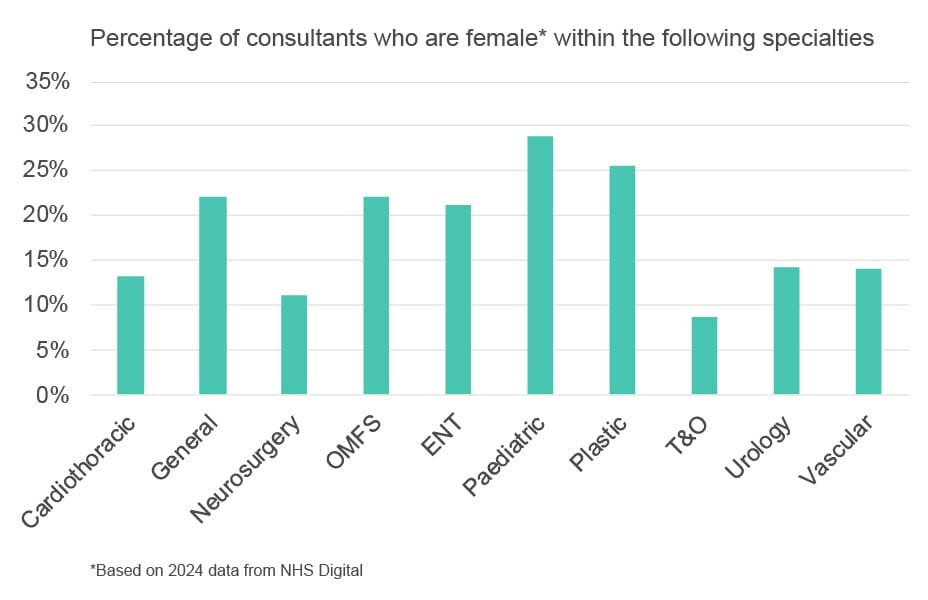
To understand the trajectory of female surgeons, one must first look at the current data provided by organizations like the Association of American Medical Colleges (AAMC). While the overall percentage of female surgeons sits around the one-quarter mark, the distribution varies wildly across sub-specialties. For example, pediatric surgery and obstetrics/gynecology see high female representation, whereas orthopedics and neurosurgery remain tech-heavy fields where female representation has historically lagged.
Breaking Down the Numbers: Where We Stand Today
In 2023, data indicated that while women make up over 50% of medical school students, the “leakage” in the pipeline occurs most frequently at the transition to surgical residency. However, the specialties seeing the fastest growth in female enrollment are those that have most aggressively adopted digital health and minimally invasive technologies. There is a measurable correlation between the digitization of a surgical field and its ability to attract a more diverse workforce.
Historical Barriers and the Shift Toward Digital Equity
Historically, surgery was viewed as a field requiring “brute strength”—particularly in specialties like orthopedics, where manual reduction of fractures required significant physical force. Technology has rendered this “strength requirement” obsolete. The introduction of power tools, precision robotics, and hydraulic assistance means that surgical success is now defined by cognitive precision and digital dexterity rather than physical stature. As the “tech-stack” of the operating room evolves, the barrier to entry shifts from physical attributes to technological proficiency.
Robotic-Assisted Surgery: Leveling the Technical Playing Field
The most significant technological catalyst for the increasing percentage of female surgeons is the rise of Robotic-Assisted Surgery (RAS). Platforms like the Da Vinci Surgical System have revolutionized how procedures are performed, moving the surgeon from the bedside to a tele-operated console.
The End of “Brute Force” Surgery
In a traditional open procedure, surgeons often spend hours in awkward, physically taxing positions. This environment was historically less inviting to anyone who did not fit the “standard” male ergonomic profile. Robotic systems use “endo-wrist” technology that provides a greater range of motion than the human hand, coupled with tremor filtration. Because the robot handles the physical load and provides mechanical advantage, the playing field is leveled. A surgeon’s effectiveness is determined by their ability to navigate a complex software interface and manipulate high-precision instruments, a domain where female surgeons consistently excel.
Ergonomics and Inclusivity in Medical Hardware
For years, surgical instruments were designed by men, for men’s hands. Large handle sizes and heavy manual tools often led to higher rates of musculoskeletal strain among female surgeons. Modern MedTech companies are now utilizing data-driven design to create inclusive ergonomic interfaces. Modern robotic consoles are fully adjustable, allowing surgeons of all heights and reaches to operate in a neutral posture. This focus on “Human Factors Engineering” reduces career-ending injuries and fatigue, making surgery a more sustainable long-term career path for women.

AI and Virtual Reality in Surgical Training and Mentorship
The “Old Boys’ Club” of surgical mentorship was often a barrier to entry for women. Technology is replacing this informal, often biased, mentorship model with standardized, data-driven training platforms.
VR Simulations: Overcoming the Traditional Mentorship Model
Virtual Reality (VR) and Augmented Reality (AR) are transforming surgical education. Platforms like Osso VR and FundamentalVR allow residents to practice complex procedures thousands of times in a haptic-enabled digital environment before ever touching a patient. This “democratization of skill” means that female residents can gain proficiency and confidence on their own terms. It removes the subjectivity of a senior surgeon’s “vibe check” and replaces it with objective performance metrics.
AI-Driven Performance Metrics for Bias-Free Evaluation
Artificial Intelligence is now being used to analyze surgical video. Software can track a surgeon’s economy of motion, the fluidity of their instrument paths, and their tissue-handling techniques. This “surgical analytics” provides an objective score of a surgeon’s skill. For female surgeons, this is a powerful tool for career advancement. When data proves that a surgeon’s technical outcomes are in the top 5th percentile, gendered assumptions about competence disappear. AI provides a meritocratic digital audit trail that favors skill over seniority or gender.
The Future of MedTech: Why More Female Surgeons Mean Better Innovation
The increasing percentage of female surgeons is not just a win for social equity; it is a driver for the technology industry itself. As more women enter the field, they are becoming the primary users and, increasingly, the inventors of the next generation of surgical tools.
User-Centric Design in Surgical Instruments
The MedTech industry is realizing that diverse perspectives lead to better product design. Female surgeons are often at the forefront of developing smaller, more flexible endoscopes and precision-grip instruments. These innovations don’t just help female surgeons; they improve outcomes for all surgeons by emphasizing finesse over force. We are seeing a surge in startups led by female surgeons who are redesigning the surgical “user interface” (UI) to be more intuitive and less reliant on traditional, cumbersome hardware.
Telemedicine and Work-Life Integration via Digital Health
One of the primary reasons cited for the lower percentage of women in surgery has been the grueling schedule. However, the digital transformation of healthcare is introducing flexibility. Digital health platforms for pre-operative planning and post-operative follow-ups allow surgeons to manage their patient load more efficiently. Furthermore, the burgeoning field of “Telementoring” allows an expert female surgeon to guide a junior colleague through a procedure from a remote location, using 5G-enabled video feeds and AR overlays. This connectivity fosters a global network of female surgeons who can support one another through digital platforms, bypassing the geographic and institutional silos of the past.
Conclusion: The Path Toward 50%
While the question “what percent of surgeons are female” currently yields a figure of approximately 25%, the trajectory is clearly upward, powered by a technological wind at the backs of new surgeons. The transition from the “analog” operating room to the “digital” theater has removed the physical and systemic barriers that once characterized the profession.
As AI, robotics, and VR continue to mature, the definition of a “great surgeon” is being rewritten. It is no longer about who can stand the longest or pull the hardest; it is about who can best harness the power of data, software, and precision robotics to improve patient outcomes. In this new era of MedTech, the percentage of female surgeons will likely continue its steady climb toward parity, driven by a digital revolution that values cognitive skill and technological mastery above all else.
aViewFromTheCave is a participant in the Amazon Services LLC Associates Program, an affiliate advertising program designed to provide a means for sites to earn advertising fees by advertising and linking to Amazon.com. Amazon, the Amazon logo, AmazonSupply, and the AmazonSupply logo are trademarks of Amazon.com, Inc. or its affiliates. As an Amazon Associate we earn affiliate commissions from qualifying purchases.