
In the realm of aerospace engineering, the margin for error is non-existent. Every component, from the avionics suite to the structural integrity of the airframe, is designed to withstand extreme stresses. However, one of the most critical yet misunderstood technologies in aviation is the fuel that powers the journey. While most consumers are familiar with the octane ratings found at local gas stations—typically ranging from 87 to 93—aviation fuel operates on an entirely different technical spectrum. Understanding what octane level aviation fuel is requires a deep dive into chemical engineering, engine thermodynamics, and the specialized requirements of high-performance flight.
The Engineering Behind Octane Ratings in Aerospace
To understand the octane level of aviation fuel, one must first understand the technological necessity of “anti-knock” properties. In an internal combustion engine, the goal is for the fuel-air mixture to burn in a controlled, uniform manner. If the pressure or heat becomes too intense, the fuel can ignite prematurely or explode violently, a phenomenon known as “knocking” or “detonation.”
Understanding Anti-Knock Properties in High-Performance Engines
In a car, knocking is an annoyance that might trigger a sensor to retard timing. In an airplane, particularly during a high-power climb, detonation can lead to catastrophic engine failure in seconds. Therefore, aviation technology demands fuels with significantly higher resistance to premature ignition.
The “octane rating” is essentially a measurement of this resistance. It is derived from a comparison between iso-octane (which has a rating of 100 and is highly resistant to knocking) and heptane (which has a rating of 0 and knocks easily). Aviation gasoline, or “Avgas,” is engineered to exceed the capabilities of standard automotive fuels to ensure that engines can operate at high compression ratios and high altitudes without the risk of thermal runaway.
The Chemical Distinction: Avgas vs. Mogas
The technical transition from “Mogas” (Motor Gasoline) to “Avgas” involves more than just a higher number. While high-performance sports cars might use 93-octane fuel, the standard for general aviation piston engines is Avgas 100LL. The “100” refers to the octane rating, but the chemistry is fundamentally different.
Unlike automotive fuel, which utilizes various ethanol blends and detergents, aviation fuel is highly refined to ensure stability at varying atmospheric pressures. Tech-wise, Avgas must maintain a consistent vapor pressure to prevent “vapor lock”—a condition where fuel turns to gas in the lines, starving the engine. This technical requirement dictates the molecular structure of the fuel, ensuring it remains liquid and combustible only when inside the cylinder.
Technical Specifications of Avgas 100LL and Jet Fuel
When discussing the octane levels of aviation fuel, it is vital to distinguish between the two primary types of aircraft engines: piston-driven and turbine-driven. Each utilizes a different technical approach to energy release, and consequently, their “octane” discussions differ significantly.
Why 100LL is the Industry Standard for Piston Engines
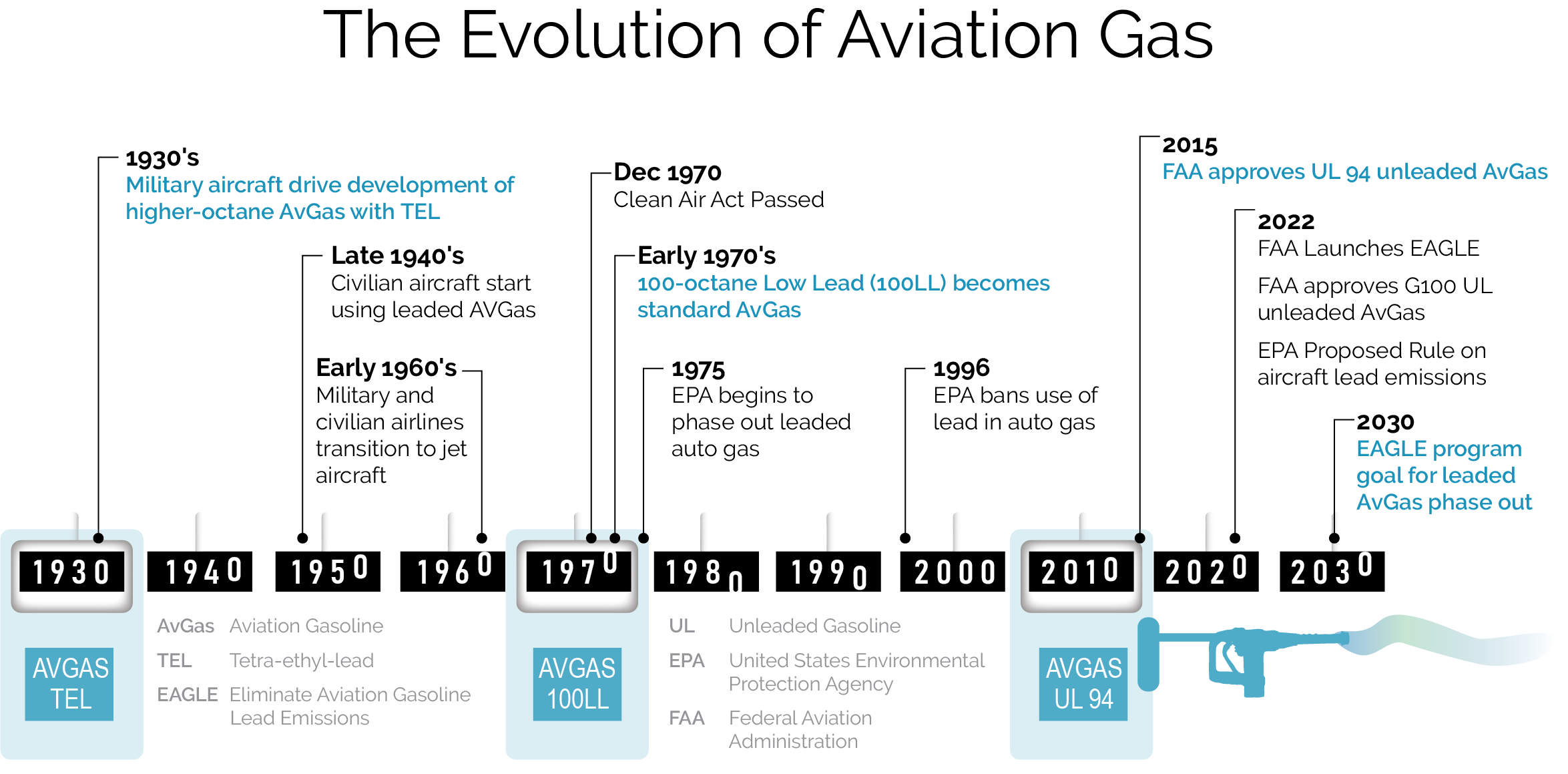
The most common aviation fuel for piston-engine aircraft is 100LL, or “100 Low Lead.” Despite the “Low Lead” moniker, it contains significantly more tetraethyl lead (TEL) than the leaded automotive fuels of the mid-20th century. TEL is a technical additive used to boost octane levels to the required 100-rating without making the fuel prohibitively expensive to refine.
The 100-octane rating of 100LL is actually a “lean” rating. Under “rich” conditions (during takeoff when more fuel is pumped into the engine for cooling), the performance number can actually exceed 130. This dual-rating system is a specialized technical metric used in aviation to describe how the fuel performs under various throttle settings and cooling environments.
The High-Compression Challenge: Preventing Pre-Ignition
Aerospace piston engines often utilize turbochargers or superchargers to maintain power at high altitudes where the air is thin. This increases the internal pressure of the engine significantly. From a technological standpoint, a lower octane fuel would simply explode under these pressures before the spark plug even fires. The 100-octane chemistry of Avgas allows engineers to design engines that extract maximum power-to-weight ratios, a necessity when every pound of engine weight equates to less cargo or passenger capacity.
The Jet Fuel Misconception: Octane vs. Cetane
It is a common technical misconception that Jet-A (the fuel used in commercial airliners) has an incredibly high octane rating. In reality, Jet-A is a kerosene-based fuel, and octane ratings do not apply to it. Turbine engines do not use a spark-ignition piston cycle; they use continuous combustion.
For Jet-A, the critical technical metrics are “freeze point” and “flash point.” Because turbines operate at altitudes where temperatures drop to -50°C, the technology of the fuel is focused on flowability and energy density rather than anti-knock properties. If you were to put Jet-A in a 100LL piston engine, the octane level would be effectively zero, and the engine would suffer immediate, destructive detonation.
The Role of Technology in Developing Sustainable Aviation Fuels (SAF)
The aviation industry is currently undergoing a massive technological shift. The presence of lead in 100LL fuel is a significant environmental concern, leading to a surge in chemical engineering research aimed at creating high-octane, lead-free alternatives.
Molecular Engineering: Creating Lead-Free High-Octane Alternatives
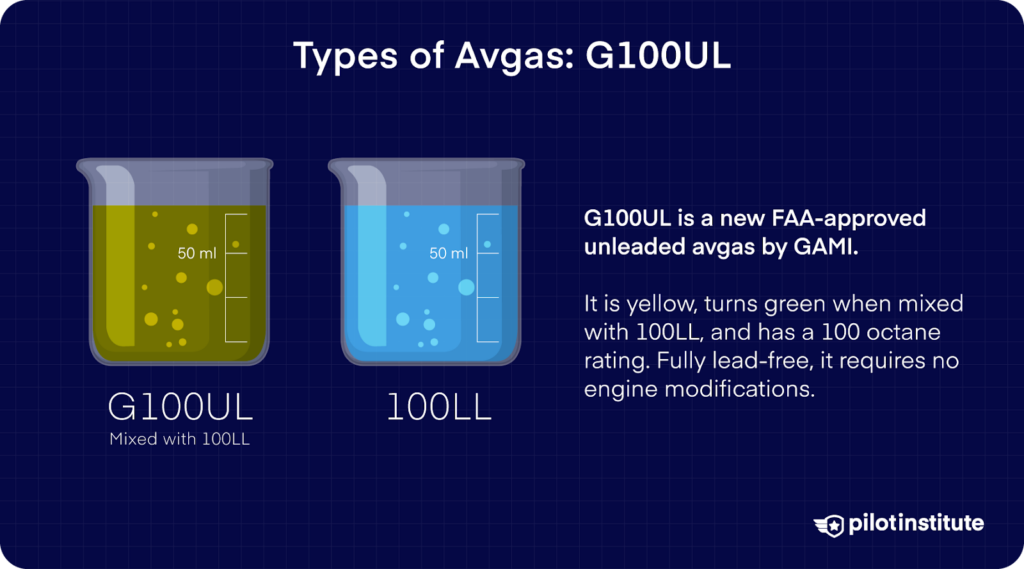
The technical challenge of the last decade has been developing a fuel that reaches a 100-octane rating without using tetraethyl lead. Companies like GAMI (General Aviation Modifications, Inc.) have recently received FAA approval for G100UL—the first 100-octane unleaded aviation spirit.
This breakthrough wasn’t achieved through simple additives but through complex molecular engineering. By rearranging the hydrocarbons and utilizing high-performance aromatics, chemists have created a “drop-in” replacement. This technology is vital because it allows the existing fleet of high-compression aircraft engines to operate safely without requiring hardware modifications, preserving billions of dollars in aerospace infrastructure.
The Impact of Engine Management Systems (FADEC) on Fuel Efficiency
As fuel technology evolves, so does the hardware. Modern aviation is seeing the integration of FADEC (Full Authority Digital Engine Control). Historically, pilots manually adjusted the “mixture” of fuel and air based on altitude. FADEC technology uses sensors to monitor cylinder head temperatures, exhaust gas temperatures, and ambient pressure to optimize the fuel burn in real-time.
By using digital processing power, FADEC-equipped engines can squeeze more performance out of a specific octane level. This tech-driven precision reduces fuel consumption and minimizes the thermal stress on the engine, bridging the gap between traditional mechanical engineering and modern software-driven optimization.
Future Trends: From Chemical Octane to Electric Propulsion
As we look toward the future of aviation technology, the very concept of “octane levels” may eventually become a legacy metric. The industry is currently exploring propulsion systems that bypass chemical combustion entirely.
Hybridization and the Diminishing Reliance on High-Octane Fuels
Much like the automotive world, the “Tech-Air” movement is leaning toward hybrid-electric propulsion. In these systems, a smaller, highly efficient piston engine (running on high-octane unleaded fuel) acts as a generator to power electric motors. This technological setup allows the engine to run at a constant, optimized RPM, where the anti-knock properties of the fuel can be managed more effectively by software.

The Hydrogen Frontier and Beyond
The ultimate tech trend in aviation fuel is the move toward liquid hydrogen and sustainable aviation fuels (SAF) derived from carbon capture. These fuels don’t just aim for a high octane rating; they aim for a completely different energy release profile. Hydrogen, for example, has a high energy-to-mass ratio but requires specialized cryogenic storage technology.
While 100LL remains the standard today, the convergence of chemical engineering, digital engine monitoring, and environmental mandates is rapidly changing the landscape. The “octane level” of the future may not be a measure of leaded resistance, but a measure of synthetic purity and carbon neutrality.
In conclusion, the octane level of aviation fuel is not merely a number on a pump; it is a sophisticated technological specification that enables the high-performance demands of flight. From the specialized 100LL used in piston planes to the emerging lead-free synthetics and the cetane-focused requirements of jet turbines, the chemistry of fuel is the silent engine of aerospace innovation. As we transition toward a greener, more digital cockpit, the technology behind how we power our ascent will continue to be the most critical variable in the physics of aviation.
aViewFromTheCave is a participant in the Amazon Services LLC Associates Program, an affiliate advertising program designed to provide a means for sites to earn advertising fees by advertising and linking to Amazon.com. Amazon, the Amazon logo, AmazonSupply, and the AmazonSupply logo are trademarks of Amazon.com, Inc. or its affiliates. As an Amazon Associate we earn affiliate commissions from qualifying purchases.