
The advent of Instagram marked a pivotal shift in how individuals connect, consume content, and perceive brands. What began as a simple photo-sharing application rapidly blossomed into a complex, dynamic environment where everyday users could cultivate significant influence, transforming into legitimate personal brands and formidable marketing assets. This evolution wasn’t accidental but rather a confluence of Instagram’s intrinsic design, changing consumer behaviours, and the strategic foresight of individuals and corporations alike. Understanding the genesis of this thriving influencer ecosystem requires an in-depth look at its foundational appeals, the strategic evolution of influence itself, the dynamics of brand partnerships, and the entrepreneurial spirit that fuels personal branding in the digital age.

The Dawn of Visual Storytelling: Instagram’s Foundational Appeal
Instagram’s meteoric rise was predicated on its ability to distil complex narratives into compelling visual snippets. In a world increasingly saturated with information, the platform offered an intuitive, aesthetically pleasing refuge that resonated deeply with users and, subsequently, brands.
The Power of Image-First Communication
At its core, Instagram capitalized on humanity’s innate preference for visual information. An image, or a short video, transcends language barriers and often communicates emotion, aspiration, and information more effectively and immediately than text. This visual primacy allowed nascent influencers to convey a distinct aesthetic, a specific lifestyle, or expert knowledge with unprecedented efficiency. Their curated feeds became digital portfolios, showcasing their unique perspectives and drawing in audiences who shared similar interests or aspirations. Brands quickly recognized this efficiency, understanding that product placement within an authentic visual context could foster immediate recognition and desire, far surpassing the efficacy of traditional, often intrusive, advertising banners. The visual nature of the platform inherently facilitated the development of a distinct brand identity for individuals, making it easier for them to stand out and attract a dedicated following.
Accessibility and User-Friendly Interface
Instagram democratized content creation and distribution. Unlike traditional media outlets that required significant investment in equipment, training, and distribution channels, Instagram provided a powerful, yet incredibly simple, toolkit. A smartphone camera was all that was needed to capture and share high-quality images and videos. The platform’s array of filters, editing tools, and straightforward posting process made it accessible to anyone, regardless of their technical proficiency. This low barrier to entry allowed a diverse range of voices and perspectives to emerge, fostering a rich tapestry of content creators who might never have found a platform elsewhere. For individuals aspiring to build a personal brand, this accessibility was revolutionary, enabling them to bypass traditional gatekeepers and directly engage with an audience. The platform itself, therefore, became a powerful brand-building tool, available to the masses.
Curated Lifestyles and Aspirational Content
Early Instagram was a haven for aspirational content. Users gravitated towards accounts that showcased beautiful aesthetics, enviable travel experiences, fashion trends, fitness journeys, or culinary delights. Influencers adeptly crafted narratives around these curated lifestyles, presenting an idealized version of reality that captivated audiences. This aspirational quality was a potent driver for engagement, as followers not only consumed content but also aspired to emulate the lifestyles, products, or services promoted by their favourite accounts. For brands, this presented an unprecedented opportunity to align their products with desirable lifestyles, leveraging the credibility and relatability of influencers to bridge the gap between product and consumer desire. The act of “influencing” itself became synonymous with presenting a compelling, often aspirational, personal brand that resonated deeply with a target audience.
The Evolution of Influence: From Niche Personalities to Brand Powerhouses
As Instagram matured, so too did the nature of influence. What began as an organic emergence of popular users soon professionalized into a sophisticated industry, giving rise to various types of influencers, each with distinct brand strategies.
The Rise of Micro and Macro Influencers
The ecosystem diversified rapidly, distinguishing between ‘macro-influencers’ with massive followings (hundreds of thousands to millions) and ‘micro-influencers’ with smaller, yet highly engaged and niche audiences (thousands to tens of thousands). Both segments proved invaluable for brand strategy, albeit in different ways. Macro-influencers offered broad reach and significant brand visibility, akin to celebrity endorsements but with a perceived higher degree of authenticity. Micro-influencers, on the other hand, excelled in fostering deeper, more personal connections within specific communities, driving higher engagement rates and generating more qualified leads for specialized brands. The strategic choice between partnering with a macro or micro influencer became a critical aspect of marketing campaigns, depending on whether the objective was mass awareness or targeted conversion within a specific brand niche. This segmentation allowed brands to tailor their marketing efforts with greater precision, optimizing their return on investment.
Authenticity as a Core Brand Asset
In an age of diminishing trust in traditional advertising, authenticity emerged as the most valuable currency for influencers. Followers sought genuine recommendations and relatable personalities, not polished corporate messages. Influencers who maintained transparency, shared personal stories, and genuinely believed in the products or services they promoted built stronger, more loyal communities. This authenticity, carefully cultivated as a core brand asset, became the bedrock of their influence. Brands, in turn, learned to value this deeply, shifting their marketing strategies to prioritize collaborations that felt organic and true to the influencer’s established personal brand. The most successful brand partnerships were those where the influencer’s values and aesthetic naturally aligned with the brand’s identity, ensuring that promotional content felt like a natural extension of their regular feed, not an intrusive advertisement.
Diversification of Content Formats
Instagram’s continuous evolution in content formats significantly expanded the toolkit available to influencers for brand building and engagement. The introduction of Stories, IGTV, and later Reels, allowed influencers to experiment with more dynamic, ephemeral, and engaging content. Stories offered a more raw, unpolished look into their daily lives, fostering intimacy and ‘behind-the-scenes’ authenticity. IGTV enabled longer-form video content, allowing for tutorials, vlogs, and deeper dives into specific topics. Reels, mirroring the short-form video trend, provided opportunities for creative, trending content that could rapidly go viral. Each new format presented a unique opportunity for influencers to adapt their content strategy, reinforce their personal brand across different mediums, and maintain relevance with a diverse audience, ensuring continuous engagement and growth within their brand ecosystem.
Strategic Partnerships: Brands, Influencers, and the New Marketing Paradigm
The influencer ecosystem truly thrived when traditional brands recognized the unparalleled marketing potential of these new digital celebrities, leading to a profound shift in advertising strategies.
The Shift from Traditional Advertising to Influencer Marketing
For decades, advertising relied on mass media campaigns, celebrity endorsements, and broad demographic targeting. However, with the rise of ad-blockers, declining trust in corporate messaging, and the fragmentation of media consumption, brands sought new avenues. Influencer marketing provided a potent solution. It offered direct access to highly engaged, often niche, audiences through trusted voices. The perceived endorsement from an influencer felt more like a recommendation from a friend than an advertisement, leading to higher conversion rates and greater brand affinity. Brands began allocating significant portions of their marketing budgets to influencer collaborations, recognizing the superior ROI compared to traditional channels. This strategic pivot acknowledged the influencer not just as a content creator, but as a critical component of a modern brand’s outreach strategy.

Crafting Effective Brand Collaborations
The success of brand collaborations hinges on meticulous strategy and alignment. Both influencers and brands learned the importance of choosing partners whose values, aesthetics, and target audiences resonated. For an influencer, accepting sponsorships that clashed with their personal brand could alienate their audience and erode their authenticity. For brands, partnering with an influencer whose audience was irrelevant or whose content lacked quality could result in wasted investment. Effective collaborations involved clear briefs, creative freedom for the influencer (within brand guidelines), transparent disclosure, and a focus on storytelling over overt sales pitches. These partnerships were no longer simple transactions but intricate strategic alliances aimed at building long-term brand equity for both parties. The influencer became an extension of the brand’s voice, leveraging their unique connection with their community.
Measuring ROI and Campaign Effectiveness
As influencer marketing matured, so did the demand for robust measurement strategies. Brands moved beyond vanity metrics like follower count and likes, focusing instead on engagement rates, reach, sentiment analysis, website traffic, conversion rates (using trackable links or unique codes), and ultimately, sales attributed to influencer campaigns. Specialized analytics tools and agencies emerged to help quantify the impact of influencer collaborations, allowing brands to refine their strategies and optimize their budgets. This analytical approach professionalized the industry further, transforming influencer marketing from an experimental tactic into a sophisticated, data-driven discipline integral to comprehensive brand strategy. For influencers, demonstrating tangible value beyond superficial metrics became crucial for securing ongoing and lucrative brand deals.
Building a Personal Brand: The Influencer’s Journey to Entrepreneurship
Beyond simply promoting products, successful Instagram influencers built sustainable careers by meticulously crafting and evolving their personal brands, often venturing into full-fledged entrepreneurship.
Defining Niche and Target Audience
The most successful influencers understood that general appeal often leads to diluted impact. Instead, they honed in on specific niches—be it sustainable fashion, vegan cooking, minimalist living, or specialized fitness—and deeply understood their target audience. This specialization allowed them to become authoritative voices within their chosen field, attracting a dedicated following who shared those specific interests. Defining a niche was a crucial strategic decision, enabling them to carve out a unique space, differentiate their personal brand from competitors, and attract highly relevant brand partnerships. This focus ensured their content was always relevant and valuable to their core audience, fostering loyalty and sustained growth.
Content Strategy and Consistency
Building a strong personal brand on Instagram demands a meticulous content strategy and unwavering consistency. Influencers developed distinct visual aesthetics, editorial calendars, and a consistent brand voice. They understood that regular, high-quality output was essential to stay top-of-mind, maintain engagement, and demonstrate their commitment to their audience. This involved planning content themes, mastering photography and videography techniques, optimizing posting times, and actively engaging with comments and DMs. Consistency in both quality and presence reinforced their personal brand identity, making their content recognizable and eagerly anticipated by their followers. It’s the continuous delivery of value that transforms a casual follower into a loyal brand advocate.
Community Engagement and Loyalty
A thriving influencer ecosystem is built on community. Successful influencers are not just broadcasters; they are active participants in their communities. They engage genuinely with their followers, respond to comments, answer questions, and foster a sense of belonging. This direct, often personal, interaction builds immense loyalty and trust, transforming followers into brand advocates. When an influencer recommends a product or shares an opinion, it carries significant weight because it comes from a trusted community leader. This loyalty is the ultimate payoff of a well-cultivated personal brand, directly translating into higher engagement, better conversion rates for sponsored content, and a resilient audience base even amidst platform changes.
Monetization and Diversification of Revenue Streams
Initially, monetization primarily revolved around sponsored posts. However, as influencers professionalized their personal brands, they diversified their revenue streams, transitioning into true entrepreneurs. This included creating their own merchandise lines, launching digital products (e.g., e-books, online courses), offering consulting services, establishing subscription models, and even developing their own standalone businesses or brands. This entrepreneurial diversification not only provided financial stability but also solidified their status as independent brand entities rather than mere advertising vehicles. It showcased their business acumen and allowed them to leverage their influence into tangible, scalable ventures, further cementing their role in the broader digital economy.
The Future of Instagram Influence: Adapting to Evolving Brand Dynamics
The Instagram influencer ecosystem continues to evolve, facing new challenges and opportunities that demand constant adaptation from influencers and brands alike.
The Imperative of Transparency and Ethics
As the industry matured, scrutiny around transparency and ethics intensified. Audiences became more discerning, and regulatory bodies introduced guidelines for disclosing sponsored content. Influencers who prioritized genuine relationships over quick gains embraced full transparency, recognizing it as crucial for maintaining trust—the ultimate brand asset. Brands, too, became more careful about vetting influencers, prioritizing those with a strong ethical compass and a proven track record of authentic engagement. The future of influence lies in maintaining high ethical standards, ensuring that commercial partnerships are always clearly communicated and genuinely align with the influencer’s and their audience’s values, reinforcing brand integrity for all parties involved.
The Metaverse and Web3 Integration
Emerging technologies like the metaverse and Web3 present both challenges and exciting new frontiers for brand presence and influence. Virtual environments, NFTs, and decentralized platforms could redefine how influencers interact with their audiences and how brands conduct marketing. Digital fashion, virtual real estate, and blockchain-verified content creators are just some of the nascent trends. Influencers who are agile enough to explore these new spaces and integrate them into their personal brand strategy will likely be the next wave of innovators, creating novel ways for brands to engage with consumers in increasingly immersive digital worlds. This will require a rethinking of brand assets and engagement strategies in a decentralized context.
Sustaining Relevancy in a Crowded Landscape
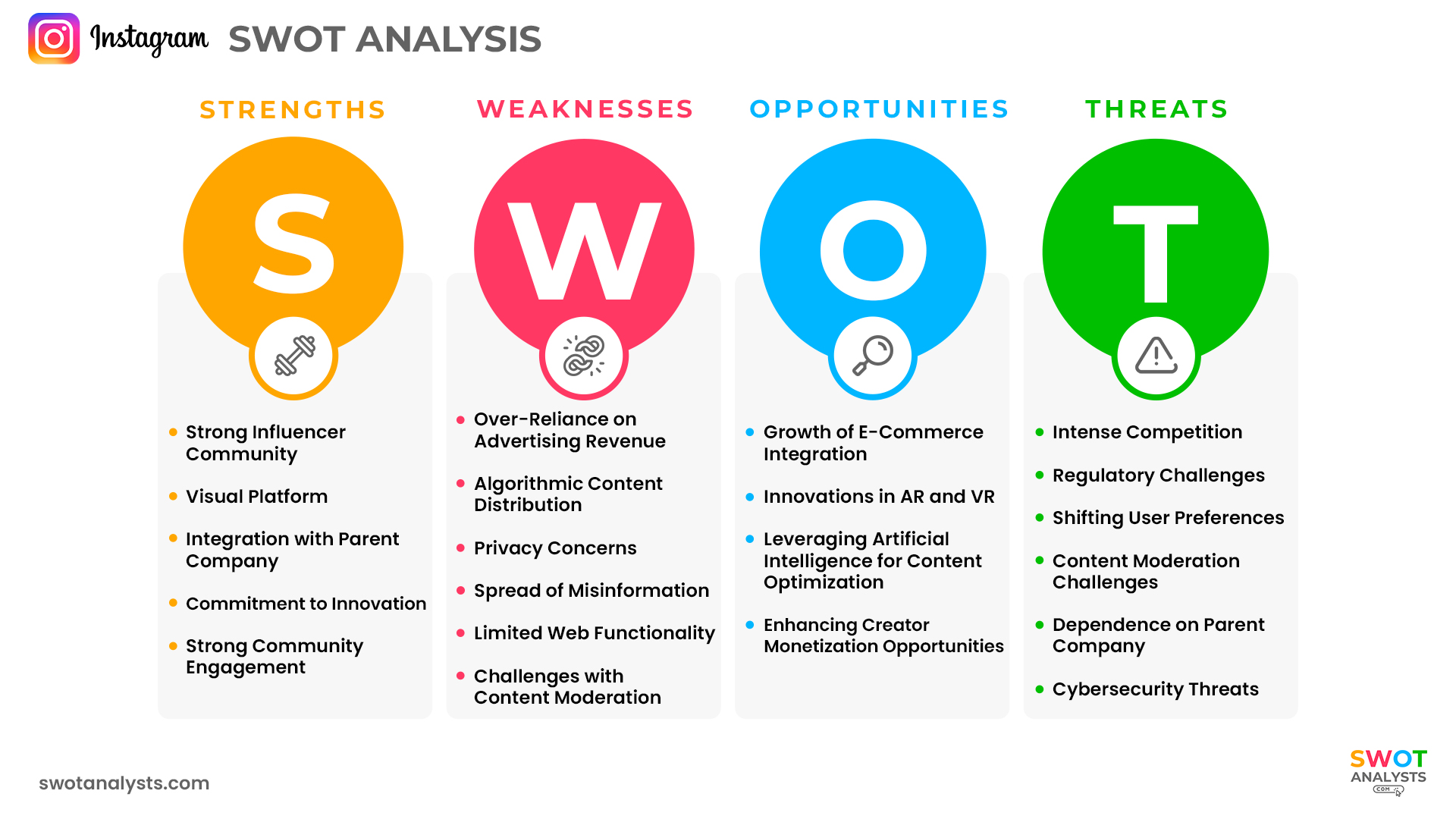
With the influencer market becoming increasingly saturated, sustaining relevancy is a critical challenge. Future success will depend on continuous innovation in content creation, deep understanding of evolving audience preferences, and the ability to adapt to new platform features and industry trends. Influencers will need to continually refine their personal brand, expand their skill sets, and perhaps even diversify across multiple platforms to maintain their competitive edge. For brands, this means perpetually scouting for authentic, innovative voices and fostering long-term strategic relationships built on mutual growth and adaptability. The ecosystem will continue to thrive for those who treat their influence not as a fleeting trend, but as a dynamic, evolving brand requiring strategic cultivation and unwavering dedication.
aViewFromTheCave is a participant in the Amazon Services LLC Associates Program, an affiliate advertising program designed to provide a means for sites to earn advertising fees by advertising and linking to Amazon.com. Amazon, the Amazon logo, AmazonSupply, and the AmazonSupply logo are trademarks of Amazon.com, Inc. or its affiliates. As an Amazon Associate we earn affiliate commissions from qualifying purchases.