
In the complex tapestry of urban development and real estate investment, zoning regulations stand as a foundational pillar, dictating how land can be used, what can be built, and ultimately, a property’s inherent financial value. Among the myriad of zoning classifications, “R5” often emerges as a significant designation, particularly for those looking to invest in or develop residential properties. Far from being an obscure bureaucratic detail, understanding R5 zoning is a critical financial tool, offering insights into potential returns, risks, and opportunities in the real estate market.

This article will delve into the specifics of R5 zoning, exploring its typical characteristics and, more importantly, dissecting its profound financial implications for homeowners, developers, and investors alike. We will uncover how this specific classification can unlock pathways to income generation, asset appreciation, and strategic financial planning within the dynamic world of real estate.
The Fundamentals of Zoning and Why It Matters Financially
Before we pinpoint R5, it’s essential to grasp the broader concept of zoning and why it’s not merely a regulatory burden but a crucial determinant of financial success in real estate. Zoning ordinances are local laws that divide municipalities into various districts or zones, each with specific rules for land use, building size, and density.
Decoding Zoning: More Than Just Rules
At its core, zoning serves to organize urban and suburban landscapes, ensuring compatible land uses and preventing industrial factories from springing up next to quiet residential streets. For the financially savvy, however, zoning is much more. It directly impacts property value by defining what a parcel of land can be used for. A plot zoned for commercial use will inherently have a different market value than an identically sized plot zoned for single-family residential, simply because their potential for income generation differs wildly.
Zoning dictates the “highest and best use” of a property – a critical concept in real estate valuation. This refers to the most profitable use of a property that is physically possible, legally permissible (by zoning), financially feasible, and maximally productive. If zoning restricts a prime piece of land to a low-density use, its potential financial return is capped, affecting its purchase price and investment appeal. Conversely, a zoning classification that allows for high-density development in a desirable area can exponentially increase a property’s value, creating lucrative opportunities for developers and investors.
How Zoning Protects and Creates Value
Zoning’s financial impact is dual-pronged: it protects existing property values and creates new opportunities for value generation. On the protective side, zoning prevents depreciation by maintaining neighborhood character and preventing “nuisance” developments that could negatively impact residential quality of life and, consequently, property prices. For a homeowner, knowing their quiet street won’t suddenly become a bustling commercial hub provides security for their investment.
On the creative side, specific zoning designations like R5 are designed to facilitate certain types of development that meet market demand, thereby creating value. For instance, in growing urban centers, there’s often a significant demand for multi-family housing. Zoning classifications that permit increased density enable developers to build more units on a single parcel, leading to higher revenue potential from rents or sales. This increased development capacity translates directly into higher land values for owners whose property falls within such zones, presenting significant financial windfalls.
Diving Deep into R5 Zoning: A Financial Perspective
Now, let’s zero in on R5 zoning. While specific definitions can vary slightly between municipalities, “R5” typically denotes a high-density residential zone. Understanding this classification is paramount for anyone looking to invest in or develop urban or near-urban properties.
Understanding R5: High-Density Residential Potential
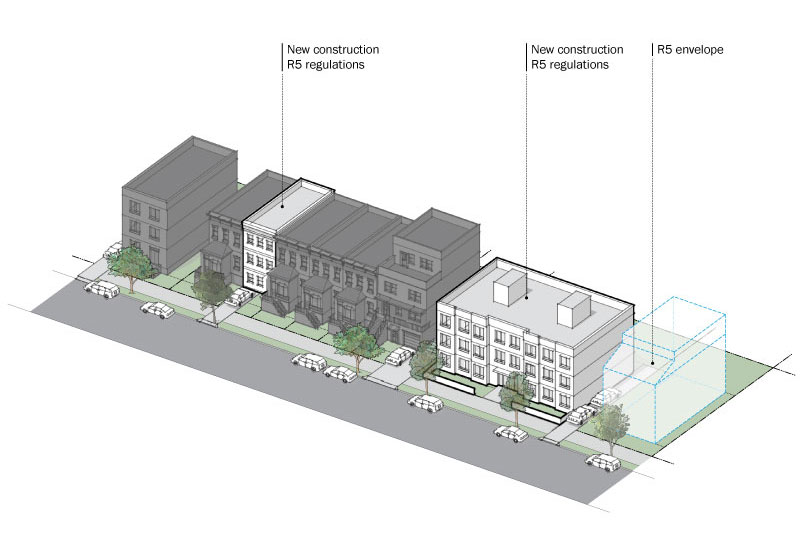
R5 zoning generally permits the construction of multi-family dwellings, which can include apartment buildings, condominiums, townhouses, and duplexes. This stands in contrast to lower-density residential zones (like R1 or R2) which primarily allow single-family homes. The “5” in R5 often indicates a higher level of density compared to R3 or R4, implying more units per acre, potentially greater building heights, and less stringent setback requirements.
The type of structures allowed under R5 zoning caters to specific demographic and financial needs. It facilitates living arrangements for a diverse population, including young professionals, families, and retirees seeking urban convenience, affordability, or rental flexibility. From a financial standpoint, this means properties in R5 zones are inherently designed to generate income through multiple rental units or to offer a dense concentration of for-sale units, maximizing the use of land in areas with high population demand.
Investment Opportunities in R5 Zones
The financial appeal of R5 zoning is substantial, primarily revolving around its capacity for income generation and asset appreciation:
- Rental Income Generation: R5 zones are ideal for investors seeking consistent cash flow from rental properties. Multi-family buildings, whether purchased as existing assets or developed from scratch, provide diversified income streams from multiple tenants. A vacancy in one unit doesn’t necessarily halt all income, offering greater stability than a single-family rental.
- Real Estate Development Potential: For developers, R5 land is a goldmine. The ability to build numerous units on a single parcel significantly lowers the per-unit land cost, increasing profit margins. New construction or the conversion of existing structures into multi-family units in R5 zones can yield high returns, especially in rapidly urbanizing areas with housing shortages.
- Appreciation Due to High Demand: Properties in R5 zones are often located in areas with robust demand for housing, driven by factors like job growth, amenities, and public transit access. This sustained demand typically translates into strong property value appreciation over time, offering substantial capital gains for investors. Furthermore, the land itself, being suitable for high-density use, often appreciates at a faster rate than land in lower-density zones.
- Diversified Investment Vehicles: For those who prefer indirect real estate exposure, understanding R5 zoning can guide investments in Real Estate Investment Trusts (REITs) that specialize in multi-family residential properties. These REITs leverage the financial benefits of R5 zones without requiring direct property management.
Financial Challenges and Risks of R5 Properties
While attractive, R5 investments are not without their financial challenges and risks:
- Higher Acquisition Costs: Land suitable for R5 development, especially in desirable urban locations, commands premium prices due to its inherent development potential. This can lead to higher upfront capital requirements.
- Increased Operational Costs: Managing multi-family properties involves greater operational complexities and costs compared to single-family homes. This includes higher property management fees, more frequent maintenance for shared amenities, and increased utility expenses.
- Market Saturation Risk: An influx of new multi-family developments in an R5 zone can lead to market saturation, potentially driving down rental rates or property values if supply outpaces demand. Thorough market analysis is crucial to mitigate this risk.
- Regulatory Hurdles and Community Opposition: While R5 zoning permits high density, specific projects may still face intense scrutiny from local planning boards and community groups. “Not In My Backyard” (NIMBY) opposition can lead to costly delays, require project modifications, or even halt development altogether, significantly impacting financial projections.
Valuating Property in R5 Zones: A Financial Lens
Accurate valuation is paramount for any real estate transaction, but it takes on particular nuance when dealing with R5 properties. Their income-generating potential makes traditional valuation methods less applicable and emphasizes specific financial approaches.
The Income Approach: Key for R5 Properties
For investment properties in R5 zones, the income capitalization approach is often the most relevant and reliable valuation method. This approach estimates a property’s value based on its ability to generate income. It typically involves:
- Calculating Net Operating Income (NOI): This is the property’s annual income after deducting all operating expenses (property taxes, insurance, maintenance, property management, etc.), but before accounting for debt service or income taxes.
- Applying a Capitalization Rate (Cap Rate): The NOI is then divided by the market-derived cap rate for similar properties in the area. The cap rate represents the rate of return an investor expects on an income-producing property. A lower cap rate generally indicates a higher property value (and lower perceived risk), while a higher cap rate suggests a lower value (and higher perceived risk).
Understanding and accurately forecasting NOI, as well as researching appropriate cap rates, is fundamental for financially sound R5 property investments. Comparing cap rates for R5 multi-family properties versus single-family homes often reveals different risk/reward profiles and market liquidity.
Comparative Market Analysis (CMA) and Development Potential
While the income approach is critical, a Comparative Market Analysis (CMA) still plays a role, especially for comparing R5 properties with similar zoning that have recently sold. However, the comparison must be astute, taking into account not just square footage or number of units, but also density allowances, buildable area, and the specific types of multi-family dwellings permitted.
Crucially, for undeveloped or under-developed land in an R5 zone, valuation must heavily consider its development potential. This involves assessing the maximum number of units that can be built, the estimated construction costs, projected rental income or sale prices, and the time frame for development. This forward-looking financial analysis often uses discounted cash flow (DCF) models to project future revenues and costs, then discounts them back to a present value. Understanding land value versus the value of an improved property is key here, as the “highest and best use” under R5 zoning often implies demolition of existing structures to build higher density.
Impact of Zoning Changes and Variances on Value
One of the most dramatic financial impacts on an R5 property can come from zoning changes. An “up-zoning” (e.g., from R3 to R5, or an increase in R5 density limits) can dramatically increase a property’s value overnight, as it allows for greater development and income generation. Conversely, a “down-zoning” can significantly diminish value, capping future development potential. Investors must stay informed about local planning initiatives and potential changes to zoning maps.
Furthermore, obtaining a variance or special permit that allows for a deviation from standard R5 regulations can unlock significant value. For instance, a variance allowing slightly greater height or a reduction in parking requirements could enable the addition of more units, boosting profitability. The financial implications of securing such approvals, including legal and application fees, must be weighed against the potential increase in property value.
Navigating R5 Zoning for Financial Success
Successfully leveraging R5 zoning for financial gain requires diligence, foresight, and a comprehensive understanding of both market dynamics and regulatory frameworks.
Due Diligence for Buyers and Investors
Before committing capital to an R5 property, exhaustive due diligence is non-negotiable:
- Research Specific Zoning Regulations: Never assume generic R5 definitions. Obtain the exact zoning ordinance from the local municipality, understanding all specific requirements regarding density, height, setbacks, parking, and permitted uses.
- Consult Experts: Engage with experienced real estate attorneys specializing in zoning, urban planners, and financial advisors. Their expertise can help navigate complex regulations, identify potential pitfalls, and provide realistic financial projections.
- Understand Future Development Plans: Investigate the municipality’s master plan or comprehensive plan. Are there planned infrastructure projects that could boost demand? Or, conversely, are there plans for increased density elsewhere that could create competition? Understanding the long-term vision for the area is crucial for long-term financial stability.
Maximizing Returns in R5 Environments
Once an R5 investment is secured, proactive strategies are essential to maximize returns:
- Optimize Property Management: Efficient property management is critical for multi-family properties. This includes effective tenant screening, prompt maintenance, and strategies for tenant retention to minimize vacancy rates and associated income loss.
- Identify Value-Add Opportunities: Look for opportunities to enhance the property’s appeal and generate higher rents. This could involve renovating units, upgrading common areas, adding desirable amenities (e.g., fitness centers, communal workspaces), or improving energy efficiency.
- Understand Market Cycles: The multi-family rental market is subject to cycles influenced by economic conditions, job growth, and interest rates. Astute investors track these cycles to make informed decisions about rent adjustments, renovations, and potential disposition of assets.

Conclusion
Understanding “what is zoning R5” transcends mere knowledge of urban planning; it is a fundamental pillar of informed financial decision-making in real estate. This high-density residential classification presents distinct opportunities for income generation, asset appreciation, and strategic development, making it a compelling focus for investors and property owners. However, its financial potential is inextricably linked to navigating specific regulations, understanding complex valuation methodologies, and diligently assessing both risks and opportunities.
For anyone looking to invest in, develop, or even simply understand the value of property within urban landscapes, a deep dive into R5 zoning is not just recommended – it’s financially imperative. It equips individuals with the insights needed to make calculated moves, mitigate risks, and ultimately unlock significant financial success in the ever-evolving world of real estate. Zoning is not a static concept; it’s a living framework that demands continuous attention for financial foresight and prosperity.
aViewFromTheCave is a participant in the Amazon Services LLC Associates Program, an affiliate advertising program designed to provide a means for sites to earn advertising fees by advertising and linking to Amazon.com. Amazon, the Amazon logo, AmazonSupply, and the AmazonSupply logo are trademarks of Amazon.com, Inc. or its affiliates. As an Amazon Associate we earn affiliate commissions from qualifying purchases.