
The culinary world often differentiates poultry and other meats into two distinct categories: white meat and dark meat. This classification isn’t merely an arbitrary distinction for chefs and home cooks; it’s rooted in the biological composition and functional differences of muscle tissue. Understanding what makes meat “white” or “dark” provides valuable insights into its nutritional profile, cooking properties, and even its taste and texture. This exploration will delve into the scientific basis behind this common culinary division, explore the practical implications for cooking and eating, and touch upon the nutritional nuances that set these two types of meat apart.
The Biological Foundation: Muscle Fiber Types and Myoglobin
The fundamental difference between white meat and dark meat lies in the prevalence of specific muscle fiber types and the concentration of myoglobin within them. Myoglobin is a protein found in muscle cells that stores oxygen and gives meat its characteristic red or pinkish hue. The color of the meat is directly proportional to the amount of myoglobin present.
Myoglobin: The Color Pigment
Myoglobin’s primary role is to facilitate oxygen transport and storage within muscle tissue. Muscles that are used frequently and for sustained periods require a greater supply of oxygen to function efficiently. These high-demand muscles develop a richer concentration of myoglobin, leading to a darker color. Conversely, muscles that are utilized for shorter bursts of activity or are relatively sedentary will have lower myoglobin levels and appear lighter in color.
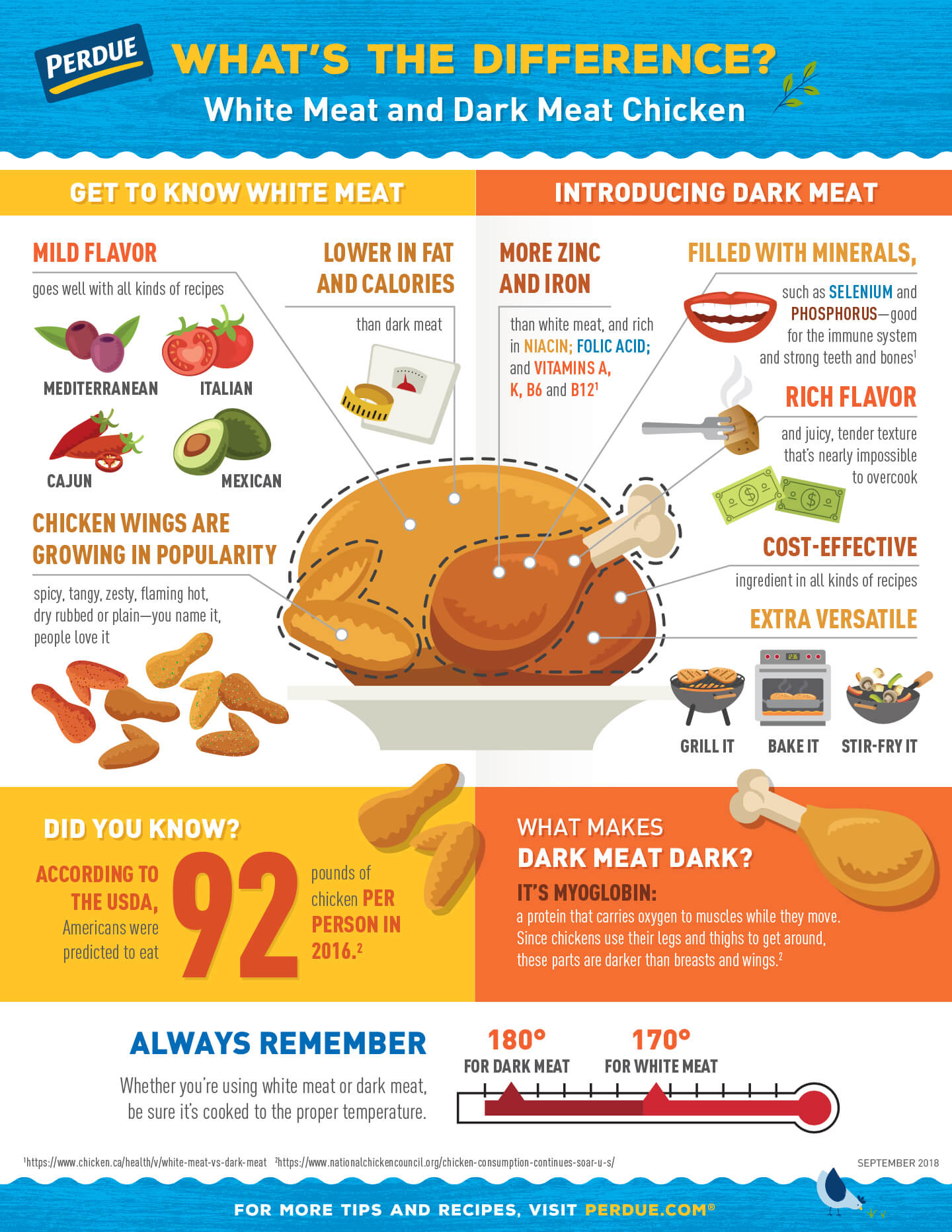
In poultry, the breast muscles are typically used for short bursts of flight, such as taking off or evading predators. These muscles are designed for quick bursts of energy rather than sustained activity. Consequently, they have a lower myoglobin content, resulting in the characteristic white color of chicken and turkey breasts. In contrast, the leg and thigh muscles are used for standing, walking, and scratching, requiring constant and sustained energy. This continuous usage leads to a higher myoglobin concentration in these muscles, giving them their darker hue.
Muscle Fiber Types: Slow-Twitch vs. Fast-Twitch
Beyond myoglobin, the types of muscle fibers present play a significant role. Muscle tissue is comprised of different fiber types, broadly categorized as slow-twitch and fast-twitch.
Slow-Twitch Fibers (Type I)
Slow-twitch fibers are adapted for endurance activities. They are rich in mitochondria, the powerhouses of the cell, and are highly efficient at using oxygen to produce energy aerobically. These fibers are also packed with myoglobin, which helps in oxygen delivery and storage, allowing for prolonged, low-intensity contractions. Muscles composed predominantly of slow-twitch fibers, which are consistently engaged, will appear darker.
Fast-Twitch Fibers (Type II)
Fast-twitch fibers are designed for quick, powerful movements and anaerobic energy production. They rely more on glycogen stores for fuel and are less reliant on a constant oxygen supply. These fibers have fewer mitochondria and lower myoglobin content, contributing to their lighter color. Muscles primarily used for rapid bursts of activity, like the flight muscles of a bird, are rich in fast-twitch fibers.
The interplay between these muscle fiber types and myoglobin concentration is the scientific bedrock of the white meat and dark meat distinction. While primarily discussed in the context of poultry, this principle also applies, to varying degrees, to other animal meats, influencing the classification of cuts from beef, pork, and lamb.
Culinary Characteristics and Cooking Applications
The inherent differences in myoglobin and muscle fiber composition between white and dark meat translate directly into distinct culinary characteristics, influencing their flavor, texture, and optimal cooking methods. Recognizing these differences allows for more informed preparation and a more satisfying dining experience.
Texture and Tenderness
White meat, with its lower fat content and less connective tissue, tends to be more tender and has a finer grain. The muscle fibers are generally leaner and break down more readily during cooking. This makes white meat very forgiving to cook quickly and to temperatures that might render other meats tough. However, its leanness also means it can dry out more easily if overcooked, requiring careful attention to cooking times and internal temperatures.
Dark meat, on the other hand, is characterized by a richer, more robust flavor and a denser, often juicier texture. This is due to its higher myoglobin content, which contributes to a more intense, iron-like flavor. Furthermore, dark meat typically has more intramuscular fat and connective tissue. While this can make it seem tougher initially, these components break down during slower, moist cooking methods, resulting in a succulent and flavorful outcome. The increased fat content also helps to keep dark meat moist during cooking, making it more resilient to overcooking than white meat.
Flavor Profile
The flavor profiles of white and dark meat are a direct reflection of their biological makeup. White meat is generally milder and more subtle in taste. This makes it a versatile canvas for various marinades, spices, and sauces, allowing other flavors to take center stage. Its neutral profile makes it a popular choice for dishes where the focus is on accompanying ingredients.
Dark meat possesses a more pronounced, deeper, and arguably richer flavor. The higher fat content and myoglobin contribute to a more savory and distinct taste. This inherent richness means dark meat often stands well on its own, requiring less enhancement to achieve a satisfying flavor. Many find the more intense taste of dark meat to be more appealing, especially in dishes where the meat itself is the star.
Cooking Methods and Best Practices
The differences in texture, tenderness, and fat content dictate the most effective cooking methods for white and dark meat.
White Meat: Quick Cooking and Lean Preparation
Due to its tenderness and propensity to dry out, white meat often benefits from quick cooking methods that preserve its moisture. Grilling, pan-searing, roasting (at moderate temperatures), and poaching are excellent choices. For methods like stir-frying or making chicken tenders, cutting white meat into smaller, uniform pieces ensures even cooking and prevents overcooking of certain parts. Brining white meat before cooking is a popular technique to enhance moisture retention and add flavor.
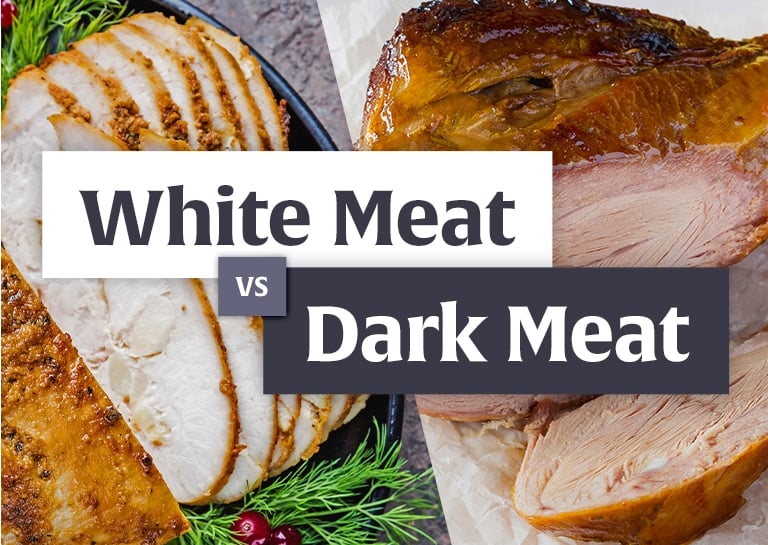
When roasting a whole bird, it’s common for the breast meat (white meat) to cook faster than the thigh and leg meat (dark meat). This can lead to a dilemma where one part is perfectly cooked while the other is either undercooked or overcooked. Strategies to mitigate this include tenting the breast with foil during the latter stages of cooking or even removing the breast portion early and finishing the thighs and legs.
Dark Meat: Slow Cooking and Moisture Retention
The higher fat and connective tissue content of dark meat makes it incredibly well-suited for slow cooking methods that allow these components to break down and tenderize. Braising, stewing, slow-roasting, and smoking are ideal for dark meat. These methods infuse the meat with moisture and flavor, resulting in an exceptionally tender and succulent final product. The richness of dark meat also stands up well to longer cooking times without becoming dry.
For dishes like curries, stews, or pulled chicken/turkey, dark meat is often the preferred choice because it remains moist and flavorful throughout the extended cooking process. Its ability to absorb braising liquids and spices makes it an excellent ingredient for developing complex flavor profiles.
Nutritional Differences: Fat, Protein, and Micronutrients
While both white and dark meat are excellent sources of protein and various micronutrients, their differing compositions lead to some notable nutritional distinctions. These differences can be a consideration for individuals managing their diet, particularly concerning fat intake and specific vitamin and mineral consumption.
Fat Content and Types
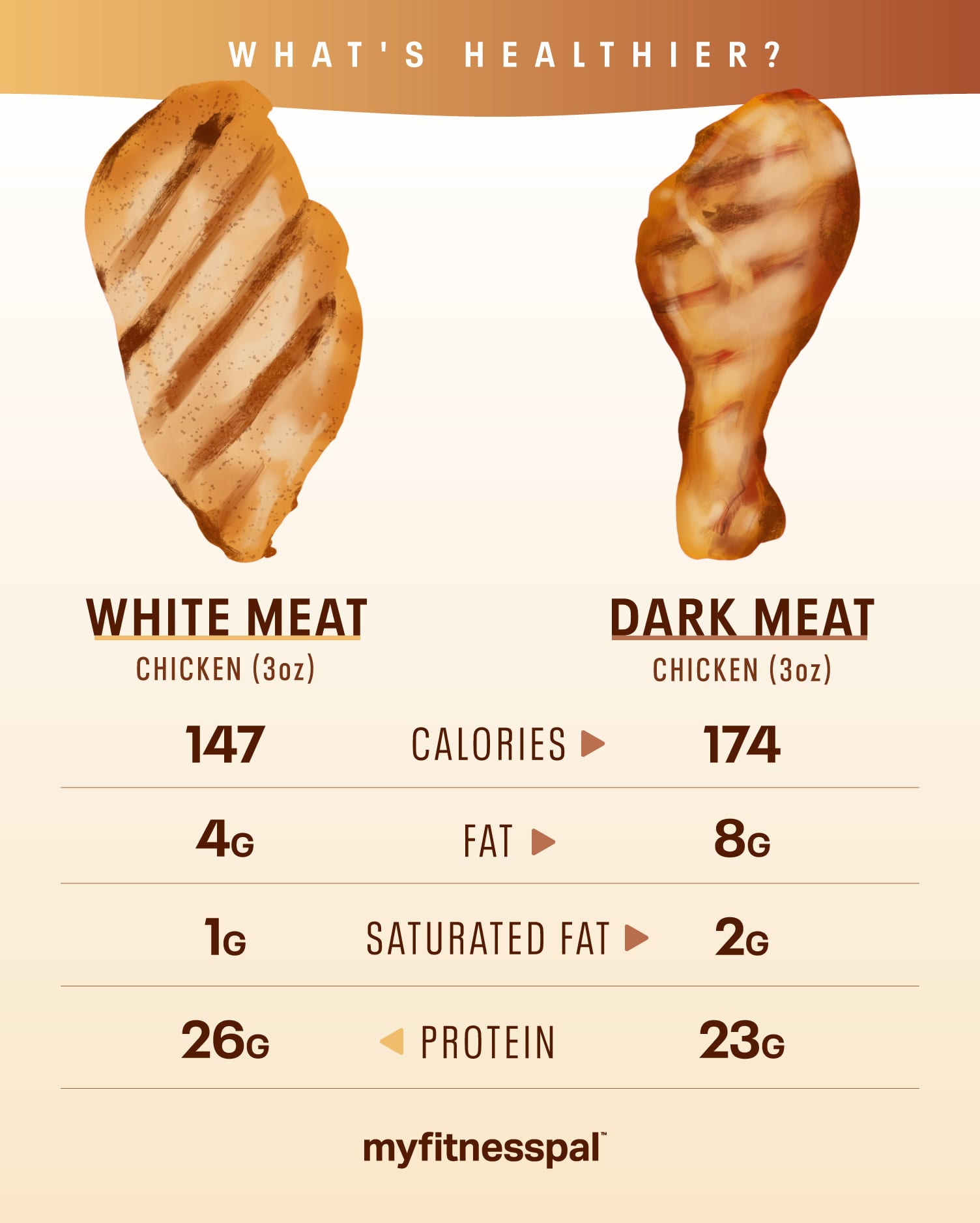
A primary nutritional differentiator is the fat content. Generally, dark meat contains more fat than white meat. This fat is distributed both intramuscularly (within the muscle) and as subcutaneous fat (under the skin). While the increased fat in dark meat contributes to its flavor and juiciness, it also means it is higher in calories compared to white meat.
The type of fat is also worth noting. While both contain saturated and unsaturated fats, the proportion can vary. For instance, chicken and turkey dark meat tend to have a higher proportion of unsaturated fats compared to some other red meats. However, the overall fat content is still a factor for dietary considerations.
Protein and Iron
Both white and dark meat are complete protein sources, providing all the essential amino acids necessary for bodily functions. The protein content per serving is generally comparable, although slight variations can exist depending on the specific cut and preparation.
A significant difference lies in iron content. Dark meat, due to its higher myoglobin concentration, is a richer source of iron than white meat. Myoglobin contains iron, which is essential for oxygen transport in the blood. For individuals who are at risk of iron deficiency or seek to increase their dietary iron intake, dark meat can be a more beneficial choice. Iron also plays a crucial role in energy metabolism and immune function.
Vitamins and Minerals
Beyond iron, both types of meat offer a spectrum of vitamins and minerals. They are good sources of B vitamins, particularly niacin, B6, and B12, which are vital for energy production, nervous system function, and red blood cell formation. They also provide essential minerals like phosphorus, selenium, and zinc.
However, dark meat often boasts slightly higher concentrations of certain B vitamins and minerals like zinc and selenium due to its more active and metabolically demanding nature. While white meat is still nutritionally valuable, these marginal differences can add up for those paying close attention to their micronutrient intake.
Broader Applications: Beyond Poultry
While the terms “white meat” and “dark meat” are most commonly associated with poultry like chickens and turkeys, the underlying biological principles can be observed in other animal meats, influencing how different cuts are categorized and cooked. Understanding this broader application can enhance culinary appreciation for various animal proteins.
Red Meat Classification
The distinction in red meat is less about a strict white vs. dark dichotomy and more about the overall myoglobin content and muscle usage. Beef, lamb, and pork are generally considered “red meats” because their muscles have a higher baseline myoglobin concentration than poultry. However, even within these animals, different cuts exhibit varying degrees of redness and tenderness.
For instance, cuts from the leg and shoulder muscles of beef and lamb, which are worked more extensively, tend to be darker and can be tougher. These cuts are often best suited for slow, moist cooking methods like braising or stewing to break down connective tissues and tenderize the meat. Conversely, more tender cuts from the loin or rib, which are less used, are lighter in color (though still red) and are often cooked quickly using methods like grilling or pan-searing.
Fish: A Unique Spectrum
The classification of fish meat is even more nuanced. Many fish, particularly those that are constantly swimming and highly active (like tuna or salmon), possess muscles rich in myoglobin, giving them a distinctly pink or red hue – hence, “dark meat” fish. These fish are often migratory and require sustained energy for their journeys, necessitating a greater oxygen supply and, consequently, more myoglobin.
Other fish, like cod or tilapia, have muscles that are primarily used for short bursts of movement or are less engaged, resulting in very low myoglobin content and a white, flaky flesh. This is their “white meat.” The fat content also plays a role; fatty fish (like salmon) are often considered “darker” due to both myoglobin and fat distribution, contributing to their rich flavor and texture.
Culinary Implications Across Meats
The principles of white and dark meat apply conceptually across various animal proteins:
- Active Muscles = Darker, Richer Flavor, More Connective Tissue: These meats often benefit from slower, moist cooking to become tender and to develop their full flavor potential.
- Less Active Muscles = Lighter Color, Milder Flavor, Less Connective Tissue: These meats are typically more tender and cook well with quick, dry heat methods.
By understanding these underlying biological distinctions, cooks and diners can make more informed choices about preparing and enjoying the diverse array of meats available, appreciating the inherent qualities that each brings to the table. Whether it’s the lean succulence of a chicken breast or the robust depth of a slow-braised lamb shank, the “color” of the meat offers valuable clues to its culinary destiny.
aViewFromTheCave is a participant in the Amazon Services LLC Associates Program, an affiliate advertising program designed to provide a means for sites to earn advertising fees by advertising and linking to Amazon.com. Amazon, the Amazon logo, AmazonSupply, and the AmazonSupply logo are trademarks of Amazon.com, Inc. or its affiliates. As an Amazon Associate we earn affiliate commissions from qualifying purchases.