
In the dynamic world of healthcare, acronyms and abbreviations are commonplace, often simplifying complex medical concepts. While “VS” traditionally and most commonly stands for “Vital Signs” – a fundamental set of physiological measurements indicating the body’s basic functions – its meaning in the context of medical technology is evolving. Today, “VS” is increasingly recognized as shorthand for Virtual Simulation, a powerful technological paradigm that is revolutionizing medical education, surgical planning, and clinical practice. This article will demystify Virtual Simulation in medical terms, exploring its technological underpinnings, diverse applications, profound benefits, and the future trajectory within the healthcare landscape.

Decoding “VS”: Virtual Simulation in Healthcare
The journey from “Vital Signs” to “Virtual Simulation” reflects the accelerating pace of technological integration into medicine. While monitoring vital signs remains a cornerstone of patient care, Virtual Simulation represents a leap into predictive, preparatory, and precision-driven healthcare.
Beyond Vital Signs: The Evolving Acronym
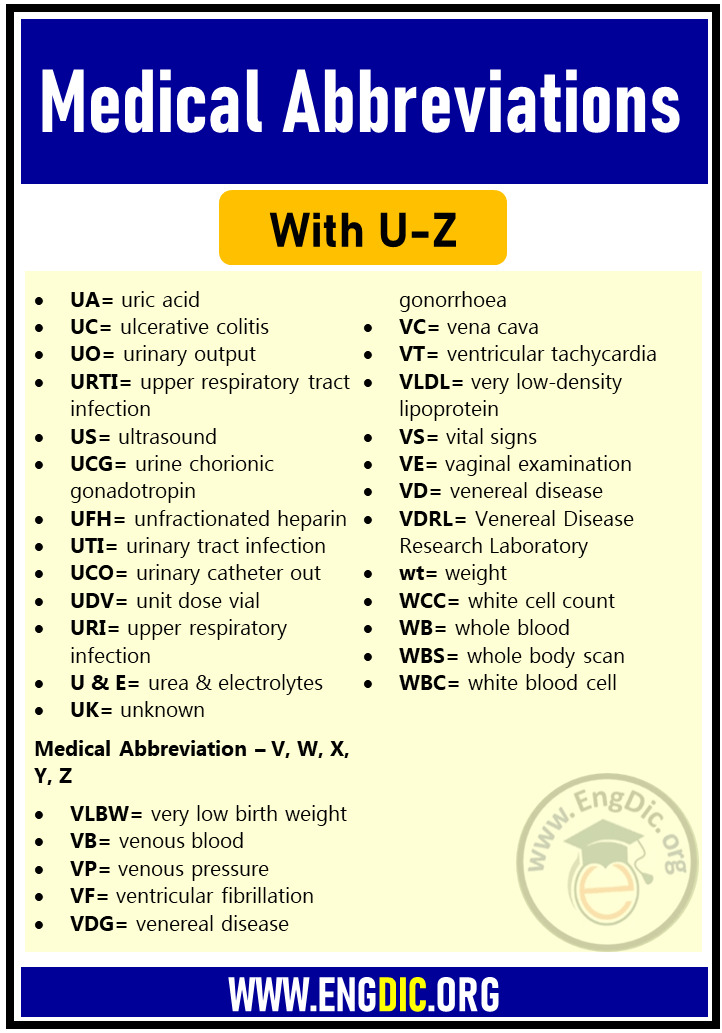
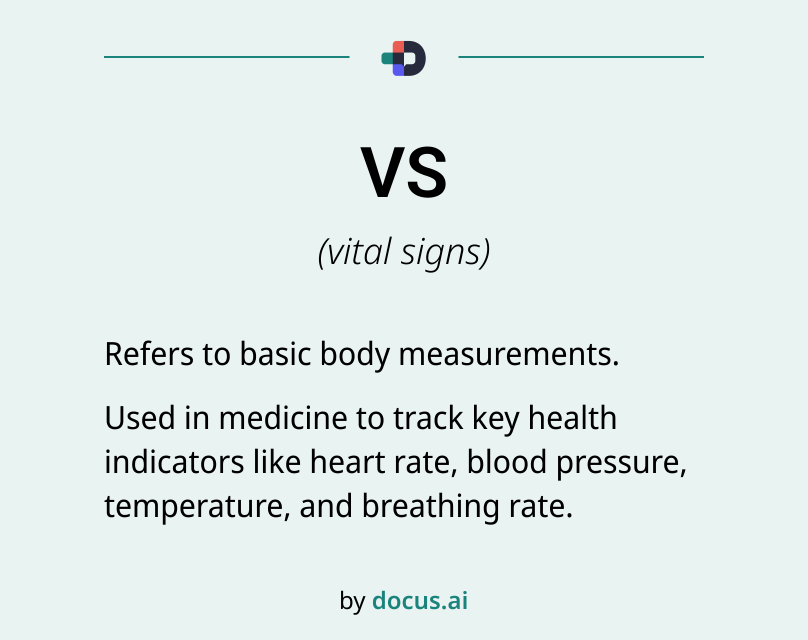
For decades, any healthcare professional would immediately associate “VS” with a patient’s temperature, pulse, respiration rate, and blood pressure. These objective measurements are critical for assessing health status, detecting medical problems, and monitoring recovery. However, as digital innovation permeates every facet of life, including medicine, the context in which “VS” appears now often points towards advanced computational models and immersive digital environments.
Virtual Simulation (VS) in a medical context refers to the use of computer-generated environments, digital models, and interactive software to replicate real-world medical scenarios. These simulations are designed to provide a realistic, safe, and controlled space for medical professionals to train, practice, and plan complex procedures without posing any risk to actual patients. It leverages sophisticated technology to create highly accurate representations of human anatomy, physiological responses, and surgical procedures, enabling unparalleled opportunities for learning and skill development.
The Technological Backbone of VS
The efficacy and realism of medical Virtual Simulation are built upon a sophisticated array of technologies, each playing a critical role in creating immersive and effective learning environments.
- Immersive Technologies (VR, AR, MR):
- Virtual Reality (VR): Fully immerses users in a simulated medical environment, often using headsets, blocking out the real world. This is ideal for surgical training or complex diagnostic scenarios where complete focus is required.
- Augmented Reality (AR): Overlays digital information onto the real world, often via smart glasses or tablet screens. In medicine, AR can assist surgeons by projecting patient imaging data directly onto the operative field or guide nurses in IV insertions.
- Mixed Reality (MR): Blends virtual objects with the real world in a way that allows them to interact, creating a more cohesive and interactive experience than AR. This can be used for collaborative surgical planning, where multiple practitioners interact with a 3D anatomical model in a shared physical space.
- Haptic Feedback Systems: These advanced interfaces provide tactile sensations, allowing users to “feel” virtual tissues, organs, or surgical instruments. This is crucial for developing fine motor skills and understanding the resistance or texture encountered during real procedures, enhancing the realism and effectiveness of surgical simulations.
- Advanced Imaging & Modeling: High-resolution medical imaging techniques like CT (Computed Tomography), MRI (Magnetic Resonance Imaging), and ultrasound are fundamental. These scans provide the raw data used to create highly detailed, patient-specific 3D anatomical models, often rendered with photorealistic textures. This allows for truly personalized surgical planning and training based on an individual patient’s unique anatomy.
- AI & Machine Learning (ML): Artificial intelligence algorithms power many aspects of VS. AI can generate dynamic and realistic patient responses, adapt scenarios based on trainee performance, provide intelligent feedback, and analyze vast datasets of simulated procedures to identify patterns and areas for improvement. ML models contribute to the continuous refinement of simulation realism and educational effectiveness.
- Biomechanical Modeling: This involves the computational simulation of how biological tissues and fluids behave under various forces and conditions. For example, accurately modeling how a lung inflates, how blood flows through vessels, or how soft tissue deforms during dissection is vital for creating truly authentic surgical and diagnostic simulations.
Applications of VS Across Medical Disciplines
The adoption of Virtual Simulation is not limited to a single medical specialty; it spans a broad spectrum of healthcare disciplines, transforming training, practice, and even patient engagement.
Surgical Training and Pre-operative Planning
One of the most impactful applications of VS is in surgical education and preparation, offering a risk-free environment for practitioners to hone their skills.
- Simulated Procedures: From routine laparoscopic appendectomies to intricate neurosurgeries and complex robotic-assisted procedures, VS platforms allow surgeons to practice repeatedly. This includes training on specific steps, managing complications, and improving dexterity with specialized instruments.
- Patient-Specific Planning: Utilizing a patient’s individual CT or MRI scans, 3D virtual models of their specific anatomy can be created. Surgeons can then rehearse an entire operation on this digital twin, anticipating challenges, optimizing approaches, and identifying potential risks before ever making an incision on the actual patient. This is particularly valuable for complex oncological surgeries or congenital anomalies.
- Skill Acquisition & Proficiency: VS offers objective performance metrics, tracking parameters like instrument path, force applied, efficiency, and error rates. This data-driven feedback allows trainees to monitor their progress, identify weaknesses, and work towards objective benchmarks for proficiency, accelerating skill acquisition far beyond traditional methods.
Diagnostic & Therapeutic Training
VS extends beyond the operating room, offering crucial training for diagnostic interpretation and therapeutic interventions.
- Medical Imaging Interpretation: Trainees can practice interpreting X-rays, CT scans, MRIs, and ultrasounds in simulated environments, encountering a wide range of normal and pathological findings. This helps develop keen diagnostic eyes and reduces the learning curve associated with complex image analysis.
- Interventional Procedures: From cardiac catheterization and endoscopic procedures to biopsies and nerve blocks, VS allows practitioners to master precise, minimally invasive techniques. The ability to simulate the navigation of instruments through delicate anatomical structures under realistic haptic feedback is invaluable.
- Emergency Medicine: VS creates high-fidelity trauma scenarios, mass casualty incidents, and critical resuscitation training (e.g., Advanced Cardiovascular Life Support – ACLS). Teams can practice communication, leadership, and rapid decision-making under pressure, improving response times and patient outcomes in real emergencies.
- Pharmacology & Drug Discovery: In a more abstract sense, “virtual screening” (a form of VS) uses computational models to simulate the interaction of thousands of potential drug compounds with biological targets. This significantly accelerates the drug discovery process by identifying promising candidates for further laboratory testing, reducing costs and time.
Patient Education and Rehabilitation
Beyond professional training, VS is also empowering patients and aiding in their recovery.
- Explaining Conditions: Complex medical conditions, surgical procedures, or anatomical structures can be visualized in 3D using VR/AR, helping patients better understand their diagnosis and treatment plan. This enhances patient engagement and shared decision-making.
- Rehabilitation Programs: Gamified VR exercises are being used in physical therapy, occupational therapy, and neurorehabilitation. Patients can perform targeted movements in engaging virtual environments, making therapy more enjoyable, motivating, and trackable, leading to improved adherence and recovery rates.
The Tangible Benefits and Medical Impact of VS
The widespread integration of Virtual Simulation is yielding significant advantages that translate directly into better healthcare.
Enhanced Patient Safety and Outcomes
Perhaps the most critical benefit of VS is the drastic improvement in patient safety. By allowing medical professionals to “practice until perfect” in a risk-free environment, VS significantly reduces the incidence of errors, improves surgical precision, and enhances diagnostic accuracy. Complex or novel procedures can be rehearsed multiple times, minimizing “first-in-human” risks and ensuring a smoother, safer experience for patients. The ability to anticipate and manage complications virtually translates into better preparedness during actual clinical encounters, leading to superior patient outcomes.
Accelerating Medical Education and Skill Development
VS platforms democratize access to high-quality medical education. They offer a cost-effective alternative to traditional methods (e.g., cadaver labs, animal models), providing limitless opportunities for repetitive practice and exposure to rare or complex cases that might otherwise be unavailable. The standardization of training through VS ensures that all trainees receive consistent instruction and are assessed against objective benchmarks. This accelerates the development of critical skills and fosters a culture of lifelong learning among practitioners, ensuring they remain proficient with the latest techniques and technologies.
Cost-Efficiency and Resource Optimization
From an institutional perspective, VS offers substantial economic advantages. It reduces the reliance on costly resources like cadaveric specimens, animal models, and dedicated operating room time for training purposes. The ability to simulate procedures off-hours or in dedicated simulation centers optimizes the use of valuable clinical resources. Moreover, faster and more effective training reduces the time it takes for new professionals to become clinically competent, lowering overall training costs and improving workforce readiness. In medical device development, VS allows for rapid prototyping and testing of new instruments or implants, shortening development cycles and bringing innovations to market more quickly and affordably.
Challenges and Future Trajectories for VS
Despite its immense promise, Virtual Simulation still faces hurdles that need addressing for its widespread and equitable adoption. However, its future trajectory points towards an even more integral role in healthcare.
Hurdles to Widespread Adoption
The initial investment required for sophisticated VS systems, including high-end hardware, software licenses, and ongoing content development, can be substantial. Integrating these new technologies into established medical curricula and clinical workflows also presents a significant challenge, requiring faculty training and adaptation of educational methodologies. Furthermore, proving the “transferability” of skills learned in a virtual environment to real-world clinical performance remains a crucial area of research and validation. Ensuring the realism and fidelity of simulations is an ongoing technical challenge, as even minor discrepancies can impact the learning experience.
The Horizon of Virtual Simulation in Medicine
The future of VS is characterized by a drive towards greater realism, personalization, and integration.
- Hyper-realistic Simulations: Advances in computing power, graphics processing, and haptic technology will lead to simulations with unprecedented fidelity, making virtual experiences almost indistinguishable from reality.
- AI-Driven Adaptive Learning: Future VS systems will leverage AI to create highly personalized and adaptive training paths. They will identify individual learning styles, track subtle errors, and provide real-time, intelligent feedback tailored to each learner’s needs, optimizing their skill development.
- Remote Collaboration: VS will increasingly facilitate remote collaborative training and surgical planning. Surgeons from different geographical locations will be able to interact within the same virtual environment, discussing cases, rehearsing procedures, and sharing expertise, thereby democratizing access to specialized knowledge.
- Therapeutic Applications: The scope of VS will expand beyond training into direct therapeutic interventions. Digital therapeutics utilizing VR for pain management, anxiety reduction, PTSD treatment, and neurorehabilitation are already emerging, offering non-pharmacological approaches to improve patient well-being.
- Ethical Considerations: As VS becomes more sophisticated, ethical considerations surrounding data privacy (especially with patient-specific models), potential algorithmic bias in AI-driven feedback, and the evolving human-machine interface will become increasingly important.
Conclusion
The evolution of “VS” in medical terms from “Vital Signs” to “Virtual Simulation” encapsulates a profound shift in healthcare. While vital signs remain foundational for immediate patient assessment, Virtual Simulation represents the cutting edge of medical technology, transforming how healthcare professionals are trained, how complex procedures are planned, and how patients engage with their own health. By providing a safe, realistic, and data-rich environment for skill development and innovation, Virtual Simulation is not just a tool; it is a cornerstone of modern medical education and a pivotal driver for safer, more efficient, and ultimately, higher-quality patient care in the digital age. Its trajectory promises to continue revolutionizing medical practice, making the impossible achievable and bringing precision medicine to new frontiers.
aViewFromTheCave is a participant in the Amazon Services LLC Associates Program, an affiliate advertising program designed to provide a means for sites to earn advertising fees by advertising and linking to Amazon.com. Amazon, the Amazon logo, AmazonSupply, and the AmazonSupply logo are trademarks of Amazon.com, Inc. or its affiliates. As an Amazon Associate we earn affiliate commissions from qualifying purchases.