
In the dynamic world of web development and digital content, businesses and developers are constantly seeking robust, flexible, and scalable platforms to build and manage their online presence. Among the myriad of Content Management Systems (CMS) available today, Umbraco stands out as a powerful, open-source solution built on the Microsoft .NET framework. Often hailed as “the friendliest CMS,” Umbraco offers a unique blend of developer freedom, content editor simplicity, and enterprise-grade capabilities.
At its core, Umbraco is a CMS designed to empower organizations to create, manage, and publish digital content across various channels. Unlike some of its more opinionated counterparts, Umbraco prides itself on being highly adaptable, providing a clean slate for developers to craft bespoke digital experiences tailored precisely to their project’s requirements. This flexibility, combined with its strong technical foundation and vibrant community, has positioned Umbraco as a preferred choice for a wide range of projects, from corporate websites and e-commerce platforms to complex web applications and multi-site deployments.
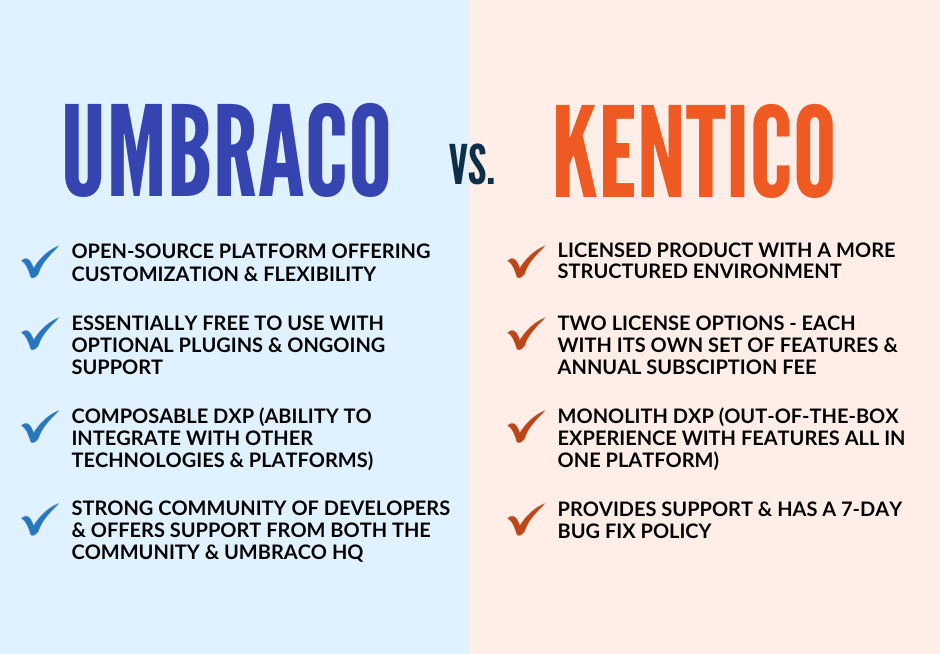
This article delves deep into Umbraco, exploring its fundamental principles, key features, technical advantages, and its standing in the modern web development ecosystem. We will uncover what makes Umbraco a compelling option for both developers seeking control and content editors desiring ease of use, all within the robust and scalable environment of the .NET framework.
Unpacking Umbraco: The Flexible .NET CMS
To truly understand Umbraco, it’s essential to grasp its foundational identity as an open-source Content Management System built on the Microsoft .NET technology stack. This combination defines much of its character and capabilities, setting it apart in a crowded market.
What Exactly is a Content Management System (CMS)?
Before diving specifically into Umbraco, let’s briefly define what a CMS is. A Content Management System is a software application or a set of related programs that are used to create and manage digital content. It facilitates content creation, modification, organization, and publication without requiring specialized technical knowledge from the user. For instance, a marketing professional can update a blog post or change an image on a website through a user-friendly interface, rather than needing to write code. Key components of a CMS typically include a Content Management Application (CMA) for the user interface and a Content Delivery Application (CDA) for compiling and delivering content to visitors. Umbraco excels in both these aspects, offering an intuitive backend for editors and a powerful engine for developers to present content.
The Open-Source Philosophy Behind Umbraco
Umbraco’s identity is inextricably linked to its open-source nature. Launched in 2004 by Niels Hartvig, Umbraco has fostered a strong global community of developers, agencies, and users who contribute to its development, documentation, and support. Being open-source means that its source code is publicly accessible, allowing anyone to inspect, modify, and enhance it. This transparency and collaborative spirit offer several advantages:
- Cost-Effectiveness: The core Umbraco CMS is free to download and use, eliminating initial licensing costs often associated with proprietary software.
- Flexibility and Customization: Developers can adapt the code to meet specific project needs, fostering a high degree of customization without vendor lock-in.
- Security and Reliability: A large community scrutinizing the code base can lead to quicker identification and resolution of bugs and security vulnerabilities.
- Innovation: Contributions from a diverse global community often drive rapid innovation and new feature development.
This open-source model has allowed Umbraco to evolve dynamically, staying responsive to the ever-changing demands of the web landscape while maintaining a robust and stable core.
Umbraco’s Foundation: Built on Microsoft .NET
Perhaps the most defining technical characteristic of Umbraco is its exclusive reliance on the Microsoft .NET framework. This choice of technology stack provides a distinct set of benefits, particularly for organizations and developers already invested in Microsoft technologies.
Umbraco leverages ASP.NET Core, the modern, cross-platform, high-performance, and open-source framework for building web apps. This means developers can utilize familiar tools like Visual Studio, write code in C#, and integrate seamlessly with other Microsoft products and services. The .NET foundation ensures:
- Robustness and Scalability: .NET applications are known for their performance, stability, and ability to handle high traffic loads, making Umbraco suitable for enterprise-level deployments.
- Developer Productivity: The strong typing, extensive libraries, and mature ecosystem of .NET and C# contribute to efficient development cycles and fewer errors.
- Security: Microsoft’s ongoing investment in .NET security provides a solid foundation for building secure web applications.
- Integration Capabilities: Easy integration with other .NET applications, databases (like SQL Server), and Azure cloud services.
This strong technical backbone is what allows Umbraco to be both incredibly flexible for developers and exceptionally reliable for content delivery.
Key Features and Distinctive Advantages
Umbraco’s unique position in the CMS market stems from a combination of powerful features designed to cater to both the technical and non-technical aspects of web management. Its advantages are rooted in its developer-centric approach, coupled with an intuitive content authoring experience.
Unparalleled Flexibility and Extensibility
One of Umbraco’s most celebrated attributes is its immense flexibility. Unlike some “off-the-shelf” CMS solutions that impose rigid structures, Umbraco offers a clean canvas. Developers aren’t constrained by pre-defined templates or content models; instead, they can define everything from scratch using “Document Types” to perfectly match the specific content structure and presentation logic required for any project. This includes:
- Custom Content Models: Developers can create unique content types with specific properties (text areas, images, dropdowns, rich text editors, etc.) tailored to the exact needs of the content.
- Templating Freedom: Umbraco integrates with modern ASP.NET MVC and Razor views, giving front-end developers full control over the HTML, CSS, and JavaScript. There are no restrictions on design or front-end frameworks.
- API-First Approach: Its underlying architecture naturally supports an API-first or headless approach, making it ideal for serving content to various front-ends like single-page applications (SPAs), mobile apps, or IoT devices.
This level of extensibility means that Umbraco can be molded to fit virtually any digital requirement, from simple brochure sites to complex multi-language, multi-site enterprise platforms.
A Developer’s Playground: Empowering Customization
For developers, Umbraco feels like home. Built on familiar Microsoft technologies, it provides a powerful, yet unopinionated environment:
- Standard .NET Tooling: Developers use Visual Studio, C#, and standard .NET libraries, reducing the learning curve for those with a .NET background.
- MVC Architecture: Adherence to the Model-View-Controller (MVC) pattern allows for clear separation of concerns, promoting clean, maintainable, and testable code.
- Open API: Umbraco exposes a comprehensive API that allows developers to interact with virtually every aspect of the CMS programmatically, from content creation to user management.
- Package Ecosystem: The Umbraco marketplace (Our Umbraco) hosts a wealth of community-contributed packages that extend functionality, ranging from SEO tools and form builders to image optimizers and advanced caching solutions. This allows developers to leverage existing solutions and accelerate development.
This rich development environment empowers teams to build highly customized, performant, and secure web solutions without fighting against the CMS itself.
Intuitive Editor Experience: Simplicity for Content Creators
While developers appreciate Umbraco’s technical depth, content editors praise its intuitive and user-friendly back office. The Umbraco interface is designed for clarity and efficiency, ensuring that non-technical users can manage content with minimal training.
- Clean and Modern UI: The back office is designed with a modern, responsive interface that is easy to navigate.
- Flexible Content Editing: Editors can easily create, edit, and publish content using rich text editors, image uploaders, and custom data types defined by developers.
- Preview Modes: Robust preview capabilities allow editors to see how their content will appear on various devices before publishing.
- Workflow and Permissions: Customizable workflows and granular permission settings enable organizations to control who can create, review, and publish content, ensuring governance and quality.
- Language Variants: Built-in support for multi-language sites makes it straightforward to manage content in different locales.
This balance between developer control and editor simplicity is a hallmark of Umbraco, fostering collaboration between technical and content teams.
Robust Ecosystem: Packages and a Thriving Community
Beyond its core features, Umbraco benefits immensely from its vibrant ecosystem:
- Our Umbraco: The official community portal is a treasure trove of resources, including documentation, forums, job boards, and the aforementioned package repository.
- Community Support: The active community provides invaluable support, shared knowledge, and collaborative problem-solving, which is a significant advantage for an open-source platform.
- Official Training & Certification: Umbraco HQ offers structured training courses and certification programs, ensuring a supply of skilled developers and best practices.
This supportive ecosystem reduces project risks, accelerates learning, and provides a continuous stream of innovation and assistance.
Scalability for Projects of All Sizes
Umbraco’s .NET foundation and architectural design make it highly scalable, capable of handling projects ranging from small personal blogs to large enterprise portals with millions of page views.
- Database Agnostic: While often used with SQL Server, Umbraco can work with other databases like Azure SQL Database.
- Caching Mechanisms: Comprehensive caching capabilities at various levels (output caching, data caching) significantly improve performance and reduce database load.
- Load Balancing Support: Umbraco is designed to work efficiently in load-balanced environments, distributing traffic across multiple servers to ensure high availability and performance.
- Cloud Deployment: It integrates seamlessly with cloud platforms like Microsoft Azure, offering elastic scalability, managed services, and global reach through services like Azure App Service and Azure CDN.
This scalability ensures that as an organization’s digital footprint grows, Umbraco can grow with it, maintaining performance and stability.
When to Choose Umbraco: Ideal Use Cases
Given its comprehensive feature set and technical foundation, Umbraco is particularly well-suited for specific types of projects and organizations. Understanding these ideal use cases can help in deciding if Umbraco is the right fit.
Complex Websites and Web Applications
Umbraco shines when a project requires more than just a basic content publishing tool. Its flexibility and extensibility make it perfect for:

- Highly Customized Designs: Projects with unique UI/UX requirements that cannot be met by off-the-shelf themes.
- Complex Data Integrations: Websites needing to pull data from various third-party systems, CRM, ERP, or custom APIs.
- Intranets and Extranets: Secure portals requiring granular user permissions and integration with internal systems.
- Multi-site or Multi-language Platforms: Organizations needing to manage multiple websites or content in several languages from a single instance.
- E-commerce Platforms: While not an e-commerce platform itself, Umbraco can be seamlessly integrated with e-commerce solutions like Umbraco Commerce (formerly Vendr) to build robust online stores.
Agencies Seeking Customization Freedom
Web development agencies frequently choose Umbraco because it provides the ultimate freedom to deliver bespoke solutions without being boxed in by a CMS’s inherent limitations. This allows agencies to:
- Meet Unique Client Demands: Craft digital experiences that precisely match client branding and functional specifications.
- Control the Development Stack: Leverage their team’s existing .NET expertise and preferred front-end frameworks.
- Deliver Highly Performant Sites: Optimize for speed and SEO with full control over the generated markup.
- Offer Flexible Maintenance: Provide solutions that are easy for clients to manage themselves post-launch.
Businesses Prioritizing .NET Integration
Organizations that have standardized on Microsoft technologies (e.NET, Azure, SQL Server) find Umbraco to be a natural and advantageous choice.
- Leveraging Existing Infrastructure: Integrate smoothly with existing IT infrastructure and active directory services.
- Utilizing In-house Expertise: Capitalize on the skills of existing .NET development teams, reducing the need for new specialized training.
- Unified Technology Stack: Maintain a consistent technology stack across various applications, simplifying maintenance and support.
Headless and API-First Architectures (Umbraco Heartcore)
The rise of JAMstack and decoupled architectures has led to an increased demand for headless CMS solutions. Umbraco is well-positioned in this space:
- Umbraco Heartcore: This is Umbraco’s dedicated headless CMS offering, providing content as a service via a robust API. It allows developers to use any front-end technology (React, Vue, Angular, mobile apps, IoT devices) while content is managed centrally in Umbraco.
- Content as a Service (CaaS): Decouples content creation from content presentation, offering maximum flexibility for multi-channel content delivery.
- Future-Proofing: Enables organizations to adapt to new digital touchpoints without re-platforming their content management system.
The Umbraco Ecosystem: Beyond the Core
Umbraco is more than just a software package; it’s a living ecosystem continually evolving to meet modern web demands. This ecosystem includes cloud offerings, specialized headless solutions, and a vibrant community that drives innovation.
Umbraco Cloud: Managed Hosting and Deployment
For organizations seeking to offload infrastructure management and streamline deployment, Umbraco Cloud offers a fully managed hosting solution. Built on Microsoft Azure, Umbraco Cloud provides:
- Automated Updates: Ensures the CMS is always running the latest and most secure version.
- Effortless Deployment: Simplifies the deployment process with built-in CI/CD pipelines, allowing developers to push changes directly from their local environment to production.
- Environment Management: Provides separate environments (development, staging, live) for testing and deployment workflows.
- Content Synchronization: Tools for syncing content and schema changes between environments.
- Security and Performance: Optimized Azure infrastructure with built-in security features and performance enhancements.
Umbraco Cloud significantly reduces the operational overhead associated with managing a self-hosted CMS, allowing teams to focus on development and content creation.
Umbraco Heartcore: The Headless Frontier
As mentioned, Umbraco Heartcore is Umbraco’s dedicated headless CMS product. While the core Umbraco CMS can be used in a decoupled fashion, Heartcore is specifically designed from the ground up to serve content purely via APIs. It offers:
- GraphQL and REST APIs: Provides flexible and powerful APIs for consuming content from any client-side application.
- Built-in CDN: Optimizes content delivery globally for speed and efficiency.
- Focus on Content API: Streamlines the content modeling and publishing process for headless consumption.
- Developer Agnostic: Allows front-end developers to work with their preferred frameworks and tools without being tied to .NET for the presentation layer.
Heartcore represents Umbraco’s commitment to modern web architecture, catering to the growing demand for highly distributed and omni-channel content strategies.
The Power of Community and Package Development
The strength of any open-source project lies in its community, and Umbraco boasts one of the most active and supportive communities in the CMS space. This collective effort manifests in:
- Extensive Documentation: Community contributions enrich the official documentation, providing practical guides and solutions.
- Forum Support: A vibrant forum where developers and users can ask questions, share knowledge, and solve problems collaboratively.
- Package Development: Thousands of community-contributed packages extend Umbraco’s functionality, covering everything from SEO and analytics to custom property editors and integration tools. These packages significantly accelerate development and add value to the platform.
- Meetups and Conferences: Regular global meetups and an annual flagship conference (Umbraco Spark and Codegarden) foster networking, learning, and sharing of best practices.
This robust ecosystem ensures that Umbraco users are never alone in their journey, benefiting from collective wisdom and continuous innovation.
Getting Started with Umbraco: A Technical Perspective
For developers interested in diving into Umbraco, understanding the initial setup and core development workflow is crucial. The process is streamlined, especially for those familiar with the .NET ecosystem.
Installation and Setup
Getting Umbraco up and running is straightforward. Developers typically have a few options:
- Local Development: Install Umbraco via NuGet packages into a new or existing ASP.NET Core project. This allows for full control over the development environment.
- Umbraco Cloud: The quickest way to get a cloud-hosted Umbraco instance with development, staging, and live environments already configured.
- Docker: Umbraco provides official Docker images, enabling containerized deployments for local development or production environments.
Once installed, the initial setup wizard guides through database configuration (SQL Server is common, but others are supported via providers) and creating the first administrator user.
Development Workflow: Templates, Document Types, and APIs
The core development workflow in Umbraco revolves around three key concepts:
- Document Types: These define the structure of your content. Developers create Document Types in the Umbraco back office, specifying which properties (e.g., text fields, image pickers, rich text editors) an editor can use for a piece of content. Document Types can inherit from each other, promoting reusability.
- Templates: These are the visual representation of your content. Using ASP.NET Core MVC Razor views, developers create HTML templates that consume data from Document Types and render it to the browser. Umbraco’s templating engine gives full control over the front-end markup, CSS, and JavaScript.
- APIs and Controllers: For more advanced functionality, developers can create custom C# controllers and APIs that interact with Umbraco’s services (e.g., content service, media service, member service) to retrieve, manipulate, or extend content and functionality. This is particularly useful for building custom forms, search functionality, or integrating with external systems.
Umbraco also supports composition, partial views, and various helper methods that streamline front-end development, making it efficient to build complex and dynamic web pages.
Security and Performance Considerations
Given its .NET foundation, Umbraco inherently benefits from Microsoft’s security measures. However, best practices are still paramount:
- HTTPS Everywhere: Always deploy Umbraco sites with SSL/TLS encryption.
- Strong Passwords and MFA: Enforce strong password policies and consider multi-factor authentication for back-office users.
- Regular Updates: Keep Umbraco and all its packages updated to benefit from the latest security patches.
- Input Validation: Implement robust input validation to prevent common web vulnerabilities like XSS and SQL injection.
- Role-Based Access Control: Utilize Umbraco’s granular permissions system to ensure users only have access to what they need.
For performance, Umbraco’s built-in caching mechanisms are a significant advantage. Developers should also:
- Optimize Database Queries: Efficiently retrieve data to minimize database load.
- Image Optimization: Compress and serve images responsively.
- CDN Usage: Utilize Content Delivery Networks (CDNs) for static assets.
- Client-Side Performance: Optimize front-end assets (JS, CSS) for faster loading times.
Adhering to these technical best practices ensures that Umbraco deployments are not only functional but also secure, performant, and maintainable.

Conclusion: Umbraco’s Place in the Modern Web Landscape
Umbraco has firmly established itself as a leading open-source Content Management System, particularly for businesses and agencies operating within the Microsoft .NET ecosystem. Its core strengths—unrivaled flexibility, a powerful developer experience, an intuitive content editor interface, and a robust, supportive community—make it a compelling choice for a vast array of digital projects.
Whether you’re building a complex enterprise website, a multi-channel digital experience with a headless architecture, or simply need a highly customizable platform that gives your development team full creative control, Umbraco offers a sophisticated yet friendly solution. It empowers developers to build exactly what’s needed without the constraints of more opinionated systems, while providing content editors with the ease of use necessary for efficient content management.
As the web continues to evolve, Umbraco’s commitment to modern technologies like ASP.NET Core, its embrace of cloud-native solutions with Umbraco Cloud and Heartcore, and its active community ensure its continued relevance and growth. For any organization seeking a powerful, scalable, and adaptable CMS built on a strong technical foundation, exploring “what is Umbraco” reveals a platform that truly delivers on its promise of being “the friendliest CMS.”
aViewFromTheCave is a participant in the Amazon Services LLC Associates Program, an affiliate advertising program designed to provide a means for sites to earn advertising fees by advertising and linking to Amazon.com. Amazon, the Amazon logo, AmazonSupply, and the AmazonSupply logo are trademarks of Amazon.com, Inc. or its affiliates. As an Amazon Associate we earn affiliate commissions from qualifying purchases.