
In the realm of speculative fiction, few biological “technologies” have been as disruptive or as pervasive as the Wildfire Virus from The Walking Dead. While often viewed through the lens of horror or survivalism, the virus—officially designated as the “Wildfire” pathogen—functions with the precision and ruthlessness of a high-level digital exploit. To understand what the virus truly is, one must step away from traditional virology and examine it as a piece of biological malware: a self-replicating, dormant code that achieved a 100% penetration rate across the global human “network” before its execution phase even began.
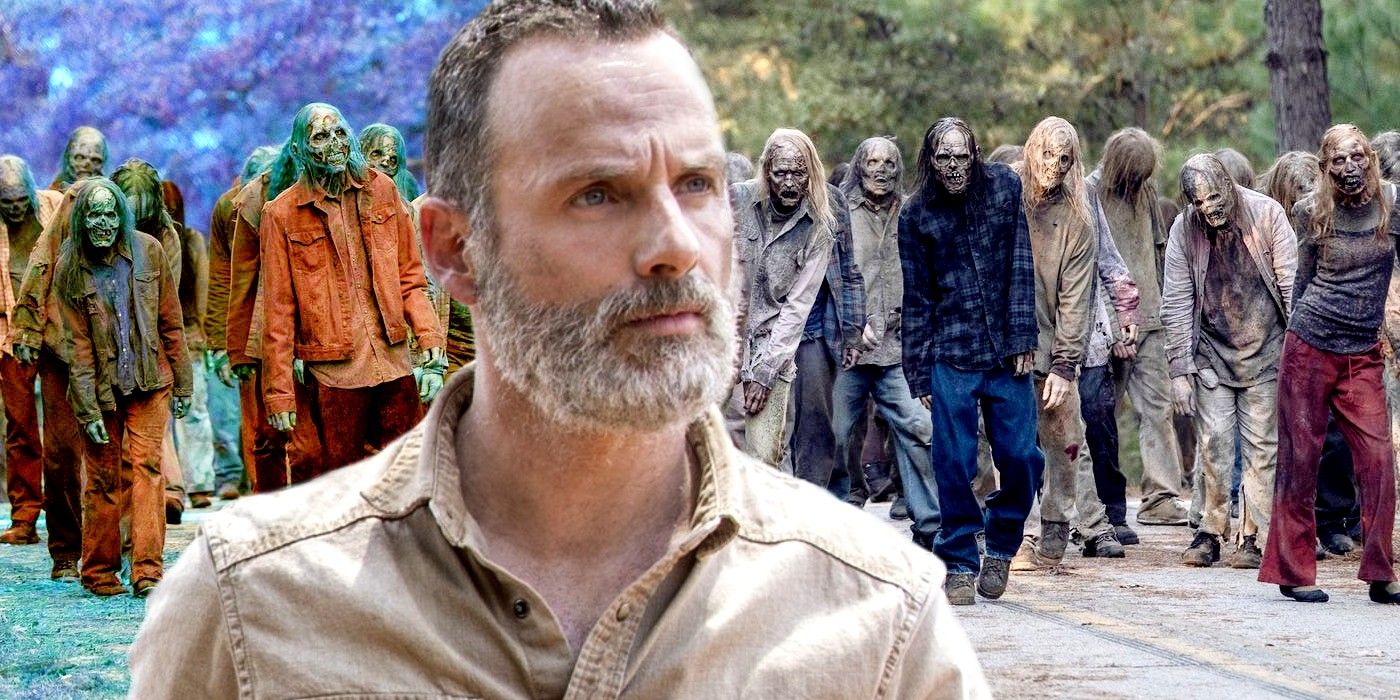
The Biological Operating System: How the Wildfire Virus Rewrites Human Code
In technical terms, the Wildfire Virus does not function like a standard infection that targets specific vulnerabilities in an immune system. Instead, it acts as a fundamental rewrite of the human biological operating system. Most viruses require a period of incubation and a clear path of transmission from Host A to Host B. Wildfire, however, bypassed this limitation by moving to a “Pre-Installed” status across the entire user base.
Dormant Malware: The “Everyone is Infected” Protocol
The most chilling technical aspect of the Wildfire Virus is its dormancy. As revealed in the climax of the first season at the CDC, the virus is already present in every living human being. In cybersecurity, this is analogous to a “Logic Bomb”—malware that is injected into a system and remains inactive until a specific condition is met. In this case, the condition for execution is the cessation of life.
By achieving universal distribution before activation, the virus ensured that there was no “firewall” capable of stopping the initial surge. Every “device” (human) on the network was already compromised. This highlights a terrifying vulnerability in centralized systems: if the core code is compromised at the manufacturing or environmental level, no amount of individual security can prevent the eventual system-wide failure.
Triggering the Execution: From Living Host to Active Asset
The virus remains in a background process state during the host’s life, exerting no visible load on the system resources. However, upon the “System Shutdown” (death), the virus initiates its boot sequence. This isn’t a recovery of the original user data; rather, it is the installation of a “Lite” version of the OS. The virus bypasses the higher-order processing functions—the prefrontal cortex and memory sectors—and focuses its energy on the “Legacy BIOS”: the brain stem. This selective reanimation ensures that the hardware remains functional for basic tasks (locomotion and consumption) while discarding the heavy “software” of personality, ethics, and intelligence.
Propagation and Connectivity: The Mechanics of a Global System Failure
The speed at which the Wildfire Virus collapsed global infrastructure is a testament to its superior distribution architecture. To analyze how it spread, we must look at it through the lens of peer-to-peer (P2P) networking and high-latency vs. low-latency transmission.
Airborne Distribution: The Ultimate Peer-to-Peer Network
While the “zombie bite” is the most visible form of transmission, it is actually a secondary, high-impact localized exploit. The primary transmission of the Wildfire Virus was airborne. This allowed the “packet” of data (the virus) to travel across borders and through air filtration systems with ease. In tech terms, this was the ultimate P2P rollout. The virus utilized the very air we breathe as a decentralized server, ensuring that the “patch” reached every corner of the globe simultaneously.
Because the airborne version was non-lethal and dormant, it didn’t trigger the “antivirus” responses of global health organizations until it was far too late. The system was already saturated. The “bite” merely introduces a massive secondary infection—a “Brute Force” attack—that overwhelms the host’s biological defenses, forcing a system shutdown and triggering the dormant Wildfire code to take over.
Latency and Response: Why Global Firewalls Failed
When the “Outbreak” occurred, the global response was hampered by what we call high latency. Information moved slower than the virus’s activation. In any network, a synchronized attack on every node at once is impossible to defend against. Traditional disaster recovery protocols rely on the idea that some nodes will remain “clean” to provide backup and support. Wildfire eliminated the concept of a “clean” node.
The military and governmental “firewalls” failed because they were designed to fight an external enemy. They were not prepared for an internal, pre-installed threat that turned their own “hardware” against them the moment a soldier or citizen fell in battle. The lack of an “air-gapped” population meant there was no segment of the network that could be used to reboot society.
Data Corruption and Reanimation: The Post-Mortem Processing

The state of “undeath” in The Walking Dead is essentially a state of permanent data corruption. When the virus takes over, it doesn’t “fix” the body; it simply utilizes the remaining hardware for a single, hard-coded purpose.
The Brain Stem as a Legacy BIOS
In a computer, the BIOS (Basic Input/Output System) is the first thing that loads, handling the most basic hardware functions. When a “walker” is reanimated, the Wildfire Virus is essentially running the human body on BIOS only. It powers the motor functions (movement) and the sensory inputs (sight, sound, smell) required to find new sources of energy.
However, the “Hard Drive” of the human mind—containing memories, language, and complex reasoning—remains encrypted or deleted. This is why the virus is so efficient; it doesn’t waste “processing power” on anything other than the most basic survival loops. From a technical standpoint, a walker is a high-efficiency autonomous drone running on a stripped-down, corrupted kernel.
Why the “Software” Can’t Be Patched
Throughout the series, various “developers” (scientists and doctors) attempt to find a cure or a “patch” for the Wildfire Virus. However, they face a fundamental hardware limitation. Once the brain has experienced the “System Crash” of death, the physical sectors of the brain begin to degrade. Even if a patch were developed to kill the virus, the “User Data” (the soul/personality) is already gone.
This makes the Wildfire Virus a “Permanent Denial of Service” (PDoS) attack. It doesn’t just disrupt the system; it destroys the hardware’s ability to ever run the original software again. The virus is the new owner of the hardware, and it has changed the administrative passwords.
Lessons in Digital Security: What the Walking Dead Teaches Us About Resilient Systems
The story of the Wildfire Virus serves as a powerful allegory for modern digital infrastructure. As our world becomes more interconnected, the “biological” lessons of The Walking Dead become increasingly relevant to the tech sector.
Single Point of Failure: The Vulnerability of Global Interconnectivity
The Wildfire Virus succeeded because the human race is a highly interconnected “network” with no meaningful isolation between nodes. In tech, we see this danger in the form of “Monocultures”—where everyone uses the same operating system, the same cloud provider, or the same hardware. A single exploit in a universal piece of code can bring down the entire global economy.
To build more resilient systems, we must look toward “Air-Gapping” and modularity. In the show, the only “systems” that survived were those that were physically and digitally isolated from the main network—small, off-grid communities that functioned as independent local area networks (LANs).
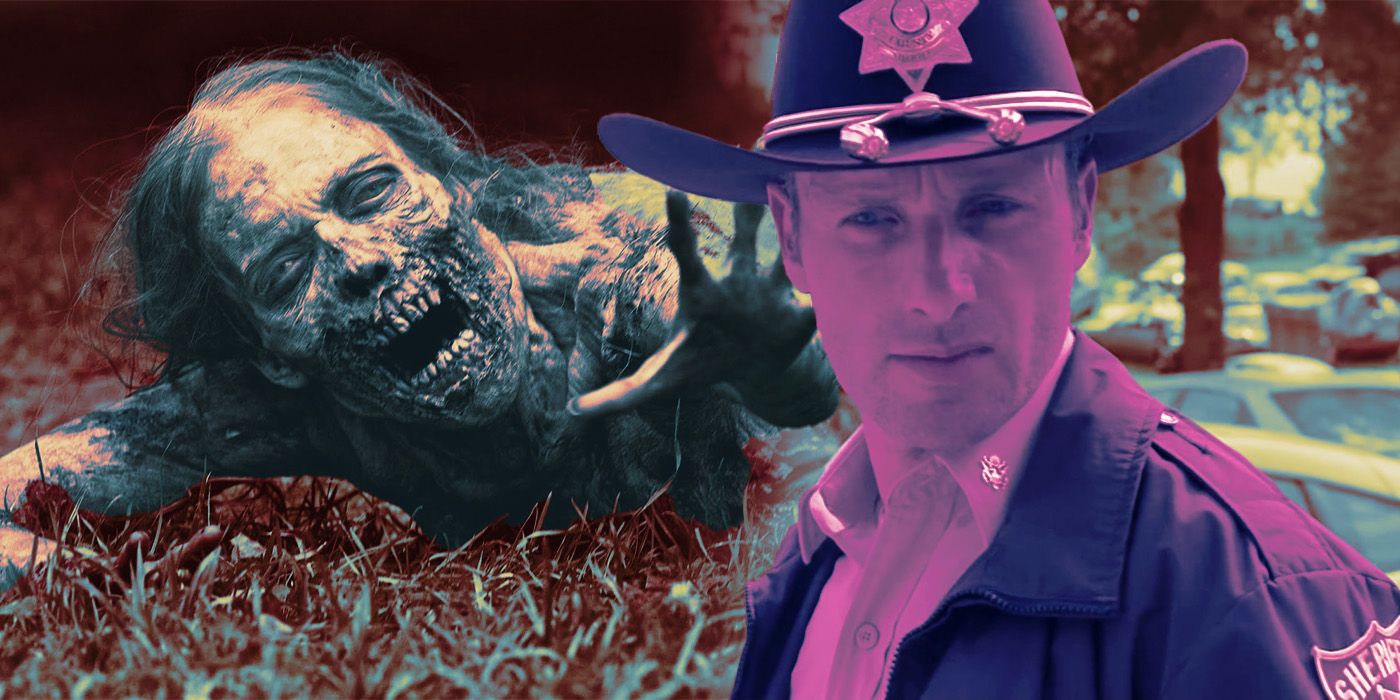
Disaster Recovery and the “Off-Grid” Solution
The ultimate tech takeaway from the “virus” is the necessity of a robust Disaster Recovery (DR) plan that doesn’t rely on the primary network. When the “Cloud” (civilization) went down, the survivors who thrived were those who had “local backups” of skills, tools, and resources.
In an era of AI and hyper-connectivity, the Wildfire Virus reminds us that the more complex a system becomes, the more devastating a simple, well-placed “glitch” can be. Whether biological or digital, the most effective viruses are the ones we don’t even know we’re running until the system starts to reboot.
Conclusion
What is the virus in The Walking Dead? It is more than a disease; it is a masterclass in systemic takeover. It is a biological exploit that achieved 100% market penetration through an airborne P2P rollout, utilized a dormant “Logic Bomb” strategy to bypass initial detection, and executed a hardware-level rewrite that turned the human race into a decentralized network of autonomous, corrupted nodes. By analyzing the Wildfire Virus through a tech lens, we see it for what it truly is: the ultimate “Zero-Day” vulnerability in the human experience.
aViewFromTheCave is a participant in the Amazon Services LLC Associates Program, an affiliate advertising program designed to provide a means for sites to earn advertising fees by advertising and linking to Amazon.com. Amazon, the Amazon logo, AmazonSupply, and the AmazonSupply logo are trademarks of Amazon.com, Inc. or its affiliates. As an Amazon Associate we earn affiliate commissions from qualifying purchases.