
The digital revolution has fundamentally reshaped the landscape of personal finance, and nowhere is this shift more evident than in the annual ritual of tax filing. Gone are the days of sprawling paper forms, manual calculations, and the nervous trek to the post office before the midnight deadline. Today, filing taxes online—often referred to as e-filing—is not just a convenience; it is a strategic financial practice that ensures accuracy, speeds up refunds, and provides a clearer picture of one’s overall economic health.
As the IRS and international tax authorities continue to prioritize digital-first infrastructures, understanding how to navigate these systems is essential for any financially literate individual. This guide explores the financial intricacies of online filing, the tools available to maximize your returns, and the strategic advantages of maintaining a digital paper trail.
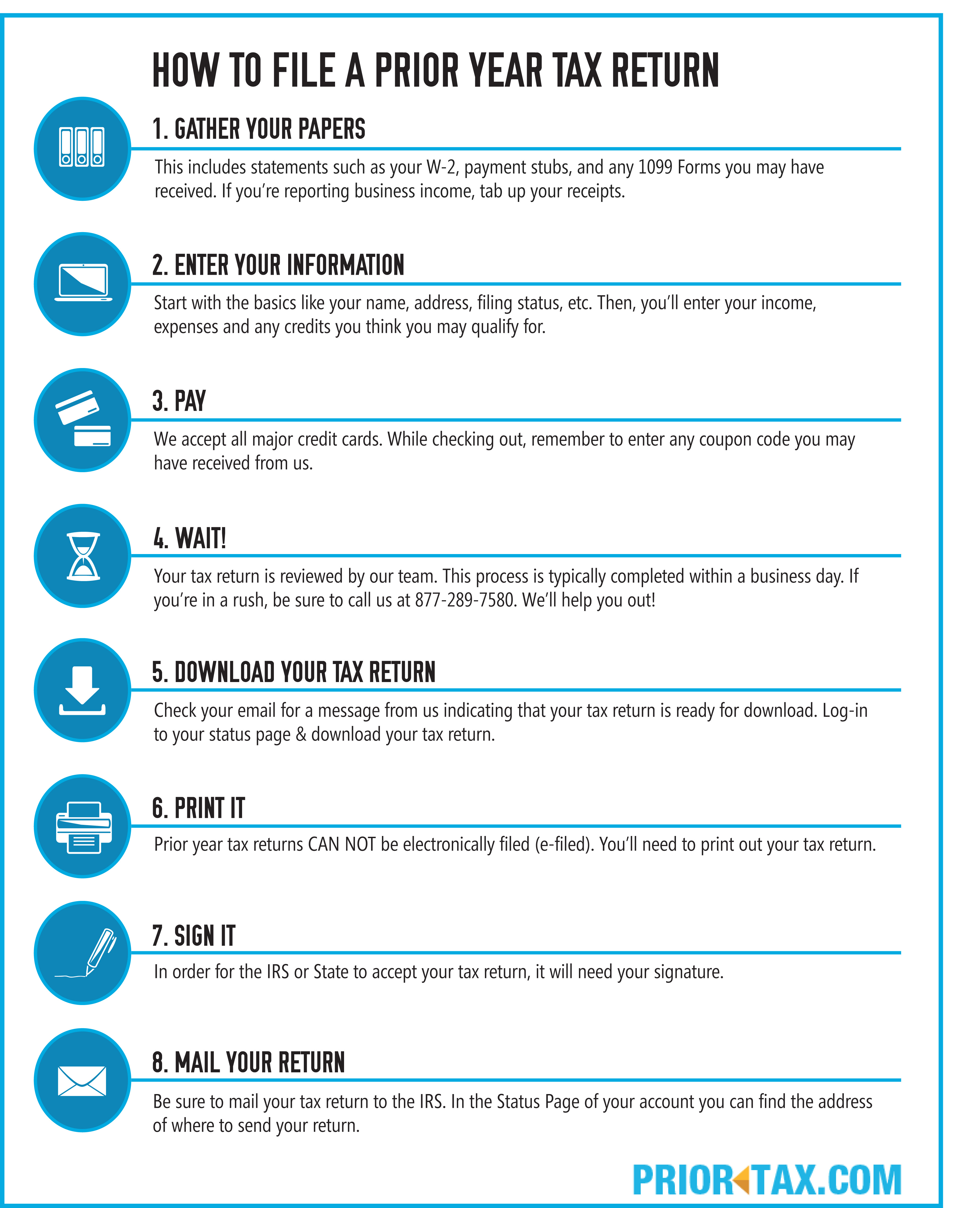
Navigating the Digital Shift in Personal Finance
The transition from paper-based tax returns to electronic filing represents one of the most significant advancements in modern financial management. For the taxpayer, this shift is less about the technology itself and more about the precision and efficiency it brings to personal accounting.
Why Online Filing is the Gold Standard
The primary driver behind the adoption of online filing is the reduction of human error. The IRS reports that paper returns are 20 times more likely to contain errors than e-filed returns. From a money management perspective, an error-free return is the fastest route to a tax refund. When you file online, the software performs real-time audits of your math, ensuring that every deduction and credit is calculated based on the most current tax laws. This immediate verification acts as a first line of defense against audits and financial penalties.
Security and Data Privacy in Financial Reporting
In the realm of personal finance, data security is paramount. Filing taxes online through reputable platforms utilizes high-level encryption—often the same standard used by major banking institutions. By e-filing, you eliminate the risk of sensitive financial documents being lost, stolen, or intercepted in the physical mail. Furthermore, electronic filing provides an immediate acknowledgment of receipt from the government, providing a digital “audit trail” that is vital for long-term financial record-keeping.
Choosing the Right Financial Tools for Your Tax Situation
The marketplace for tax software is diverse, offering various tiers of service based on the complexity of your financial profile. Selecting the right tool is a balance between cost-efficiency and the specialized needs of your income streams.
Free vs. Paid Tax Software Solutions
For many individuals with straightforward financial lives—typically those with a single W-2 and the standard deduction—free filing tools are often sufficient. Programs like the IRS Free File program or FreeTaxUSA offer robust services without the overhead of premium software. However, as your financial portfolio grows to include investments, real estate, or complex itemized deductions, the “Money” logic dictates that paying for a premium service (like TurboTax or H&R Block) may yield a higher Return on Investment (ROI). These paid platforms often feature “deduction finders” that can uncover tax breaks worth far more than the software’s subscription fee.
Specialized Platforms for Freelancers and Business Owners
The rise of the gig economy and side hustles has introduced new complexities to personal finance. If you have online income from 1099-NEC forms or own a small business, generic tax software may not suffice. Specialized tools designed for self-employed individuals can help track deductible business expenses, home office credits, and self-employment tax obligations. Integrating your bookkeeping software (like QuickBooks or FreshBooks) directly with your tax filing platform can automate the transfer of financial data, minimizing the risk of missing legitimate business expenses that could lower your taxable income.
Preparing Your Financial Documentation for a Seamless Filing

Successful tax filing is 90% preparation. Before logging into any digital platform, you must aggregate your financial data to ensure a comprehensive view of your fiscal year.
Essential Income Statements
To file accurately, you must account for every dollar earned. This includes:
- W-2s: For traditional employment income.
- 1099-INT and 1099-DIV: For interest and dividends earned from savings accounts and investments.
- 1099-B: For capital gains and losses resulting from the sale of stocks or cryptocurrencies.
- Schedule K-1: For those with interests in partnerships or S-corporations.
In the digital age, most of these documents are available for download through your bank or employer’s payroll portal. Gathering these in a secure digital folder beforehand prevents the frantic search for data mid-filing.
Identifying Deductions and Credits to Maximize Refunds
From a financial planning perspective, the goal of filing taxes is to minimize your tax liability legally. You must decide between the standard deduction and itemizing your deductions. For the 2023-2024 tax years, the standard deduction has remained high, making it the most beneficial choice for the majority of taxpayers. However, if you have significant mortgage interest, large charitable contributions, or substantial medical expenses, itemizing could save you thousands. Online tools are particularly adept at running “what-if” scenarios to determine which method leaves more money in your pocket.
The Step-by-Step Process of Electronic Submission
Once your documents are gathered and your software is chosen, the actual process of filing is a methodical walk-through of your financial year.
The Interview Method
Most modern financial tools use an “interview” format. They ask a series of questions about your life—did you get married? Did you buy a home? Did you contribute to a 401(k)? Based on your answers, the software populates the necessary forms in the background. This user-centric design ensures that even those without a background in finance can navigate complex tax codes. It is crucial to answer these questions honestly and check your work against your physical or digital statements.
Direct Deposit and Payment Options
The final stage of filing online involves the movement of money. If you are owed a refund, opting for direct deposit is the most efficient financial move. The IRS typically issues refunds within 21 days for e-filed returns with direct deposit, compared to six to eight weeks for paper returns and mailed checks. Conversely, if you owe money, online filing allows you to schedule payments directly from your bank account or pay via credit card. While paying with a credit card may offer “points” or “rewards,” be mindful of the processing fees, which can often outweigh the value of the rewards.
Optimizing Your Long-Term Tax Strategy
Filing your taxes should not be viewed as a one-time annual event, but rather as a checkpoint in your ongoing financial strategy. The data generated during your online filing provides invaluable insights into your spending, saving, and earning patterns.
Integrating Tax Filing with Year-Round Financial Planning
When you finish filing online, most platforms provide a “Tax Summary.” This document is a goldmine for personal finance management. It shows your effective tax rate, your highest income sources, and where your money is going in terms of taxes. Use this data to adjust your W-4 withholdings at work. If you received a massive refund, you essentially gave the government an interest-free loan; adjusting your withholding can put more money in your monthly paycheck for investing. Conversely, if you owed a significant amount, you may need to increase your withholdings or make quarterly estimated payments to avoid penalties.
Common Pitfalls and How to Avoid Them
Even with sophisticated software, financial mishaps can occur. One common error is failing to report “Digital Assets” or cryptocurrency transactions. With the IRS increasing its focus on the crypto market, ensuring you have used a crypto tax aggregator to import your trades into your filing software is essential. Another pitfall is ignoring retirement account contributions. Contributing to a traditional IRA or a Simplified Employee Pension (SEP) IRA can often be done right up until the filing deadline, providing a last-minute way to lower your taxable income for the previous year.

Conclusion
Filing taxes online is a cornerstone of modern personal finance. By leveraging digital tools, taxpayers can ensure high levels of accuracy, safeguard their sensitive data, and optimize their financial outcomes. Whether you are a student with a simple part-time job or a seasoned investor with multiple income streams, the e-filing process offers a transparent and efficient way to fulfill your civic duty while maximizing your financial health. As you navigate the digital forms and spreadsheets, remember that each entry is a reflection of your financial journey—and with the right tools, you can ensure that journey leads toward greater wealth and stability.
aViewFromTheCave is a participant in the Amazon Services LLC Associates Program, an affiliate advertising program designed to provide a means for sites to earn advertising fees by advertising and linking to Amazon.com. Amazon, the Amazon logo, AmazonSupply, and the AmazonSupply logo are trademarks of Amazon.com, Inc. or its affiliates. As an Amazon Associate we earn affiliate commissions from qualifying purchases.