
The quest to identify the “sharpest material in the world” is more than a simple curiosity; it’s a deep dive into the fascinating realm of materials science and its profound impact on technology. Far from being a mere superlative, understanding and harnessing materials with extreme sharpness or hardness is fundamental to numerous technological advancements, from microelectronics and medical devices to advanced manufacturing and space exploration. This article will explore the scientific definitions of sharpness, examine the leading contenders for this formidable title, and illuminate the critical role these materials play in shaping our technological future.
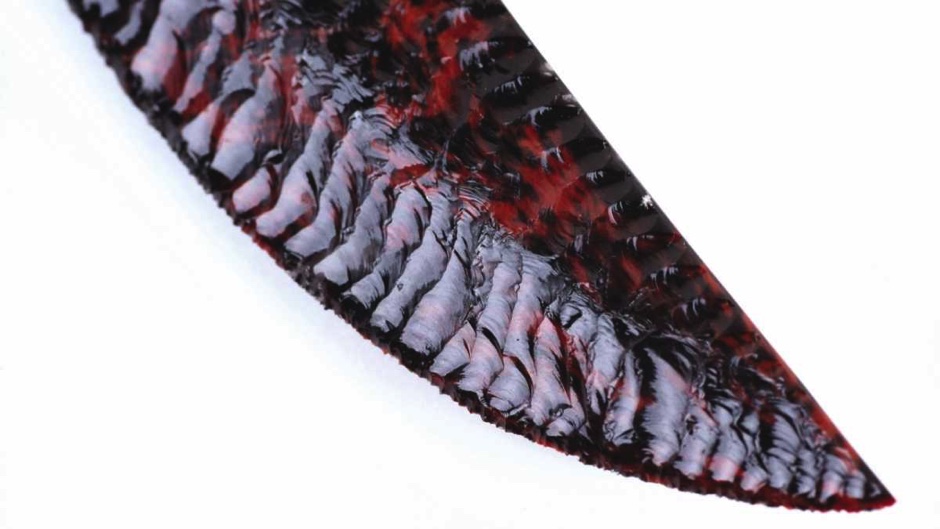
The concept of “sharpness” itself warrants a precise definition. While an everyday knife’s sharpness is intuitively understood, in materials science, it refers to a material’s ability to concentrate force onto an incredibly small point or edge, allowing it to penetrate, cut, or abrade other materials. This capability is intrinsically linked to a material’s atomic structure, bond strength, and overall hardness. The harder a material is, the more resistant it is to scratching, indentation, or deformation, making it capable of forming and retaining an exquisitely fine edge. As we delve into the atomic scale, the discussion evolves from merely “sharp edges” to the intrinsic ability of a material’s atomic bonds to cleave through others, or its sheer resistance to wear that allows a thin point to endure immense pressure.
Defining Sharpness in the Context of Materials Science
To truly understand what makes a material “sharp,” we must look beyond its macroscopic appearance and delve into its fundamental properties. In the world of materials science, sharpness is less about a honed edge and more about the intrinsic resistance to deformation and the ability to transfer concentrated force.
Beyond the Edge: Microscopic and Atomic Perspectives
When we talk about sharpness in a scientific context, we’re often referring to a material’s capacity to create and maintain an extremely fine point or edge, which in turn allows for highly localized stress application. This is not just about physically grinding an edge to a microscopic thickness; it’s about the material’s inherent properties that permit such a thin geometry to exist without immediately crumbling under pressure. At the atomic level, sharpness relates to the material’s atomic structure and the strength of the bonds between its atoms. A material that is hard and stiff will resist deformation at its tip, enabling it to cleave or penetrate other materials with minimal energy loss.
This concept is often quantified through various hardness scales. The Vickers hardness test, for instance, measures a material’s resistance to plastic deformation from a standardized pyramidal indenter. Knoop hardness is another microindentation test that uses a rhomboid-shaped indenter, particularly useful for brittle materials and thin films, giving a better indication of a material’s resistance to scratching and abrasion. Materials with extremely high Vickers or Knoop values are inherently capable of forming sharper, more durable points. For instance, diamond, renowned for its exceptional hardness, can maintain an atomic-scale edge even under immense pressure, making it the benchmark for ultra-sharp cutting tools.
The Role of Atomic Structure and Bonding
The intrinsic ability of a material to be sharp stems directly from its atomic structure and the nature of the chemical bonds holding it together. Materials with strong covalent bonds, where atoms share electrons in a highly directional and rigid network, tend to be exceptionally hard. This rigid atomic lattice resists the displacement of atoms, making the material difficult to deform or break.
Diamond is the quintessential example of this principle. Each carbon atom in a diamond crystal is covalently bonded to four other carbon atoms in a tetrahedral arrangement, forming an incredibly strong, three-dimensional network. This highly symmetrical and compact structure, coupled with the small size of carbon atoms and the strength of C-C covalent bonds, results in unparalleled hardness. When a diamond tool cuts, its atomic structure resists compression and fracture at the microscopic edge, allowing it to exert immense pressure on the material being cut. This atomic rigidity is the ultimate foundation of its “sharpness.” Conversely, materials with weaker metallic bonds or Van der Waals forces between layers (like graphite) are much softer and cannot maintain a sharp edge, as their atomic structures are more easily rearranged or fractured. Thus, the quest for the sharpest material is fundamentally a quest for the material with the most robust and immutable atomic architecture.
Contenders for the Title: A Material Showcase
When discussing the sharpest material, we are essentially talking about the hardest materials, as hardness is the prerequisite for maintaining an atomically thin and effective cutting edge. Several materials stand out in this regard, each with unique properties and applications.
Diamond: Nature’s Undisputed King of Hardness
For centuries, diamond has been celebrated as the hardest known natural material, and by extension, one of the sharpest. Its exceptional hardness (scoring 10 on the Mohs scale, with a Vickers hardness of 70-150 GPa) is a direct result of its unique crystal lattice where each carbon atom is covalently bonded to four others. This robust, tetrahedral structure provides incredible resistance to scratching and indentation.
The technological applications of diamond are vast and critical. In industrial settings, diamond-tipped tools are indispensable for cutting, grinding, and drilling through the toughest materials like ceramics, hardened steel, and composites. Diamond abrasives are used in polishing delicate optical lenses and in precision machining of aerospace components. In medicine, ultra-sharp diamond scalpels are employed in delicate ophthalmic and neurosurgeries, where their unparalleled sharpness minimizes tissue damage and promotes faster healing. Synthetic diamonds, produced through High-Pressure/High-Temperature (HPHT) or Chemical Vapor Deposition (CVD) methods, have enabled the mass production of these tools, making high-performance cutting accessible across industries. The ability of diamond to retain an edge down to the atomic scale makes it the gold standard against which all other sharp materials are measured.
Boron Nitride Compounds: Diamond’s Synthetic Rivals
While diamond holds the crown for natural hardness, advancements in materials science have led to the synthesis of compounds that rival or even theoretically surpass it. Boron nitride compounds are prominent among these.
Cubic Boron Nitride (cBN): Synthesized under similar high-pressure, high-temperature conditions as synthetic diamonds, cBN is structurally analogous to diamond but with alternating boron and nitrogen atoms. It is the second hardest known material (Vickers hardness of 30-70 GPa), slightly less hard than diamond, but offers superior thermal and chemical stability at high temperatures, particularly when interacting with ferrous metals. Diamond reacts with iron at elevated temperatures, which limits its use on steel; cBN does not. This property makes cBN tools exceptionally effective for machining hardened steels, nickel-based superalloys, and other challenging materials in aerospace, automotive, and die-making industries, where diamond tools would quickly degrade.
Wurtzite Boron Nitride (wBN): This hexagonal form of boron nitride is particularly intriguing. While not yet synthesized in stable bulk quantities, theoretical calculations predict that wBN could be even harder than diamond, with some models suggesting a Vickers hardness exceeding 180 GPa. Its unique wurtzite crystal structure, a hexagonal arrangement of boron and nitrogen atoms, is thought to be extremely resistant to compression. Researchers have managed to create wBN in small, unstable forms, often under extreme shock compression. The challenge lies in synthesizing macroscopic, stable wBN that can maintain its predicted superhard properties for practical applications. If this hurdle is overcome, wBN could represent the next frontier in ultra-hard and ultra-sharp materials, pushing the boundaries of what is possible in cutting and abrasion technologies.
Nanomaterials and Future Prospects: The Cutting Edge of Research
The pursuit of the sharpest material extends into the realm of nanomaterials and theoretical constructs, where scientists are exploring entirely new atomic arrangements and bonding schemes.
One fascinating contender is Carbyne, a linear chain of carbon atoms linked by alternating triple and single bonds. Theoretical studies suggest carbyne could be twice as stiff and strong as graphene and even harder than diamond, potentially making it the strongest and stiffest material known. However, carbyne is incredibly unstable and reactive, making its synthesis and practical application extremely challenging. It exists transiently and only in very small quantities, often encased or stabilized within other structures.
Other promising avenues include Graphene Nanoribbons and various ultrahard nanocomposites. Graphene, a single layer of carbon atoms in a hexagonal lattice, is exceptionally strong and thin. When structured into narrow ribbons, its edges can be incredibly sharp, theoretically capable of cutting other materials at a molecular level. Researchers are also designing nanocomposites, which combine different hard materials at the nanoscale to achieve superior overall hardness, toughness, and wear resistance. These materials might not be single “sharpest” materials in the traditional sense, but their nanostructured interfaces and tailored properties could lead to tools with unprecedented cutting abilities and durability. The ongoing research in these areas, often leveraging computational materials science, holds the promise of discovering and synthesizing novel materials that redefine the very concept of sharpness and hardness.
The Technological Imperative: Why Extreme Sharpness Matters
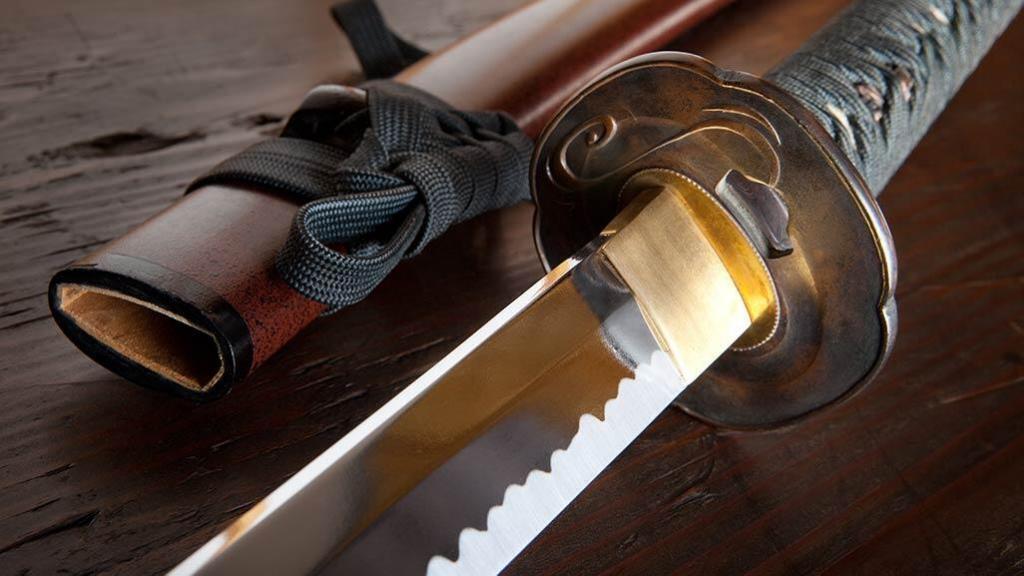
The relentless pursuit of the sharpest and hardest materials is not merely an academic exercise; it is driven by profound technological imperatives across diverse industries. Extreme sharpness translates directly into enhanced precision, efficiency, durability, and breakthrough capabilities in manufacturing, medicine, and beyond.
Precision Manufacturing and Microfabrication
In modern manufacturing, especially in fields requiring microscopic precision, the sharpness of tools is paramount. Ultra-sharp materials enable engineers to create intricate components with tolerances measured in nanometers. For instance, in the semiconductor industry, diamond-coated tools and advanced abrasives are critical for dicing silicon wafers, polishing integrated circuits, and fabricating microelectromechanical systems (MEMS). The precision required to etch circuit patterns or machine tiny gears demands tools that can cut cleanly and consistently without introducing defects or wear.
Similarly, in the optics industry, the grinding and polishing of high-performance lenses for cameras, telescopes, and laser systems rely on the superior abrasion resistance and cutting ability of superhard materials. These materials allow for the creation of extremely smooth surfaces and precise geometries, which are crucial for optical clarity and performance. The ability to precisely shape and finish materials at such a fine scale directly impacts the functionality and reliability of everything from smartphones to satellite systems.
Advanced Surgical Tools and Medical Innovations
The medical field is another domain where extreme sharpness is not just beneficial but often life-saving. In delicate surgical procedures, the quality of the cutting edge directly influences patient outcomes. Ultra-sharp diamond scalpels are frequently used in ophthalmic surgery (e.g., cataract removal, corneal transplants) and neurosurgery, where their ability to create incredibly precise, clean incisions minimizes trauma to surrounding tissues. This results in less scarring, reduced inflammation, faster healing times, and ultimately, better post-operative recovery.
The atomic-level sharpness of these tools allows surgeons to operate with unprecedented accuracy, particularly when dealing with microscopic structures like nerves and blood vessels. Beyond traditional scalpels, the development of new biocompatible, superhard coatings for surgical implants and instruments promises enhanced durability, reduced friction, and improved performance within the human body. As medical technology advances, the demand for materials that can provide both extreme sharpness and biological compatibility will only grow.
Energy, Exploration, and Industrial Applications
The industrial sector has perhaps the most widespread need for sharp and hard materials, driving efficiency and safety in numerous critical applications.
In the energy sector, particularly oil and gas drilling, ultra-hard materials are indispensable. Drill bits tipped with synthetic diamonds or cBN can penetrate extremely hard rock formations (like shale or granite) far more efficiently and for longer durations than traditional steel bits. This translates to reduced drilling time, lower operational costs, and access to previously unreachable energy reserves. Similar applications are found in mining, where cutting tools for tunneling and extraction must withstand immense abrasive forces.
For aerospace and automotive industries, superhard materials are vital for machining advanced composites (e.g., carbon fiber reinforced polymers), superalloys (like titanium and nickel alloys), and ceramics. These materials are incredibly difficult to cut and machine with conventional tools, but diamond and cBN inserts allow for precise shaping, leading to lighter, stronger, and more fuel-efficient components. Furthermore, wear-resistant coatings made from ultra-hard materials are applied to critical components in turbines, engines, and heavy machinery, significantly extending their lifespan, reducing maintenance, and improving overall operational reliability. From the tip of a micro-drill to the teeth of a massive mining machine, extreme sharpness is a fundamental enabler of modern industrial progress.
The Future of Superhard Materials and Sharpness
The pursuit of the sharpest material is an ongoing journey, constantly fueled by scientific innovation and the increasing demands of technology. The future promises not only harder materials but also those with enhanced functionalities, driven by advanced computational methods and a deeper understanding of atomic-level engineering.
AI, Machine Learning, and Material Discovery
The traditional trial-and-error approach to discovering new materials is time-consuming and resource-intensive. However, the advent of Artificial Intelligence (AI) and Machine Learning (ML) is revolutionizing materials science. These computational tools can sift through vast databases of existing materials, predict the properties of hypothetical compounds based on their atomic structure and bonding, and simulate synthesis conditions. AI algorithms can identify promising candidates for superhard materials with unprecedented speed, accelerating the discovery process from years to months or even weeks.
For example, ML models can predict the Vickers hardness of new crystal structures or optimize the atomic composition of alloys to enhance their mechanical properties. This “materials informatics” approach allows researchers to computationally screen thousands of potential compounds, prioritizing those most likely to exhibit extreme sharpness and hardness before committing to costly and complex experimental synthesis. This paradigm shift will undoubtedly unlock new classes of superhard materials with tailored properties for specific technological needs.
Beyond Hardness: Durability, Self-Healing, and Multifunctionality
While extreme hardness is crucial for sharpness, future materials will likely offer a suite of integrated properties. Researchers are focusing on developing materials that are not only superhard but also exhibit exceptional toughness (resistance to fracture), thermal stability, and corrosion resistance. A material might be incredibly sharp, but if it’s brittle or degrades under high temperatures or harsh chemical environments, its utility is limited.
The concept of self-healing materials is also gaining traction. Imagine a drill bit that can autonomously repair microscopic cracks, thus extending its lifespan and maintaining its sharpness over longer periods. Furthermore, future superhard materials may be multifunctional, incorporating properties like electrical conductivity, optical transparency, or even sensing capabilities, enabling them to serve complex roles in advanced devices. For instance, an ultra-sharp surgical tool might also be capable of real-time tissue analysis or precise drug delivery at the cutting site. This holistic approach to material design will lead to tools and components that are not only sharper but also more resilient, intelligent, and adaptable.
The Ethical and Economic Implications
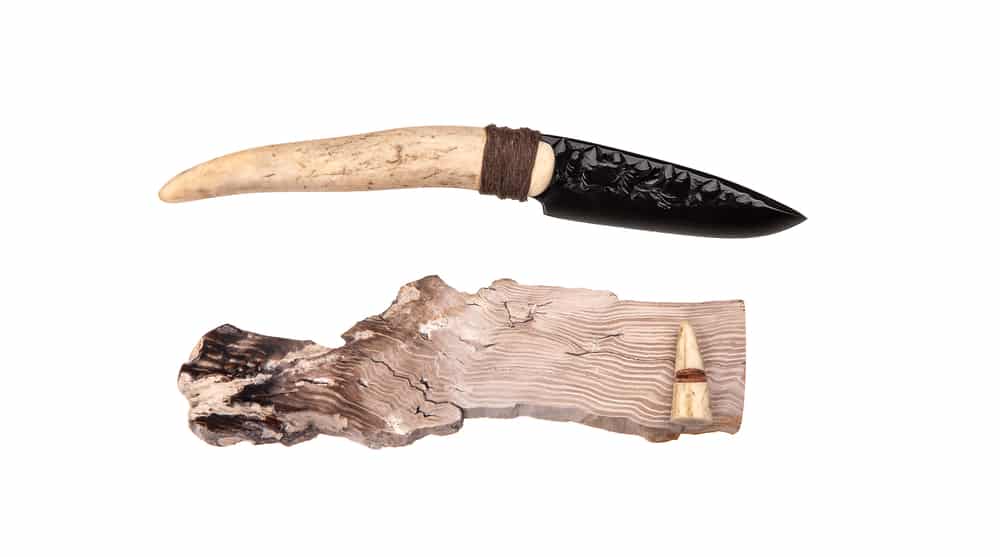
The development of new superhard and ultra-sharp materials also carries significant ethical and economic implications. On the economic front, the cost of synthesizing and processing these advanced materials can be substantial, often involving rare or expensive precursor elements and complex manufacturing processes. This raises questions about scalability, affordability, and equitable access to these technologies, particularly for developing nations. The intellectual property surrounding these materials also becomes a critical economic driver.
Ethically, the enhanced capabilities provided by these materials could have dual-use potential. While invaluable for medical and industrial progress, extremely sharp and durable materials could also be misused. Furthermore, the environmental impact of material extraction and synthesis processes, especially for novel elements or energy-intensive methods, demands careful consideration to ensure sustainability. As humanity continues to push the boundaries of material science, a balanced approach that weighs technological advancement against ethical responsibility, economic viability, and environmental stewardship will be paramount in shaping a truly sustainable and beneficial future.
In conclusion, the quest for the sharpest material in the world is a testament to humanity’s relentless drive for technological advancement. From diamond’s natural prowess to the theoretical superhardness of wurtzite boron nitride and the nascent promise of nanomaterials, each discovery pushes the boundaries of what is possible. These materials are not just about cutting; they are about precision, efficiency, durability, and enabling breakthrough innovations across every facet of modern technology. As AI accelerates discovery and materials become increasingly intelligent and multifunctional, the “sharpest material” of tomorrow may possess properties we can only begin to imagine today, fundamentally transforming industries and improving the quality of human life.
aViewFromTheCave is a participant in the Amazon Services LLC Associates Program, an affiliate advertising program designed to provide a means for sites to earn advertising fees by advertising and linking to Amazon.com. Amazon, the Amazon logo, AmazonSupply, and the AmazonSupply logo are trademarks of Amazon.com, Inc. or its affiliates. As an Amazon Associate we earn affiliate commissions from qualifying purchases.