
The question, “What is the male version of feminism?” often sparks immediate debate and confusion. On the surface, it seeks a direct parallel, an equivalent social movement addressing men’s issues with the same vigor and focus that feminism brings to women’s rights. However, from a branding perspective, this seemingly simple inquiry unveils a complex landscape of identity, advocacy, messaging, and strategic positioning. It’s not about finding a symmetrical movement, but understanding how ideas, values, and even social causes are branded, perceived, and integrated into broader societal narratives.
In the realm of brand strategy, movements, like products or companies, possess an identity, a mission, a target audience, and a set of values they seek to communicate. Feminism, as a global brand, has a rich history, evolved messaging, and a widely recognized (though often debated) brand identity. When we ask for its “male version,” we’re essentially asking: How are men’s advocacy, men’s rights, or men’s well-being movements branded and positioned in the public consciousness? How do they articulate their purpose, differentiate themselves, and resonate with their intended audience, particularly in an era shaped by feminist discourse? This article will explore this question through the lens of brand strategy, personal branding, corporate identity, and the broader marketing of social causes.

Deconstructing the Concept: Identity and Advocacy as a Brand
Every social movement, by its very nature, functions as a brand. It has a core message, a set of principles, and an emotional appeal designed to mobilize support and influence public opinion. Understanding “the male version of feminism” requires us to first deconstruct how such an identity is formed and perceived.
Feminism as a Brand: Origins and Perceptions
Feminism, arguably one of the most impactful social movements of the last two centuries, has a powerful and often polarizing brand identity. Its origins are rooted in challenging patriarchal structures and advocating for women’s political, economic, personal, and social equality. Over decades, it has evolved through multiple “waves,” broadening its scope to include intersectionality, LGBTQ+ rights, and global justice.
The brand image of feminism is complex. For its adherents, it represents liberation, equality, and progress. Its slogans, symbols, and narratives evoke empowerment and a vision of a more just world. However, like any prominent brand, it also faces significant branding challenges. Misconceptions, negative stereotypes (e.g., “man-hating,” “radical”), and internal disagreements have at times muddied its public perception, making strategic communication a constant necessity. Despite these challenges, feminism has successfully established itself as the dominant brand for gender equality advocacy, setting the benchmark against which other gender-focused movements are often implicitly or explicitly measured.
The Need for a “Male Counterpart”: Addressing Evolving Gender Roles
The very question of a “male version of feminism” arises from a societal recognition that gender roles are not static and that men, too, face unique challenges and societal pressures. Modern society’s evolving understanding of gender, influenced heavily by feminist critiques, has brought into sharper focus issues such as:
- Mental Health: High rates of suicide, depression, and anxiety among men, often linked to societal expectations of stoicism and emotional suppression.
- Physical Health: Neglect of men’s health issues, and disparities in healthcare seeking behavior.
- Fatherhood: Evolving roles and legal challenges related to paternal rights, shared custody, and the societal value placed on fatherhood.
- Education and Employment: Declining male performance in certain educational sectors and challenges in adapting to changing economic landscapes.
- Masculinity: The pressure to conform to traditional, often toxic, masculine ideals, and the struggle to redefine masculinity in a healthy, inclusive way.
These are legitimate concerns, and movements or initiatives seeking to address them effectively need their own clear brand identities and strategic messaging. They need to articulate what they stand for, who they serve, and why their message is crucial, without necessarily being a direct “counterpart” but rather a complementary force within the broader gender dialogue.
Beyond Simple Equivalency: Nuance in Identity Branding
The search for a direct “male version” can be misleading because it often seeks an oppositional or symmetrical brand. Feminism arose to address systemic power imbalances affecting women. A “male version” implies a movement addressing systemic power imbalances affecting men in the same way. However, the societal structures affecting men are often different, nuanced, and frequently tied to the very patriarchal systems that feminism critiques.
Therefore, effective branding for men’s advocacy cannot simply mirror feminism. Instead, it must carve out its own distinct identity, acknowledging its unique concerns while ideally aligning with broader goals of gender equality. This requires a sophisticated brand strategy that can differentiate itself from negative connotations (e.g., “men’s rights activists” often associated with misogynistic fringe groups), build credibility, and foster inclusivity. The branding challenge is to define a positive, constructive, and forward-looking identity that serves men’s well-being without undermining the progress made by feminism or becoming antithetical to gender equality.
Branding Men’s Movements: Strategy and Positioning
For any movement advocating for men’s well-being to gain traction and positive recognition, it requires a robust brand strategy. This involves defining its core message, understanding its audience, and carefully positioning itself within the existing societal discourse.
Crafting a Clear Brand Message and Value Proposition
The foundational element of any successful brand is a clear, compelling message and a distinct value proposition. For men’s advocacy, this means moving beyond a reactive stance (e.g., “anti-feminism”) to proactively articulate what it stands for. A strong brand message for men’s well-being could focus on:
- Healthy Masculinity: Promoting models of masculinity that are emotionally intelligent, empathetic, responsible, and inclusive, moving beyond outdated stereotypes.
- Support and Empowerment: Creating communities and resources for men to address mental health challenges, physical health, fatherhood issues, and career transitions.
- Partnership for Equality: Position itself as a partner in achieving overall gender equality, recognizing that healthy men contribute to a healthier society for everyone.
- Addressing Systemic Issues: Identifying and challenging societal pressures that negatively impact men, such as rigid emotional expectations or inadequate support systems.
The value proposition must clearly state the benefits for men and, by extension, for society. It’s about offering solutions, support, and a pathway to self-improvement and positive societal contribution, rather than simply lamenting perceived disadvantages.
Target Audiences and Stakeholder Engagement
Effective branding requires a deep understanding of the target audience. For men’s advocacy, this audience is diverse, ranging from young men grappling with identity, to fathers navigating family responsibilities, to professionals facing work-life balance issues. The messaging needs to be tailored to resonate with these different segments, addressing their specific pain points and aspirations.
Beyond the immediate target audience, stakeholder engagement is crucial. This includes:
- Feminist Allies: Building bridges with feminist organizations and individuals who share common goals for gender equity, demonstrating that men’s issues are part of a broader human rights framework.
- Policy Makers: Influencing legislative and policy changes related to men’s health, education, and family rights.
- Healthcare Providers and Educators: Collaborating to integrate men-specific approaches into existing systems.
- Media and Cultural Influencers: Shaping public narrative through thoughtful engagement and storytelling.
A successful brand strategy will identify these stakeholders and develop targeted communication plans to build trust, foster collaboration, and broaden impact.
Differentiating from Misconceptions: The Brand Challenge
Perhaps the most significant brand challenge for men’s advocacy is differentiating itself from harmful misconceptions. The “men’s rights” label, for instance, has unfortunately become conflated in some public discourse with anti-feminist, misogynistic, or hateful rhetoric due to the actions of a vocal minority. This association has severely damaged the potential for legitimate discussion and advocacy regarding men’s issues.
Therefore, a key aspect of brand strategy must be:
- Clear Disavowal: Explicitly condemning hate speech, misogyny, and any rhetoric that seeks to undermine women’s rights or promote sexism.
- Positive Framing: Consistently focusing on positive outcomes, solutions, and collaboration rather than grievance or blame.
- Naming and Identity: Carefully choosing names, slogans, and visual identities that convey inclusivity, progressiveness, and support, moving away from terms that have been co-opted or tarnished.
- Consistent Action: Demonstrating through actions and partnerships that the movement is genuinely committed to improving the lives of men in a way that benefits all genders.
This brand challenge is not merely about communication; it’s about rebuilding trust and credibility in a crowded and often contentious social landscape.
Personal Branding for Male Advocates and Allies
Beyond movements, individuals play a crucial role in shaping perceptions. For men who identify as advocates for men’s well-being or allies in gender equality, personal branding becomes an essential tool to amplify their message and contribute constructively to the discourse.
Authenticity and Credibility in Self-Representation
Authenticity is the cornerstone of effective personal branding. For men advocating for gender issues, this means speaking from a place of genuine conviction and lived experience. It involves:
- Vulnerability: Being willing to share personal stories of struggle, growth, and learning regarding masculinity, mental health, or societal pressures.
- Consistency: Ensuring that one’s public statements, professional actions, and personal values are aligned.
- Humility: Acknowledging privilege where it exists and demonstrating a willingness to listen and learn from others, particularly those with different experiences.

Credibility is built over time through consistent, thoughtful engagement. It requires thoughtful articulation of one’s positions, backed by evidence and a demonstrated commitment to constructive dialogue rather than divisive rhetoric.
Building an Online Presence: Platforms and Content Strategy
In the digital age, a robust online presence is critical for personal branding. For male advocates, this means strategically utilizing platforms and content to amplify their message:
- Choosing the Right Platforms: Identifying where target audiences and key stakeholders are most active (e.g., LinkedIn for professional networking, Twitter for discourse, Instagram for visual storytelling, YouTube for longer-form content).
- Content Strategy: Developing a consistent stream of valuable content. This could include articles, thought pieces, videos, podcasts, or social media posts that offer insights, share resources, challenge stereotypes, and promote healthy dialogue.
- Engagement and Community Building: Actively participating in conversations, responding to comments, and fostering respectful communities online. This extends beyond merely broadcasting a message to actively building relationships and demonstrating leadership through interaction.
The goal is to establish oneself as a trusted voice and resource within the broader conversation about gender, attracting like-minded individuals and influencing a wider audience.
Navigating Public Perception and Backlash
Personal branding in the realm of gender issues often comes with the challenge of navigating public perception and potential backlash. Male advocates, particularly those who challenge traditional masculinity or speak out against harmful stereotypes, may face criticism from various angles. This necessitates:
- Resilience: Developing the ability to withstand criticism, misinterpretation, and even harassment, understanding that it often comes with taking a public stance on sensitive topics.
- Strategic Communication: Learning to respond to criticism thoughtfully, clarify misunderstandings, and de-escalate conflict where possible, without compromising core values.
- Boundary Setting: Protecting one’s mental and emotional well-being by setting boundaries around online engagement and understanding when to disengage from unproductive debates.
Effective personal branding in this space is not just about projecting a message, but also about managing the inevitable responses and maintaining one’s integrity and purpose in the face of scrutiny.
Corporate Identity and Men’s Issues: DEI as a Brand Imperative
Beyond social movements and individual advocates, corporations increasingly recognize the importance of addressing men’s issues as part of their broader Diversity, Equity, and Inclusion (DEI) initiatives. This integration reflects a maturing understanding of gender equality and its impact on the workforce and consumer base, becoming a critical aspect of corporate identity and employer branding.
Integrating Men’s Health and Well-being into Corporate Culture
Progressive companies understand that a holistic approach to employee well-being must include men. This is not just about ticking a box; it’s about fostering a productive, engaged, and healthy workforce. Integrating men’s health and well-being into corporate culture becomes a powerful aspect of a company’s brand, signalling a commitment to its entire workforce. This can manifest through:
- Inclusive Health Programs: Offering mental health support specifically tailored to men, promoting regular physical health check-ups, and creating safe spaces for discussing health concerns.
- Work-Life Balance Initiatives: Implementing flexible work arrangements, advocating for reasonable workloads, and encouraging the use of parental leave for both mothers and fathers.
- Redefining Masculinity in the Workplace: Challenging traditional, often toxic, workplace norms that discourage emotional expression or reinforce aggressive behaviors, promoting instead collaboration, empathy, and inclusive leadership.
- Employee Resource Groups (ERGs): Supporting ERGs for men that focus on professional development, mentorship, and peer support, fostering positive community within the organization.
By actively addressing these areas, companies enhance their employer brand, attracting and retaining top talent who value a truly inclusive and supportive work environment.
Marketing to Men in a Post-Feminist World
The way brands market products and services to men has been profoundly influenced by feminist critiques and evolving gender roles. The days of hyper-masculine, often chauvinistic advertising are increasingly being replaced by more nuanced and inclusive approaches. This shift is a strategic imperative for brands seeking to remain relevant and connect with modern male consumers.
- Challenging Stereotypes: Marketing that actively subverts traditional masculine stereotypes (e.g., emotional stoicism, aggression) and instead promotes positive traits like empathy, caregiving, and authenticity.
- Focus on Well-being: Highlighting products and services that contribute to men’s mental, emotional, and physical well-being, rather than just superficial aspects.
- Inclusivity: Representing diverse masculinities and avoiding exclusionary messaging.
- Values-Driven Marketing: Aligning brand values with broader societal shifts towards equality and social responsibility, demonstrating that the brand understands and respects the complexities of modern manhood.
Companies that successfully navigate this landscape will build stronger brand loyalty and appeal to a broader demographic of men who are seeking products and brands that reflect their evolving identities and values.
Addressing Paternity Leave, Mental Health, and Work-Life Balance
Specific issues like paternity leave, mental health support, and work-life balance are becoming critical components of a company’s brand identity, particularly in the talent market.
- Paternity Leave: Companies offering generous and equitably promoted paternity leave not only support fathers but also signal a commitment to gender equality in the workplace. This policy helps normalize men’s roles in caregiving, reducing the “motherhood penalty” and fostering more equitable domestic partnerships. It’s a powerful brand statement about values.
- Mental Health Support: Providing accessible and de-stigmatized mental health resources for men demonstrates a genuine concern for employee welfare. This includes confidential counselling services, mental health days, and training for managers to recognize and support employees facing mental health challenges.
- Work-Life Balance: Promoting work-life balance for men, not just women, challenges the notion that men must always prioritize work above all else. This includes flexible schedules, remote work options, and a culture that values personal time and family responsibilities.
These initiatives are not just HR policies; they are branding tools that communicate a company’s progressive values, its commitment to its employees, and its understanding of the complex challenges men face in contemporary society.
The Future of Gender Advocacy Branding: Collaboration and Inclusivity
The conversation around “what is the male version of feminism” ultimately points towards a future where gender advocacy brands — whether for women, men, or non-binary individuals — operate collaboratively towards a shared goal of true gender equity. This requires a sophisticated approach to branding that prioritizes bridge-building, shared understanding, and inclusive messaging.
Bridging Divides Through Strategic Messaging
The future of gender advocacy branding lies in moving away from a zero-sum game mentality and towards strategic messaging that highlights common ground. This means:
- Emphasizing Interdependence: Communicating that the liberation and well-being of one gender are intrinsically linked to the liberation and well-being of all.
- Shared Values: Identifying universal values like compassion, respect, justice, and personal growth as the foundation for all gender-focused movements.
- Common Adversaries: Shifting focus from “men vs. women” to a shared fight against systemic injustices, outdated stereotypes, and harmful power structures that negatively impact everyone.
Brands that successfully articulate these connections will foster greater understanding and reduce the polarization that often plagues discussions around gender.
Collaborative Branding with Feminist Movements
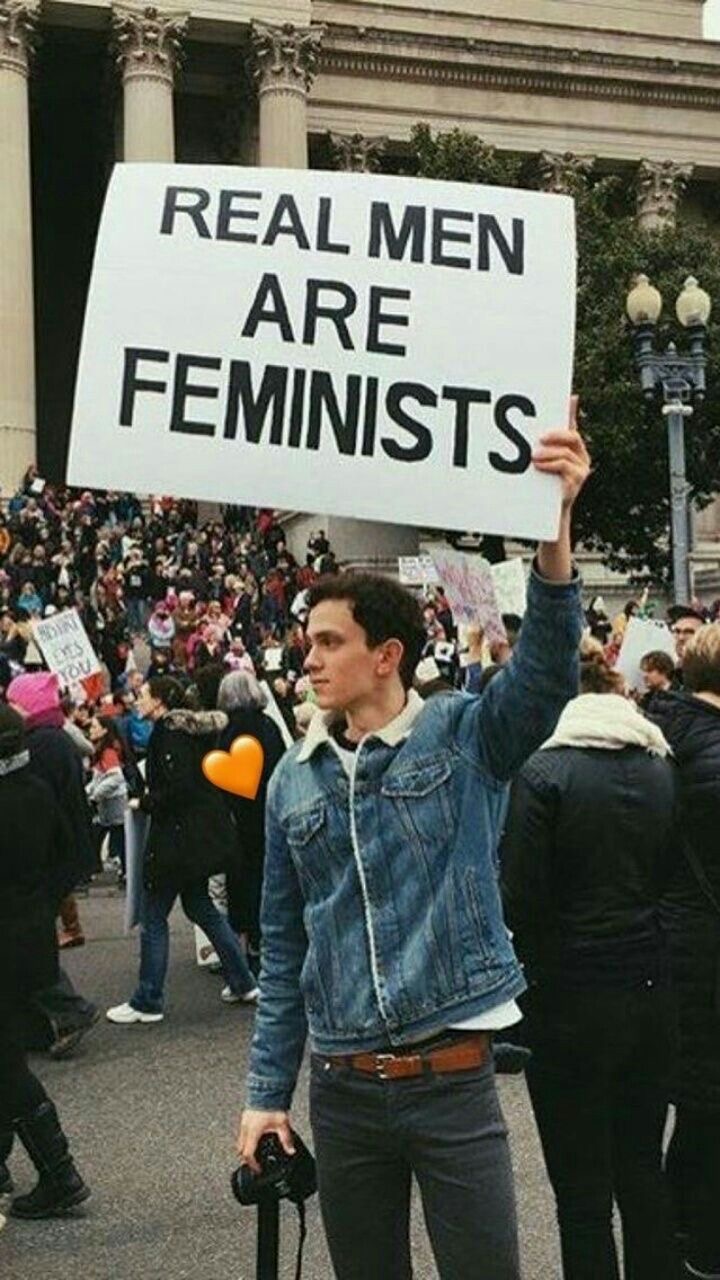
Rather than seeking a distinct, separate “male version” that operates in isolation or opposition, the most impactful path forward involves collaborative branding with feminist movements. This means:
- Mutual Recognition and Respect: Acknowledging the historical significance and ongoing contributions of feminism, while also recognizing the legitimate concerns and unique challenges faced by men.
- Shared Platforms and Campaigns: Developing joint initiatives, campaigns, and communication strategies that address issues relevant to all genders, such as mental health, violence prevention, and equitable caregiving roles.
- Inclusive Language: Adopting language and imagery that resonates with a broad audience and avoids alienating any group, emphasizing human dignity and universal rights.
This collaborative approach allows for a synergistic brand effect, leveraging the strengths and reach of various movements to achieve a more comprehensive impact.
Building a Sustainable Brand for Gender Equity
Ultimately, the goal is to build a sustainable, overarching brand for gender equity that encompasses the well-being and flourishing of all people. This brand would:
- Be Forward-Looking: Focus on creating a better future rather than dwelling on past grievances.
- Be Adaptable: Evolve with societal changes and new understandings of gender identity and roles.
- Be Resilient: Withstand challenges and maintain its core mission despite internal and external pressures.
- Be Inclusive: Champion the rights and well-being of all genders, recognizing the diverse experiences within each group.
The question “What is the male version of feminism?” serves as a powerful prompt for introspection in the branding world. It forces us to consider how movements for men’s well-being can effectively brand themselves, not as a competing force, but as an integral part of a larger, inclusive vision for gender equity. By applying sound brand strategy – defining purpose, understanding audience, crafting clear messages, and embracing collaboration – movements for men’s well-being can forge a strong, positive identity that contributes meaningfully to a more just and equitable world for everyone.
aViewFromTheCave is a participant in the Amazon Services LLC Associates Program, an affiliate advertising program designed to provide a means for sites to earn advertising fees by advertising and linking to Amazon.com. Amazon, the Amazon logo, AmazonSupply, and the AmazonSupply logo are trademarks of Amazon.com, Inc. or its affiliates. As an Amazon Associate we earn affiliate commissions from qualifying purchases.