
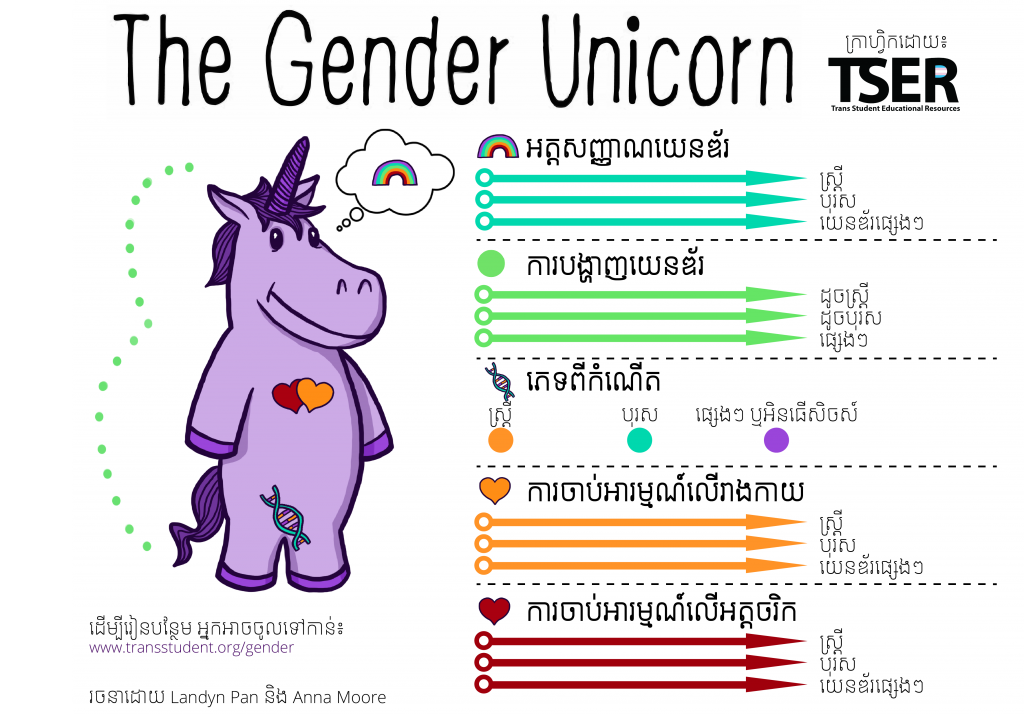
In the dynamic landscape of modern branding, where authenticity and inclusivity reign supreme, the concept of a “unicorn” brand has long been a coveted aspiration. Traditionally, a unicorn brand denotes a rare, highly successful entity that achieves unprecedented growth, valuation, and market disruption. However, as societal values evolve, so too must our understanding of what constitutes a truly exceptional brand. Enter “The Gender Unicorn” – a metaphorical construct representing a brand that not only achieves extraordinary success but does so by pioneering a profound, genuine, and impactful approach to gender inclusivity.
This isn’t about a whimsical mascot or a superficial marketing gimmick. Instead, The Gender Unicorn symbolizes a brand that masterfully navigates the complexities of gender identity, transcending traditional binary constructs to create a universally resonant, empowering, and truly modern corporate identity. It’s a brand that doesn’t just acknowledge diversity but actively champions it, integrating inclusive principles into its very DNA – from product design and marketing to internal culture and societal impact. Such a brand is rare, innovative, and sets a new benchmark for ethical and commercially intelligent branding, making it a true unicorn in the contemporary market.

The Evolution of Gender in Branding
The journey of how brands interact with gender has been long and often fraught with stereotypes. Understanding this trajectory is crucial to appreciating the necessity and impact of The Gender Unicorn.
From Binary to Fluid: A Historical Perspective
For decades, marketing and brand strategy operated within a rigid, binary understanding of gender. Products were designed, packaged, and advertised almost exclusively for either “men” or “women,” often reinforcing outdated stereotypes. “Pink for girls, blue for boys” was more than a color scheme; it was a foundational principle for entire product lines, from toys to toiletries. Masculinity was equated with strength, stoicism, and practicality, while femininity was linked to beauty, nurturing, and emotion. Brands that ventured outside these narrowly defined boxes risked alienating their target demographics.
This era saw brands creating distinct personas – the “strong male” consumer for power tools and beer, the “nurturing female” for household goods and cosmetics. Marketing campaigns explicitly targeted these gendered segments, often inadvertently limiting their own market potential and perpetuating societal norms that left little room for individual expression beyond prescribed roles. While commercially effective for a time, this approach became increasingly anachronistic as society began to question and challenge these rigid definitions. The seeds of change were sown as feminism gained traction and discussions around gender roles expanded beyond the traditional.
The Consumer Imperative for Inclusivity
The turn of the millennium, accelerated by the rise of digital connectivity and social media, ushered in a profound shift in consumer expectations. Younger generations, particularly millennials and Gen Z, grew up in a world where gender was increasingly understood as a spectrum, not a binary. They demand authenticity, transparency, and social responsibility from the brands they choose to support. For these consumers, a brand’s stance on social issues, including gender equality and inclusivity, is often as important as product quality or price.
The risks of not adapting are significant. Brands that cling to outdated gender stereotypes risk being perceived as out of touch, irrelevant, or even offensive. This can lead to boycotts, public backlash, and a significant erosion of brand loyalty and market share. Conversely, brands that embrace inclusivity find themselves resonating deeply with a growing demographic of conscious consumers. This isn’t just about avoiding negative press; it’s about tapping into a powerful wave of cultural change, building genuine connections, and creating a brand identity that truly reflects the diverse world we live in. The imperative for inclusivity is no longer a niche concern; it is a core business driver and a foundational element of contemporary brand strategy.
Defining the “Gender Unicorn” Brand
What precisely distinguishes a “Gender Unicorn” brand from one that simply pays lip service to diversity? It lies in a unique blend of disruptive innovation, genuine commitment, and a holistic approach to gender beyond the conventional.
Core Characteristics of a Unicorn Brand
Before adding the “gender” dimension, it’s vital to recall what makes any brand a “unicorn” in the first place. These are companies that typically possess:
- Disruptive Innovation: They introduce new business models, technologies, or approaches that fundamentally change their industry.
- Unique Value Proposition: They offer something genuinely novel and compelling that sets them apart from competitors.
- Rapid Growth and Scalability: They achieve exponential growth and have the potential to scale their operations significantly.
- Strong Identity and Vision: They have a clear, compelling brand story and a steadfast vision that resonates with stakeholders.
- Market Dominance/Leadership: They often establish themselves as leaders or significant players in emerging or redefined markets.
The Gender Unicorn brand possesses all these traits, but with a specific, revolutionary focus on gender.
The Gender-Neutral vs. Gender-Inclusive Spectrum
It’s crucial to differentiate between “gender-neutral” and “gender-inclusive.” While often used interchangeably, they represent distinct approaches:
- Gender-Neutral: This approach seeks to remove gendered cues entirely. It’s about designing products, spaces, or communications that do not explicitly target or evoke either masculinity or femininity. Examples include unisex clothing lines, gender-neutral restrooms, or marketing that avoids gendered language. This is a valuable step towards minimizing discrimination and broadening appeal.
- Gender-Inclusive: This goes a step further. Instead of simply removing gender, an inclusive approach actively acknowledges, respects, and celebrates the full spectrum of gender identities, including non-binary, transgender, and gender non-conforming individuals, alongside men and women. It’s not just about being “for everyone” by being bland; it’s about being “for everyone” by embracing and reflecting the rich diversity of human experience. The Gender Unicorn typically operates at this more sophisticated, affirmative end of the spectrum. It understands that neutrality can sometimes feel like erasure, whereas true inclusivity is about affirmation and representation.
Authenticity and Intentionality as Cornerstones
The defining characteristic of a Gender Unicorn brand is its profound authenticity and intentionality. In an era of “woke-washing,” where brands superficially adopt social causes for PR benefits, consumers are adept at detecting insincerity. A Gender Unicorn brand doesn’t merely jump on a trend; its commitment to gender inclusivity is deeply embedded in its values, mission, and operational practices.
This means:
- Genuine Belief: The brand’s leadership and employees genuinely believe in and advocate for gender diversity.
- Integrated Approach: Inclusivity isn’t an add-on campaign but an integral part of product development, marketing, HR policies, and corporate philanthropy.
- Consistent Messaging: The brand’s external communications consistently reflect its internal values and commitments, avoiding performative activism.
- Continuous Learning: The brand is open to feedback, willing to acknowledge missteps, and committed to continuously improving its inclusive practices.

Without this deep-seated authenticity, any efforts toward gender inclusivity risk being dismissed as opportunistic, ultimately damaging the brand’s reputation and trust.
Strategies for Cultivating a Gender Unicorn Brand
Achieving the status of a Gender Unicorn brand requires a holistic and strategic approach that permeates every aspect of the organization. It’s about systemic change, not just surface-level adjustments.
Product Design and Development Beyond Stereotypes
The foundation of a Gender Unicorn brand often begins with its core offerings. This means consciously developing products and services that serve needs irrespective of gender, challenging pre-conceived notions about who uses what.
- Universal Utility: Design products that are functionally excellent and aesthetically appealing to a broad audience, rather than segmenting by traditional gender. Consider fashion brands creating genuinely unisex lines that are not simply oversized men’s clothing but thoughtfully designed garments for all body types and expressions.
- Gender-Agnostic Personal Care: The rise of personal care brands that eschew “for men” or “for women” labels for their skincare, haircare, and even fragrance lines is a prime example. These brands focus on ingredients, benefits, and sensory experiences that appeal broadly, breaking down archaic marketing divisions.
- Inclusive Sizing and Fit: Beyond clothing, consider everything from ergonomic designs that accommodate diverse physiques to apps that cater to varying personal preferences without making gendered assumptions. This thoughtful approach ensures that products are truly accessible and desirable for everyone.
Inclusive Marketing and Communication
The way a brand communicates is paramount to its identity as a Gender Unicorn. This involves a deliberate shift from traditional gendered messaging to one that celebrates diversity and challenges norms.
- Language Matters: Employ gender-neutral language where appropriate, and actively use inclusive pronouns (they/them) in content. Avoid colloquialisms or expressions that reinforce stereotypes.
- Diverse Representation: Marketing campaigns should authentically feature individuals from across the gender spectrum, ensuring that models, actors, and spokespeople reflect the true diversity of the target audience. This goes beyond tokenism; it’s about genuine, respectful representation that normalizes various gender expressions.
- Challenging Narratives: Instead of merely representing diversity, a Gender Unicorn brand’s marketing actively works to dismantle harmful stereotypes. This could involve campaigns that subvert traditional gender roles, showcase diverse family structures, or celebrate non-traditional paths and aspirations for all individuals.
- Platform Inclusivity: Ensure advertising reaches diverse platforms and communities, reflecting where various gender identities engage and consume media.
Corporate Culture and Internal Alignment
A brand cannot genuinely project gender inclusivity externally if its internal culture does not reflect the same values. The Gender Unicorn’s commitment starts from within.
- Diversity, Equity, and Inclusion (DEI) Initiatives: Implement robust DEI policies that focus on gender equity in hiring, promotion, and leadership opportunities. This includes specific initiatives to support transgender and non-binary employees.
- Inclusive Policies and Benefits: Offer gender-affirming healthcare benefits, inclusive parental leave policies, and gender-neutral facilities. Create safe spaces and employee resource groups for diverse gender identities.
- Training and Education: Regularly train employees on unconscious bias, gender identity, and respectful communication to foster an inclusive workplace environment.
- Leadership Commitment: Inclusivity must be championed from the top down. Leaders must model inclusive behaviors and actively promote a culture where all gender identities feel valued, respected, and empowered to contribute.
The Transformative Impact of the Gender Unicorn
Embracing the principles of The Gender Unicorn is not merely an ethical choice; it is a strategic imperative that yields significant, transformative impacts for brands.
Enhanced Brand Loyalty and Market Share
In a crowded marketplace, genuine inclusivity serves as a powerful differentiator. Consumers, particularly younger demographics, are increasingly loyal to brands that align with their values. By authentically embracing gender diversity, a Gender Unicorn brand can:
- Forge Deeper Connections: Create a sense of belonging and affinity with a broad range of consumers who feel seen, understood, and respected. This emotional connection translates into enduring loyalty.
- Expand Target Audiences: Attract new customer segments that may have felt excluded or unrepresented by traditional branding. This directly translates to increased market share and a broader customer base.
- Build Trust and Reputation: A brand known for its progressive and inclusive stance builds a strong reputation for social responsibility, enhancing trust among consumers, partners, and employees alike. This trust is invaluable in an age where brand credibility is constantly scrutinized.
Shaping Cultural Narratives and Societal Progress
Beyond commercial success, Gender Unicorn brands play a crucial role in driving positive social change. Brands are powerful cultural arbiters, and their messaging can significantly influence societal norms and perceptions.
- Normalizing Diversity: By consistently representing diverse gender identities in their products and marketing, these brands help normalize and validate experiences that have historically been marginalized.
- Challenging Stigma: They actively work to dismantle stereotypes and biases, contributing to a more understanding and accepting society. This can have a ripple effect, encouraging other brands and institutions to follow suit.
- Empowering Individuals: For individuals who may feel misrepresented or misunderstood, seeing themselves reflected positively by major brands can be incredibly empowering, fostering self-acceptance and confidence. The Gender Unicorn acts as a catalyst for cultural evolution, proving that businesses can be forces for good.
Future-Proofing Brand Relevance
The commitment to gender inclusivity is not a fleeting trend but a fundamental shift in consumer expectations and societal values. Brands that proactively embed these principles are essentially future-proofing their relevance.
- Adaptability and Agility: By continuously engaging with evolving social conversations around gender, these brands develop an inherent adaptability and agility that allows them to remain relevant in a rapidly changing world.
- Innovation Catalyst: The pursuit of inclusivity often sparks innovation, pushing brands to think creatively about product design, marketing strategies, and operational practices. This continuous innovation keeps them ahead of the curve.
- Sustainable Growth: Brands built on a foundation of ethical, inclusive practices are more resilient and poised for sustainable, long-term growth, as they are intrinsically aligned with the direction of global progress. They are not merely reacting to market shifts but actively shaping them.
In conclusion, The Gender Unicorn is more than a whimsical term; it embodies the pinnacle of modern, ethical, and commercially astute branding. It represents a brand that has not only achieved extraordinary success but has done so by courageously and genuinely embracing the full spectrum of human gender identity. These brands are rare, transformative, and serve as beacons, demonstrating that true innovation in brand strategy now lies at the intersection of profit and profound purpose. For any brand aspiring to not just survive but thrive and make a meaningful impact in the 21st century, striving to embody the spirit of The Gender Unicorn is not just advisable, but essential.
aViewFromTheCave is a participant in the Amazon Services LLC Associates Program, an affiliate advertising program designed to provide a means for sites to earn advertising fees by advertising and linking to Amazon.com. Amazon, the Amazon logo, AmazonSupply, and the AmazonSupply logo are trademarks of Amazon.com, Inc. or its affiliates. As an Amazon Associate we earn affiliate commissions from qualifying purchases.