
Tapioca pearls, the chewy, translucent spheres synonymous with bubble tea and various desserts, have transcended their humble origins to become a global culinary phenomenon. For consumers, the appeal often lies in their unique texture and ability to absorb flavors. For businesses in the food and beverage industry, however, understanding “what tapioca pearls are made of” extends far beyond a simple ingredient list. It’s the very foundation upon which successful brand strategies are built, a narrative of authenticity, quality, and often, sustainability that can differentiate a product in a crowded marketplace.

In an era where consumers are increasingly scrutinizing labels and demanding transparency, a brand’s ability to articulate the source, processing, and integrity of its core components is paramount. For tapioca pearls, this means delving into the heart of their creation – from the humble cassava root to the precise methods that transform it into a beloved ingredient. By leveraging this foundational knowledge, brands can cultivate trust, convey premium quality, and forge a deeper connection with their audience, turning a basic ingredient profile into a powerful brand asset.
The Foundation: Cassava and the Art of Starch Extraction
At the very core of every tapioca pearl lies tapioca starch, which itself originates from the cassava plant. This seemingly simple fact holds profound implications for branding, offering narratives rooted in natural sourcing, traditional agricultural practices, and the purity of raw materials. Understanding this journey is the first step in building an authentic brand story.
From Root to Pearl: The Journey of Tapioca Starch
Cassava (Manihot esculenta), also known as yuca, manioc, or Brazilian arrowroot, is a woody shrub widely cultivated as an annual crop in tropical and subtropical regions, predominantly in Africa, Asia, and Latin America. Its starchy tuberous root is a staple food for millions worldwide. For tapioca pearl production, it’s not the whole root that’s used, but the starch extracted from it.
The process begins with harvesting mature cassava roots, which are then peeled, washed, and grated into a pulp. This pulp is mixed with water, and the starch granules are carefully separated from the fibrous material through a series of washing and settling stages. The resultant starchy liquid is then dehydrated, often by sun-drying or mechanical drying, to yield fine, white tapioca flour or starch.
From a branding perspective, this foundational stage offers rich opportunities. Brands can emphasize their commitment to “Authentic Sourcing,” highlighting the specific regions where their cassava is grown, perhaps even working with local farming communities. Narratives around “Natural Ingredients” become powerful, stressing that the pearls begin as a wholesome, plant-based product, free from gluten and common allergens. Transparency regarding the origin can resonate deeply with consumers seeking natural, minimally processed foods, positioning the brand as one that values purity and provenance.
Beyond Starch: The Role of Water and Additives
While tapioca starch is the primary component, the transformation into pearls requires other elements, most notably water. The starch is typically mixed with water to form a dough, which is then shaped into small spheres. The quality and purity of the water used in this process can subtly, yet significantly, impact the final product and, consequently, the brand’s perceived quality.
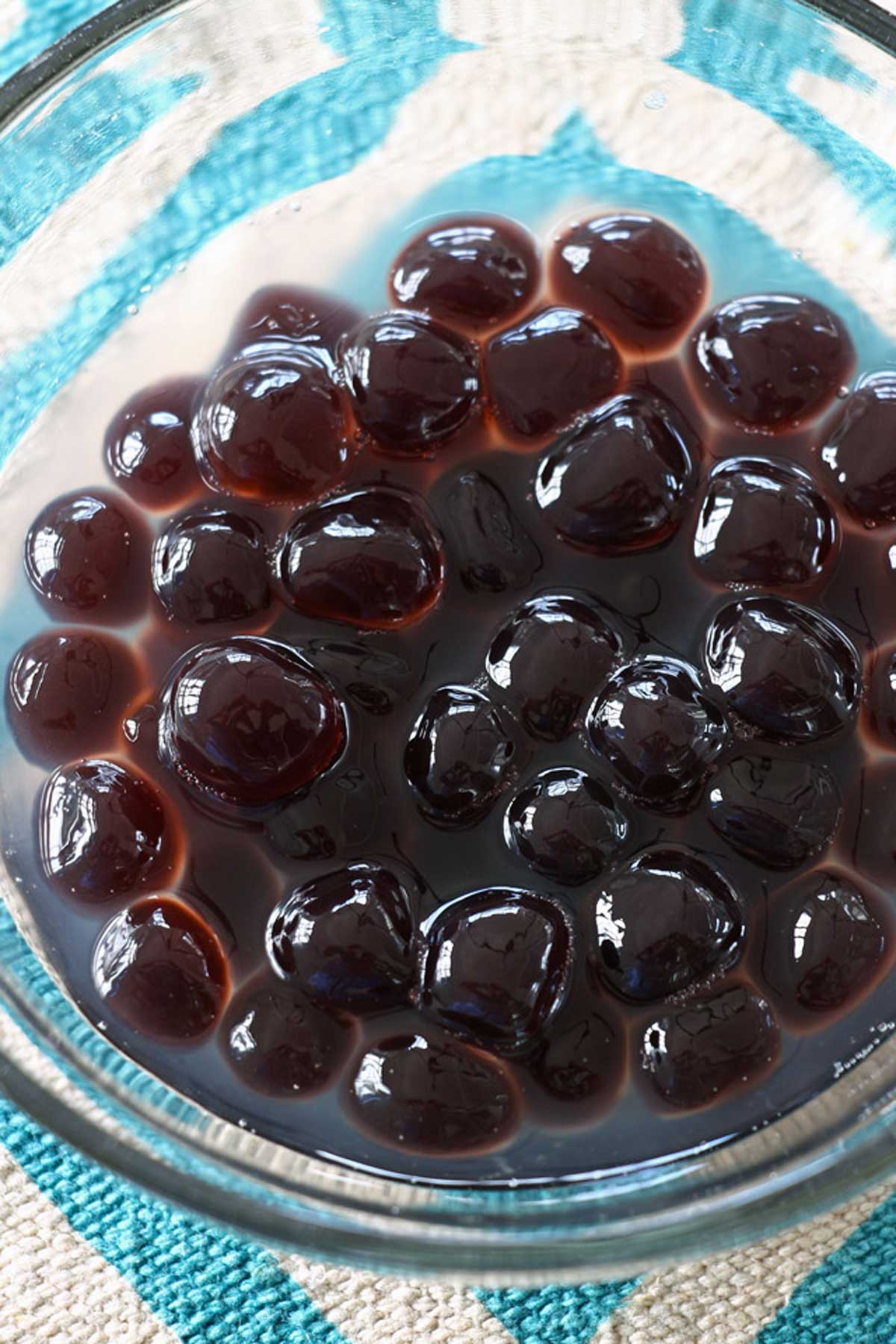
Beyond these basic ingredients, some tapioca pearls may incorporate minor additives. For instance, caramel coloring is often used to give pearls their characteristic dark brown or black hue, especially in bubble tea, as naturally cooked tapioca pearls are translucent or white. Flavorings or natural extracts might also be added for specialized products.
Here, “Transparency” becomes a critical branding pillar. Brands can differentiate themselves by committing to “Clean Label” practices, explicitly stating all ingredients and their purposes. For those using natural food colorings (e.g., from sweet potato or activated charcoal) or avoiding artificial flavorings, this can be a strong selling point. Positioning the product as “Premium Ingredients” could involve highlighting the absence of unnecessary additives or the use of only natural, high-quality flavor enhancers, appealing to health-conscious and discerning consumers who prioritize purity and naturalness.
Crafting Identity: How Production Methods Shape Brand Perception
The journey from raw tapioca starch to a perfectly chewy pearl is a nuanced one, influenced significantly by the production methods employed. These methodologies are not just technical details; they are intrinsic to a brand’s identity, dictating consistency, texture, and overall consumer experience, which in turn, forms the bedrock of brand promise and consumer loyalty.
Artisan vs. Industrial Production: Quality and Consistency
The production of tapioca pearls ranges from small-batch, artisanal methods to large-scale industrial manufacturing. In traditional or small-scale settings, tapioca pearls might be “hand-rolled,” a painstaking process that can impart a unique, rustic quality and subtle variations in size and shape. This approach allows for greater control over individual batches and can be marketed as a testament to “Handcrafted Quality” and “Traditional Methods,” appealing to consumers who value craftsmanship and heritage.
Conversely, industrial production relies on automated machinery to produce vast quantities of consistently sized and shaped pearls. While potentially lacking the “artisan” appeal, this method excels in delivering “Modern Precision” and “Reliable Consistency,” critical for larger brands that need uniform quality across broad distribution channels. Both approaches have their distinct advantages, and a brand’s choice in production method directly influences its market positioning and the message it conveys to consumers. Highlighting the chosen method, be it human touch or technological excellence, defines a core aspect of the brand’s identity.
Texture and Chewiness: The Midas Touch of Tapioca Pearls
Perhaps the single most defining characteristic of tapioca pearls, particularly in the context of bubble tea, is their texture—often described by the Taiwanese term “QQ” (chewy and bouncy). Achieving this perfect balance is an art and a science, heavily influenced by the starch quality, hydration levels during dough formation, and the precise cooking and drying processes.
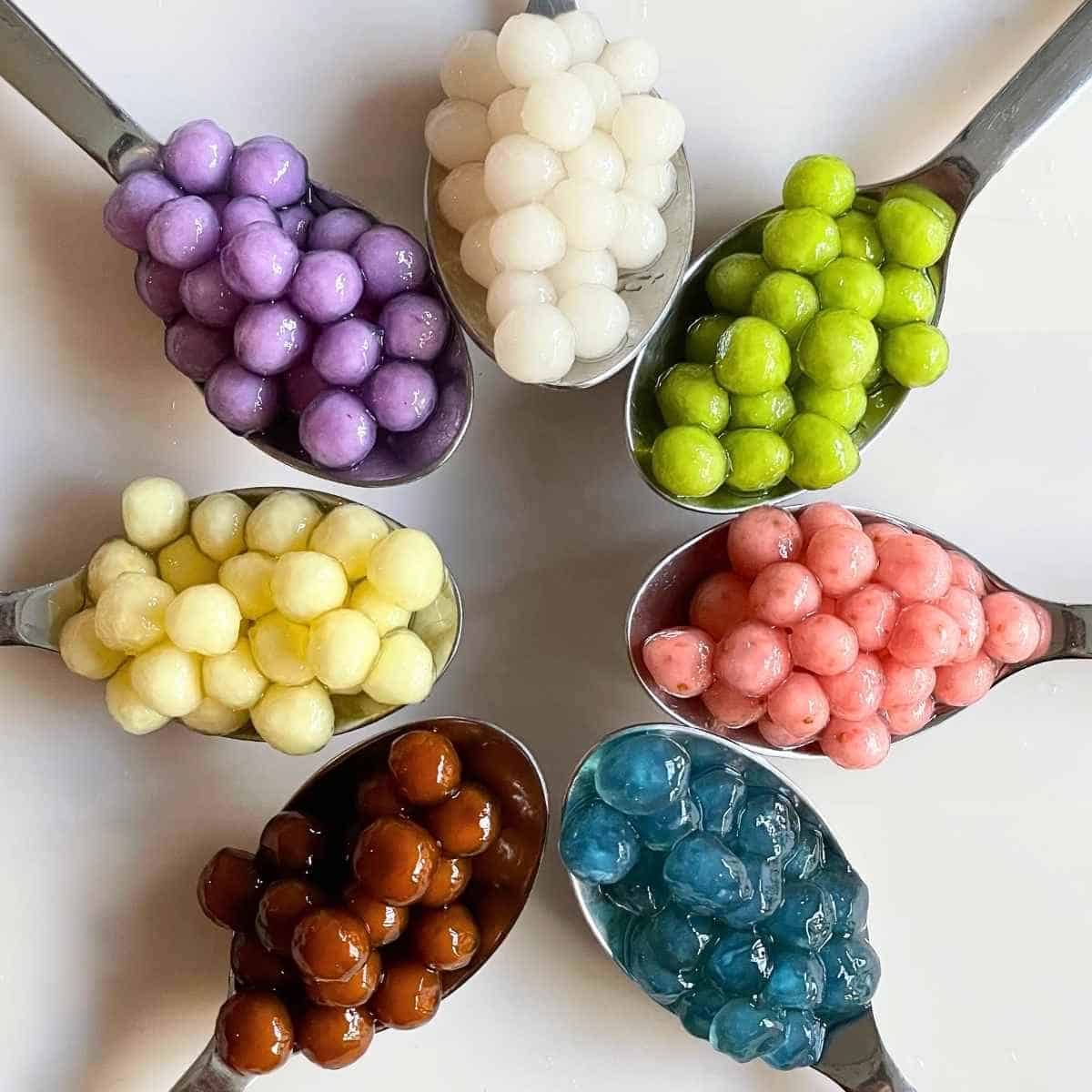
For example, the type of starch used (e.g., native vs. modified tapioca starch), the exact ratio of water, and the drying conditions (temperature, humidity, duration) all play crucial roles in determining the pearl’s final elasticity, resilience, and chewiness. Overly processed or improperly dried pearls can result in a brittle or mushy texture, drastically diminishing the consumer experience.
Brands can powerfully leverage their ability to deliver “Perfect Chewiness” and “Unrivaled Texture” as a key differentiator. Marketing campaigns can focus on the sensory experience, describing the satisfying bounce, the delightful resistance, and the smooth mouthfeel that sets their pearls apart. This emphasis on sensory attributes elevates the product beyond mere ingredients, positioning it as an experience—a crucial element for building brand desire and loyalty in a competitive market. It demonstrates a deep understanding of what consumers truly seek in their tapioca pearl experience.
Packaging the Promise: Communicating Value Through Branding
Beyond the physical composition and manufacturing process, how a brand wraps its tapioca pearls—both literally and figuratively—is crucial for communicating its value proposition. Packaging and marketing narratives serve as the primary interface between the product’s inherent qualities and consumer perception, translating “what it’s made of” into a compelling reason to choose.
Storytelling Through Sourcing and Sustainability
Modern consumers are increasingly conscious of the ethical and environmental impact of their purchases. Brands can build strong identities by weaving narratives around the ethical sourcing of their cassava, highlighting fair trade practices, or supporting local farming communities. Emphasizing “Sustainable Practices,” such as water conservation during processing or eco-friendly waste disposal, adds another layer of appeal.
Furthermore, the choice of packaging materials offers a tangible expression of a brand’s values. Utilizing recyclable, compostable, or reduced-plastic packaging can reinforce a commitment to environmental stewardship. A “Farm-to-Bubble Tea” narrative, transparently outlining the journey from cassava field to finished pearl, builds trust and allows consumers to feel good about their choices. This kind of storytelling doesn’t just sell pearls; it sells a brand’s conscience and commitment, appealing to a segment of the market that prioritizes Corporate Social Responsibility.
Market Positioning: Premium, Niche, or Mass Market
The intrinsic qualities of tapioca pearls—their ingredients and production—naturally guide a brand’s market positioning. Brands using exceptionally pure, organic, or sustainably sourced cassava might position themselves as a “Premium” offering, justified by a higher price point and targeted at discerning consumers. Their branding would reflect exclusivity, quality, and possibly unique culinary applications.
Conversely, brands prioritizing cost-efficiency and wide accessibility might aim for the “Mass Market,” focusing on consistent quality at an affordable price. Niche markets can also be targeted; for example, brands might offer specialized pearls (e.g., flavored, colored with natural extracts, or fortified with vitamins) to cater to specific demographics like health-conscious individuals or culinary enthusiasts seeking innovative ingredients.
The chosen market positioning dictates everything from visual identity and messaging to distribution channels and pricing strategy. A brand must tailor its communication to resonate with its target audience, ensuring that the “what it’s made of” story aligns perfectly with the brand’s overall promise and the consumer’s expectations within that segment. This strategic alignment ensures that the brand message is clear, consistent, and compelling.
The Future of Tapioca Pearl Branding: Innovation and Transparency
As consumer preferences evolve and competition intensifies, the future of tapioca pearl branding will undoubtedly be shaped by innovation in ingredients and a relentless pursuit of transparency. Brands that proactively embrace these trends will be best positioned for sustained success and differentiation.
Ingredient Innovation and Functional Benefits
The basic tapioca pearl, while versatile, offers avenues for innovation. Brands can explore incorporating new types of starches (e.g., from other root vegetables or grains) to create unique textures or nutritional profiles. Developing pearls with “Functional Benefits,” such as added fiber, probiotics, or vitamins, could appeal to the growing health and wellness market, transforming a treat into a health-conscious choice.
This kind of “Innovation Leadership” allows brands to stand out, offering novel experiences or addressing specific dietary needs. Imagine tapioca pearls fortified with collagen for skin health or those colored with spirulina for a nutrient boost. Such advancements open up new market segments and create fresh opportunities for brand narratives centered around cutting-edge food science and consumer well-being.
Digital Transparency and Consumer Trust
In the digital age, consumers expect more than just product information; they demand access to the entire supply chain. Brands can leverage technology like blockchain to provide “Digital Transparency,” allowing consumers to trace their tapioca pearls from the farm through processing to their local store via a simple QR code on the packaging. This level of openness builds unparalleled consumer trust and reinforces authenticity.
Beyond traceability, brands can openly share their production processes, quality control measures, and sustainability reports online. This direct communication fosters a sense of honesty and reliability, critical attributes for modern brand loyalty. By being proactive in sharing information about “what it’s made of” and “how it’s made,” brands can cultivate a reputation for integrity, building a community of loyal customers who value genuine connections and ethical business practices in a world saturated with choices.
Conclusion
Understanding “what tapioca pearls are made of” is far more than a technical inquiry for businesses in the food and beverage industry; it is an indispensable element of strategic branding. From the humble cassava root to sophisticated production methods, every aspect of a tapioca pearl’s composition and creation offers a rich narrative potential. By authentically conveying their sourcing, purity, production quality, and commitment to innovation and transparency, brands can elevate a simple ingredient into a compelling story that resonates with consumers. In a market where choice abounds, the ability to articulate these foundational truths about “what it’s made of” becomes the ultimate brand differentiator, fostering loyalty, trust, and sustained success.
aViewFromTheCave is a participant in the Amazon Services LLC Associates Program, an affiliate advertising program designed to provide a means for sites to earn advertising fees by advertising and linking to Amazon.com. Amazon, the Amazon logo, AmazonSupply, and the AmazonSupply logo are trademarks of Amazon.com, Inc. or its affiliates. As an Amazon Associate we earn affiliate commissions from qualifying purchases.