
In the intricate world of culinary arts, few dishes command as much respect and global adoration as sushi. Yet, to truly understand the essence of a sushi dining experience, one must look beyond the meticulously prepared nigiri and maki rolls to the array of accompaniments that complete the picture. For any proprietor in the highly competitive food service industry, especially those specializing in sushi, these “extras” are far from incidental; they are foundational pillars of a robust brand strategy, critical components in shaping corporate identity, and powerful tools for marketing a unique proposition.

This article delves into how the traditional and innovative elements served alongside sushi are strategically deployed to build, differentiate, and sustain a compelling sushi brand. From the subtle nuances of soy sauce to the bold statement of a signature cocktail, every accompaniment is an opportunity to communicate quality, authenticity, innovation, and ultimately, to forge a lasting connection with the customer.
The Core Elements: Traditional Accompaniments as Pillars of Brand Authenticity
The classic accompaniments to sushi are more than mere condiments; they are time-honored traditions that imbue the dining experience with cultural depth and practical utility. For a sushi brand, mastering these basics and presenting them with integrity is paramount to establishing brand authenticity and a reputation for quality.
Wasabi: The Spice of Tradition and Quality Perception
Wasabi, the vibrant green condiment derived from the Japanese horseradish plant, serves multiple purposes. Beyond its pungent kick, it is a crucial palate cleanser and, traditionally, believed to possess antimicrobial properties. From a branding perspective, the quality and presentation of wasabi speak volumes. An establishment serving freshly grated, real wasabi – identifiable by its texture and nuanced flavor – immediately signals a commitment to premium ingredients and traditional craftsmanship. This choice positions the brand as authentic and discerning, catering to a clientele that appreciates culinary integrity. In contrast, powdered or artificial wasabi, while commonplace, can dilute a brand’s claim to high quality, potentially eroding customer trust and impacting brand perception. The very presence and form of wasabi become a direct reflection of the sushi brand’s promise and its dedication to an authentic Japanese experience.
Gari (Pickled Ginger): A Palate Cleanser, A Brand Storyteller
Gari, the delicate slices of pickled ginger, is another indispensable accompaniment. Its primary role is to refresh the palate between different types of sushi, allowing each piece to be savored independently. For a sushi brand, the gari offered can subtly reinforce its corporate identity. Is it made in-house, indicating artisanal attention to detail? Is its texture crisp, its color natural, suggesting freshness and quality sourcing? These details contribute to the overall impression of care and tradition. A brand that invests in superior gari implicitly communicates its dedication to a holistic dining experience, where every element, no matter how small, contributes to the overarching narrative of quality and thoughtfulness. This level of attention to detail helps to build a perception of luxury and meticulousness, distinguishing a high-end brand from a more casual competitor.
Shoyu (Soy Sauce): The Foundation of Flavor and Brand Customization
Soy sauce, or shoyu, is perhaps the most ubiquitous accompaniment. Yet, its presence offers significant avenues for brand differentiation and customization. A sushi restaurant might offer a house-blended soy sauce, a premium aged variety, or even a low-sodium option, each choice catering to different preferences and reinforcing a specific brand image. The vessel in which shoyu is served – a small, elegant dish, a custom dispenser – also contributes to the design aesthetics and overall brand experience. Some high-end sushi establishments go as far as to discourage dipping, with the chef applying the perfect amount directly, further reinforcing their authority and expertise – a powerful brand statement. The careful consideration given to shoyu, from its origin to its application, transforms a simple condiment into a statement about the brand’s philosophy and attention to gastronomic detail. This strategic choice helps a brand position itself as a curator of taste, not just a provider of food.
Green Tea: Ritual, Relaxation, and Brand Immersion
The serving of green tea alongside sushi is deeply ingrained in Japanese culture, signifying hospitality and aiding digestion. For a sushi brand, the type and quality of green tea offered, along with the manner of its serving, can significantly enhance the brand immersion and overall customer experience. Offering ceremonial-grade matcha, roasted hojicha, or refreshing genmaicha, presented in elegant cups, elevates the dining ritual. It suggests a brand that understands and respects cultural nuances, providing a moment of tranquility that complements the culinary journey. This thoughtful inclusion enriches the brand narrative by connecting the act of eating sushi with a broader sense of well-being and cultural appreciation, positioning the brand as an authentic purveyor of Japanese hospitality.
Beyond the Essentials: Differentiating Your Sushi Brand Through Innovation and Fusion
While traditional accompaniments lay the groundwork for authenticity, innovative additions and fusion elements provide rich opportunities for brand differentiation and market positioning. Modern sushi brands often leverage unique pairings to carve out a distinct identity and appeal to diverse customer segments.
Signature Sauces and Dressings: Crafting a Unique Flavor Profile and Brand Signature
Moving beyond standard soy sauce, many contemporary sushi brands develop signature sauces and dressings that become synonymous with their culinary identity. A chef’s special ponzu, a unique spicy mayo, an aromatic truffle oil drizzle, or a fruit-infused vinaigrette can transform a familiar sushi roll into a branded creation. These proprietary recipes allow a restaurant to establish a unique flavor profile and leave a lasting impression on the customer’s palate, fostering brand loyalty. When a customer associates a specific, memorable taste with a particular establishment, that taste becomes a powerful element of the brand’s unique selling proposition. This strategy is critical for brands looking to appeal to adventurous eaters and those seeking a modern twist on tradition.
Creative Side Dishes and Appetizers: Expanding the Brand Narrative
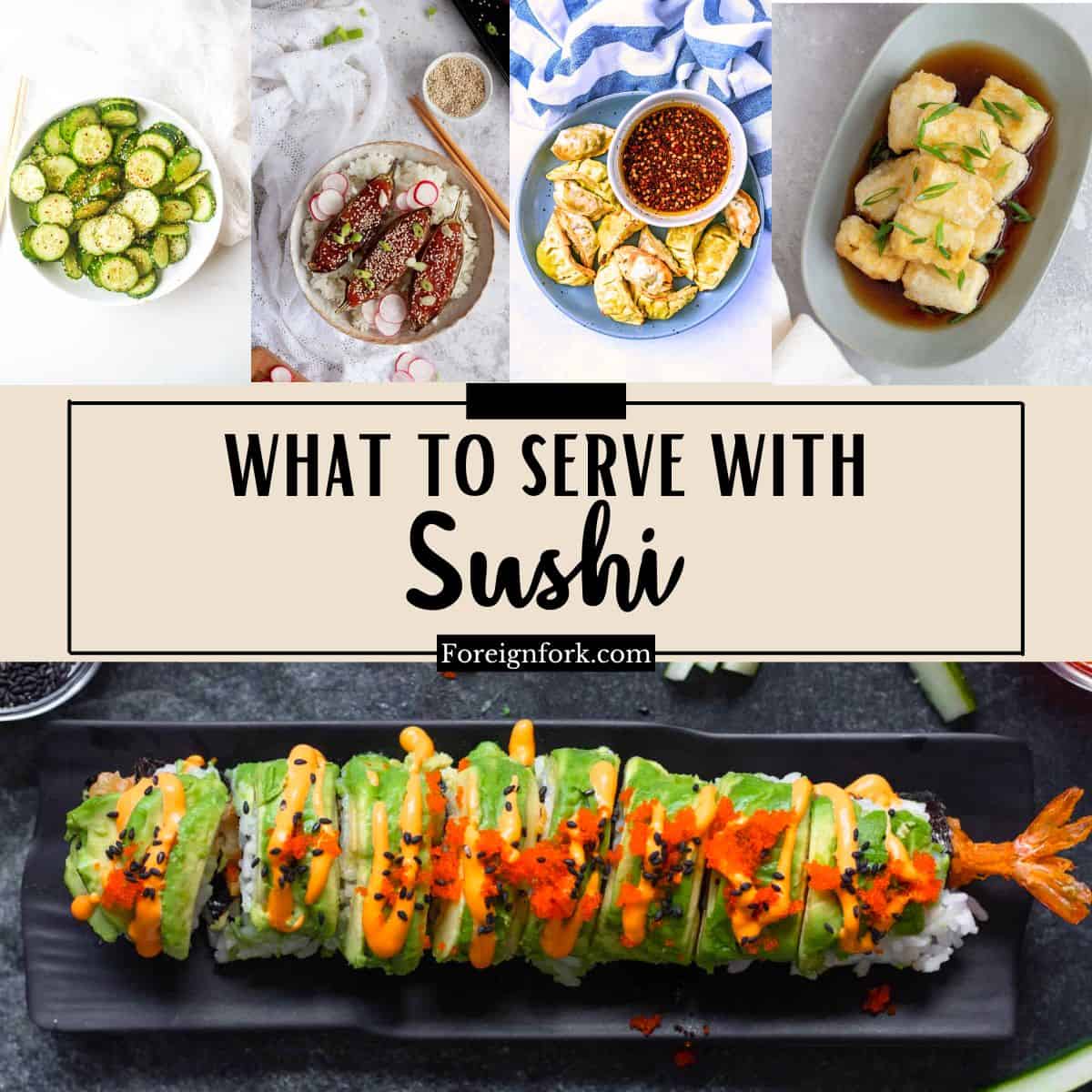
The range of side dishes and appetizers offered can significantly broaden a sushi brand’s culinary narrative and appeal. While edamame and miso soup are staples, offering more elaborate or creative starters like thinly sliced sashimi salads, innovative tempura dishes, or artisanal gyoza allows a brand to showcase its culinary range beyond just sushi. These items not only enhance the overall dining experience but also contribute to the brand’s identity as a comprehensive Japanese eatery, not merely a sushi bar. They provide additional touchpoints for customers to engage with the brand’s creativity and quality, attracting a wider audience and encouraging repeat visits. This expansion effectively communicates a brand’s versatility and commitment to a broader gastronomic experience.

Beverages: Pairing for Prestige and Brand Lifestyle
The selection of beverages served alongside sushi is another potent tool for brand building. A carefully curated list of sake, ranging from accessible junmai to exquisite daiginjo, allows a brand to cater to connoisseurs and novices alike, elevating the perception of sophistication. Beyond sake, offering Japanese craft beers, artisanal cocktails with a Japanese twist, or specialty non-alcoholic beverages like yuzu sodas or premium teas, further refines the brand lifestyle. These choices communicate whether the brand is aiming for a casual, trendy, or upscale image. For instance, a brand focusing on high-end sake pairings might position itself as an exclusive destination, whereas a brand with innovative cocktails targets a more youthful, vibrant demographic. The beverage menu, therefore, is not just a source of revenue, but a powerful statement about the brand’s identity and its desired customer experience.
The Art of Presentation: Visual Branding and Experiential Design
In the age of visual culture and social media, how sushi and its accompaniments are presented is as crucial as their taste. Plating aesthetics and the overall experiential design are critical for visual branding, influencing customer perception and driving engagement.
Plating Aesthetics: The Visual Language of Your Brand
The visual arrangement of sushi and its accompaniments on the plate is a direct expression of a brand’s design identity. Elegant dishware, artful garnishes, and meticulous placement of each piece transform the meal into a work of art. A brand might choose minimalist ceramic plates to convey modern sophistication or rustic wooden planks to evoke traditional Japanese charm. The use of vibrant edible flowers, microgreens, or a perfectly placed lemon wedge can elevate the visual appeal, making the dish “Instagrammable” and fostering social media branding. This visual storytelling communicates quality, artistry, and attention to detail, inviting customers to not just eat, but to experience and share their dining journey. A brand that prioritizes aesthetic presentation understands that the eye eats first, and a beautiful plate can be a powerful marketing tool.
Ambiance and Service: The Holistic Brand Experience
The physical environment and the quality of service are integral to the holistic sushi brand experience. The restaurant’s decor, lighting, music, and the demeanor of the staff all contribute to the ambiance that reinforces the brand message conveyed by the food. A tranquil, minimalist space might communicate a brand’s focus on purity and tradition, while a lively, contemporary setting suggests innovation and vibrancy. Moreover, knowledgeable servers who can expertly guide guests through the menu, explain the nuances of different sushi types and their accompaniments, and suggest ideal pairings, enhance the brand’s perceived expertise and commitment to customer education. This personalized interaction transforms a meal into an engaging educational and cultural experience, deepening customer loyalty and reinforcing a brand’s reputation for exceptional service.
Packaging for Takeaway and Delivery: Extending the Brand Journey
In today’s diverse dining landscape, takeaway and delivery services are crucial. For a sushi brand, maintaining the integrity of the brand experience extends to how food is packaged for off-premise consumption. Branded packaging, thoughtful compartmentalization that keeps accompaniments fresh and distinct, and clear instructions for optimal enjoyment ensure that the brand’s quality and aesthetic are preserved outside the restaurant walls. A beautifully designed, eco-friendly container with the brand’s logo reinforces its values and attention to detail, ensuring that the convenience of delivery doesn’t compromise the premium brand image. This consistency across all service channels is vital for building a strong and cohesive corporate identity.
Strategic Branding Through Accompaniments: Case Studies and Future Trends
Examining how different sushi brands strategically use accompaniments can illuminate successful marketing strategies and inform future trends in brand development.
The Traditionalist’s Brand: Preserving Heritage, Signalling Exclusivity
High-end, Edo-style sushi bars epitomize the traditionalist brand. Their focus is on pristine, seasonal fish and a minimalist approach to accompaniments, often applied directly by the chef. Their brand promise is one of purity, culinary mastery, and an unadulterated experience of Japanese tradition. Accompaniments like a specific type of aged soy sauce, premium quality wasabi, and naturally pickled gari are carefully selected and presented to reinforce this message of exclusivity and connoisseurship. Their target audience seeks an authentic, almost spiritual, culinary journey, and the controlled presentation of accompaniments is central to this brand identity. These brands thrive on their reputation for uncompromised quality and adherence to traditional principles, positioning themselves as guardians of sushi heritage.
The Fusionist’s Brand: Innovation as a Core Identity
Conversely, many modern sushi restaurants embrace fusion, offering inventive rolls and eclectic accompaniments. Their brand identity is built on innovation, creativity, and a dynamic culinary experience. They might introduce sauces with international flavors, utilize unexpected garnishes, or offer non-traditional side dishes that appeal to a younger, more adventurous demographic. Here, the accompaniments are tools for constant reinvention and excitement, allowing the brand to stand out in a crowded market. Their marketing strategy often highlights novelty and unique flavor combinations, appealing to customers looking for new culinary experiences. These brands leverage the accompaniments to constantly refresh their menu and maintain a cutting-edge image, defining themselves as trendsetters in the sushi landscape.
Sustainability and Sourcing: A Modern Brand Imperative
A burgeoning trend in brand strategy across the food industry is the emphasis on sustainability and ethical sourcing. For sushi brands, this extends not only to the fish but also to the origin of accompaniments. Highlighting sustainably harvested soy, organically grown ginger, or locally sourced vegetables for side dishes can become a powerful brand differentiator. Communicating these values through menu descriptions, in-restaurant signage, and online platforms builds trust and brand loyalty among environmentally conscious consumers. A brand that demonstrates a commitment to responsible sourcing integrates this into its corporate social responsibility and leverages it as a core component of its identity, appealing to a growing segment of the market that prioritizes ethical consumption.
In conclusion, “what is sushi served with” is a question that, when viewed through the lens of branding, unlocks a profound understanding of how culinary choices shape a restaurant’s identity and market success. From the time-honored traditions that establish authenticity to the innovative elements that foster differentiation, every accompaniment plays a strategic role. By thoughtfully curating and presenting these elements, sushi brands can craft a compelling narrative, engage their audience on multiple sensory levels, and cultivate a lasting impression that extends far beyond the plate. It is in these seemingly small details that the true artistry of sushi branding is revealed, turning a meal into an unforgettable experience.
aViewFromTheCave is a participant in the Amazon Services LLC Associates Program, an affiliate advertising program designed to provide a means for sites to earn advertising fees by advertising and linking to Amazon.com. Amazon, the Amazon logo, AmazonSupply, and the AmazonSupply logo are trademarks of Amazon.com, Inc. or its affiliates. As an Amazon Associate we earn affiliate commissions from qualifying purchases.