
In an increasingly interconnected yet paradoxically fragmented world, the concept of societal cohesion has taken on new urgency and complexity. Traditionally understood as the bonds that unite people within a community or nation, encompassing shared values, trust, a sense of belonging, and a willingness to participate, societal cohesion is the invisible glue that holds societies together. In the digital age, however, this glue is constantly being tested, reformed, and sometimes dissolved by the rapid evolution of technology. From the ubiquitous presence of social media to the intricate workings of AI algorithms, technology is not merely a tool but a defining force shaping how we understand, experience, and cultivate societal cohesion.
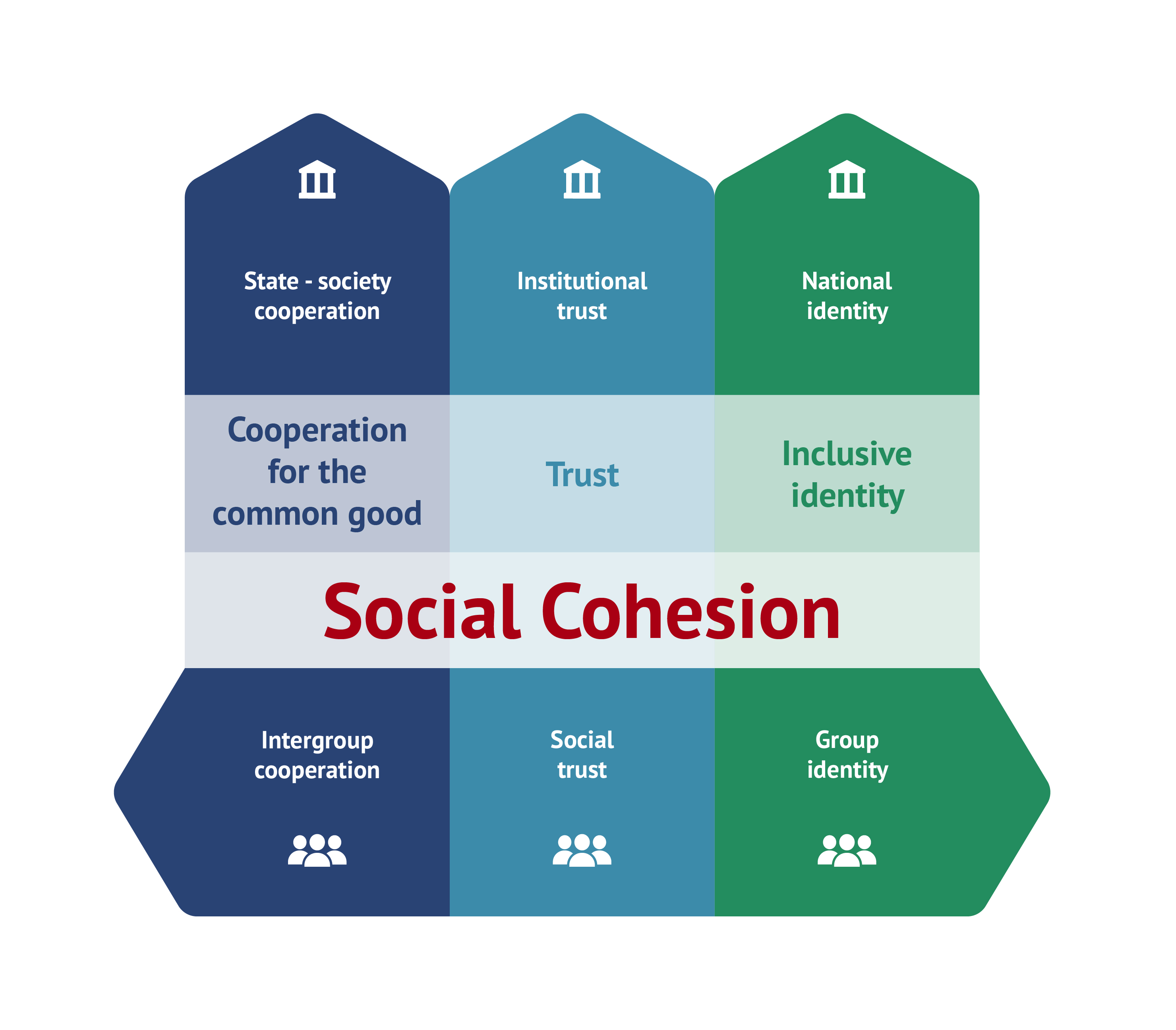
This exploration will delve into the multifaceted relationship between technology and societal cohesion, navigating the dual potential of digital innovation to both unite and divide. We will examine how digital platforms redefine our communities, how technological advancements amplify both connection and discord, and how we might harness the power of technology to build more resilient and cohesive societies for the future.
Understanding Societal Cohesion in a Digitally Interconnected World
To grasp the essence of societal cohesion today, we must acknowledge that its landscape has been irrevocably altered by digital transformation. The traditional markers of community—geographical proximity, shared physical spaces, and face-to-face interactions—have expanded to include vast, often borderless digital realms where identities are fluid, and interactions are instantaneous.
Defining Cohesion Beyond Analog Boundaries
Societal cohesion, in its purest form, speaks to the sense of solidarity and common purpose that allows diverse individuals to coexist and cooperate for mutual benefit. In the analog era, this was often fostered through local institutions, shared cultural events, and direct civic engagement. Today, these elements still play a role, but they are increasingly augmented—and sometimes overshadowed—by digital analogs. A sense of belonging might now be forged in online communities centered around niche interests, professional networks, or shared causes. Trust, a cornerstone of cohesion, is no longer solely built through personal acquaintance but also through digital reputations, platform transparency, and the perceived reliability of online information sources. Shared values can be amplified or challenged through viral content, digital campaigns, and global online dialogues, transcending geographical and cultural barriers.
The Digital Fabric of Community and Belonging
The internet has woven a new kind of fabric for human connection, enabling communities to form and thrive based on shared interests rather than just shared zip codes. From massive multiplayer online games fostering collaborative teams to global advocacy groups organizing through encrypted messaging apps, digital spaces have become crucial sites for the formation of identity and belonging. These digital communities can offer immense support, a sense of validation, and platforms for collective action that might not be available in an individual’s immediate physical environment. For many, a significant portion of their social capital and sense of belonging is now intrinsically linked to their digital presence and interactions. This “digital fabric” is both resilient and fragile, capable of instantaneous solidarity yet vulnerable to the ephemeral nature of online trends and the rapid dissolution of ties.
Technology as a Double-Edged Sword for Social Bonds
While technology offers unprecedented avenues for connection, its impact on societal cohesion is undeniably complex, presenting both profound opportunities for unity and significant risks of fragmentation. It acts as a double-edged sword, simultaneously forging stronger bonds and creating deeper divides.
Amplifying Connection: How Tech Fosters Shared Experience
On one side, technology has become an unparalleled amplifier of connection. Social media platforms, messaging apps, and video conferencing tools have made it possible to maintain relationships across vast distances, bridge cultural gaps, and foster a sense of shared humanity. During global crises, digital tools have enabled rapid dissemination of information, coordinated relief efforts, and allowed dispersed communities to offer mutual support. Virtual reality (VR) and augmented reality (AR) are beginning to offer immersive shared experiences that transcend physical limitations, potentially fostering empathy and understanding by allowing individuals to “walk in another’s shoes” or collectively experience events from afar. The ability to instantly share experiences, ideas, and emotions with a global audience can cultivate a powerful sense of collective consciousness, uniting people around common causes and celebrations. Tech has democratized access to information and enabled marginalized voices to find platforms, fostering solidarity and challenging established narratives.
Eroding Trust: The Perils of Disinformation and Echo Chambers
Conversely, the same technologies that connect us can also systematically erode trust, a fundamental component of societal cohesion. The proliferation of misinformation, disinformation, and propaganda, often amplified by algorithmic biases, poses a severe threat. Fake news spreads faster and often further than factual reporting, leading to public confusion, skepticism towards institutions, and a diminished capacity for informed civic discourse. Moreover, the architecture of many digital platforms encourages the formation of “echo chambers” and “filter bubbles,” where individuals are primarily exposed to information and viewpoints that confirm their existing beliefs. This algorithmic curation, designed to maximize engagement, inadvertently minimizes exposure to diverse perspectives, hardening existing biases and making productive dialogue across ideological lines increasingly difficult. As trust in shared facts diminishes and societal narratives diverge, the common ground necessary for cohesion shrinks.
The Algorithmic Divide: Fragmentation and Polarization
The algorithmic nature of content delivery also contributes to societal fragmentation. By prioritizing engagement, algorithms often surface sensational or emotionally charged content, which can exacerbate divisions and push users towards more extreme viewpoints. This “algorithmic divide” can deepen polarization, turning ideological differences into intractable conflicts. Online communities, while offering belonging, can also become insular, fostering “us vs. them” mentalities against those outside their digital borders. Furthermore, the anonymity afforded by some online spaces can unleash hateful rhetoric, cyberbullying, and targeted harassment, creating hostile environments that discourage open participation and drive wedges between groups. This creates a vicious cycle where a lack of trust leads to withdrawal, further reducing opportunities for genuine connection and understanding, thereby weakening the overall societal fabric.
Leveraging Digital Tools for Greater Cohesion
Recognizing technology’s dual capacity, the critical challenge lies in consciously designing, utilizing, and regulating digital tools to foster rather than diminish societal cohesion. This requires a proactive approach from tech developers, policymakers, and individual users alike.
Designing Platforms for Positive Interaction
The architecture of digital platforms plays a crucial role in shaping user behavior. Designers and developers have a responsibility to move beyond engagement-at-all-costs metrics towards prioritizing user well-being, healthy dialogue, and genuine connection. This includes implementing features that encourage empathy, critical thinking, and respectful debate, such as prompts to reconsider sharing divisive content, verified information tags, and mechanisms for constructive conflict resolution. Features that promote local community building, facilitate real-world meetups, or support shared civic projects can leverage digital convenience to strengthen analog ties. User interfaces can be designed to gently expose individuals to diverse perspectives, breaking down filter bubbles without alienating users. Ultimately, the goal is to create digital public squares that are safe, inclusive, and conducive to building understanding rather than breeding discord.
AI’s Role in Bridging Divides and Understanding Needs
Artificial intelligence, often implicated in algorithmic polarization, also holds immense potential to bridge societal divides. AI can be deployed to identify patterns of misinformation more effectively, flag hate speech, and moderate content at scale, thereby creating safer online environments. Beyond moderation, AI can be used to analyze large datasets of public opinion and sentiment, helping policymakers understand the nuanced needs and concerns of diverse communities, leading to more inclusive policy-making. Natural Language Processing (NLP) tools can facilitate cross-cultural communication by providing real-time translation and contextual understanding, fostering dialogue where language barriers once existed. Furthermore, AI-powered educational tools can personalize learning experiences, promoting digital literacy and critical thinking skills essential for navigating complex information landscapes and participating constructively in a cohesive society.
Digital Literacy as a Foundation for Cohesive Online Spaces
Perhaps the most crucial investment in leveraging digital tools for cohesion is the widespread promotion of digital literacy. This extends beyond merely knowing how to use technology; it encompasses critical thinking about online information, understanding algorithmic biases, recognizing manipulative tactics, and practicing responsible digital citizenship. Educating individuals on media literacy, fact-checking techniques, and the ethical implications of online sharing empowers them to navigate digital spaces more discerningly and contribute positively to online discourse. Programs that teach empathy in online interactions, promote respectful communication, and highlight the impact of cyberbullying can help cultivate a more civil digital environment. A digitally literate populace is better equipped to resist manipulation, engage in constructive dialogue, and collectively steward online spaces towards greater unity and understanding.
The Future of Societal Cohesion in an Evolving Tech Landscape
The trajectory of societal cohesion will be inextricably linked to the ongoing evolution of technology. As new technologies emerge—from advanced AI to the metaverse—societies must proactively address their potential impacts, ensuring that innovation serves the common good and strengthens the bonds that define us.
Regulatory Frameworks and Ethical AI Development
To safeguard societal cohesion, robust regulatory frameworks are becoming increasingly essential. Governments and international bodies must work collaboratively to establish guidelines for technology companies, addressing issues such as data privacy, platform accountability, algorithmic transparency, and content moderation standards. These regulations should aim to curb the spread of harmful content, prevent monopolistic practices that stifle diverse voices, and protect vulnerable populations online. Simultaneously, the tech industry itself has a profound ethical obligation to develop AI and other emerging technologies with human well-being and societal impact at the forefront. This means integrating ethical considerations into every stage of the design and deployment process, prioritizing fairness, accountability, and transparency to ensure that technology serves as a force for good.

Cultivating Digital Citizenship and Collective Responsibility
Ultimately, the future of societal cohesion in the digital age rests on the cultivation of robust digital citizenship and a collective sense of responsibility. This involves individuals understanding their rights and duties in online spaces, contributing positively to digital communities, and holding platforms and content creators accountable. It necessitates a societal shift towards valuing truth, empathy, and respectful engagement online as much as offline. Schools, families, and community organizations all play a role in nurturing these attributes, preparing future generations to navigate complex digital environments with wisdom and integrity. By fostering a culture of collective responsibility, where every digital interaction is considered for its broader societal impact, we can actively shape a future where technology amplifies our shared humanity rather than fragments it. The quest for societal cohesion in the digital age is not merely a technical challenge but a profound human endeavor requiring continuous vigilance, innovation, and a commitment to our shared future.
aViewFromTheCave is a participant in the Amazon Services LLC Associates Program, an affiliate advertising program designed to provide a means for sites to earn advertising fees by advertising and linking to Amazon.com. Amazon, the Amazon logo, AmazonSupply, and the AmazonSupply logo are trademarks of Amazon.com, Inc. or its affiliates. As an Amazon Associate we earn affiliate commissions from qualifying purchases.