
In the early days of social networking, before the widespread adoption of smartphones and ubiquitous mobile internet, a significant challenge for platforms like Facebook was reaching users across all types of devices and network conditions. Not everyone had a data plan, let alone a smartphone capable of running sophisticated mobile applications. This constraint spurred innovative solutions, one of the most pivotal being the integration of Short Message Service (SMS) with Facebook. “SMS Facebook” wasn’t a separate product but rather a suite of functionalities that allowed users to interact with the social media giant directly through text messages. It represented a crucial technological bridge, connecting the burgeoning world of online social networks with the foundational technology of mobile communication.
At its core, SMS Facebook enabled users to perform a variety of actions, from receiving notifications and updating their status to resetting passwords and even engaging in rudimentary messaging, all without an internet connection. This service was particularly vital in emerging markets where feature phones dominated and data costs were prohibitive. Understanding SMS Facebook requires a dive into the technological landscape of the late 2000s and early 2010s, recognizing its ingenious approach to accessibility, its technical complexities, and its eventual evolution as mobile technology advanced. It stands as a testament to Facebook’s early commitment to global reach and its strategic leveraging of existing mobile infrastructure.
The Historical Context: Bridging Feature Phones and Social Networks
The internet, as we know it today, is characterized by high-speed connections and always-on access via sophisticated devices. However, not so long ago, this was a futuristic vision rather than a reality for the majority of the global population. The advent of social media platforms like Facebook brought with it the promise of global connectivity, but this promise was contingent on access—a commodity that was far from evenly distributed.
Early Internet Access Limitations
In the late 2000s and early 2010s, internet access, especially mobile internet, was a luxury for many. Developing nations often had limited infrastructure, and even in developed countries, data plans were expensive and often capped. Feature phones, which offered basic calling and texting capabilities, were the dominant mobile device for billions. These devices lacked the processing power, memory, and screen resolution to run data-intensive applications. Furthermore, mobile internet speeds (like GPRS or EDGE) were slow and unreliable, making browsing social media a frustrating experience. This digital divide created a significant barrier to entry for platforms aiming for universal adoption.
Facebook’s Vision for Universal Accessibility
Facebook’s mission has always revolved around connecting the world. To achieve this, it recognized the imperative to transcend the limitations of internet access. If users couldn’t access Facebook via a web browser or a dedicated app, an alternative channel was necessary. SMS, being the most pervasive and accessible mobile technology globally, presented itself as the perfect solution. By integrating with SMS, Facebook could extend its reach to millions, if not billions, of potential users who were otherwise excluded from the burgeoning digital social sphere. This strategic move was not just about market expansion; it was about fulfilling the core promise of social media: making connections universally available.
The Role of SMS as a Ubiquitous Standard
SMS, or Short Message Service, is a standard communication protocol that allows mobile devices to exchange short text messages. Invented in the 1980s and commercialized in the 1990s, SMS became the lowest common denominator for mobile communication worldwide. It required minimal network bandwidth, was supported by virtually every mobile phone, and operated independently of internet connectivity. Its ubiquity made it an ideal conduit for Facebook to deliver essential functionalities to users who lacked data access. By simply sending or receiving a text message, users could engage with Facebook, making the platform accessible to a much broader demographic than would have been possible otherwise. This foundational role of SMS underscores its importance as a critical technological enabler in Facebook’s early global expansion strategy.
Core Functionalities: How SMS Powered Facebook Interactions
The beauty of SMS Facebook lay in its ability to translate complex social networking interactions into simple, text-based commands and responses. It provided a stripped-down yet highly effective interface for core Facebook features, making the platform functional even for those with the most basic mobile devices.
Receiving Facebook Notifications via SMS
One of the most valuable aspects of SMS Facebook was its notification system. Users could opt-in to receive alerts about various activities on their Facebook accounts directly to their mobile phones as text messages. This included notifications for new friend requests, messages, wall posts, comments on their statuses or photos, event invitations, and more. For users who weren’t constantly online, this was a game-changer. It kept them connected and informed, ensuring they didn’t miss important interactions without needing to log in via a computer or a data-enabled mobile device. The system was configurable, allowing users to select which types of notifications they wished to receive, thereby managing potential SMS spam and associated costs.
Posting Status Updates and Photos via Text
Beyond just receiving information, SMS Facebook also allowed users to actively contribute content. A key feature was the ability to post status updates simply by sending a text message to a designated Facebook shortcode. Users would compose their desired status message and send it, and within moments, it would appear on their Facebook profile. While limited to text, this still represented a significant level of engagement. In some regions, Facebook also experimented with the ability to upload photos via SMS, though this was technically more complex. Users would send an MMS (Multimedia Messaging Service) message with an attached photo, which Facebook would then process and post. This extended functionality, though not as widely adopted as text status updates, demonstrated the platform’s commitment to leveraging all available mobile messaging technologies.
Account Security and Two-Factor Authentication (2FA)
As online security became an increasingly pressing concern, SMS found a critical role in enhancing Facebook account protection, a role it maintains even today. SMS was, and still is, a primary method for Two-Factor Authentication (2FA). When 2FA is enabled, logging into Facebook from an unrecognized device requires not only a password but also a unique code sent to the user’s registered mobile number via SMS. This adds an extra layer of security, significantly reducing the risk of unauthorized access even if a password is compromised. This particular use case highlights SMS’s reliability and pervasiveness as a secure channel for sensitive information, underscoring its enduring technical importance for user security.
Retrieving Forgotten Passwords
Another fundamental security and accessibility feature powered by SMS was password retrieval. If a user forgot their Facebook password, they could initiate a password reset process, and a temporary code or a link to reset their password would be sent to their registered phone number via SMS. This functionality was crucial for ensuring users could regain access to their accounts quickly and securely, without requiring email access or a complex verification process that might not be feasible on a feature phone. It simplified account recovery, making Facebook more robust and user-friendly, especially for those with limited digital literacy or resources.
Technical Architecture: Behind the SMS-Facebook Integration
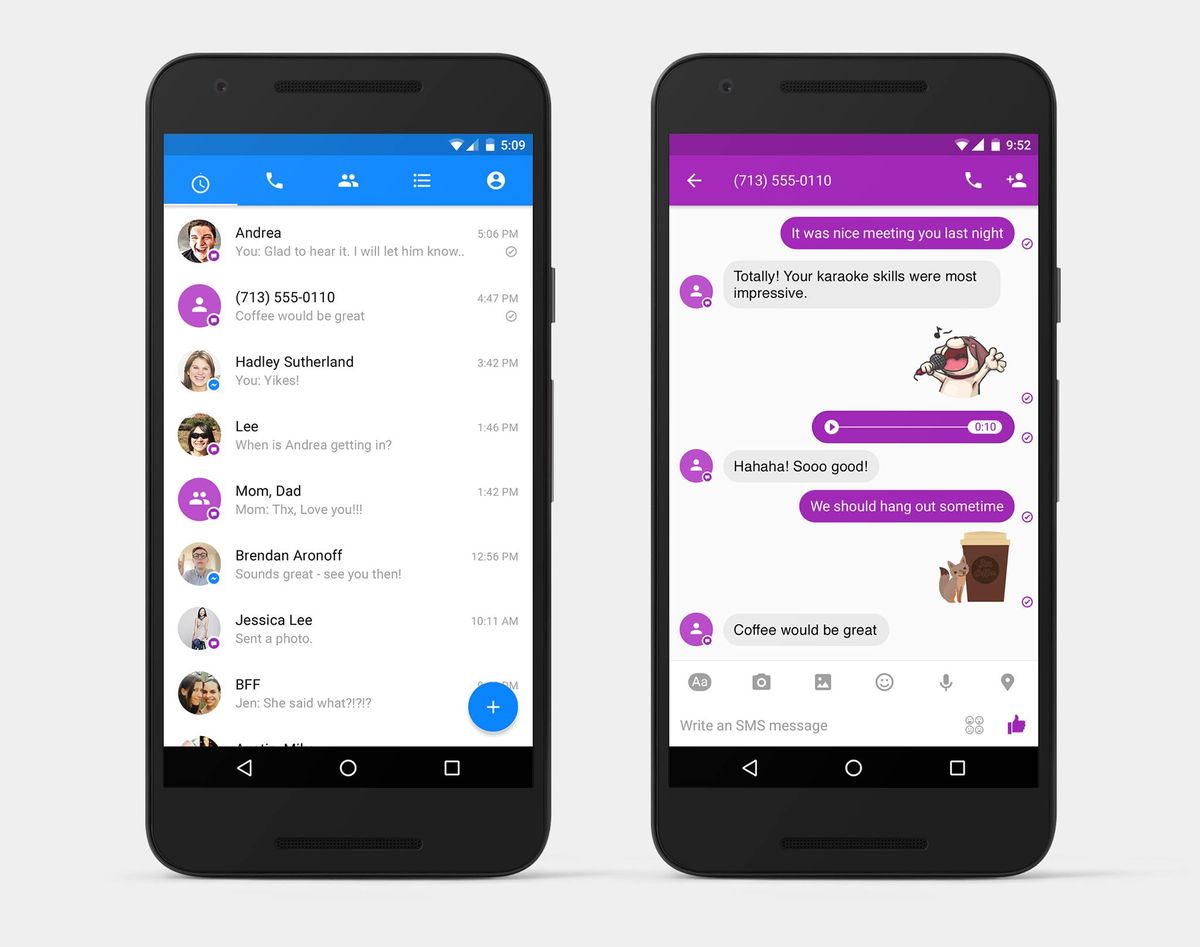
The seamless interaction between a global social network and a decentralized messaging system like SMS wasn’t magic; it was the result of a sophisticated technical architecture designed to handle massive volumes of traffic and disparate protocols.
SMS Gateways and Carrier Partnerships
At the heart of the SMS-Facebook integration were SMS gateways. These are crucial intermediaries that bridge the gap between internet-based applications (like Facebook’s servers) and mobile carrier networks. When a user sent an SMS to Facebook’s shortcode, the message would first travel through their mobile carrier’s network and then be routed to an SMS gateway. This gateway would then convert the SMS message into a format that Facebook’s servers could understand (e.g., an HTTP POST request) and forward it. Conversely, when Facebook needed to send a notification to a user, it would send the message to the SMS gateway, which would then convert it into an SMS and deliver it through the user’s mobile carrier.
To make this possible, Facebook had to forge extensive partnerships with mobile network operators (MNOs) around the world. These partnerships were critical for securing shortcodes, negotiating message delivery rates, and ensuring reliable two-way communication. The complexity varied by region, with different MNOs having unique technical requirements and commercial agreements.
API Integration and Data Flow
Facebook’s backend systems relied heavily on Application Programming Interfaces (APIs) to manage the flow of information for SMS interactions. When an SMS message arrived at Facebook’s servers via an SMS gateway, a dedicated API endpoint would receive and process it. This API would parse the message to identify commands (e.g., “POST [status message]”, “GET NOTIFICATIONS”) and user identifiers. Once processed, the command would trigger specific actions within Facebook’s core application logic, such as updating a user’s status in the database or querying for pending notifications.
For outbound messages, such as notifications or password reset codes, Facebook’s systems would generate the appropriate text content. This content would then be passed through another API to the SMS gateway for delivery to the user’s mobile number. The entire process involved robust data validation, error handling, and logging to ensure message integrity and delivery success. The architecture was designed to be highly scalable, capable of handling millions of SMS interactions daily across diverse geographic locations.
Parsing SMS Commands and Responses
A significant technical challenge was the intelligent parsing of incoming SMS messages. Text messages are inherently unstructured, and users might type commands in various ways. Facebook’s system needed sophisticated algorithms to interpret user intent from short, often abbreviated, and sometimes grammatically incorrect texts. For example, “update my status to I’m happy” needed to be understood as a status update command. This involved keyword recognition, pattern matching, and potentially natural language processing (NLP) techniques, albeit simplified ones given the constraints of SMS.
Similarly, the responses sent back to users via SMS had to be concise, clear, and informative, often needing to summarize complex Facebook events within the 160-character limit of a single SMS segment. This required careful design of message templates and dynamic content generation to ensure that users received the most relevant information efficiently.
Security Protocols and Challenges
Security was paramount. Handling user data and enabling account access via SMS presented several challenges. Facebook implemented various security protocols to protect user privacy and prevent abuse. This included validating sender identities (though SMS spoofing could be a concern), encrypting data where possible (especially during transit between Facebook and SMS gateways), and implementing rate limiting to prevent spam and denial-of-service attacks. The use of SMS for 2FA and password resets also required robust authentication mechanisms on Facebook’s side to ensure that only the legitimate owner of the phone number could perform sensitive actions. While SMS itself is not an encrypted channel, the security lay in the handling and validation of information at Facebook’s secure endpoints and the reliance on the user having physical possession of their phone.
The Evolution and Modern Relevance: From Necessity to Legacy
The landscape of mobile technology has undergone a seismic shift since the peak of SMS Facebook’s utility. The rise of smartphones, cheaper data, and dedicated messaging apps has significantly diminished the need for text-based interactions with social media platforms.
The Rise of Smartphones and Mobile Apps
The proliferation of smartphones, notably driven by devices like the iPhone and Android handsets, fundamentally changed how people accessed the internet and interacted with digital services. These devices offered rich graphical user interfaces, powerful processors, and the ability to run sophisticated mobile applications. Dedicated Facebook apps for iOS and Android provided a far superior user experience compared to SMS—complete with high-resolution photos, videos, real-time feeds, and a comprehensive set of features. As smartphones became more affordable and widespread, the reliance on SMS for Facebook access naturally declined. Users gravitated towards the visually richer and more interactive app experience.
Data Connectivity and Messaging Alternatives (WhatsApp, Messenger)
Alongside the hardware evolution, internet connectivity became significantly cheaper and more accessible. Mobile data plans became more generous, and Wi-Fi networks became ubiquitous. This meant that accessing Facebook via data was no longer a major cost barrier for many. Furthermore, Facebook itself developed its own dedicated messaging apps, most notably Facebook Messenger and later acquiring WhatsApp. These over-the-top (OTT) messaging services offered a free, feature-rich alternative to SMS, including group chats, media sharing, voice and video calls, and end-to-end encryption. As users migrated to these data-driven messaging platforms, the need to use SMS for Facebook messaging or notifications waned dramatically.
Sustained Importance for Emerging Markets and Account Security
Despite the decline in its general use, SMS Facebook has not entirely disappeared and retains critical relevance in specific contexts. In parts of the world where smartphone penetration is still lower, or data connectivity remains unreliable and expensive, basic SMS access to Facebook (or Facebook Lite, a stripped-down app version) continues to be important. More universally, its role in account security, particularly Two-Factor Authentication (2FA) and password resets, remains paramount. Many users still opt for SMS-based 2FA due to its simplicity and the universal reach of mobile networks. In this capacity, SMS serves as a foundational layer of security, acting as a fallback or a primary method when internet-based authentication options are unavailable or less secure.
The Future of SMS in Social Media Contexts
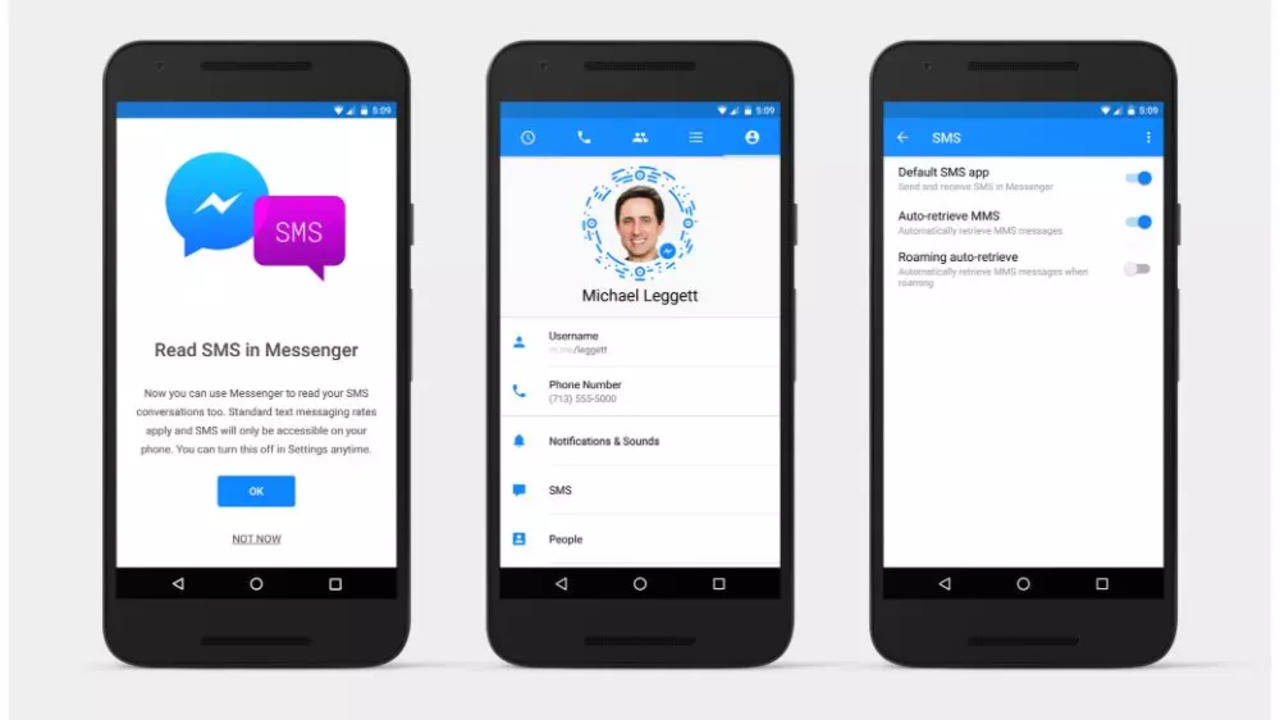
While SMS is no longer the primary channel for direct interaction with Facebook, its underlying technology continues to be a critical component of the mobile ecosystem. It serves as a reliable last resort for notifications, a crucial tool for security, and a bridge for underserved populations. The future of SMS in social media contexts will likely remain focused on these essential, infrastructural roles rather than as a primary user interface. As technology advances, more sophisticated, encrypted, and data-rich messaging standards like RCS (Rich Communication Services) are emerging, which aim to enhance SMS with modern app-like features. However, for sheer universality and resilience, the humble SMS continues to hold a niche, ensuring that even the most basic mobile device can maintain a lifeline to the vast interconnected world of social media, primarily through its enduring utility as a security and accessibility tool.
aViewFromTheCave is a participant in the Amazon Services LLC Associates Program, an affiliate advertising program designed to provide a means for sites to earn advertising fees by advertising and linking to Amazon.com. Amazon, the Amazon logo, AmazonSupply, and the AmazonSupply logo are trademarks of Amazon.com, Inc. or its affiliates. As an Amazon Associate we earn affiliate commissions from qualifying purchases.