
Endometriosis is a chronic condition affecting millions of women worldwide, characterized by the growth of endometrial-like tissue outside the uterus. While commonly associated with debilitating pelvic pain, heavy menstrual bleeding, and infertility, a less discussed but equally significant form exists: silent endometriosis. This subtype presents a unique challenge due to its often subtle or absent symptoms, leading to delayed diagnosis and potentially more severe consequences. Understanding silent endometriosis is crucial for improving early detection, effective management, and ultimately, the quality of life for affected individuals.
The Elusive Nature of Silent Endometriosis
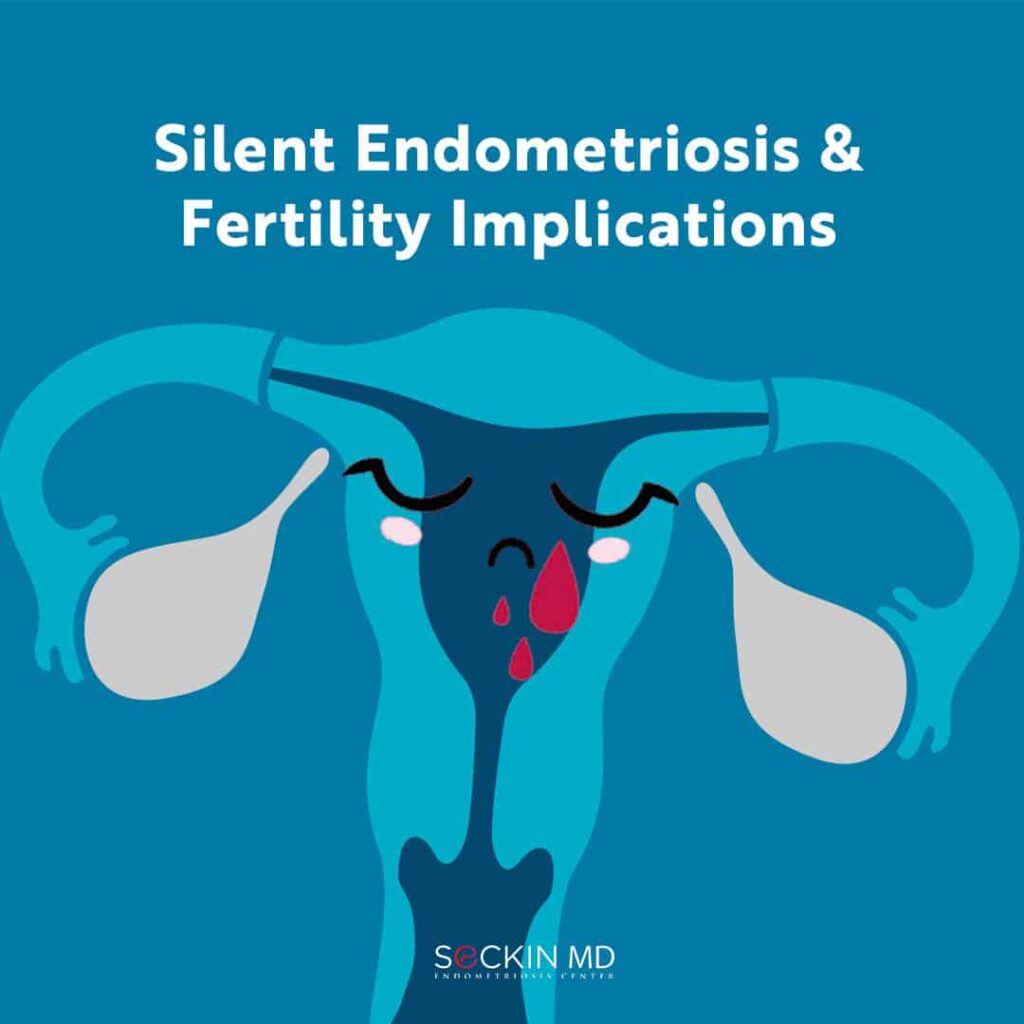
Silent endometriosis, also known as asymptomatic endometriosis, refers to the presence of endometrial implants and lesions without the hallmark pain and other typical symptoms that prompt medical consultation. This absence of overt pain can create a false sense of security, allowing the disease to progress undetected for years. The tissue outside the uterus behaves like uterine lining, thickening, breaking down, and bleeding with each menstrual cycle. However, without nerve endings in the surrounding tissue being significantly irritated or compressed, the pain signal may not be triggered.
Why “Silent”? The Absence of Typical Symptoms
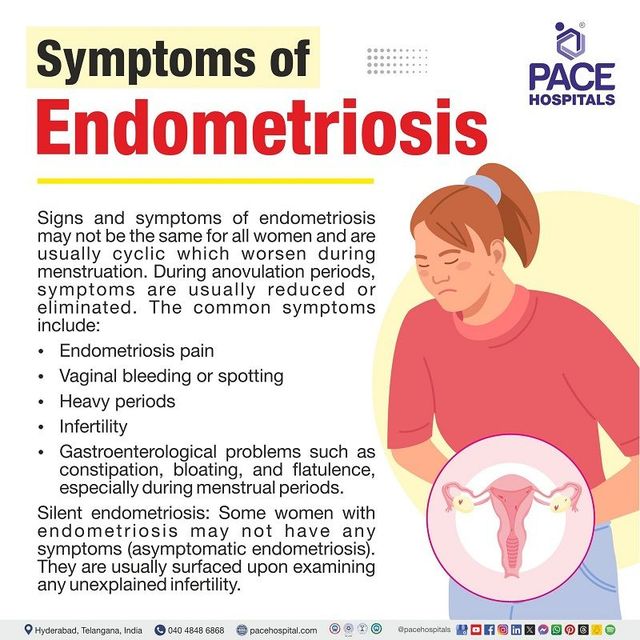
The term “silent” directly addresses the lack of palpable pain, which is the most common presenting symptom for many endometriosis sufferers. Unlike endometriosis that causes severe dysmenorrhea (painful periods), dyspareunia (painful intercourse), or chronic pelvic pain, silent endometriosis may manifest with no discernible discomfort or only very mild, intermittent symptoms that are easily dismissed or attributed to other causes. This can include minor spotting between periods or a vague feeling of abdominal fullness, which many women consider within the realm of normal menstrual variations.
The Diagnostic Paradox: Finding a Condition Without a Cry for Help
The diagnostic paradox of silent endometriosis lies in the fact that it often remains hidden until it causes secondary complications or is discovered incidentally during surgery for other reasons. Without the patient’s primary complaint of pain or significant bleeding, a gynecologist might not suspect endometriosis during routine examinations. This can lead to a delayed diagnosis, which is a common theme in endometriosis research. By the time it is identified, the disease might have progressed to more advanced stages, involving deeper implants, ovarian endometriomas (chocolate cysts), or adhesions that can impact organ function.
The Deceptive Progression of the Disease
Despite its lack of immediate discomfort, silent endometriosis is not benign. The ectopic endometrial tissue continues to grow and inflame the surrounding organs, leading to potential complications that can eventually manifest with symptoms. The absence of pain does not equate to the absence of disease activity or its potential for harm. Understanding this insidious progression is key to appreciating the importance of proactive screening and awareness.
Deeper Implants and Adhesions: The Silent Scars
Over time, endometrial implants can penetrate deeper into the pelvic organs, such as the ovaries, fallopian tubes, bladder, bowel, and even the diaphragm. This deep infiltrating endometriosis (DIE) is more likely to cause functional issues, even without significant pain. The inflammatory process associated with these implants can also lead to the formation of adhesions – fibrous bands that can bind organs together. These adhesions can restrict organ movement, leading to bowel obstruction, difficulty urinating, and infertility.
Ovarian Endometriomas: The Hidden Cysts
Ovarian endometriomas, commonly referred to as “chocolate cysts” due to their dark, tarry contents, are another common manifestation of endometriosis, including the silent form. These cysts form when endometrial tissue grows within the ovary. While some endometriomas can cause ovarian pain, many remain asymptomatic until they grow large, press on surrounding structures, or rupture, leading to acute pain. Their presence can also interfere with ovarian function and egg quality, contributing to infertility.
Impact on Fertility: A Silent Saboteur
For many women, the first indication of silent endometriosis comes when they are trying to conceive. Endometriosis is a significant factor in infertility, affecting approximately 30-50% of women experiencing difficulty getting pregnant. The mechanisms by which endometriosis impacts fertility are multifaceted and include distortion of pelvic anatomy, inflammation that creates a hostile environment for implantation, impaired egg quality, and altered hormonal signaling. In silent endometriosis, these effects can be significant, even without the patient experiencing any pelvic pain.
Diagnosis and Management: Navigating the Undiagnosed
Diagnosing silent endometriosis presents a unique challenge, often requiring a high index of suspicion and advanced imaging techniques. The management strategies, while similar to symptomatic endometriosis, are tailored to the individual’s specific situation, considering factors like age, desire for fertility, and the extent of disease.
The Role of Imaging and Laparoscopy
Historically, a definitive diagnosis of endometriosis required a laparoscopy, a minimally invasive surgical procedure where a surgeon uses a small camera to visualize the pelvic organs. While laparoscopy remains the gold standard for diagnosis and often for treatment, advancements in medical imaging have improved our ability to detect endometriosis non-invasively. Transvaginal ultrasound, particularly with experienced practitioners, can often identify ovarian endometriomas and suggest the presence of deep infiltrating endometriosis. Magnetic Resonance Imaging (MRI) is also a valuable tool, providing detailed images of pelvic anatomy and aiding in the detection of DIE. However, these imaging modalities are not always definitive, and a low threshold for surgical exploration may be necessary in cases with high suspicion, especially in women experiencing infertility.
Strategies for Early Detection and Monitoring
Given the challenges in diagnosing silent endometriosis, proactive strategies are crucial. Increased awareness among healthcare providers and the public about the varied presentations of endometriosis is paramount. For individuals with a family history of endometriosis, or those experiencing unexplained infertility, a thorough gynecological evaluation, including imaging, should be considered even in the absence of significant pain. Regular gynecological check-ups and open communication with healthcare providers about any subtle changes or concerns are vital for early detection.
Treatment Approaches for Silent Endometriosis
The treatment approach for silent endometriosis depends on several factors, including the severity of the disease, the presence of complications, and the patient’s reproductive goals.
- Pain Management: While the focus of “silent” endometriosis is the absence of pain, if it does develop or if the patient has experienced it in the past, managing pain is a priority. This can involve hormonal therapies (birth control pills, GnRH agonists, progestins) to suppress menstrual cycles and reduce the growth of endometrial tissue, as well as non-steroidal anti-inflammatory drugs (NSAIDs) for symptom relief.
- Surgical Intervention: Laparoscopic surgery remains a cornerstone for both diagnosis and treatment. It allows for the excision of endometrial implants and adhesions, and the removal of endometriomas. The goal of surgery is to remove all visible disease while preserving healthy tissue and organs, especially for women desiring fertility.
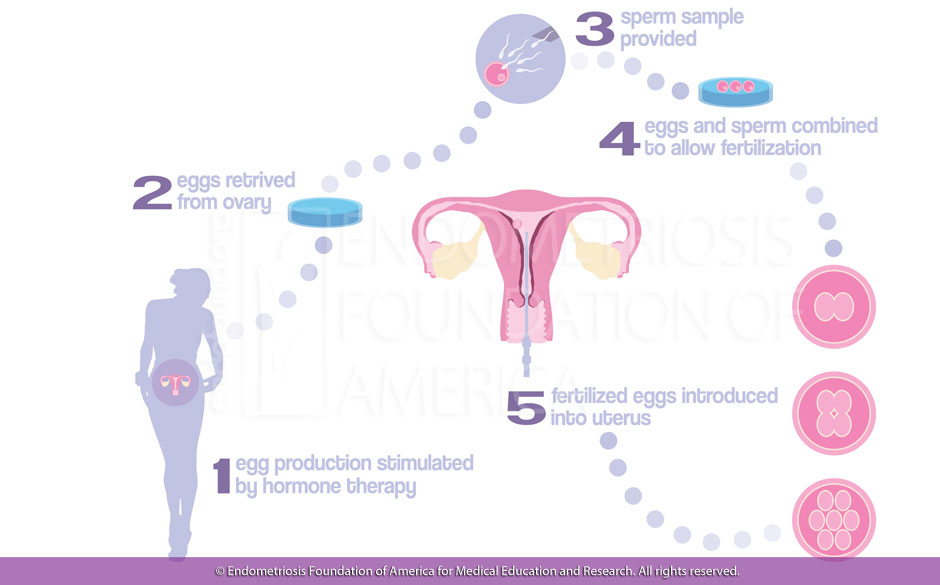
- Fertility Preservation and Treatment: For women experiencing infertility due to silent endometriosis, treatment may involve a combination of surgical intervention to improve pelvic anatomy and hormonal therapy to suppress disease activity. Assisted reproductive technologies (ART) such as in vitro fertilization (IVF) may also be recommended, as they can bypass some of the anatomical and inflammatory challenges posed by endometriosis.
The Psychological and Societal Impact
The silent nature of this condition can have profound psychological and societal impacts on individuals. The lack of validation and understanding from others, coupled with the physical toll of a progressive disease, can lead to significant emotional distress.
The Burden of Undiagnosed Illness
The journey to diagnosis for silent endometriosis can be long and frustrating. Without clear symptoms, individuals may doubt their own experiences or face skepticism from healthcare providers, leading to a sense of isolation and invalidation. This prolonged period of uncertainty can contribute to anxiety, depression, and a feeling of powerlessness. The absence of visible signs can also make it difficult for individuals to explain their condition to friends, family, or employers, leading to a lack of support and understanding.
The Importance of Advocacy and Awareness
Raising awareness about silent endometriosis is critical. This includes educating the public and medical community about its varied presentations, emphasizing that the absence of pain does not mean the absence of disease. Advocacy efforts can push for earlier and more comprehensive screening protocols, particularly for individuals at higher risk. Support groups and online communities can provide a vital platform for individuals to share their experiences, find solace, and advocate for better care and research. By bringing this “silent” condition into the light, we can improve diagnostic pathways, facilitate earlier intervention, and ultimately, enhance the lives of those affected.
aViewFromTheCave is a participant in the Amazon Services LLC Associates Program, an affiliate advertising program designed to provide a means for sites to earn advertising fees by advertising and linking to Amazon.com. Amazon, the Amazon logo, AmazonSupply, and the AmazonSupply logo are trademarks of Amazon.com, Inc. or its affiliates. As an Amazon Associate we earn affiliate commissions from qualifying purchases.