
In the dynamic landscape of consumer goods, understanding “what a product is used for” transcends a mere functional description; it delves into the core of brand strategy, consumer perception, and market positioning. For a product like Sal de Uvas Picot, a household name for generations in many parts of the world, its utility is not just an inherent property but a carefully cultivated narrative built by the brand over decades. This article will explore Sal de Uvas Picot’s primary uses through the lens of brand identity, examining how its purpose has been strategically defined, communicated, and sustained, solidifying its place in the market and in the collective consciousness of its consumers.
The Strategic Positioning of Sal de Uvas Picot: A Legacy of Relief
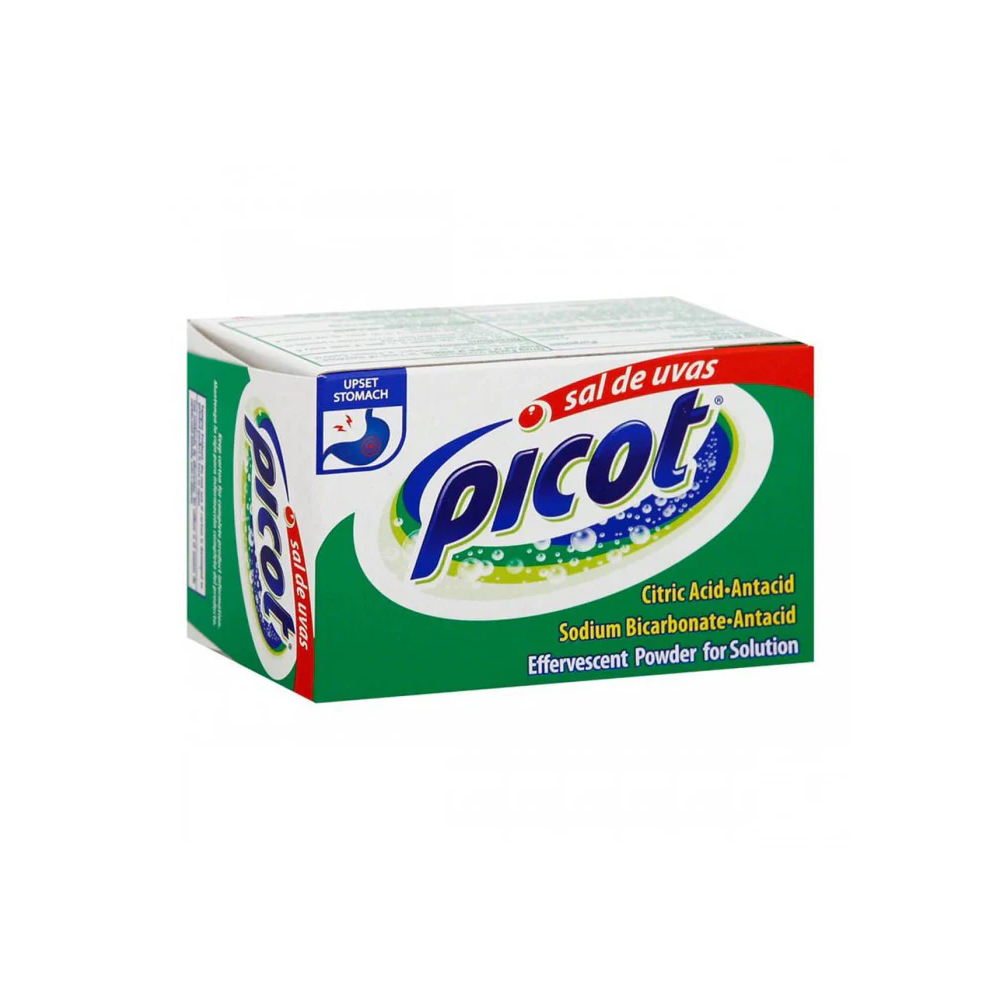
At its heart, Sal de Uvas Picot is an effervescent antacid, typically formulated with sodium bicarbonate and sometimes citric acid, designed to provide quick relief from digestive discomfort. Its utility is, therefore, firmly rooted in addressing common gastric issues. However, the Picot brand has masterfully transformed this basic functionality into a compelling value proposition, shaping not just what the product does, but what it represents to its users.
Understanding the Core Value Proposition
The foundational “use” of Sal de Uvas Picot, as meticulously sculpted by the brand, is the rapid alleviation of symptoms associated with indigestion, heartburn, and an upset stomach. This is the product’s core promise, consistently delivered and reinforced. The brand positions it as a go-to solution for those moments when a heavy meal, stress, or dietary indiscretion leads to an uncomfortable sensation in the stomach. The effervescent action is not just a mechanism but a key part of the brand experience, symbolizing immediate action and relief. This emphasis on speed and efficacy forms the cornerstone of its value proposition, distinguishing it in a crowded market of digestive aids. The brand’s focus isn’t on preventing digestive issues but on providing a reliable, swift remedy after they occur, aligning with a reactive consumer need rather than a proactive health strategy. This reactive positioning is a deliberate choice, targeting a broad segment of the population that occasionally suffers from these common, yet bothersome, symptoms.
Brand Messaging and Target Audience
The communication strategy around Sal de Uvas Picot’s uses is remarkably consistent and direct. Brand messaging often employs simple, relatable scenarios: the after-effects of a festive meal, the burning sensation of heartburn, or the general unease of an upset stomach. The language is typically reassuring and action-oriented, promising a return to comfort and normalcy. Advertisements, historically and currently, tend to depict everyday people experiencing these common digestive woes, followed by the swift, soothing action of Sal de Uvas Picot. This approach targets a broad demographic, from young adults to seniors, who periodically encounter digestive issues. The brand understands that digestive discomfort is a universal experience, and its messaging reflects this universality, making the product accessible and relevant to a wide audience. The brand doesn’t overcomplicate its message; it focuses on the clear problem (discomfort) and the clear solution (relief), cementing its primary use in the consumer’s mind.
The Role of Tradition and Trust in Brand Loyalty
One of the most powerful aspects of Sal de Uvas Picot’s brand identity and its perceived utility is its enduring legacy. For many, it’s a product that has been present in their family homes for generations. This long history breeds a deep sense of trust and familiarity, which in turn reinforces its primary use. When consumers reach for Sal de Uvas Picot, they’re not just choosing an antacid; they’re choosing a brand steeped in tradition, known for its consistent performance. This legacy isn’t accidental; it’s a testament to the brand’s unwavering commitment to its core promise. The trust built over decades acts as a formidable barrier to entry for competitors and a powerful driver of repeat purchases. The brand has successfully leveraged its heritage to create an emotional connection with consumers, making its use almost an act of family tradition for some. This deep-rooted trust means that when digestive issues arise, Sal de Uvas Picot is often the first, and most trusted, solution that comes to mind.
Expanding the Brand Narrative: Beyond Basic Indigestion
While its core use remains digestive relief, the Picot brand has subtly, and effectively, broadened the perception of Sal de Uvas Picot’s utility, ensuring its continued relevance in varied scenarios and contexts. This expansion isn’t about altering the product’s fundamental function but about cleverly framing its application to a wider array of discomforts, solidifying its place as a versatile household staple.
Addressing a Spectrum of Digestive Discomforts
Beyond the classic indigestion and heartburn, the brand implicitly encourages the use of Sal de Uvas Picot for a broader spectrum of mild digestive upsets. Terms like “after a heavy meal,” “feeling full,” or “general stomach unease” are often used in brand communications to suggest a wider applicability. This strategic communication broadens the product’s perceived utility without making unsubstantiated claims. It positions Sal de Uvas Picot as a general panacea for temporary gastric complaints, rather than just a specific treatment for heartburn. This broader framing allows the brand to capture more consumer occasions, such as holiday feasts, celebratory dinners, or even mild travel-related stomach upset. By subtle implication, the brand suggests that if your stomach just “doesn’t feel right,” Sal de Uvas Picot is a suitable and trusted remedy. This strategic nuance demonstrates an understanding of consumer behavior and the desire for a single, reliable solution for various minor discomforts.
The Cultural Integration of Sal de Uvas Picot
In many Latin American countries and communities, Sal de Uvas Picot transcends its identity as a mere pharmaceutical product; it has achieved a level of cultural integration that few brands can boast. It is not just in the medicine cabinet; it is part of the culture. This widespread acceptance and familiarity are a direct result of decades of consistent branding, pervasive availability, and effectively meeting a very common and recurrent need. Its ubiquitous presence in homes, bodegas, and pharmacies means that its use is almost instinctive. This cultural embedment amplifies its perceived utility, making it a natural, unquestioned choice for digestive issues. The brand has successfully positioned itself not just as a product, but as an integral part of dealing with life’s minor digestive inconveniences, often shared across generations within families. This level of integration speaks volumes about the brand’s ability to resonate deeply with its target demographic and solidify its functional use into a cultural habit.
Packaging and Accessibility as Brand Touchpoints
The packaging of Sal de Uvas Picot is another strategic element that reinforces its uses. The distinct, often bright packaging (e.g., individual sachets, classic tins or boxes) immediately signals the brand and its purpose. The individual sachet format, in particular, emphasizes convenience, portability, and quick, on-the-spot relief. This design choice implicitly communicates that Sal de Uvas Picot is something you can easily carry with you, ready for use whenever digestive distress strikes. Furthermore, its widespread accessibility—being readily available in supermarkets, convenience stores, and pharmacies—underscores its brand promise of immediate relief. The brand ensures that when a consumer needs digestive aid, Sal de Uvas Picot is within easy reach, removing any barriers to its intended use. This strategic approach to packaging and distribution directly supports the brand’s core message: quick, easy, and accessible relief for digestive discomfort.

Competitive Landscape and Brand Differentiation
In the bustling market of over-the-counter digestive aids, Sal de Uvas Picot faces myriad competitors. Understanding “what it is used for” in this context also means understanding how the Picot brand strategically differentiates itself and reinforces its unique value proposition to maintain its market share and consumer loyalty.
Standing Out in the Antacid Market
The antacid market is saturated with options, from chewable tablets to liquids and other effervescent powders. To stand out, the Picot brand has historically leveraged several differentiation points for Sal de Uvas. Its effervescent action is often highlighted as providing faster relief compared to non-effervescent alternatives, a key benefit for individuals seeking immediate comfort. The characteristic tangy, slightly grape-flavored taste (implied by “uvas”) or a neutral taste is also a differentiator, appealing to those who prefer an alternative to chalky tablets or overly medicinal liquids. Price point and consistent availability also play a role, positioning Sal de Uvas Picot as an affordable and reliable option. Most importantly, the brand’s heritage and the established trust it commands are formidable assets, often influencing consumer choice over newer or less familiar competitors. The brand doesn’t just sell an antacid; it sells a familiar, trusted, and rapid solution that consumers have come to rely on for generations.
Marketing Strategies Reinforcing Utility
Throughout its history, Picot’s marketing campaigns for Sal de Uvas have consistently reinforced its core utility. Early advertisements often focused on the visual impact of the effervescence, symbolizing the active and rapid relief. Slogans have emphasized “quick relief,” “after heavy meals,” or “for an upset stomach,” directly linking the product to its intended uses. Modern campaigns, while perhaps more sophisticated in their delivery, still adhere to this core principle: showcasing everyday situations where digestive discomfort arises, followed by the immediate, soothing action of Sal de Uvas Picot. The brand uses testimonials, relatable scenarios, and often a touch of nostalgia to connect with its audience, reminding them of the product’s proven effectiveness. These strategies are not just about informing consumers of its uses but about persuading them that Picot is the best solution for those specific problems, thereby strengthening brand preference and loyalty.
Consumer Perception vs. Brand Intention
For any brand, understanding how consumer perception aligns with brand intention is crucial. For Sal de Uvas Picot, consumer perception of its uses largely mirrors the brand’s intended messaging: it is seen as a fast-acting remedy for indigestion, heartburn, and general stomach upset. However, like many traditional remedies, there might be anecdotal or cultural extensions of its use (e.g., for hangovers, though not officially endorsed). The brand, while focusing on its primary, medically accepted uses, implicitly benefits from the broader perceived utility built through word-of-mouth and cultural practice. Managing this balance—sticking to scientific claims while acknowledging cultural integration—is an ongoing aspect of brand stewardship. The brand’s strength lies in its ability to be both a trusted medicinal product and a culturally embedded household item, reinforcing its practical utility through both official communication and unofficial cultural endorsement.
The Future of Sal de Uvas Picot: Sustaining Brand Relevance
For a brand with such a rich history, the challenge lies not just in maintaining its current standing but in evolving to meet the demands of a changing consumer landscape. Sustaining the relevance of Sal de Uvas Picot’s uses in a future-forward context requires foresight and adaptability from the Picot brand.
Adapting to Evolving Health Trends
The health and wellness landscape is continually evolving, with increasing consumer interest in natural remedies, preventative health, and specialized dietary solutions. While Sal de Uvas Picot’s primary ingredients (sodium bicarbonate) are generally well-understood, the brand must strategically navigate how it communicates its benefits in this new environment. Does it emphasize its “simple” formulation? Does it connect its origins (implied “uvas” or grapes in its name, even if the primary active ingredient isn’t grape-derived) to a natural perception, if applicable? The brand may need to thoughtfully frame its efficacy alongside broader wellness trends, perhaps by emphasizing its role in supporting dietary choices or providing relief when other natural methods fall short. The brand’s challenge is to remain relevant without compromising its core identity and established uses. This might involve refining its messaging to highlight its quick relief as part of a larger digestive wellness toolkit, rather than a standalone cure-all.
Digital Presence and Modernizing Brand Communication
In the digital age, understanding “what it is used for” often begins with an online search. The Picot brand must leverage digital platforms to explain Sal de Uvas Picot’s uses, engage with younger generations of consumers, and reinforce its core value proposition. This means having clear, accessible information on websites, engaging content on social media, and utilizing digital advertising to target specific needs. Modernizing brand communication doesn’t mean abandoning its heritage but rather translating its trusted uses into contemporary, shareable formats. This might involve short explainer videos, infographics, or interactive content that demystifies its ingredients and showcases its benefits in a digestible manner. A strong digital presence ensures that Sal de Uvas Picot’s utility remains clear and compelling to a new cohort of consumers who may not have grown up with the product in the same way previous generations did.
Line Extensions and Diversification
Strategic line extensions, if pursued by the brand, could also refine and expand the perceived uses of Sal de Uvas Picot. For example, introducing sugar-free versions, different flavors, or formulas tailored for specific times of day (e.g., nighttime relief) could address niche consumer needs and expand the product’s applicability. Each such extension would be a deliberate brand decision, aimed at either deepening its existing utility or broadening its reach to new user segments. While the classic Sal de Uvas Picot would remain foundational, these innovations would demonstrate the brand’s responsiveness to market demands and its commitment to providing targeted solutions within the digestive health category, further solidifying its multifaceted utility in the market.

Conclusion
The question “what is Sal de Uvas Picot used for?” is far more complex than a simple list of medical applications. It is a testament to sophisticated brand strategy, consistent communication, and a deep understanding of consumer needs over decades. The Picot brand has expertly positioned Sal de Uvas as a reliable, rapid-acting solution for common digestive discomforts like indigestion and heartburn. Its utility is reinforced by a legacy of trust, cultural integration, and strategic messaging that has cemented its place as a household staple.
In essence, Sal de Uvas Picot is used for bringing comfort and relief, a promise consistently delivered by the brand. Its enduring strength and relevance stem from its clear value proposition, robust market positioning, and a continuous commitment to meeting a fundamental consumer need. As the brand looks to the future, maintaining this clarity of purpose, while adapting to new trends and communication channels, will ensure that Sal de Uvas Picot continues to be the trusted answer for digestive relief for generations to come.
aViewFromTheCave is a participant in the Amazon Services LLC Associates Program, an affiliate advertising program designed to provide a means for sites to earn advertising fees by advertising and linking to Amazon.com. Amazon, the Amazon logo, AmazonSupply, and the AmazonSupply logo are trademarks of Amazon.com, Inc. or its affiliates. As an Amazon Associate we earn affiliate commissions from qualifying purchases.