
In the dynamic world of business management, software solutions play a pivotal role in streamlining operations, enhancing decision-making, and driving growth. Among the myriad of enterprise resource planning (ERP) systems available, Sage 100 stands out as a robust and long-standing player, particularly within the small to mid-sized business (SMB) market. At its core, Sage 100 is an integrated suite of business management software designed to provide companies with comprehensive control over their accounting, manufacturing, distribution, and various other operational facets. It’s a system built on modularity, allowing businesses to select and implement only the functionalities they need, making it a flexible and scalable solution for evolving organizational requirements.
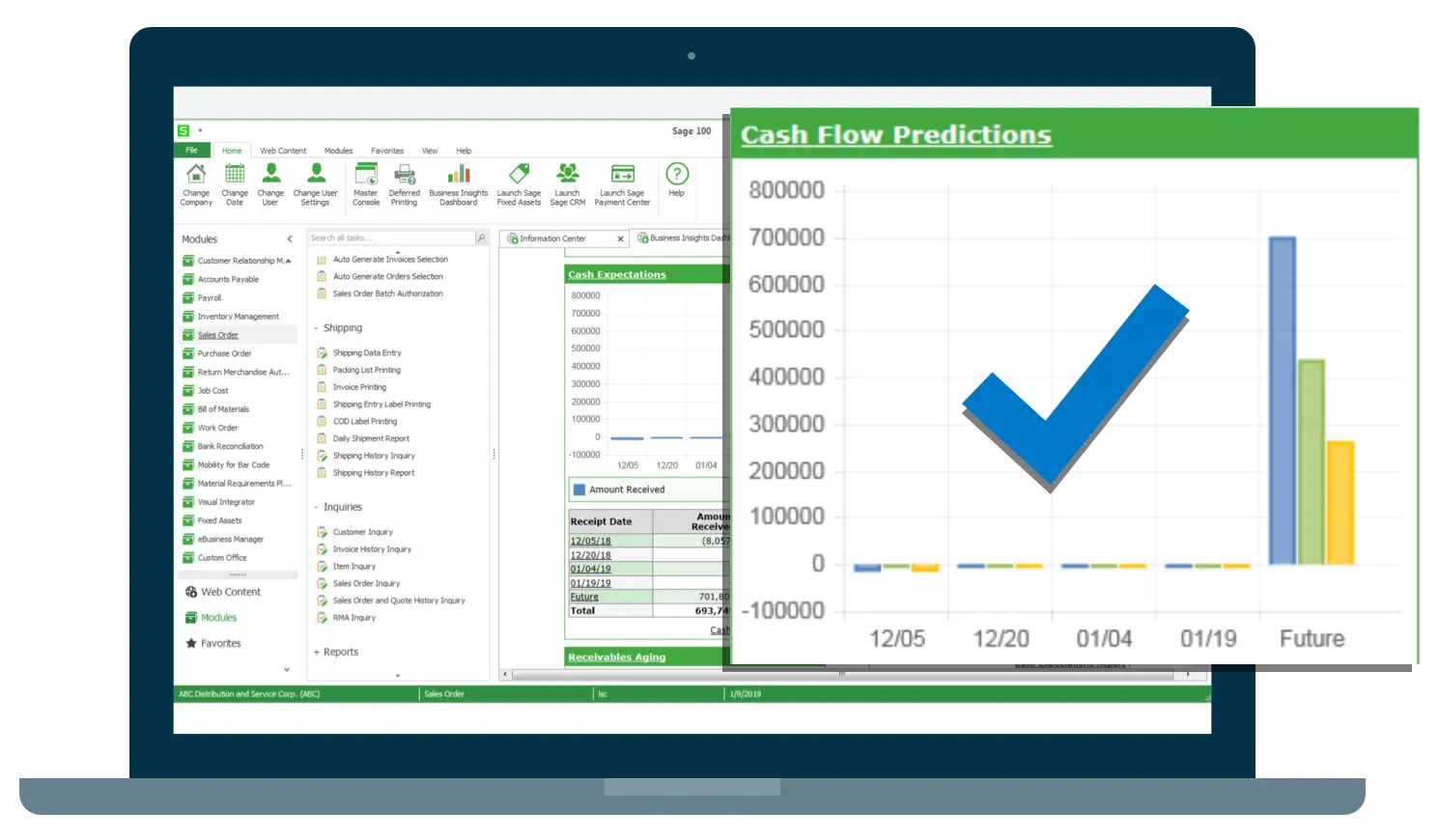
Originally known as MAS 90 and MAS 200, Sage 100 has a rich history of serving businesses, evolving over decades to incorporate new technologies and adapt to changing market demands. It moves beyond basic bookkeeping, offering a holistic view of a company’s financial health and operational efficiency by consolidating disparate data into a single, cohesive platform. For businesses grappling with manual processes, fragmented data, or inefficient workflows, Sage 100 offers a pathway to automation, accuracy, and improved productivity. It’s a critical tool for those seeking to gain deeper insights into their operations, optimize resource allocation, and ultimately, foster sustainable business expansion.
The Core Functionality of Sage 100: A Modular Powerhouse
Sage 100’s strength lies in its modular architecture, allowing businesses to tailor the system to their specific needs rather than adopting a one-size-fits-all approach. This design means companies can start with essential modules and add more as they grow or as their requirements become more complex. The core functionalities typically revolve around critical business areas, providing a unified platform for managing diverse operations.
Financial Management: The Bedrock of Business Health
At the heart of Sage 100 is its comprehensive suite of financial management tools. These modules are essential for maintaining accurate financial records, managing cash flow, and ensuring compliance. The General Ledger (GL) serves as the central repository for all financial transactions, providing a complete picture of the company’s financial standing. It integrates seamlessly with other modules, ensuring that data from sales, purchases, and payroll is automatically reflected in the main accounts. The Accounts Payable (AP) module streamlines the process of managing vendor invoices, scheduling payments, and tracking expenditures, helping businesses optimize cash flow and take advantage of early payment discounts. Conversely, the Accounts Receivable (AR) module manages customer invoices, tracks incoming payments, and helps in credit management, which is vital for maintaining healthy customer relationships and liquidity. Beyond these, Sage 100 often includes modules for Bank Reconciliation, Fixed Assets, and robust Financial Reporting, enabling businesses to generate customizable reports, perform detailed analysis, and make informed financial decisions. This integrated financial suite ensures a single source of truth for all monetary transactions, minimizing errors and enhancing auditing capabilities.
Distribution and Inventory Management: Optimizing the Supply Chain
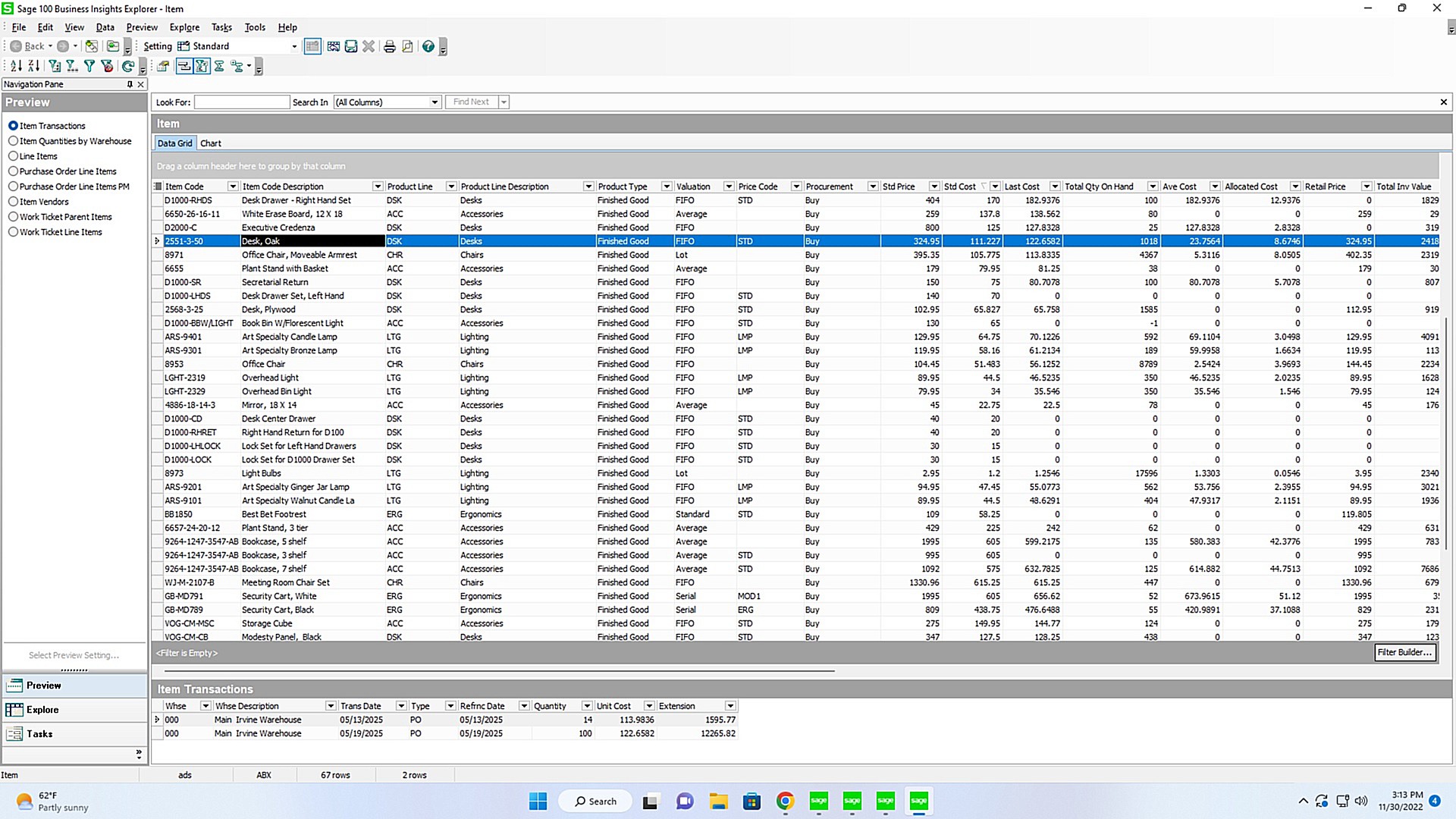
For businesses involved in buying, selling, and storing products, Sage 100’s distribution and inventory management modules are indispensable. The Inventory Management module provides real-time visibility into stock levels across multiple warehouses, tracks item movement, and supports various costing methods. This capability helps businesses prevent stockouts, reduce carrying costs, and improve order fulfillment rates. The Sales Order (SO) module streamlines the entire sales process, from order entry and pricing to shipping and invoicing. It can handle complex pricing structures, customer-specific discounts, and multiple shipping methods, ensuring efficiency and accuracy in fulfilling customer demands. Complementing this is the Purchase Order (PO) module, which automates the procurement process, helping businesses manage vendor relationships, track open orders, and ensure timely receipt of goods. This comprehensive approach to distribution ensures that products flow efficiently through the supply chain, from procurement to delivery, leading to increased customer satisfaction and operational savings.
Manufacturing Operations: Precision and Efficiency
Many SMBs in the manufacturing sector find Sage 100 to be a powerful ally. Its manufacturing modules are designed to bring precision and efficiency to complex production processes. The Bill of Materials (BOM) module allows businesses to define and manage multi-level product structures, detailing all components and sub-assemblies required for a finished good. This is crucial for accurate costing and production planning. The Work Order (WO) module facilitates the creation and tracking of production orders, enabling businesses to manage resource allocation, labor costs, and production schedules effectively. For more advanced planning, some iterations or add-ons of Sage 100 offer Material Requirements Planning (MRP) functionality, which helps manufacturers forecast demand, plan material purchases, and schedule production to meet deadlines while minimizing waste. These modules ensure that manufacturing operations are well-organized, cost-effective, and aligned with market demand, transforming raw materials into finished products with optimal efficiency.
Who Benefits from Sage 100? Identifying the Ideal User Base
Understanding the “what” of Sage 100 inevitably leads to the “who.” While designed for a broad spectrum of businesses, Sage 100 particularly shines for a specific segment of the market, addressing their unique challenges and operational complexities. Its blend of comprehensive features and adaptable architecture makes it a preferred choice for organizations that have outgrown entry-level accounting software but are not yet ready for the immense scale and complexity of an enterprise-level ERP designed for Fortune 500 companies.
Small to Mid-Sized Businesses (SMBs) on a Growth Trajectory
The primary beneficiaries of Sage 100 are Small to Mid-Sized Businesses (SMBs). These are companies typically beyond the startup phase, employing anywhere from 10 to several hundred employees, and often generating revenues in the multi-million dollar range. For such businesses, generic accounting software like QuickBooks often becomes insufficient as transaction volumes increase, operational processes become more complex, and the need for deeper insights grows. SMBs using Sage 100 are often on a growth trajectory, meaning they require a system that can scale with them, handle increasing data volumes, and accommodate new functionalities as their business evolves. Sage 100 provides the necessary infrastructure to centralize data, automate workflows, and provide sophisticated reporting capabilities that are crucial for managing growth without succumbing to operational bottlenecks. It allows these businesses to professionalize their back-office operations, giving them the tools to compete more effectively in their respective markets.
Industry-Specific Applications: Manufacturing, Distribution, and Retail
While Sage 100 is adaptable, certain industries find its core functionalities exceptionally valuable. Manufacturing companies, particularly those engaged in light manufacturing, assembly, or discrete manufacturing, leverage its BOM, Work Order, and potentially MRP capabilities to manage production cycles, control costs, and track inventory more effectively. They gain visibility into their shop floor, optimize resource allocation, and ensure on-time delivery of products. Distribution companies, including wholesale distributors and logistics providers, heavily rely on Sage 100’s robust inventory, sales order, and purchase order management modules. These features help them manage vast inventories across multiple locations, streamline order fulfillment, optimize shipping logistics, and maintain strong vendor and customer relationships. For retail businesses, especially those with multiple locations or complex inventory needs, Sage 100 can integrate with point-of-sale (POS) systems, providing centralized inventory management, sales data analysis, and financial reporting. Beyond these, service-based businesses, construction firms, and non-profits can also benefit from Sage 100, primarily for its strong financial and project accounting capabilities, though often requiring industry-specific customizations or third-party add-ons.
Addressing Key Business Challenges: The Solution for Fragmented Systems
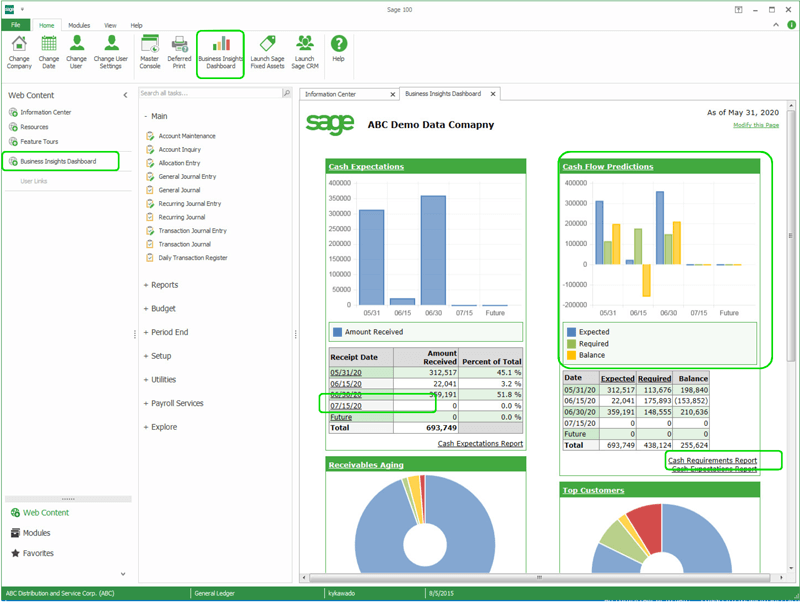
Many businesses turn to Sage 100 when they face common operational challenges that hinder efficiency and growth. A significant driver is the problem of fragmented systems, where different departments use disparate software for accounting, inventory, sales, and manufacturing. This leads to data silos, duplicate data entry, inconsistencies, and a lack of real-time visibility into overall business performance. Sage 100 solves this by consolidating all core functions into a single, integrated database. Furthermore, businesses struggling with manual processes that are time-consuming and prone to human error find Sage 100’s automation capabilities transformative. Automating tasks such as invoice processing, inventory updates, and report generation frees up staff to focus on more strategic activities. Finally, the lack of actionable data and reporting is a critical pain point for growing SMBs. Sage 100 provides robust reporting and business intelligence tools, offering managers deep insights into financial performance, inventory turns, sales trends, and production efficiency, empowering them to make data-driven decisions that propel the business forward.
Key Features and Technological Aspects
Sage 100, as a piece of enterprise software, is defined not just by its functional modules but also by its underlying technological architecture and user-facing features. Its design considerations have evolved over the years, focusing on flexibility, integration, and security to meet the demands of modern businesses.
Modularity and Customization: Tailoring the Fit
One of Sage 100’s most significant technological advantages is its inherent modularity. This means that businesses can choose to implement only the modules they need, such as Financials and Distribution, and add Manufacturing or Project Management later. This approach reduces initial costs and complexity, allowing the system to grow with the business. Beyond module selection, Sage 100 offers extensive customization capabilities. Companies can modify screens, add user-defined fields, create custom reports, and even develop entirely new functionalities using integrated development tools or through third-party developers. This adaptability ensures that the software can precisely align with unique business processes and industry-specific requirements, rather than forcing a business to conform to the software’s limitations. This level of customization is crucial for SMBs who often have distinct workflows that off-the-shelf solutions cannot fully address.
Integration Capabilities: Connecting the Ecosystem
In today’s interconnected business environment, no single software solution can do everything. Sage 100 recognizes this through its robust integration capabilities. It provides various methods for connecting with other essential business applications, extending its functionality and ensuring a seamless flow of data across the entire technology ecosystem. This includes built-in connectors for popular e-commerce platforms, customer relationship management (CRM) systems (like Sage CRM), and third-party vertical solutions specific to certain industries. It often exposes APIs (Application Programming Interfaces) or uses data integration tools that allow developers to create custom interfaces with external systems, such as advanced shipping solutions, payroll services, or business intelligence platforms. This ability to integrate prevents data silos, reduces manual data entry, and ensures that all critical business data is synchronized and accessible from a central point, leading to greater operational efficiency and accuracy.
Deployment Options: On-Premise, Cloud, and Hybrid Flexibility
The technological landscape has shifted dramatically, offering more choices in how software is deployed. Sage 100 has evolved to provide flexibility in this area. Traditionally, Sage 100 was deployed on-premise, meaning the software and its data resided on servers physically located at the client’s business. This model offers maximum control over data and infrastructure, which some businesses prefer. However, with the rise of cloud computing, Sage 100 has adapted to offer cloud-hosted solutions and hybrid deployments. In a cloud-hosted scenario, the software and data are managed by a third-party provider in a secure data center, accessible via the internet. This reduces the burden of IT maintenance, server costs, and allows for greater accessibility from anywhere. Hybrid models offer a blend, perhaps with core ERP on-premise and certain extensions or data backups in the cloud. This flexibility in deployment ensures that businesses can choose the infrastructure model that best fits their budget, IT capabilities, security requirements, and long-term strategic vision.
User Experience, Interface, and Data Security
While powerful features are important, a user-friendly interface is crucial for adoption and efficiency. Sage 100 has continuously refined its user experience and interface (UI) over the years, aiming for intuitive navigation and customizable dashboards that provide users with quick access to relevant information and tasks. Modern versions often feature role-based security, ensuring that users only see the data and functions pertinent to their job, which not only streamlines their workflow but also enhances data security. Speaking of data security, Sage 100 incorporates robust security measures to protect sensitive business information. This includes user-level permissions, data encryption, and audit trails to track changes. For businesses handling financial data and personal customer information, these security features are paramount for compliance with regulations and maintaining trust. Regular updates and patches further ensure the system remains protected against evolving cyber threats, underscoring its commitment to maintaining data integrity and confidentiality.
The Evolution of Sage 100 and Its Place in the ERP Landscape
Sage 100 is not a static product; it has a rich history of adaptation and continuous development, reflecting the broader trends and demands within the enterprise software market. Understanding its evolution and current standing helps to contextualize its value proposition for businesses today.
From MAS 90/200 to Sage 100: A Legacy of Innovation
The lineage of Sage 100 traces back to its origins as MAS 90 and MAS 200, developed by a company called State of the Art, Inc. and later acquired by Sage Group plc, one of the world’s largest providers of enterprise software. MAS 90 was designed for smaller businesses, while MAS 200 offered more advanced client/server architecture for slightly larger SMBs. These systems quickly gained a reputation for their robust accounting and distribution capabilities, becoming a staple for many American businesses throughout the 1980s and 1990s. As technology advanced, particularly with the advent of Windows-based computing and the internet, Sage consistently updated the product. The rebranding to “Sage 100” was part of a larger strategy by Sage Group to unify its product lines under a common naming convention, signifying its position as a core offering for their mid-market customers. This evolution wasn’t just cosmetic; it involved significant technological overhauls, including moves to more modern databases, enhanced user interfaces, and the integration of web and cloud functionalities, ensuring that the system remained relevant and competitive in a rapidly changing tech landscape.
Position in the ERP Market: A Niche for the Growth-Oriented SMB
In the vast and competitive ERP landscape, Sage 100 occupies a distinct niche. It is positioned as an ideal solution for growth-oriented small to mid-sized businesses that require more comprehensive functionality than basic accounting software but find larger, more complex enterprise systems (like SAP S/4HANA or Oracle ERP Cloud) to be overkill in terms of cost, implementation effort, and features. Sage 100 competes in a segment where businesses are seeking a balance between powerful capabilities, flexibility, and a manageable total cost of ownership. Its modular design and customization options allow it to cater to specific industry needs without the extensive development required by higher-end ERPs. While some competitors might offer purely cloud-native solutions, Sage 100’s flexibility in deployment (on-premise, cloud-hosted, hybrid) appeals to a segment of the market that values choice and control over their IT infrastructure. Its extensive ecosystem of authorized partners and third-party add-ons further solidifies its position by offering specialized solutions that extend its core capabilities, making it a versatile platform for diverse business requirements.
Future Outlook: Embracing Cloud and Intelligent Technologies
The future of Sage 100, like much of the enterprise software industry, is increasingly oriented towards cloud computing, enhanced mobility, and intelligent technologies. While its legacy allows for strong on-premise deployments, Sage is heavily investing in cloud-enabled versions and related offerings, providing SaaS (Software as a Service) models that reduce IT overhead for businesses and offer greater accessibility. We can expect to see continued enhancements in areas such as mobile access to key business data, allowing decision-makers to stay connected and responsive on the go. Furthermore, the integration of artificial intelligence (AI) and machine learning (ML) capabilities is a significant trend. This could manifest in predictive analytics for inventory management, automated anomaly detection in financial transactions, or more intelligent reporting and business insights. Sage 100’s ongoing development will likely focus on making the system even more intuitive, proactive, and interconnected, helping SMBs leverage cutting-edge technology to gain a competitive edge and navigate future economic complexities. Its long-standing presence and continuous innovation suggest it will remain a significant player for businesses seeking a reliable and evolving ERP solution.
aViewFromTheCave is a participant in the Amazon Services LLC Associates Program, an affiliate advertising program designed to provide a means for sites to earn advertising fees by advertising and linking to Amazon.com. Amazon, the Amazon logo, AmazonSupply, and the AmazonSupply logo are trademarks of Amazon.com, Inc. or its affiliates. As an Amazon Associate we earn affiliate commissions from qualifying purchases.