
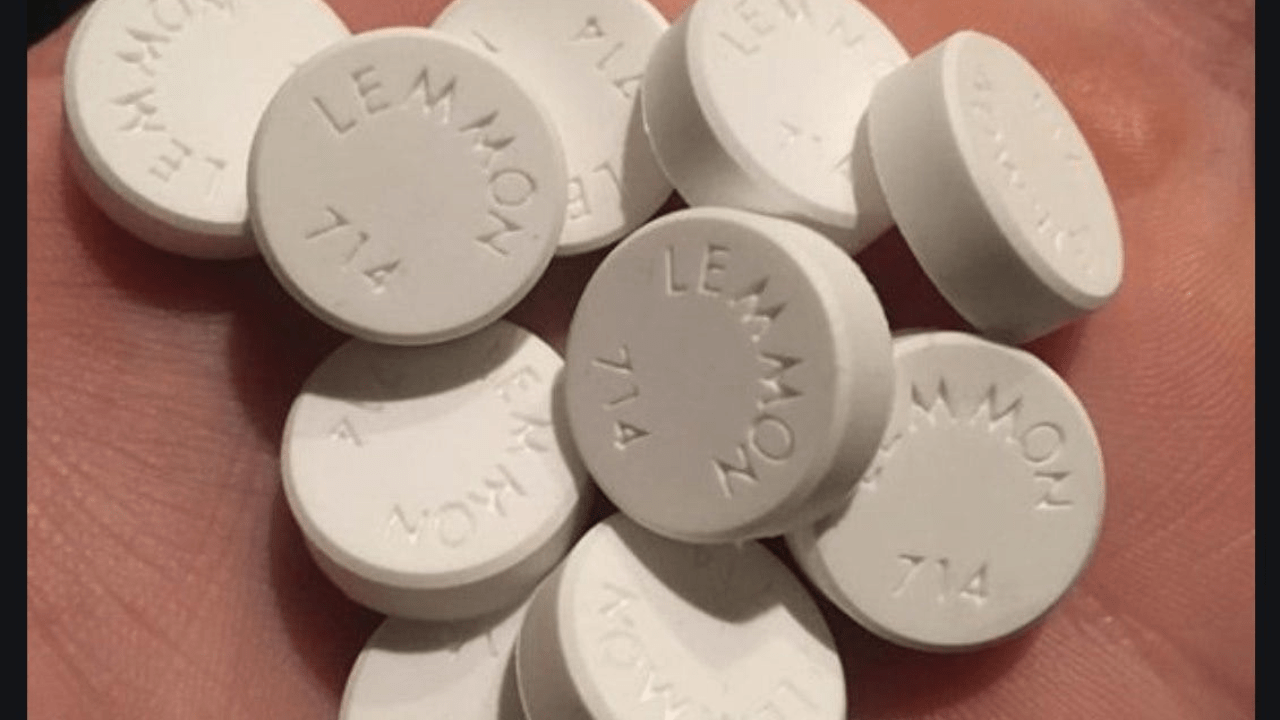
The history of Quaalude (methaqualone) is often recounted through its pharmacological effects and sociological impact, particularly its rise as a recreational drug. However, a comprehensive understanding of its widespread prescription and eventual demise necessitates an exploration of the underlying financial and economic forces that shaped its lifecycle within the pharmaceutical industry. From its initial development and market entry to its commercial success and ultimate regulatory withdrawal, Quaalude’s journey offers a compelling case study in the intersection of medical science, corporate strategy, and economic outcomes in the drug market. This article delves into the financial considerations that influenced Quaalude’s journey, reframing the question of “what it was prescribed for” into “what financial and economic conditions facilitated its prescription and market presence.”
The Pharmaceutical Business Model: Genesis of a Sedative-Hypnotic
The birth of any new pharmaceutical agent is inextricably linked to significant investment and the pursuit of market opportunity. Methaqualone, first synthesized in India in the 1950s, quickly caught the attention of Western pharmaceutical companies seeking the next breakthrough in the lucrative sedative-hypnotic market. The drive to develop and commercialize Quaalude was a direct response to perceived market needs and the potential for substantial returns on investment.
Market Opportunity and Initial Investment
In the mid-20th century, the demand for drugs to treat insomnia, anxiety, and other sleep disorders was robust. Barbiturates, the dominant class of sedatives at the time, were known for their high potential for addiction, severe withdrawal symptoms, and narrow therapeutic index (the difference between an effective and a toxic dose). This presented a significant market gap for a safer, non-barbiturate alternative. Pharmaceutical firms, ever on the lookout for patentable compounds that could capture a share of this market, saw methaqualone as a promising candidate.
Developing a new drug from synthesis to market approval is a capital-intensive process. It involves extensive research and development (R&D), preclinical testing, multiple phases of clinical trials, and regulatory submissions. For Quaalude, companies like Wallace and Co. (US) and William H. Rorer (US, marketing as Quaalude) made substantial financial commitments, banking on its purported advantages over existing sedatives. These initial investments were predicated on market analysis indicating a strong demand and the potential for long-term revenue streams if the drug proved effective and safe, or at least perceived as such in its early stages. The economic imperative was clear: find a market need, develop a solution, and secure intellectual property for profitability.
Pricing Strategies and Profit Margins
Once approved, the pricing strategy for Quaalude, like many patented drugs, would have been designed to recoup R&D costs and generate significant profit margins. Pharmaceutical pricing often factors in the perceived value of the drug (e.g., efficacy, novelty, safety profile), the competitive landscape, manufacturing costs, and marketing expenses. As a novel, non-barbiturate sedative, Quaalude likely commanded premium pricing, especially in its early years. Its perceived superiority in terms of safety profile (initially thought to be less addictive and safer in overdose than barbiturates) justified its positioning as a valuable treatment option.
The ability to secure patents provided a temporary monopoly, allowing manufacturers to dictate prices without immediate generic competition. This monopolistic power is a cornerstone of the pharmaceutical business model, incentivizing innovation by promising high returns during the patent-protected period. The profitability derived from Quaalude contributed to the financial health and growth of the companies involved, fueling further R&D and market expansion for other products. The economic goal was to maximize market penetration and revenue before patent expiration or the emergence of superior alternatives.
Marketing, Distribution, and the Commercialization of Methaqualone
The journey from a laboratory compound to a widely prescribed medication involves sophisticated commercial strategies focused on influencing prescribers and ensuring efficient supply chains. The success of Quaalude in becoming a prominent sedative was not merely due to its pharmacological action but also its effective integration into the pharmaceutical sales and distribution ecosystem.
Promotional Tactics to Healthcare Providers
Pharmaceutical companies employ extensive marketing and sales forces to educate and persuade healthcare providers (HCPs) about the benefits of their products. For Quaalude, this would have involved direct sales representatives visiting doctors’ offices, sponsoring medical conferences, distributing scientific literature, and placing advertisements in medical journals. The messaging would have emphasized its unique selling points: a supposedly non-addictive sedative that offered effective sleep induction and anxiety relief, with fewer side effects than barbiturates. This narrative was crucial in convincing physicians to “prescribe for” a wide range of conditions, from insomnia to general nervousness.
The financial investment in these promotional activities was substantial. Companies allocate significant portions of their budgets to marketing, understanding that physician awareness and acceptance are critical drivers of prescription volume. Economically, this investment aimed to create a strong demand pull from the prescribing community, translating into higher sales and market share. The effectiveness of these tactics directly impacted the return on the initial R&D investment and the overall profitability of the drug.
Supply Chain and Market Penetration
Beyond marketing, a robust supply chain and distribution network were essential for Quaalude to achieve widespread market penetration. This involved manufacturing the drug at scale, packaging, logistics, and ensuring availability in pharmacies across various regions. Companies had to invest in manufacturing facilities, quality control processes, and agreements with wholesalers and retailers. The efficiency of this supply chain directly influenced costs and accessibility, which in turn affected sales volumes.
As Quaalude gained popularity, particularly in the 1960s and 70s, its production and distribution scaled up dramatically. The drug became a common prescription, indicating successful market penetration driven by both effective marketing to HCPs and efficient commercial operations that ensured its availability. The ease of access, combined with its popularity, inadvertently laid the groundwork for its eventual misuse, but from a business perspective, it represented a triumph of commercialization.
Regulatory Approvals and Their Economic Impact
Navigating the regulatory landscape is a critical and costly component of bringing any drug to market. Initial approvals from bodies like the FDA in the US or similar agencies internationally represent a massive financial hurdle, requiring extensive data submission and compliance with stringent standards. These approvals signal market readiness and legitimize the drug for prescription. However, regulatory frameworks also evolve, and ongoing scrutiny can have profound economic consequences.
For Quaalude, early approvals were based on the scientific understanding and regulatory standards of the time. The initial economic impact was positive, as it opened up lucrative markets. However, as evidence of abuse potential and dependence grew, regulatory bodies began to re-evaluate the drug. This increased scrutiny brought additional costs for manufacturers in terms of data collection, compliance efforts, and potential legal fees. Regulatory decisions, such as reclassifying a drug to a stricter schedule, directly impact its commercial viability by increasing dispensing restrictions and limiting market access, thereby affecting revenue potential.

The Double-Edged Sword: Financial Success and the Economic Cost of Misuse
Quaalude’s story is a stark illustration of how a drug’s commercial success can be intertwined with devastating societal costs, ultimately leading to its downfall. What began as a profitable prescription medication quickly devolved into a substance with significant economic burdens due to widespread abuse.
Revenue Generation and Market Dominance
For a period, Quaalude was a financial boon for its manufacturers. Its popularity as a prescribed sedative translated into substantial revenue streams, contributing significantly to corporate profits. The drug became a household name, synonymous with a certain era, a testament to its market penetration and commercial success. This dominance allowed companies to invest in other ventures, expand operations, and reward shareholders, solidifying its place as a pharmaceutical success story, at least in financial terms for a time.
This period of market dominance showcased the power of effective product development and marketing in the pharmaceutical sector. When a drug successfully addresses a prevalent health concern and gains physician and patient acceptance, the economic rewards can be immense, reinforcing the industry’s drive for innovation and market leadership.
The Hidden Costs: Addiction, Healthcare Burden, and Lost Productivity
However, the financial success of Quaalude came with a darker side: the escalating economic cost of its misuse and abuse. As the drug’s recreational popularity surged, so did the incidence of addiction, emergency room visits for overdose, and long-term health complications. These issues imposed significant financial burdens on healthcare systems, government agencies, and individuals.
The costs included:
- Direct Healthcare Expenses: Treatment for addiction, emergency medical services for overdoses, and ongoing medical care for drug-related health issues. These expenses were borne by patients, insurers, and public health systems.
- Lost Productivity: Individuals struggling with Quaalude addiction often experienced impaired work performance, absenteeism, and unemployment, leading to lost economic output. This also extended to the ripple effect on families and caregivers.
- Legal and Enforcement Costs: The rise in illegal manufacturing, trafficking, and possession of Quaalude necessitated increased spending on law enforcement, judicial processes, and correctional facilities.
- Social Programs: Government and non-profit organizations often had to fund social programs aimed at prevention, education, and rehabilitation, all of which represent significant economic outlays.
These “externalized” costs, while not directly impacting the manufacturer’s immediate balance sheet in the same way, ultimately contributed to the public and regulatory pressure that led to the drug’s withdrawal. From an economic perspective, the social cost eventually outweighed the private profit derived from its sale, creating a negative overall economic impact.
Navigating Regulatory Scrutiny and Market Withdrawal: A Financial Reckoning
The trajectory of Quaalude culminates in its withdrawal from the market, a decision driven by mounting evidence of abuse and regulatory action. This phase involved significant financial challenges and ultimately a complete divestment from the product for its manufacturers.
Escalating Enforcement and Legal Expenditures
As the scope of Quaalude’s abuse became undeniable, regulatory bodies responded by tightening controls. In the United States, Quaalude was reclassified from a Schedule III to a Schedule I controlled substance in 1984, signifying no accepted medical use and a high potential for abuse. This reclassification had immediate and severe economic repercussions. For manufacturers, it meant substantially increased compliance costs, stricter manufacturing and distribution requirements, and potentially higher legal expenditures as they navigated investigations, lawsuits, and regulatory penalties.
Companies faced pressure from public health advocates, government agencies, and even legal actions from individuals harmed by the drug. Defending against these actions incurred immense legal fees, settlements, and damage to corporate reputation, which has its own economic value. The economic calculus shifted dramatically from profit generation to damage control and mitigation of financial liabilities.
The Economics of Product Discontinuation
For pharmaceutical companies, the decision to withdraw a product from the market, even a highly profitable one like Quaalude once was, is a complex economic calculation. It involves weighing the diminishing returns from sales (due to stricter regulations and declining legitimate prescriptions) against the escalating costs of legal defense, regulatory compliance, and reputational damage. When the aggregate cost of maintaining a product on the market outweighs its projected future revenue, discontinuation becomes the most rational economic choice.
In the case of Quaalude, manufacturers voluntarily ceased production in the early to mid-1980s. This decision reflected a recognition that the product had become a liability rather than an asset. The costs associated with its continued existence—both direct financial costs and indirect costs to brand reputation—were simply too high. While it meant foregoing remaining sales revenue, it also meant shedding the immense financial and legal risks associated with a controversial and widely abused substance.
Lessons in Pharmaceutical Risk Management
The saga of Quaalude serves as a potent economic lesson in pharmaceutical risk management. It underscores the financial imperative for companies to not only assess the market potential of a new drug but also to rigorously monitor its post-market safety and abuse profile. Failing to adequately manage these risks can lead to catastrophic financial outcomes, including product withdrawal, significant legal liabilities, and lasting damage to corporate reputation.
From an economic standpoint, the Quaalude experience highlights the balance between innovation, profit, and corporate social responsibility. It demonstrates that the financial success of a drug is not solely measured by its sales figures but also by its broader societal impact and the economic burden it places on public health and safety systems. For the pharmaceutical industry, Quaalude remains a cautionary tale, emphasizing the critical importance of foresight in assessing economic risks beyond the immediate commercial opportunity.
The story of Quaalude, when viewed through a financial and economic lens, transcends a simple question of “what was it prescribed for.” Instead, it reveals the intricate web of investment, market opportunity, commercial strategy, and ultimately, the devastating financial and societal costs that can arise when a pharmaceutical product’s trajectory goes awry, leading to a comprehensive economic reckoning.
aViewFromTheCave is a participant in the Amazon Services LLC Associates Program, an affiliate advertising program designed to provide a means for sites to earn advertising fees by advertising and linking to Amazon.com. Amazon, the Amazon logo, AmazonSupply, and the AmazonSupply logo are trademarks of Amazon.com, Inc. or its affiliates. As an Amazon Associate we earn affiliate commissions from qualifying purchases.