
In the vast and intricate world of industrial engineering, where precision, efficiency, and safety are paramount, the development and execution of complex projects demand sophisticated tools. One such indispensable tool is the Plant Design Management System (PDMS). Far from being just another software application, PDMS represents a comprehensive, multi-disciplinary engineering design environment that revolutionizes how large-scale industrial facilities – such as oil and gas refineries, chemical plants, power generation stations, and pharmaceutical factories – are conceptualized, designed, and constructed.
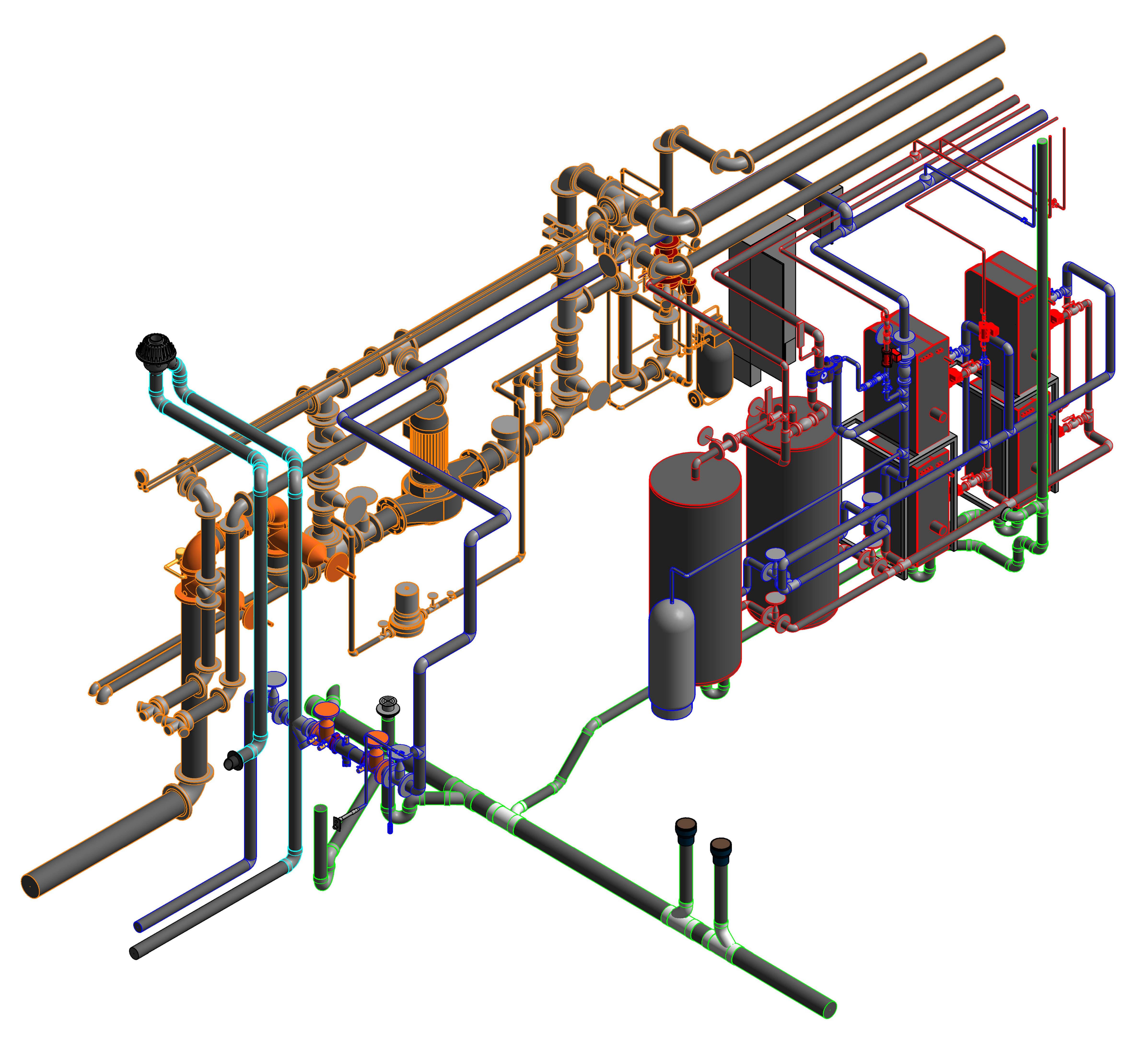
At its core, a Plant Design Management System is a powerful 3D CAD/CAE software solution tailored specifically for the engineering, procurement, and construction (EPC) industry. It provides a highly specialized suite of tools that allow engineers across various disciplines – including piping, structural, equipment, HVAC, and electrical – to collaboratively create, manage, and maintain a unified, intelligent 3D model of an entire plant. This model is not merely a visual representation; it is a rich database containing exhaustive information about every component, material, and spatial relationship within the proposed facility. By integrating data from disparate sources and disciplines into a single, cohesive environment, PDMS acts as the digital backbone for project planning, design, analysis, and execution, significantly streamlining workflows and mitigating risks inherent in complex industrial projects.
The Core Functionality of PDMS
The power of a Plant Design Management System lies in its robust suite of functionalities, each meticulously developed to address specific challenges in plant design. These features empower design teams to work with unparalleled accuracy and efficiency, translating complex engineering specifications into actionable digital models.
3D Modeling and Visualization
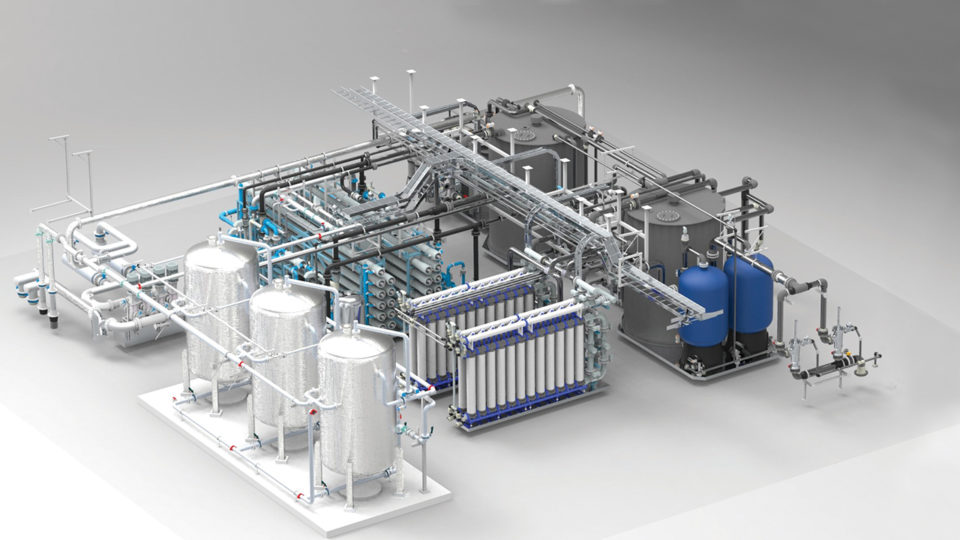
At the heart of PDMS is its advanced 3D modeling capability. Unlike generic CAD software, PDMS provides specialized libraries of components, equipment, piping specifications, structural elements, and electrical systems that conform to industry standards and manufacturer specifications. Engineers can accurately model entire facilities, from large vessels and pumps to intricate pipe runs, structural steel frameworks, cable trays, and HVAC ducts. This immersive 3D environment allows for realistic visualization of the plant, enabling stakeholders to virtually walk through the facility long before ground is broken. This visual clarity is crucial for identifying design flaws, optimizing layouts, and ensuring operational feasibility, moving beyond static 2D drawings to dynamic, intelligent representations. The ability to view the plant from any angle, dissect it into sections, and animate processes brings an unprecedented level of understanding and detail to the design process.
Data Management and Integration
Beyond visual modeling, PDMS excels as a sophisticated data management platform. Every component modeled in the system is associated with a wealth of intelligent data, including material specifications, dimensions, weight, vendor information, part numbers, and maintenance schedules. This intelligence transforms the 3D model into a living database. Crucially, PDMS facilitates the integration of data from various engineering disciplines into a single, centralized project database. This eliminates data silos, ensures consistency across all design elements, and provides a single source of truth for the project. For instance, a piping engineer designing a pipe run will automatically interact with structural elements designed by a structural engineer, and electrical engineers can ensure proper cable routing without manual cross-referencing, all within the integrated environment. This seamless data flow is fundamental to preventing errors and maintaining design integrity throughout the project lifecycle.
Clash Detection and Interference Management
One of the most critical functionalities of PDMS is its automated clash detection capability. In complex industrial plants, the physical interference between components from different disciplines (e.g., a pipe clashing with a structural beam, an electrical conduit passing through an HVAC duct) is a common and costly issue if not identified early. Manual review of thousands of drawings is prone to human error and extremely time-consuming. PDMS systematically checks the entire 3D model for geometric interferences and highlights potential clashes. This automated process allows design teams to identify and resolve these conflicts virtually during the design phase, long before construction begins. Early clash resolution significantly reduces costly rework, delays, and safety hazards during construction, saving millions in project costs and accelerating project timelines. The system can even distinguish between hard clashes (physical interference) and soft clashes (insufficient clearance for maintenance or operation), providing a comprehensive overview of potential problems.
Bill of Materials (BOM) Generation
The accurate estimation and procurement of materials are vital for project success. PDMS automates the generation of comprehensive Bills of Materials (BOMs) directly from the 3D model. Because every component in the model is linked to intelligent data, the system can precisely quantify all necessary materials, including pipe lengths, fittings, valves, structural steel sections, equipment items, and bulk materials. This automated BOM generation minimizes manual errors, ensures accurate cost estimations, facilitates efficient procurement, and helps manage inventory effectively. Furthermore, as design changes occur, the BOM can be rapidly updated, providing real-time accuracy that is indispensable for controlling project costs and timelines. The ability to generate various types of reports, including specific material take-offs for different disciplines, further enhances planning and execution efficiency.
Key Benefits of Adopting PDMS
The strategic implementation of a Plant Design Management System translates into a multitude of tangible benefits that profoundly impact the efficiency, cost-effectiveness, and overall success of large-scale industrial projects. These advantages are derived from its ability to enhance collaboration, improve accuracy, and streamline complex processes.
Enhanced Project Efficiency and Accuracy
PDMS significantly boosts project efficiency by automating repetitive design tasks and streamlining workflows. The integration of various disciplines into a single environment minimizes the need for manual data transfer and reconciliation, reducing design cycle times. Engineers can focus on higher-value tasks rather than spending time on error-checking and coordination. The inherent accuracy of 3D modeling, coupled with intelligent data association, virtually eliminates costly design errors and inconsistencies that plague traditional 2D drafting methods. This precision extends from detailed component specifications to the overall plant layout, ensuring that what is designed is what can be effectively built, leading to fewer surprises and smoother project execution.
Cost Reduction and Waste Minimization
One of the most compelling benefits of PDMS is its substantial contribution to cost reduction. By identifying and resolving clashes early in the design phase, the system dramatically reduces the need for expensive rework during construction. Rework is a major source of cost overruns and schedule delays in industrial projects. Furthermore, accurate BOM generation leads to optimized material procurement, minimizing over-ordering or under-ordering and reducing material waste. The ability to explore various design alternatives rapidly and assess their cost implications allows project teams to make informed decisions that optimize capital expenditure without compromising safety or operational efficiency. Reduced construction time due to fewer on-site issues also translates directly into lower labor and overhead costs.
Improved Collaboration and Communication
PDMS acts as a central hub for multi-disciplinary collaboration. All engineers, regardless of their specialization, work within a unified model, ensuring that design changes made by one discipline are immediately visible and impactful across others. This real-time synchronization fosters seamless communication and reduces misunderstandings that often arise from disparate drawings and documents. Stakeholders, including clients, contractors, and regulatory bodies, can visualize and interact with the 3D model, leading to clearer communication, faster approvals, and a shared understanding of the project scope and design intent. This collaborative environment ensures that potential issues are identified and resolved collectively, fostering a more integrated and efficient project team.
Risk Mitigation and Safety Enhancements

The ability of PDMS to conduct thorough clash detection and create precise 3D models plays a crucial role in mitigating project risks. By eliminating design conflicts before construction, it significantly reduces the likelihood of unforeseen structural failures, operational hazards, and project delays. Furthermore, the detailed visualization allows for robust safety reviews, enabling engineers to assess accessibility for maintenance, emergency egress routes, and the safe placement of equipment. By simulating operational scenarios and identifying potential pinch points or safety concerns within the virtual plant, PDMS helps design inherently safer facilities, protecting personnel and environmental assets long after commissioning.
The PDMS Workflow and Implementation
Implementing a Plant Design Management System involves a structured workflow that transforms conceptual designs into detailed, buildable models. This process typically spans several key phases, each leveraging the system’s capabilities to ensure comprehensive and accurate project delivery.
Design and Modeling Phase
This initial phase is where the virtual plant takes shape. Engineers from various disciplines begin to populate the PDMS environment with their respective designs. Equipment engineers model vessels, pumps, and other machinery; structural engineers define frameworks, platforms, and foundations; piping engineers route pipe networks; electrical engineers design cable trays and lighting systems, and so on. The intelligent libraries within PDMS ensure that components comply with specified standards and dimensions. This iterative process involves placing components, connecting them logically, and defining their attributes, all within the collaborative 3D space. As each discipline adds its elements, the integrated model continuously updates, laying the groundwork for subsequent analysis and validation.
Review and Analysis Phase
Once initial models are developed, the project moves into a critical review and analysis phase. This is where PDMS’s analytical tools shine. Automated clash detection runs are performed to identify all geometric and clearance issues across the entire model. Design review meetings leverage the 3D model for virtual walkthroughs, allowing stakeholders to identify potential operational bottlenecks, maintenance access issues, or safety concerns. Simulations can be performed for specific processes or structural integrity. This phase is crucial for refining the design, addressing identified problems, and ensuring that the proposed plant meets all functional, safety, and regulatory requirements before moving to detailed engineering.
Documentation and Handoff Phase
With the design finalized and validated, PDMS becomes instrumental in generating all necessary project documentation. This includes highly accurate engineering drawings (P&IDs, Isometrics, Layouts, Elevations), comprehensive Bills of Materials (BOMs), equipment lists, piping specifications, and fabrication drawings. Since these documents are directly derived from the intelligent 3D model, consistency and accuracy are assured, minimizing manual transcription errors. The comprehensive data contained within the PDMS model also facilitates a seamless handoff to procurement, construction, and ultimately, to operations and maintenance teams, providing a rich, intelligent data set for the entire lifecycle of the plant.
Training and User Adoption
Successful implementation of PDMS extends beyond the software itself; it heavily relies on user proficiency. Comprehensive training programs are essential to equip engineers, designers, and project managers with the skills needed to effectively utilize the system’s vast capabilities. Training typically covers 3D modeling techniques, database management, clash detection procedures, report generation, and collaborative workflows. Promoting user adoption through continuous support, best practice guidelines, and internal champions helps ensure that the organization fully leverages the investment in PDMS, transforming it into a core component of their project delivery methodology.
Evolution and Future of Plant Design Systems
The landscape of industrial technology is constantly evolving, and Plant Design Management Systems are no exception. Driven by advancements in computing power, data analytics, and artificial intelligence, the future of PDMS promises even greater integration, automation, and intelligence.
Integration with BIM and Digital Twin Technologies
The trend towards comprehensive lifecycle management is seeing PDMS converging with Building Information Modeling (BIM) methodologies and Digital Twin technologies. While PDMS traditionally focuses on industrial plants, the principles of BIM for architectural and structural integration are becoming increasingly relevant. The next generation of PDMS will likely offer even deeper integration, creating a holistic digital model that encompasses not just the plant itself, but also its surrounding infrastructure and operational data. This will pave the way for true Digital Twins – virtual replicas of physical assets that are continuously updated with real-time operational data, allowing for predictive maintenance, performance optimization, and scenario planning throughout the plant’s operational lifespan.
AI and Machine Learning in Design Automation
Artificial Intelligence (AI) and Machine Learning (ML) are poised to revolutionize plant design. Future PDMS solutions will likely incorporate AI for tasks such as automated routing of piping or cable trays, intelligent component placement based on predefined rules and historical data, and optimized plant layouts that consider factors like flow efficiency, maintenance accessibility, and safety requirements. ML algorithms could learn from past successful designs to suggest improvements or identify potential design weaknesses, significantly accelerating the initial design phase and improving the quality of preliminary designs. This cognitive automation will reduce manual effort and allow engineers to focus on more complex, creative problem-solving.
Cloud-Based PDMS Solutions
The shift towards cloud computing offers significant advantages for PDMS, particularly for large, geographically dispersed project teams. Cloud-based PDMS platforms will enable real-time collaborative design from anywhere in the world, eliminating geographical barriers and enhancing project flexibility. This approach also reduces the need for heavy local IT infrastructure, simplifies software deployment and updates, and offers scalable computing resources. Security and data integrity will remain paramount, but cloud solutions are increasingly robust in these areas, making them an attractive option for future industrial design projects.
Virtual and Augmented Reality for Project Review
Virtual Reality (VR) and Augmented Reality (AR) are transforming how design reviews are conducted. Instead of just viewing a 3D model on a screen, VR allows stakeholders to immerse themselves within the virtual plant, experiencing its scale and spatial relationships firsthand. AR can overlay digital design information onto a physical construction site, providing real-time guidance and verification. These immersive technologies enhance the understanding of complex designs, facilitate more intuitive feedback, and improve training for operations and maintenance personnel, offering a powerful new dimension to project collaboration and visualization.
In conclusion, the Plant Design Management System stands as a cornerstone technology for the modern industrial engineering and construction sector. By providing a unified, intelligent 3D design environment, it not only addresses the inherent complexities of large-scale plant projects but also significantly enhances efficiency, accuracy, and safety. As technology continues to advance, PDMS will undoubtedly evolve, integrating cutting-edge innovations like AI, cloud computing, and immersive realities, further solidifying its role as an indispensable tool in shaping the industrial infrastructure of tomorrow. Its ongoing development will continue to empower engineers to design, build, and operate plants that are safer, more efficient, and more sustainable.
aViewFromTheCave is a participant in the Amazon Services LLC Associates Program, an affiliate advertising program designed to provide a means for sites to earn advertising fees by advertising and linking to Amazon.com. Amazon, the Amazon logo, AmazonSupply, and the AmazonSupply logo are trademarks of Amazon.com, Inc. or its affiliates. As an Amazon Associate we earn affiliate commissions from qualifying purchases.