
In the realm of personal finance and wealth management, travel is often viewed as one of the most significant discretionary expenses. Whether for business expansion, networking, or personal rejuvenation, the cost of airfare can fluctuate with the volatility of a high-growth stock. For the financially savvy individual, understanding when flight prices drop is not just about “finding a deal”—it is about optimizing capital allocation and applying the same principles of market timing and predictive analysis used in the stock market to one’s personal expenditures.
The aviation industry operates on some of the most complex dynamic pricing algorithms in the modern economy. To the untrained eye, price swings seem erratic; however, to a strategic thinker, these fluctuations represent predictable patterns of supply and demand. By mastering the timing of airfare purchases, travelers can significantly lower their “cost of living” and redirect those saved funds into high-yield investments or business ventures.
The Economics of Dynamic Pricing: Understanding the Market Forces
To understand when flight prices drop, one must first understand the concept of Yield Management. Airlines do not sell seats at a fixed price; they sell “fare buckets” based on sophisticated algorithms designed to extract the maximum “willingness to pay” from every passenger. This is a classic study in microeconomics.
Supply and Demand in the Aviation Industry
Airfare is a perishable commodity. Once a flight takes off, an empty seat has a value of zero. Consequently, airlines are incentivized to fill every seat while maximizing revenue. Prices typically drop when the “demand curve” fails to meet the airline’s projected “load factor.” If a flight scheduled for three months from now is only 20% booked, the algorithm will trigger a price drop to stimulate demand. Conversely, as the flight nears capacity, the price increases exponentially to capture high-value, last-minute business travelers who are less price-sensitive.
The Role of Yield Management Systems
Modern airlines use AI-driven Yield Management Systems (YMS) that analyze historical data, competitor pricing, and even global economic trends in real-time. These systems ensure that prices remain fluid. For the consumer, the goal is to identify the “inflection point”—the moment when the airline lowers the price to attract budget-conscious travelers before the final surge in demand. From a financial perspective, this is akin to “buying the dip” in a volatile market.
Timing Your Purchase: The Financial Sweet Spot for Domestic and International Travel
One of the most persistent myths in personal finance is that booking on a specific day of the week, such as Tuesday at 3:00 PM, yields the lowest prices. While this may have been true in the era of manual data entry, today’s automated systems have moved beyond such simple triggers. Instead, the focus should be on the “Booking Window”—the timeframe during which prices are statistically most likely to bottom out.
The “Goldilocks Window” for Booking
Statistical analysis of billions of flight paths suggests that for domestic travel, the financial “sweet spot” occurs between 28 and 60 days before departure. During this window, airlines have a clear picture of their remaining inventory and are most likely to offer competitive rates to ensure the plane is filled. For international travel, the window shifts earlier, typically between three and six months. Booking outside of these windows—either too early or too late—often results in a “pre-planning premium” or a “last-minute penalty,” both of which negatively impact your net travel budget.
Seasonal Fluctuations and the Impact on Your Savings Rate
Travel costs are heavily influenced by the fiscal quarters and holiday cycles. In the world of finance, we look for “counter-cyclical” opportunities. Booking flights during “shoulder seasons”—the periods between peak and off-peak travel—can result in savings of 30% to 50%. For instance, flying to Europe in late October or early May allows you to experience the same destination at a fraction of the July price. This approach to “geographical arbitrage” ensures that your travel dollars go significantly further, allowing for a higher overall savings rate.
Leveraging Financial Tools and Fintech to Capitalize on Price Drops
In the modern digital economy, manual searching is an inefficient use of time. Time is a finite resource, and in finance, time is money. To effectively capture price drops, one must employ specialized financial tools and fintech platforms that automate the monitoring process.
Predictive Analytics and Price Tracking Apps
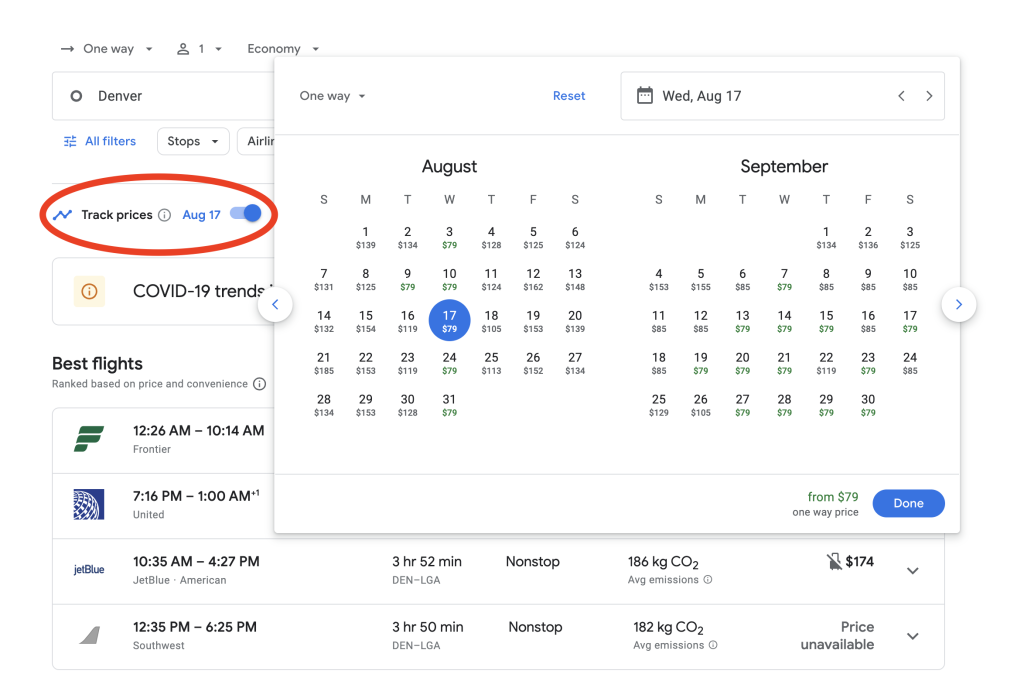
Tools such as Google Flights and Hopper have revolutionized how we track airfare. These platforms use predictive analytics to advise travelers whether to “Buy Now” or “Wait.” By setting “Price Alerts,” you are essentially setting a “limit order” for your travel. You define your desired destination and dates, and the technology monitors the market 24/7, notifying you the moment a price drop occurs. This removes the emotional component of booking and relies purely on data-driven triggers.
Using Reward Points and Arbitrage to Hedge Against Rising Costs
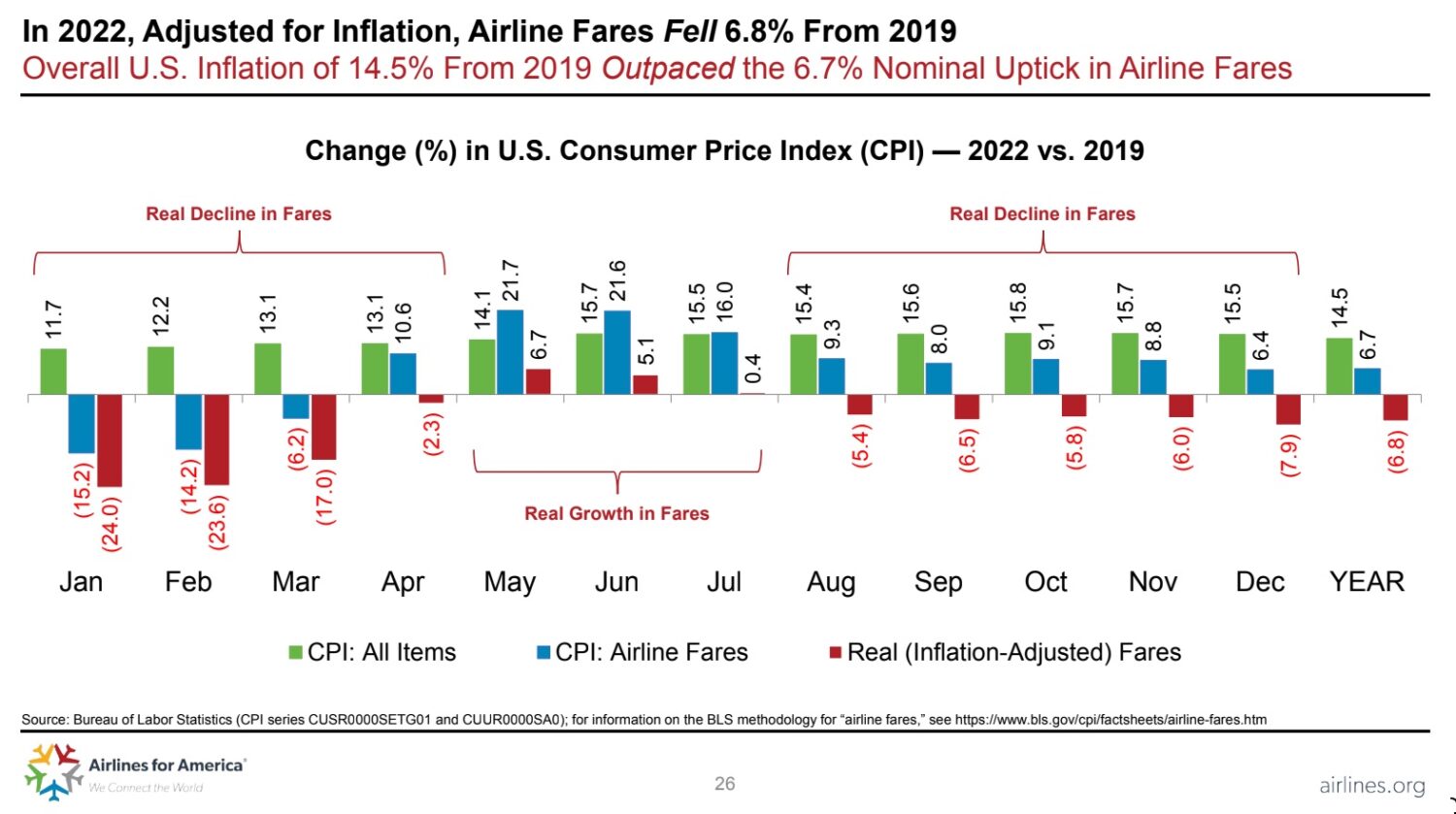
For those focused on maximizing their “Return on Spend,” credit card rewards and frequent flyer miles serve as a secondary currency. This is a form of financial hedging. When cash prices for flights are high due to inflation or peak demand, the “redemption value” of points often remains stable. By calculating the “cents per point” (CPP) value of a redemption, a savvy traveler can decide whether to spend cash or use their points-based assets. Effectively managing these loyalty points is an essential pillar of a sophisticated personal finance strategy.
Advanced Strategies for the Savvy Investor: Budgeting for Travel as an Asset
Traditional budgeting often treats travel as a “sunk cost.” However, a more sophisticated financial approach views travel as a strategic expenditure. By optimizing the timing of your flights, you are practicing disciplined capital management.
The Hidden Costs of Waiting Too Long
There is a common misconception that “last-minute deals” are the best way to save money. While airlines occasionally dump inventory at the 11th hour to fill a nearly empty plane, this is a high-risk strategy that rarely pays off for specific routes. In the context of business finance, the risk of a price spike or the flight selling out far outweighs the potential reward of a last-minute drop. The cost of “opportunity lost” by being unable to attend a critical meeting or event must be factored into the price of the ticket.
Strategic Flexibility: The Business Case for Last-Minute Savings
If your schedule allows for “strategic flexibility,” you can capitalize on price drops in a way that most cannot. This involves being “unattached” to a specific destination and instead following the value. By using “Explore” features on booking engines, you can identify which global hubs are currently experiencing a price war or a surplus of inventory. This is the travel equivalent of “value investing”—looking for undervalued assets (destinations) where the market price does not reflect the actual utility or beauty of the experience.
Conclusion: Integrating Travel Timing into Your Financial Plan
Understanding when flight prices drop is a fundamental skill for anyone looking to optimize their personal or business finances. It requires a shift in mindset: moving from a passive consumer who accepts the listed price to an active market participant who understands the underlying mechanics of dynamic pricing.
By leveraging the “Goldilocks Window,” utilizing AI-driven fintech tools, and maintaining a disciplined approach to reward point management, you can drastically reduce one of your largest annual expenses. In the grand scheme of wealth building, these incremental savings are compounded. A $500 saving on a flight, if invested in a diversified index fund, can grow significantly over a decade.
Ultimately, mastering the art of the flight price drop is about control. It is about ensuring that your capital is used efficiently, your experiences are maximized, and your financial future remains the priority. In a world of fluctuating prices, data-driven timing is the ultimate tool for the financially conscious traveler.
aViewFromTheCave is a participant in the Amazon Services LLC Associates Program, an affiliate advertising program designed to provide a means for sites to earn advertising fees by advertising and linking to Amazon.com. Amazon, the Amazon logo, AmazonSupply, and the AmazonSupply logo are trademarks of Amazon.com, Inc. or its affiliates. As an Amazon Associate we earn affiliate commissions from qualifying purchases.