
We often find ourselves graded throughout life – in school, during performance reviews, or even by a credit score that dictates our financial access. But what if there was a comprehensive, holistic “grade” for your overall financial well-being? Not just a number from a credit bureau, but a truly insightful assessment that reveals your strengths, highlights your vulnerabilities, and provides a clear roadmap for improvement? The question “what would your grade be if” isn’t an idle musing; it’s an invitation to introspect, measure your financial health against sound principles, and empower yourself with the knowledge to elevate your economic standing.
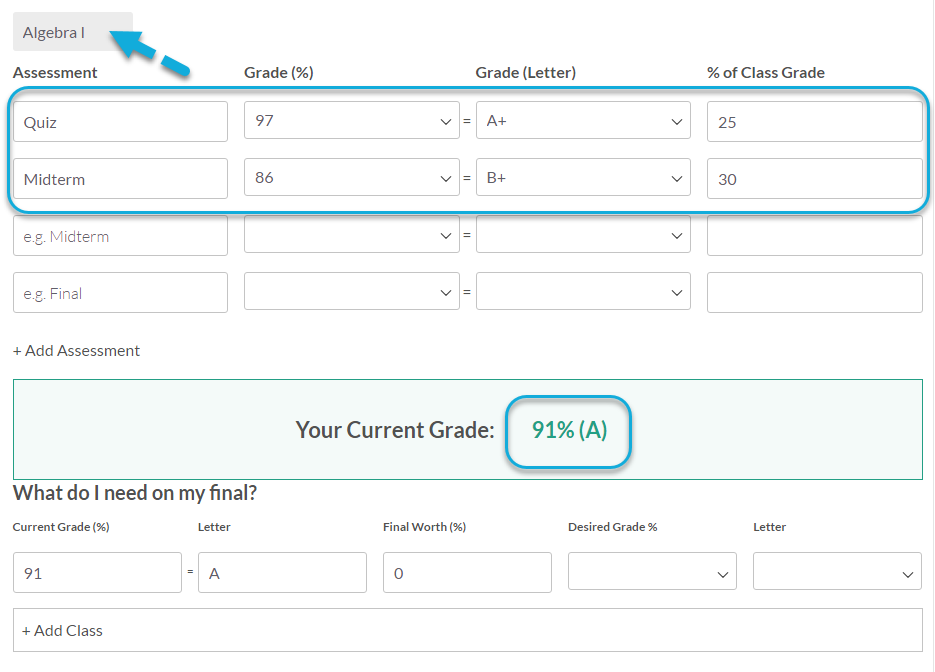
In the complex landscape of personal finance, where market fluctuations, economic uncertainties, and an ever-evolving digital economy shape our daily lives, understanding your true financial grade is more critical than ever. This isn’t about shaming or judgment, but about clarity and progress. By examining various facets of your money management, investment strategies, and financial resilience, we can construct a hypothetical grading system that offers a profound look into your present financial reality and illuminates the path toward a more secure and prosperous future. Let’s delve into what such a comprehensive financial grade would entail and how you can actively work to improve it.
Beyond the Credit Score: Defining Your Holistic Financial Grade
When most people think about a “financial grade,” their minds immediately jump to a credit score. While FICO or VantageScore provide a crucial snapshot of your creditworthiness, they represent only one dimension of a much broader financial picture. A true financial grade encompasses far more, evaluating your overall fiscal health, resilience, and trajectory.
The Limitations of Traditional Metrics
Credit scores primarily assess your ability to manage debt. They look at payment history, amounts owed, length of credit history, new credit, and credit mix. A high score signifies you’re a responsible borrower, making you attractive to lenders. However, a perfect credit score doesn’t necessarily mean you’re financially secure. You could have a fantastic credit score yet still be living paycheck to paycheck, lacking an emergency fund, or be woefully unprepared for retirement. Conversely, someone with a modest credit score but significant assets, diversified income streams, and robust savings might be in a stronger financial position despite the lower numerical grade on one specific metric.
Similarly, net worth—your assets minus your liabilities—offers a valuable indicator but isn’t the sole arbiter of financial health. A high net worth could be tied up in illiquid assets, or come with substantial ongoing expenses. A truly comprehensive financial grade must look beyond these individual data points to consider the interplay of various elements.
Components of a Holistic Financial Grade
To construct a meaningful financial grade, we must consider several interconnected components, each contributing to your overall score:
- Savings Rate & Emergency Fund: How much of your income are you consistently saving, and do you have at least 3-6 months of essential living expenses readily accessible? A strong grade here indicates preparedness and discipline.
- Debt Management: Beyond credit scores, this component assesses the type of debt you hold (good vs. bad debt), your debt-to-income ratio, and your strategy for repayment. Low-interest mortgage debt is different from high-interest credit card debt.
- Investment & Retirement Readiness: Are you actively investing for the future? Are your investments diversified? Are you on track to meet your retirement goals based on your age and desired lifestyle? This evaluates forward-looking financial planning.
- Income Diversification & Resilience: Do you rely on a single income source, or do you have multiple streams of income (e.g., side hustles, passive income, investments)? How resilient would you be to a sudden job loss or economic downturn?
- Financial Literacy & Planning: This is a qualitative but crucial element. Do you understand basic financial concepts? Do you have a budget, clear financial goals, and a plan to achieve them? Proactive planning signifies a higher grade.
- Risk Management & Insurance: Are you adequately insured against life’s uncertainties (health, life, disability, property)? This component assesses your protective financial layers.
By combining these elements, a holistic financial grade moves beyond simple numbers to paint a nuanced portrait of your economic well-being, highlighting areas of strength and identifying where focused improvement can yield the greatest impact.
The “If” Scenarios: Benchmarking Your Financial Performance
The hypothetical nature of “what would your grade be if” invites us to test our financial resilience against common life scenarios. These stress tests reveal the practical strength of your financial planning and preparedness, providing a clearer picture of your readiness for the unexpected.
If You Faced an Unexpected Expense: The Emergency Fund Test
Imagine an unforeseen major car repair, a significant medical bill not fully covered by insurance, or an urgent home repair. What would your grade be if you had to cover a $10,000 unexpected expense tomorrow?
- A+: You could easily cover it from a dedicated emergency fund, without touching investments or incurring debt. Your cash reserves exceed 6 months of living expenses.
- B: You could cover it from savings, but it would deplete a significant portion of your emergency fund, requiring immediate replenishment. Your cash reserves are 3-6 months of living expenses.
- C: You would need to dip into long-term investments, borrow from a line of credit, or put it on a credit card, but you have a clear plan to pay it back quickly. Your cash reserves are less than 3 months of living expenses.
- D: You would have to take on significant high-interest debt, creating a substantial financial setback.
- F: You would have no way to cover the expense and would face severe financial distress, potentially leading to bankruptcy or asset liquidation.
This scenario highlights the critical role of accessible, liquid savings. It tests your ability to absorb shocks without derailing your long-term goals.
If You Retired Today: The Retirement Readiness Scorecard
For most, retirement seems a distant future. But what would your grade be if you had to stop working today and live solely off your current retirement savings and assets? This scenario exposes the adequacy of your long-term wealth accumulation and planning.
- A+: You have already accumulated enough to live comfortably for the rest of your life at your desired standard, with room for unexpected costs. Your investments are diversified and generating significant income.
- B: You could retire, but you might need to adjust your lifestyle, significantly downsize, or work part-time to supplement income. You are largely on track but could benefit from further contributions.
- C: Retirement would be very challenging, requiring drastic lifestyle changes, reliance on social security, and potentially selling off major assets like your home. You’re significantly behind schedule.
- D: Retirement is not feasible without extreme poverty or continued work indefinitely. You have minimal or no dedicated retirement savings.
- F: You are entirely unprepared for retirement, with no savings and potentially significant debt that would make sustained living impossible without income.
This benchmark underscores the importance of consistent, early investment and strategic retirement planning. It’s a wake-up call for those who have deferred saving for the golden years.
If Your Income Suddenly Changed: The Financial Resilience Check
A job loss, a significant pay cut, or a downturn in your business can all drastically alter your financial landscape. What would your grade be if your primary source of income suddenly disappeared or was cut by 50% for six months?
- A+: You have multiple income streams (side hustles, investments, rental income) that could largely replace the lost income, and your low fixed expenses mean minimal impact on your lifestyle.
- B: Your emergency fund and other accessible savings could comfortably bridge the gap for the six months, giving you ample time to recover or find new income. Your fixed expenses are manageable.
- C: You would need to make immediate and significant cuts to your discretionary spending, potentially drawing from some investments, and actively seeking new income, but you could survive.
- D: The income loss would quickly lead to an inability to pay essential bills, forcing you into debt or selling assets under duress. Your fixed expenses are high relative to your income.
- F: You would be unable to meet basic living expenses almost immediately, facing eviction, utility shut-offs, and severe financial crisis.
This scenario highlights the value of income diversification, low fixed expenses, and a robust emergency fund. It gauges your ability to weather economic storms without catastrophic consequences.
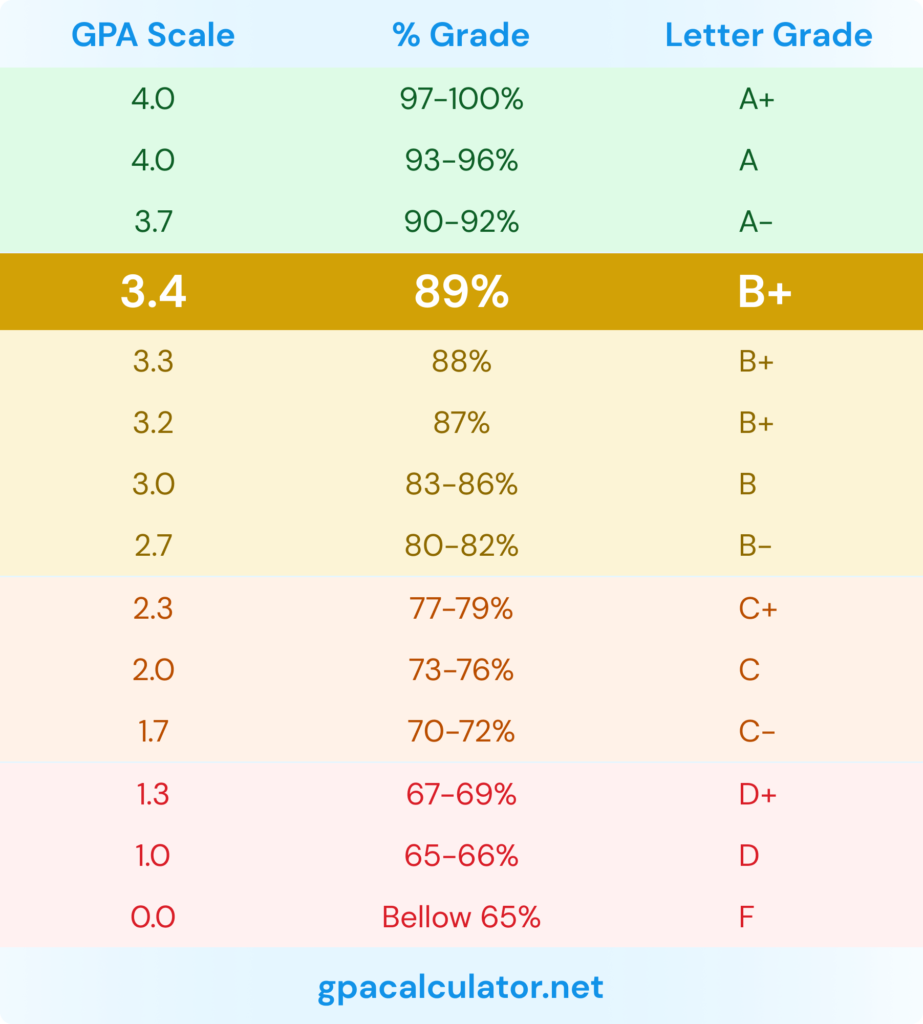
Boosting Your Grade: Strategies for Financial Improvement
Recognizing your current financial grade is merely the first step. The true power lies in understanding how to systematically improve it. Regardless of your starting point, proactive steps can significantly elevate your financial standing.
Mastering Your Budget: The Foundation of Financial Health
The bedrock of any strong financial grade is an effective budget. It’s not about restriction but about awareness and intentionality.
- Track Everything: Utilize budgeting apps (e.g., Mint, YNAB), spreadsheets, or even a pen and paper to meticulously track every dollar coming in and going out. Most people are surprised by where their money actually goes.
- Categorize Expenses: Group your spending into categories (housing, food, transportation, entertainment, savings, debt repayment). This illuminates areas where you might be overspending.
- Set Realistic Goals: Based on your tracking, allocate funds to different categories. Distinguish between needs and wants. Aim to have a positive cash flow each month, meaning more money comes in than goes out.
- Automate Savings: “Pay yourself first” by setting up automatic transfers from your checking to your savings and investment accounts immediately after payday. This removes the temptation to spend it.
A well-maintained budget is your financial GPS, guiding you toward your objectives and preventing financial drift. It’s the ultimate tool for achieving a high grade in financial discipline.
Smart Debt Management and Wealth Accumulation
Managing debt strategically and consistently accumulating wealth are two sides of the same coin.
- Prioritize High-Interest Debt: Focus on paying down credit card balances, personal loans, or any debt with high-interest rates first. The “debt snowball” or “debt avalanche” methods can provide structure. Reducing interest payments frees up more cash for savings and investments.
- Understand Good vs. Bad Debt: Not all debt is created equal. A mortgage on an appreciating asset or a student loan for a high-value degree can be considered “good debt” if managed well, as they typically lead to asset appreciation or increased earning potential. Consumer debt, however, is almost always “bad debt.”
- Consistent Investing: Once high-interest debt is under control and an emergency fund is established, make investing a regular habit. Start early, even with small amounts, to harness the power of compound interest. Maximize contributions to tax-advantaged accounts like 401(k)s and IRAs.
- Diversify Your Portfolio: Don’t put all your eggs in one basket. Spread your investments across different asset classes (stocks, bonds, real estate, mutual funds, ETFs) and industries to mitigate risk.
These strategies collectively build your net worth and improve your long-term financial grade, moving you closer to financial independence.
Diversifying Income and Building Assets
Relying on a single income source is a significant vulnerability. Building additional income streams and acquiring income-generating assets strengthens your financial resilience.
- Explore Side Hustles: Leverage your skills or hobbies to generate extra income. Freelancing, consulting, teaching, ridesharing, or selling handmade goods can provide a valuable buffer and accelerate debt repayment or savings.
- Generate Passive Income: Invest in opportunities that generate income with minimal ongoing effort. This could include dividend stocks, rental properties, high-yield savings accounts, or even royalties from creative work.
- Invest in Yourself: Acquire new skills, certifications, or education that can increase your primary income or open doors to higher-paying opportunities. Your earning potential is your greatest asset.
- Build Equity: Focus on building equity in appreciating assets, such as real estate (your primary home or investment properties) or a well-managed investment portfolio. These assets grow your wealth over time and can serve as collateral or income sources.
Diversified income acts as a powerful safety net, while asset building fuels your journey towards true financial freedom, significantly boosting your overall financial grade.
The Tools and Mindset for Continuous Improvement
Improving your financial grade isn’t a one-time event; it’s an ongoing process. Success hinges on leveraging the right tools and cultivating a resilient mindset.
Leveraging Financial Technology
The digital age has brought an unprecedented array of tools to simplify and enhance financial management.
- Budgeting Apps: As mentioned, apps like Mint, YNAB, or Personal Capital offer comprehensive views of your finances, connecting all your accounts, tracking spending, and helping you stick to a budget.
- Investment Platforms: Robo-advisors (e.g., Betterment, Wealthfront) provide automated, low-cost investment management, making it easier for beginners to invest. Traditional brokerages (e.g., Fidelity, Vanguard) offer more control for experienced investors.
- Financial Planning Software: Tools that help with retirement planning, goal setting, and scenario analysis can provide deeper insights and projections for your future.
- Credit Monitoring Services: Regularly checking your credit score and report (many banks offer this for free) helps you stay on top of your credit health and detect any fraudulent activity.
These tools streamline processes, provide data-driven insights, and reduce the friction associated with effective financial management, making it easier to maintain a high grade.
Cultivating a Growth Mindset Towards Money
Perhaps the most crucial component of improving your financial grade is your attitude towards money itself.
- Continuous Learning: The financial world is constantly evolving. Stay informed about market trends, investment strategies, tax laws, and economic indicators. Read books, listen to podcasts, and follow reputable financial news sources.
- Patience and Persistence: Building wealth and achieving financial goals takes time. There will be setbacks and market fluctuations. A growth mindset understands that progress is rarely linear and that consistency trumps intensity.
- Avoid Emotional Decisions: Fear and greed are powerful emotions that can derail investment strategies. Stick to your financial plan, avoid panic selling or FOMO (fear of missing out) buying.
- Seek Professional Advice: For complex financial situations, consider consulting a certified financial planner (CFP). They can provide personalized advice, help you create a comprehensive plan, and navigate intricate financial decisions.
- Practice Gratitude and Mindfulness: A healthy relationship with money also involves appreciating what you have and avoiding the constant comparison trap. Financial well-being is as much about peace of mind as it is about net worth.
Embracing a growth mindset transforms financial management from a chore into an empowering journey of self-improvement and wealth creation, fostering resilience and adaptability regardless of external circumstances.
Conclusion
The question “what would your grade be if” serves as a powerful prompt for self-reflection and proactive engagement with your financial life. It urges us to look beyond simplistic metrics and embrace a holistic view of our economic well-being. By assessing your preparedness for unexpected challenges, your readiness for long-term goals like retirement, and your overall financial resilience, you can gain invaluable clarity about your current standing.
More importantly, understanding your financial grade isn’t just about diagnosis; it’s about empowerment. Each area of assessment—from budgeting and debt management to investing and income diversification—offers tangible opportunities for improvement. By leveraging modern financial tools and cultivating a growth-oriented mindset, you can systematically elevate your financial grade, moving closer to security, freedom, and the peace of mind that comes with robust financial health. So, take the time to evaluate your own “grade,” identify your areas for growth, and commit to the ongoing journey of financial mastery. Your future self will thank you for it.
aViewFromTheCave is a participant in the Amazon Services LLC Associates Program, an affiliate advertising program designed to provide a means for sites to earn advertising fees by advertising and linking to Amazon.com. Amazon, the Amazon logo, AmazonSupply, and the AmazonSupply logo are trademarks of Amazon.com, Inc. or its affiliates. As an Amazon Associate we earn affiliate commissions from qualifying purchases.