
The specter of World War III looms in the collective consciousness, a chilling possibility that transcends borders and impacts every facet of human existence. While the precise contours of such a conflict remain agonizingly uncertain, understanding its potential implications is paramount. This exploration will dissect how advancements in technology, the strategic maneuvering of brands, and the fundamental forces of money will likely shape the landscape of a hypothetical World War III, drawing upon the core tenets of our website’s focus: Tech, Brand, and Money.
The very nature of warfare has been irrevocably altered by technological evolution. From the rudimentary tactics of ancient armies to the devastating power of nuclear arsenals, the tools of conflict have always been dictated by the technological prowess of the era. World War III, should it ever erupt, will be no different. The battlefield will be a complex interplay of cyber, informational, and kinetic warfare, driven by an unprecedented acceleration of technological innovation.
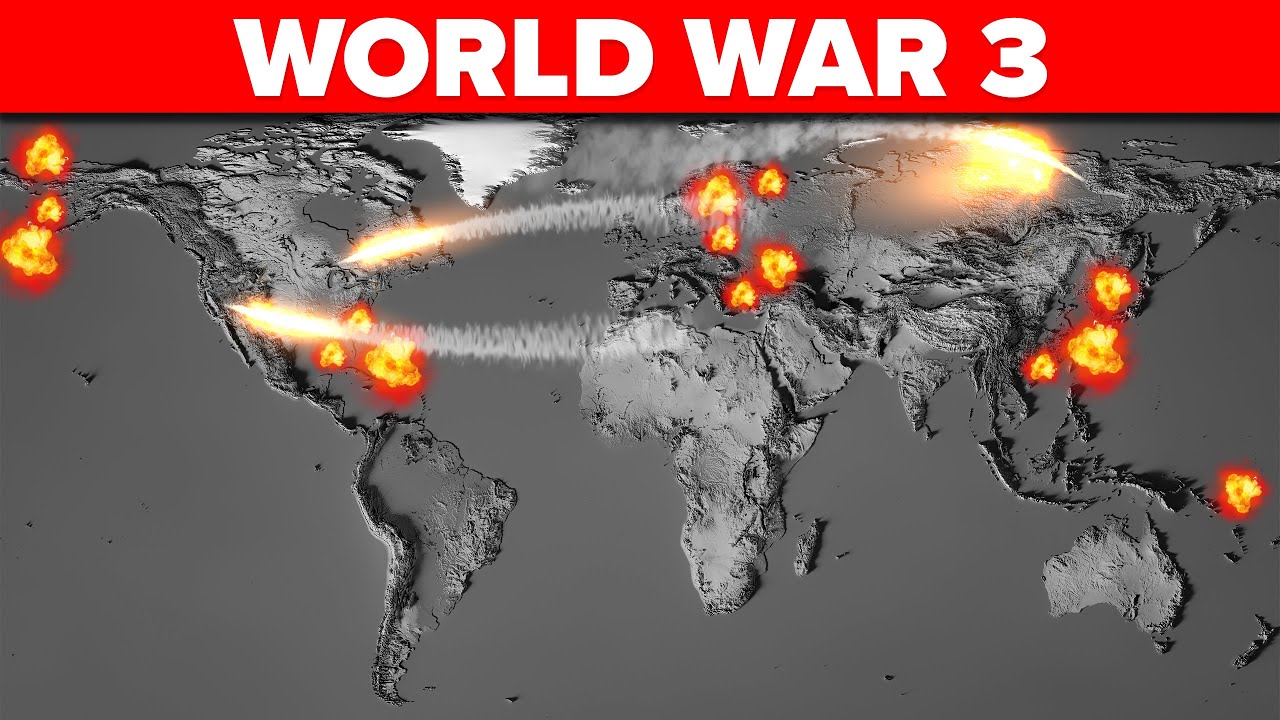
The Technological Battlefield: Beyond Kinetic Engagements
The “what will happen in WW3” question, when viewed through a technological lens, immediately brings to mind an array of terrifying and transformative possibilities. Traditional notions of front lines and physical confrontations will be augmented, and in some cases, overshadowed, by the digital domain.
AI and Autonomous Warfare: The Rise of Algorithmic Conflict
Artificial intelligence is no longer a futuristic concept; it is a rapidly developing reality. In the context of WW3, AI will likely play a dual role: as a powerful tool for military operations and as a potential flashpoint itself. Imagine autonomous drones capable of identifying and neutralizing targets with unprecedented speed and precision, operating beyond human reaction times. This raises profound ethical questions about accountability and the potential for unintended escalation. AI-powered cyber weapons could cripple critical infrastructure – power grids, financial systems, communication networks – on a global scale, creating chaos and rendering conventional military responses obsolete.
Furthermore, the development and deployment of AI in military applications could trigger an arms race, forcing nations to invest heavily in offensive and defensive AI capabilities. The race for AI supremacy will be a silent, yet intensely fought, precursor to any overt conflict. The very definition of “enemy” could blur as algorithms make life-and-death decisions, and the potential for AI-driven miscalculations or malicious manipulation becomes a significant threat.
Cybersecurity as the New Frontier: Disrupting the Digital Pillars of Society
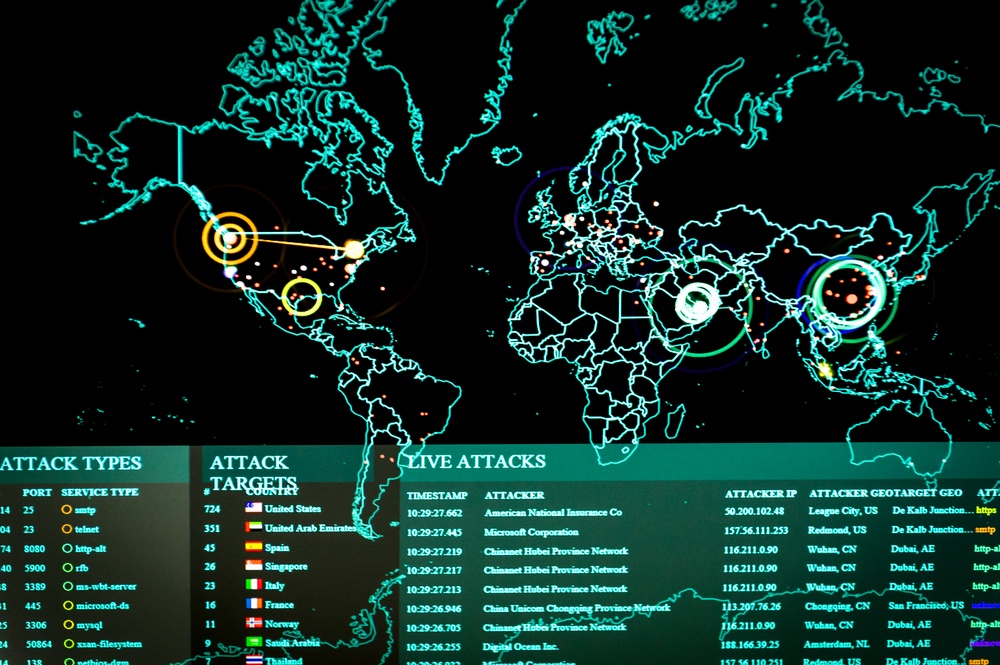
Digital security, a cornerstone of our technology focus, will be the critical battleground in WW3. State-sponsored cyberattacks will aim to destabilize economies, sow disinformation, and disrupt essential services. Imagine sophisticated malware designed to infiltrate and disable national defense systems, compromise financial markets, or even manipulate public opinion through targeted propaganda disseminated across social media platforms.
The interconnectedness of our world, a testament to technological progress, becomes a critical vulnerability in times of conflict. Power grids, healthcare systems, transportation networks – all rely on digital infrastructure. A concerted cyberattack could plunge nations into darkness, cripple medical facilities, and bring societies to a grinding halt. The line between cyber warfare and conventional warfare will be increasingly indistinct, with digital disruptions having tangible, devastating consequences. Reviews of past cyber incidents, from large-scale data breaches to state-sponsored hacking operations, offer a chilling preview of what could be unleashed. Tutorials on digital security will become as vital as battlefield training.
The Role of Emerging Technologies: Quantum Computing, Space, and Beyond
Beyond AI and cybersecurity, other emerging technologies will play a crucial role. Quantum computing, with its potential to break existing encryption methods, could render current digital defenses obsolete, opening up new avenues for espionage and sabotage. The militarization of space, with the potential for orbital weapons systems and the disruption of satellite communications, presents another alarming dimension. Space-based surveillance and communication networks are vital for modern warfare, and their vulnerability in WW3 could dramatically alter strategic calculations.
The Brandification of Conflict: Shaping Perceptions and Controlling Narratives
The concept of “Brand” extends far beyond commercial enterprises; it encompasses how nations, ideologies, and even individuals are perceived on the global stage. In the context of WW3, brand strategy and reputation management will be as critical as any missile defense system.
Propaganda and Information Warfare: Winning the Hearts and Minds, or Destabilizing Them
In an era of hyper-connectivity, information warfare will be a primary weapon. Nations will engage in sophisticated propaganda campaigns to shape public opinion both domestically and internationally. This will involve leveraging social media, news outlets, and digital influencers to promote their narrative, demonize adversaries, and undermine trust in opposing viewpoints. Personal branding, often associated with individuals, will be amplified to national levels, with leaders and nations cultivating specific public personas.
The creation of compelling case studies for national achievements will be juxtaposed with the dissemination of fabricated narratives about enemy atrocities. The goal will be to control the dominant narrative, justify actions, and rally support, or conversely, to sow dissent and confusion within enemy populations. Corporate identity and brand strategy principles will be adapted and applied to national branding, aiming to project strength, resilience, and legitimacy.
The Digital Reputation Reckoning: Navigating the Minefield of Public Opinion
In a world where information travels at the speed of light, a nation’s digital reputation will be constantly under scrutiny. False flag operations, disinformation campaigns designed to implicate adversaries, and the amplification of genuine grievances will all be employed to tarnish reputations. Conversely, nations will invest heavily in protecting their own digital brand, employing advanced social listening tools and crisis communication strategies.
The reviews of historical propaganda efforts, from World War I posters to Cold War radio broadcasts, will offer valuable insights into the enduring power of narrative. However, the digital age introduces new complexities, with the potential for viral misinformation and the erosion of trust in traditional media. The management of a nation’s online presence will be a continuous and demanding task, requiring a deep understanding of public sentiment and the dynamics of online discourse.
The Economic Frontlines: Resource Control, Financial Warfare, and Survival
The “Money” aspect of WW3 will be as potent and disruptive as any military engagement. Economic stability and resilience will be paramount for any nation’s ability to wage and endure a global conflict.
Financial Warfare: Sanctions, Currency Wars, and the Collapse of Global Markets
The sophisticated financial tools and systems that underpin the global economy will become weapons in themselves. Targeted sanctions, designed to cripple an adversary’s economy, will be a primary instrument of economic warfare. This could extend to freezing assets, restricting access to international financial markets, and even weaponizing currencies. Online income streams and side hustles, once tools for personal enrichment, could be disrupted or co-opted for national economic mobilization.
A currency war, where nations devalue their currencies to gain a competitive advantage in trade, could destabilize global markets and lead to widespread economic hardship. The interconnectedness of global finance means that a crisis in one region could quickly cascade, leading to a domino effect of bankruptcies and recessions. The business finance strategies of nations will shift from growth and expansion to survival and resilience, focusing on securing essential resources and maintaining economic stability.
Resource Scarcity and Supply Chain Disruption: The Fight for Essentials
The control of essential resources – oil, rare earth minerals, food, water – will be a critical driver of conflict and a key factor in determining the outcome of WW3. Nations will seek to secure their supply chains, often through military means, and disrupt those of their adversaries. Personal finance strategies will be profoundly impacted as inflation soars and the availability of basic necessities becomes uncertain.
The reliance on globalized supply chains, a hallmark of modern economic prosperity, will become a significant vulnerability. Disruptions to shipping lanes, manufacturing hubs, and agricultural production could lead to widespread shortages and social unrest. Financial tools designed to manage risk will be strained, and the concept of “investing” might shift from speculative ventures to the stockpiling of essential goods. The ability to sustain a prolonged conflict will depend heavily on a nation’s economic resilience and its capacity to secure vital resources, making financial planning and strategic resource allocation more critical than ever.

The Human Element: Resilience, Adaptation, and the Search for Stability
Ultimately, the human element remains at the core of any conflict. While technology, brands, and money will shape the mechanics of WW3, the resilience, adaptability, and psychological fortitude of individuals and societies will determine their ability to survive and rebuild.
The constant barrage of information, the economic anxieties, and the pervasive threat of violence will take a significant toll on mental well-being. Personal branding will evolve into a form of self-preservation, with individuals seeking to project strength and hope amidst despair. The financial tools and strategies that once focused on wealth accumulation will be re-prioritized towards immediate survival and the rebuilding of essential services.
The tutorials we offer on productivity will take on a new meaning, shifting from optimizing workflows to maintaining sanity and effectiveness in an increasingly chaotic world. Digital security will be not just about protecting data, but about safeguarding individuals from manipulation and misinformation. The case studies we analyze will shift from business successes to stories of human resilience and ingenuity in the face of unimaginable adversity.
In conclusion, while the question of “what will happen in WW3” is laden with uncertainty, by examining the interconnected roles of Tech, Brand, and Money, we can begin to conceptualize the potential realities of such a devastating conflict. It will be a war fought on multiple fronts, leveraging the most advanced technologies, manipulating perceptions through sophisticated branding, and fundamentally reshaping global economic and financial landscapes. The ultimate outcome will depend not only on military might but on the ability of societies to adapt, resist manipulation, and find stability in a world irrevocably changed.
aViewFromTheCave is a participant in the Amazon Services LLC Associates Program, an affiliate advertising program designed to provide a means for sites to earn advertising fees by advertising and linking to Amazon.com. Amazon, the Amazon logo, AmazonSupply, and the AmazonSupply logo are trademarks of Amazon.com, Inc. or its affiliates. As an Amazon Associate we earn affiliate commissions from qualifying purchases.