
The question “What was the first U.S. President?” seems deceptively simple, yet delving into its answer reveals a rich tapestry of early American history, the foundational principles of the nation, and the intricate processes that led to the establishment of its highest office. While the name of the first president is widely known, understanding the context, the challenges, and the unique circumstances surrounding his ascension offers profound insights into the birth of the United States and the enduring legacy of its leadership. This exploration will not only answer the direct question but also consider how the very notion of a “first president” was shaped by the nascent technological landscape of the time, the critical branding of a new nation, and the financial underpinnings that supported its ambitious endeavor.
The Genesis of the Presidency: From Confederation to Constitution
The path to a unified American presidency was far from linear. The initial attempt at self-governance after the Revolutionary War was under the Articles of Confederation, a document that established a weak central government. This period, from 1781 to 1789, highlighted the critical need for a stronger executive to navigate national and international affairs effectively. The existing structure, with its decentralized power and lack of a strong unifying figure, proved inadequate.
The Constitutional Convention of 1787 in Philadelphia was a watershed moment. Delegates from the thirteen newly independent states grappled with fundamental questions about governance, representation, and the balance of power. A significant debate revolved around the structure of the executive branch. Some feared a powerful president echoing the tyranny of monarchy they had just fought against. Others recognized the necessity of a decisive leader to ensure stability, enforce laws, and represent the nation on the world stage.
The resulting United States Constitution established the office of the President, outlining its powers and responsibilities. Crucially, it was designed to be a checks-and-balances system, ensuring that the President’s authority would be tempered by the legislative and judicial branches. This careful design was a testament to the founders’ desire to create a government that was both effective and accountable, a concept that resonates even in today’s discussions about technological governance and the ethical implications of powerful AI systems.
The Unanimous Choice: George Washington
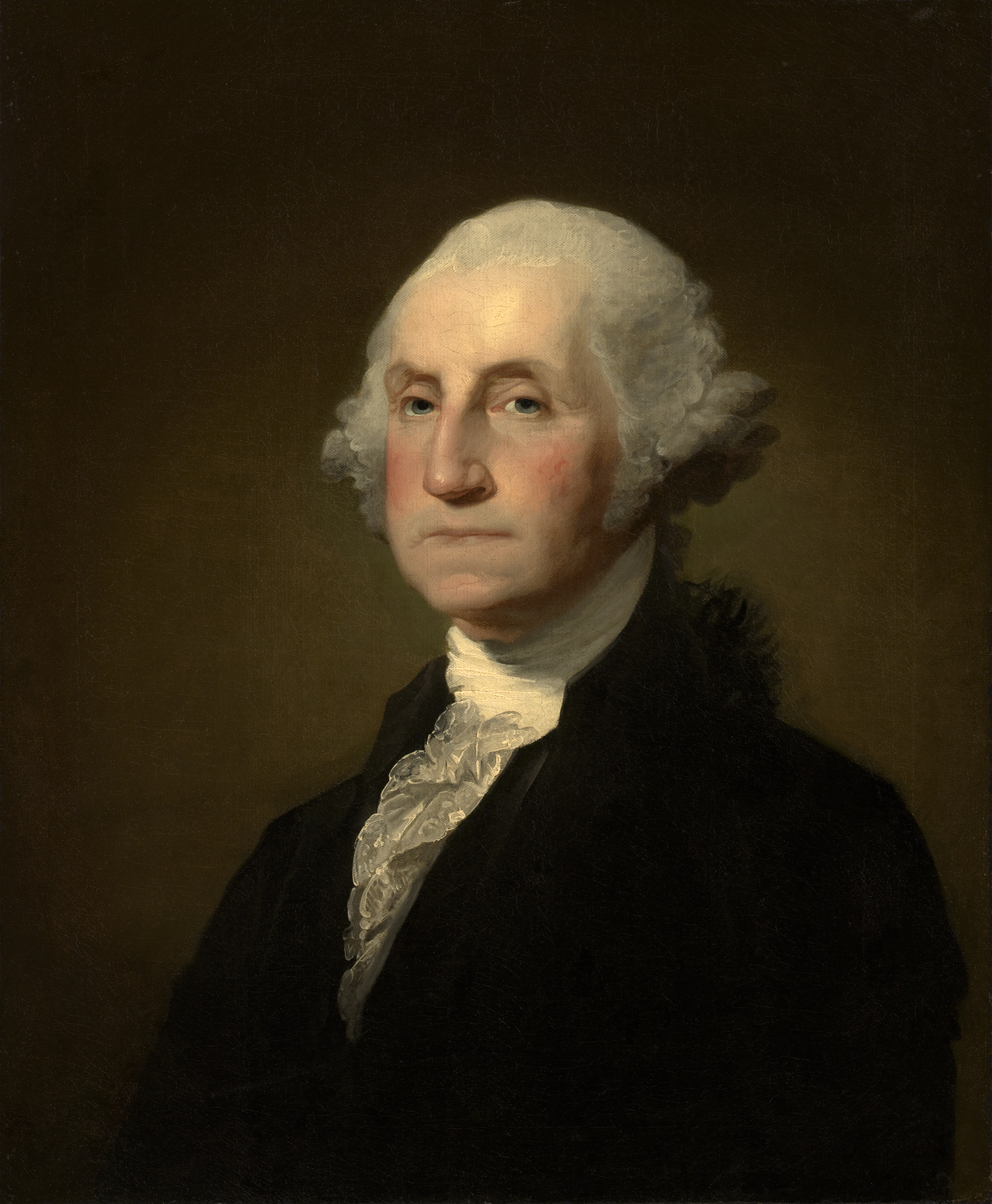
When the time came to elect the first president under the new Constitution, there was an overwhelming consensus: George Washington. His leadership during the Revolutionary War had already cemented his status as a national hero. His integrity, his stoicism, and his perceived unwillingness to seek personal power made him the ideal candidate to usher in this new era of governance.
Washington was not a politician in the modern sense. He was a planter, a surveyor, and a military leader who had dedicated himself to the cause of independence. His decision to step down after two terms as commander-in-chief, rather than seeking to retain power, was a pivotal act that established a crucial precedent for the peaceful transfer of power – a cornerstone of democratic republics.
The election process itself, while different from today’s direct popular vote, was a sophisticated mechanism for its time. The Electoral College, a compromise between electing the president by popular vote and electing by a vote in Congress, was established. In the first presidential election of 1788-1789, Washington received all 69 electoral votes. This unanimous endorsement was not merely a formality; it was a powerful signal of national unity and a clear mandate for the direction the new nation would take. This early form of “branding” the nation, through the selection of a universally respected leader, was essential for its legitimacy on the global stage.
The Technology of Early Governance: Communication, Innovation, and Infrastructure
While the term “technology” conjures images of silicon chips and the internet, even in the late 18th century, technological advancements played a crucial role in the functioning of the nascent United States and the presidency. The speed of communication was, by modern standards, glacial. News traveled by horseback, ship, or courier. This meant that presidential decisions had to be made with a degree of autonomy and foresight rarely required today.
The establishment of the postal service was one of the earliest technological endeavors of the new nation. It was essential for connecting the vast country, disseminating information, and allowing the government to communicate with its citizens and representatives. For the first president, this infrastructure was vital for receiving reports from abroad, coordinating with state governments, and managing the federal bureaucracy.

Furthermore, the development of early infrastructure projects, such as roads and canals, was a significant technological challenge and a priority for the new administration. These projects were not just about transportation; they were about economic development and national integration. The ability to move goods and people efficiently was directly linked to the nation’s financial prosperity and its ability to exert influence. In a way, these were the early “apps” and “gadgets” of their time, designed to solve fundamental logistical problems and foster growth.
Washington’s administration was also at the forefront of managing and understanding emerging digital security concerns, albeit in a vastly different context. Espionage, the threat of foreign influence, and the need to protect sensitive government information were paramount. The early intelligence networks, while rudimentary, were critical for national security. The principles of secure communication and the need for reliable information, which are central to today’s digital security discourse, were already in play, just executed through different means.
The Brand of a New Nation: Crafting an Identity and Building Trust
The success of the United States was not just about its political structure or economic potential; it was also about its brand. The fledgling nation had to convince its own citizens, as well as the world, that it was a viable and legitimate entity. George Washington, as the first president, was intrinsically linked to this national brand. His personal brand, built on integrity and service, became synonymous with the ideals the new nation aspired to represent.
The careful cultivation of this image was crucial. The design of national symbols, such as the flag and the presidential seal, contributed to this branding effort. These visual elements were intended to evoke a sense of unity, purpose, and distinctiveness. The architecture of the capital city, even in its early stages, was also part of this branding strategy, aiming to convey stability and permanence.
Marketing and public relations, though not called by those names at the time, were essential. Washington’s public appearances, his carefully worded speeches, and his correspondence all played a role in shaping public perception. The decision to establish a cabinet of advisors, drawing on individuals with diverse talents and perspectives, was also a strategic move to demonstrate a collaborative and competent leadership. This reflected an early understanding of the importance of diverse perspectives in building a strong corporate identity, a concept that is highly relevant in today’s business world.
The case studies of the early republic, from its revolutionary origins to the establishment of its governing institutions, provided a narrative that resonated with citizens and inspired future generations. The success of the American experiment, even in its infancy, was a powerful testament to the principles of self-governance. Washington’s deliberate efforts to avoid the trappings of excessive power and to foster a sense of republican virtue were key elements in building trust and establishing a positive reputation for the new nation.

The Financial Foundations: Funding a Revolution and Building a Republic
The establishment of the United States and the presidency was inextricably linked to financial realities. The Revolutionary War had left the nation heavily in debt. The ability of the new government to manage its finances, establish credit, and foster economic growth was paramount to its survival and its ability to function.
Alexander Hamilton, as the first Secretary of the Treasury, played a pivotal role in this regard. His financial plan involved assuming the states’ debts, establishing a national bank, and promoting manufacturing. These were bold and often controversial measures, but they were essential for stabilizing the economy and creating a solid financial foundation for the new republic.
The personal finance of the early leaders was also a consideration, though perhaps not in the direct consumer sense we understand today. Washington, as a wealthy landowner, was able to leverage his personal resources and his reputation to some extent. However, the focus was on building the business finance of the nation. The government needed to collect taxes, manage currency, and encourage trade.
The concept of online income and side hustles was not applicable then, but the spirit of enterprise and the pursuit of economic opportunity were deeply ingrained. The development of industries and trade routes was crucial for generating revenue and improving the standard of living for citizens. The financial tools available were limited to banking, credit, and monetary policy, but their effective implementation was as critical then as sophisticated financial software is today.
The early presidents, particularly Washington, understood that a sound financial footing was not just about economic prosperity; it was about national security and the ability to project power and influence on the global stage. The decisions made regarding national debt, taxation, and economic development in those early years laid the groundwork for the economic powerhouse the United States would eventually become.
In conclusion, the question of “What was the first U.S. President?” leads us to George Washington, a figure of immense historical significance. However, understanding his role and the context of his presidency reveals a complex interplay of political innovation, nascent technological adaptation, strategic national branding, and the crucial establishment of sound financial underpinnings. These elements, woven together, not only explain the birth of the American presidency but also offer enduring lessons about leadership, governance, and nation-building that continue to shape the world today.
aViewFromTheCave is a participant in the Amazon Services LLC Associates Program, an affiliate advertising program designed to provide a means for sites to earn advertising fees by advertising and linking to Amazon.com. Amazon, the Amazon logo, AmazonSupply, and the AmazonSupply logo are trademarks of Amazon.com, Inc. or its affiliates. As an Amazon Associate we earn affiliate commissions from qualifying purchases.