
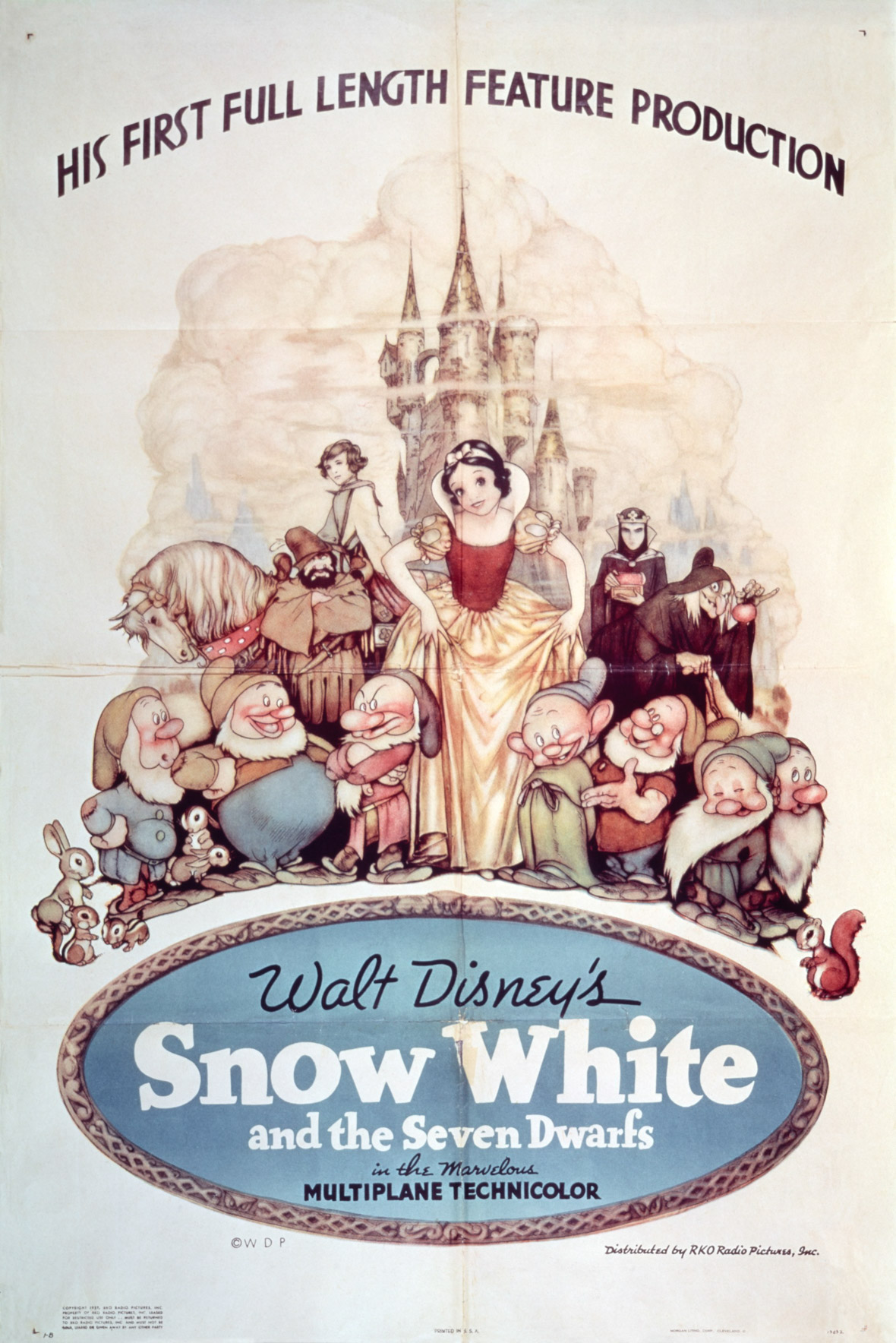
The question, “What was the first Disney movie made?” is more than a trivial pursuit of historical fact; it’s an inquiry into the very genesis of one of the world’s most enduring and influential brands. The answer – Snow White and the Seven Dwarfs, released in 1937 – represents not just a cinematic milestone, but a monumental strategic gamble that would define the Walt Disney Company’s brand identity, strategy, and trajectory for nearly a century. This animated feature wasn’t merely a film; it was the audacious blueprint for a corporate identity built on innovation, quality, emotional resonance, and a pervasive sense of magic. Understanding its origin is to understand the bedrock upon which a multi-billion-dollar global empire was meticulously constructed, offering invaluable lessons in brand building, risk management, and the power of a compelling narrative.

The Genesis of a Global Brand: A Cinematic Leap of Faith
Before Snow White, Walt Disney Productions was known primarily for its popular animated shorts, most notably starring Mickey Mouse and Donald Duck. These shorts had established Disney as a leader in animation, but the ambition to create a full-length animated feature was perceived by many as an impossible, and financially ruinous, dream. It was a vision that dared to transcend the accepted boundaries of the medium, promising an immersive storytelling experience that could rival live-action cinema.
Setting the Stage: Disney’s Early Days and the Vision for Feature Animation
In the early 1930s, Walt Disney’s studio was a buzzing hub of creative energy, yet its primary output was short-form entertainment. While characters like Mickey Mouse had become household names, the economic model of shorts offered limited revenue potential and creative scope. Walt Disney, however, possessed an extraordinary foresight and an unwavering belief in the narrative power of animation. He saw beyond the novelty of talking animals and envisioned animation as a legitimate art form capable of delivering complex stories and deep emotional impact over an extended duration. This was a radical departure from the industry norm, where animation was largely relegated to slapstick comedy and filler before a main feature. His initial pitches for a feature film, particularly one based on a classic fairy tale, were met with skepticism, derision, and even outright opposition from within his own family and financiers who dubbed it “Disney’s Folly.” Yet, Walt’s conviction was unshakeable; he understood that to truly elevate his brand and solidify its place in popular culture, he needed to make a statement of unparalleled scope and quality. This was not just about making a longer cartoon; it was about elevating the perception of animation itself, thereby elevating the Disney brand.
The Big Reveal: Snow White and the Seven Dwarfs – A Risky Endeavor
The production of Snow White and the Seven Dwarfs was an unprecedented undertaking, consuming three years of intensive labor and an astronomical budget for its time – nearly $1.5 million. This was an amount that far exceeded the typical cost of many live-action features. The meticulous hand-drawn animation, the development of new techniques like the multiplane camera to create depth, the integration of music and emotion, and the sheer volume of frames required an army of artists, animators, and musicians. Every detail, from the expressive movements of the characters to the intricate backgrounds, was scrutinized to achieve an unprecedented level of realism and enchantment. Walt Disney famously mortgaged his house to secure additional funding, a testament to his personal belief in the project’s potential. The risk was immense: if Snow White failed, it could bankrupt the studio and permanently tarnish the Disney name. Its success, however, would not only justify the investment but also fundamentally redefine what an “animated film” could be, thereby solidifying Disney’s burgeoning brand as synonymous with innovation, quality, and magical storytelling. The anticipation built around this “folly” was a powerful, albeit risky, early marketing tool, drawing attention to a truly unique product.
Snow White: More Than a Movie, It Was a Brand Blueprint
When Snow White and the Seven Dwarfs premiered on December 21, 1937, it was met with overwhelming critical acclaim and commercial success. It quickly became the highest-grossing film of its time, proving Walt Disney’s vision was not a folly, but a stroke of genius. Beyond the box office numbers, the film established a profound blueprint for the Disney brand that resonates to this day. It demonstrated that animation could evoke deep emotional responses, tell complex stories, and appeal to a universal audience, laying the groundwork for what “Disney” would come to represent globally.
Defining the Disney Aesthetic and Storytelling Ethos
Snow White meticulously crafted an aesthetic that would become a hallmark of the Disney brand: vibrant colors, fluid and expressive animation, rich musical scores, and a meticulous attention to detail. This visual and auditory signature immediately distinguished Disney films from any other animated product. More importantly, the film established a profound storytelling ethos. It blended classic fairy tale elements with relatable human emotions – themes of innocence, jealousy, kindness, perseverance, and true love. The characters, from the pure-hearted Snow White to the lovable dwarfs and the terrifying Evil Queen, were imbued with personality and depth. This narrative approach cultivated a sense of wonder and emotional engagement that resonated deeply with audiences of all ages, creating an expectation for future Disney productions. It taught the market to associate the Disney name with a particular quality of storytelling – one that was emotionally rich, morally upright, and universally appealing. This consistent aesthetic and storytelling quality became a core pillar of the Disney brand identity.
Establishing Trust and Quality: The Foundation of Brand Equity
The unprecedented success of Snow White immediately positioned Disney as a purveyor of uncompromised quality. Audiences, critics, and even skeptics were astonished by the film’s artistry and narrative depth. This triumph was not just a one-off hit; it cultivated an immediate sense of trust and expectation around the Disney name. Viewers learned that a “Disney” film wasn’t just another cartoon; it was an event, a cinematic experience that promised enchantment, meticulous craftsmanship, and wholesome entertainment. This first impression was paramount in building brand equity. It instilled confidence in consumers that anything bearing the Disney label would meet a certain high standard of excellence and deliver a unique, positive experience. This established trust became a critical asset, allowing the brand to diversify into other areas, from theme parks to television, with the implicit promise of the same quality and magical touch that Snow White first delivered. The perception of value was intrinsically tied to the Disney name, a value forged in the fires of an ambitious and flawlessly executed debut.
Pioneering Merchandising and Cross-Promotion
While Mickey Mouse had already demonstrated the potential of character merchandising, Snow White supercharged this aspect of brand strategy. The film’s immense popularity led to an explosion of merchandise, from dolls and books to household items, all featuring Snow White, the Prince, and the Seven Dwarfs. This wasn’t merely a tangential revenue stream; it was a conscious expansion of the brand’s presence beyond the cinema screen and a brilliant early example of cross-promotion. By integrating characters and themes from the film into everyday products, Disney extended the magic and emotional connection into consumers’ lives. This strategy solidified the brand’s ubiquity and cemented its characters as beloved cultural icons. It showed how a successful product could be leveraged to create a universe of associated goods, deepening brand loyalty and multiplying touchpoints with the audience. The lessons learned from Snow White‘s merchandising success would become a cornerstone of Disney’s future brand expansion, setting a standard for character licensing and integrated marketing that few brands could ever hope to replicate.
The Ripple Effect: How One Film Shaped a Corporate Identity
Snow White and the Seven Dwarfs did more than secure Disney’s immediate future; it set the course for its entire corporate identity. The film became the touchstone against which all future Disney projects would be measured, both internally and externally. It forged an image of Disney as an innovator, a storyteller with a heart, and a creator of worlds where magic was real. This identity, born from a single ambitious film, enabled the company to build a diverse portfolio of entertainment offerings, all unified by a consistent brand promise.
From Innovator to Industry Leader: Setting New Benchmarks
The triumph of Snow White immediately catapulted Disney from an acclaimed animation studio to an undisputed industry leader. It didn’t just compete; it redefined the entire landscape of animated filmmaking. Competitors scrambled to emulate Disney’s success, but few could match the blend of artistry, technological innovation, and emotional depth. The film’s technical achievements, particularly in animation techniques and storytelling structure, became the new benchmark for the entire medium. This leadership position was a powerful brand attribute, signaling Disney as the definitive authority in animated entertainment. It allowed Disney to attract top talent, secure prime distribution deals, and command premium pricing for its products. The image of Disney as an innovation pioneer, established by Snow White, allowed it to dictate terms and push creative boundaries, rather than merely follow trends. This ongoing commitment to innovation remains a core component of its brand strategy, from theme park attractions to streaming services.
Cultivating a Distinctive Brand Voice and Narrative
Snow White solidified a distinctive brand voice and narrative style for Disney. It established themes of hope, resilience, the triumph of good over evil, and the enduring power of dreams. This narrative became the emotional core of the Disney brand. It wasn’t just about entertainment; it was about delivering uplifting, inspiring, and often transformative experiences. The brand began to speak in a language of wonder, magic, and family-friendliness. This consistency in voice and narrative across subsequent films like Pinocchio and Fantasia reinforced the brand’s identity and created a powerful sense of predictability and comfort for consumers. When people think of “Disney,” they often think of these classic narratives and the values they embody. This carefully cultivated narrative forms a powerful emotional connection with audiences, transcending mere product consumption and fostering deep, often nostalgic, brand loyalty.
The “Disney Difference”: A Promise of Experience and Excellence
The success of Snow White crystallized what would become known as the “Disney Difference.” This wasn’t just about high-quality animation; it was about the entire experience surrounding the Disney brand – a promise of escapism, joy, and unparalleled entertainment. The film showcased Disney’s commitment to meticulous detail, compelling character development, and immersive storytelling, setting a standard that permeated all future endeavors. This “difference” became an implicit contract with the audience: when you engage with Disney, you are guaranteed a certain level of excellence and an unforgettable, wholesome experience. This promise extended beyond films to parks, television shows, and merchandise, creating a unified brand experience. It demonstrated how a singular, well-executed product could articulate an overarching brand philosophy and set an incredibly high bar for future growth and diversification. The reputation for delivering extraordinary experiences, born with Snow White, is arguably Disney’s most valuable brand asset.
Legacy and Evolution: The Enduring Power of a Founding Masterpiece
The legacy of Snow White and the Seven Dwarfs is immeasurable. It is not only recognized as a cinematic classic but as the foundational stone upon which the entire Disney enterprise was built. Its influence continues to shape the company’s brand strategy, product development, and global marketing efforts, proving that a truly visionary initial product can provide an enduring framework for brand relevance and expansion.
A Touchstone for Future Brand Extensions and Diversification
Snow White provided the initial proof-of-concept for Disney’s ambitious vision, making subsequent brand extensions not only possible but anticipated. The success of feature animation opened doors for more films, which in turn generated beloved characters and narratives that could be translated into theme park attractions, television series, live-action remakes, and a vast array of consumer products. Without the groundbreaking success and critical acclaim of Snow White, it’s debatable whether ventures like Disneyland or Disney Channel would have achieved their iconic status. The film created a world that people wanted to inhabit, providing the emotional currency and character recognition necessary for these diversified business units to thrive. Every new Disney venture, from cruise lines to streaming platforms, implicitly leverages the brand equity established by its cinematic precursors, with Snow White at the very beginning of that long, magical chain.
Maintaining Brand Relevance Across Generations
Decades after its release, Snow White and the Seven Dwarfs continues to hold cultural relevance. It has been re-released numerous times, remastered for new generations, and serves as a constant reference point in animation history. The characters and story remain beloved, demonstrating the power of a foundational brand asset to transcend time and cultural shifts. Disney’s strategic re-releases and constant re-engagement with its classic library, through new merchandise, modern adaptations (like upcoming live-action remakes), and availability on streaming services, ensure that the core brand identity established by Snow White remains fresh and appealing to new audiences. This ability to consistently refresh and reintroduce foundational brand elements is crucial for long-term brand relevance and loyalty, showing how a brand can evolve without abandoning its roots.

Lessons in Brand Building: Risk, Vision, and Authenticity
The story of Snow White offers invaluable lessons for any brand looking to establish a lasting presence. It underscores the importance of vision – daring to see possibilities where others see limitations. It highlights the necessity of risk – being willing to invest heavily, both creatively and financially, in a groundbreaking idea. Most importantly, it champions authenticity – creating a product born from genuine passion and a commitment to quality, which ultimately resonates with consumers on a deeper, emotional level. Snow White wasn’t a product of market research; it was a product of conviction. Its success proved that an authentic, high-quality offering, backed by unwavering belief, can not only carve out a niche but redefine an entire industry and establish a brand legacy that endures for generations. It taught the world that the “first Disney movie made” was not just a film; it was the audacious first step in building a brand synonymously associated with dreams, magic, and unparalleled storytelling.
aViewFromTheCave is a participant in the Amazon Services LLC Associates Program, an affiliate advertising program designed to provide a means for sites to earn advertising fees by advertising and linking to Amazon.com. Amazon, the Amazon logo, AmazonSupply, and the AmazonSupply logo are trademarks of Amazon.com, Inc. or its affiliates. As an Amazon Associate we earn affiliate commissions from qualifying purchases.