
The enduring mystique of the Silent Hill franchise lies not in its jump scares or gore, though those are certainly present. Instead, its profound and lasting impact stems from its unparalleled ability to delve into the darkest recesses of the human psyche, weaving intricate narratives that explore trauma, guilt, repression, and the multifaceted nature of fear. Unlike many horror titles that rely on external monsters and supernatural entities for their scares, Silent Hill‘s true horrors are born from within its characters. The titular town acts not merely as a setting, but as a living, breathing manifestation of their inner turmoil, a psychological landscape where their deepest anxieties and unresolved conflicts are brought to terrifying life. This deeply personal and introspective approach to horror is what sets Silent Hill apart, making it a franchise that resonates long after the credits roll, prompting reflection on the nature of evil and the fragility of the human mind.

The Town as a Mirror: Psychological Manifestation and Personal Hell
At the core of the Silent Hill experience is the town itself, a place imbued with a unique and malevolent sentience. It’s not an arbitrary location for spooky events; rather, it is intrinsically linked to the psyche of anyone who enters its fog-laden embrace. This connection is not one of mere influence, but of direct, visceral manifestation. The town doesn’t just reflect a character’s inner state; it actively becomes it, morphing and contorting to embody their deepest fears, regrets, and repressed desires. This concept is fundamental to understanding what Silent Hill is truly about.
Manifestation of Guilt and Trauma
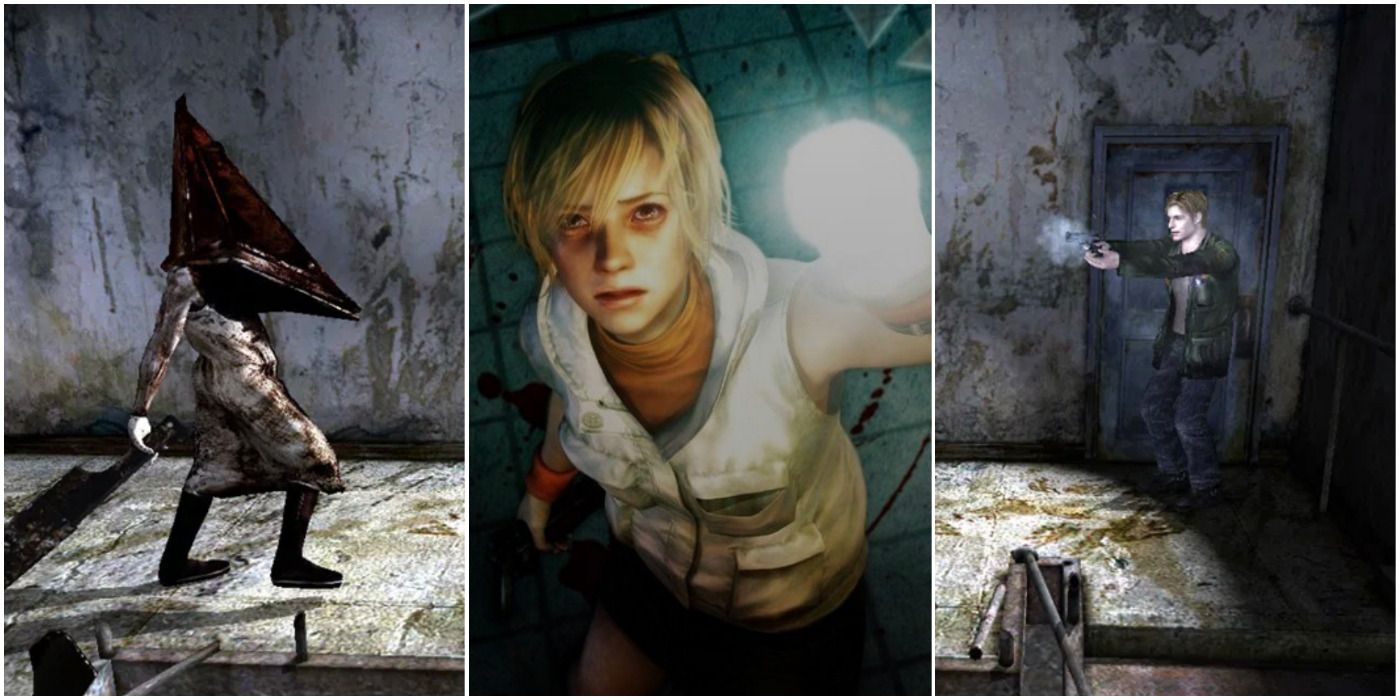
Each protagonist who finds themselves drawn into Silent Hill carries a burden of guilt or unresolved trauma. The town, in its infinite cruelty, doesn’t just present these issues as abstract concepts; it weaponizes them. For James Sunderland in Silent Hill 2, the fog-choked streets and decaying buildings are direct reflections of his overwhelming guilt over his wife Mary’s death and his own suppressed role in it. The iconic “Otherworld,” a nightmarish parallel dimension, is a physical manifestation of this inner torment, populated by creatures that embody his specific psychological wounds. The Pyramid Head, arguably the franchise’s most iconic monster, is a direct embodiment of James’s guilt and his desire for punishment. It’s a visual metaphor for the inescapable nature of his internal suffering.
Similarly, in the original Silent Hill, Harry Mason’s desperate search for his lost daughter Cheryl is amplified by his wife’s recent death and his own potential failings as a parent. The town morphs around his grief and fear, creating environments that mirror his fractured mental state. The monsters encountered are not random aberrations but symbolic representations of his anxieties about losing control, his feelings of helplessness, and his subconscious fears about the dangers lurking in the world. The town’s transformation into a nightmarish labyrinth is a direct consequence of Harry’s desperate, fear-driven quest and his internal struggles to cope with loss.
The Role of Repression and Unconscious Desires
Silent Hill also expertly explores the concept of repressed memories and desires. Characters often find themselves confronted with aspects of themselves that they have actively tried to bury. Heather Mason in Silent Hill 3, while initially seeking answers about her father’s past, is forced to confront the traumatic events she suppressed as a child, including her own connection to the cult that worships the town. The monsters she faces are often warped versions of figures from her past or symbolic representations of her fragmented identity and her struggle for self-acceptance. The town plays with her perception, blurring the lines between reality and hallucination, forcing her to acknowledge truths she would rather ignore.
The game designers deliberately craft environments and creatures that are deeply personal to each protagonist. A character’s phobia might manifest as a terrifying creature, a past mistake might be replayed in a distorted architectural setting, or an unacknowledged desire might be personified by a seductive, yet dangerous, entity. This intricate web of psychological symbolism means that no two playthroughs, or indeed no two characters’ experiences, are ever truly the same, even within the same town. The horror is not universal; it is hyper-individualized, making it all the more potent and unsettling.
The Deeper Meaning of Monsters: Symbolism and Psychological Horror
The creatures that inhabit Silent Hill are not simply plot devices to provide scares; they are the very fabric of the narrative, painstakingly designed to embody the protagonists’ internal struggles. Understanding these monsters is key to understanding the overarching themes of the franchise. Their grotesque forms, their unsettling behaviors, and their very existence are all rooted in psychological symbolism, making them some of the most memorable and disturbing antagonists in gaming history.
Creatures as Embodiments of Internal Conflict

Each monster in Silent Hill is a carefully crafted symbol. The iconic Nurses, often seen in tight, claustrophobic spaces, represent the perceived fragility and perceived sexual desires associated with the female body, often linked to themes of illness and corruption. For James, the Bubble Head Nurse, a grotesque, faceless iteration, symbolizes his detachment from Mary’s illness and his subconscious feelings of helplessness and revulsion. Their jerky movements and unsettling moans are not random; they are designed to evoke a sense of unease and the dehumanization of the afflicted.
The Lying Figure, a creature bound and gagged, often represents characters who are unable to speak their truth, whether due to fear, shame, or societal pressure. For Maria, a character closely tied to James’s perception of Mary, the Lying Figure could represent her own suppressed identity and her inability to escape the shadow of the woman she is meant to be. The abstract and often disturbing forms of these creatures force players to question their own interpretations and to empathize with the internal demons of the characters.
The Power of the Unseen and the Unspoken
Silent Hill excels in its use of atmospheric tension and psychological suggestion, often more so than outright visceral horror. The pervasive fog, the oppressive darkness, and the unsettling sound design are all crucial elements that contribute to the feeling of dread and isolation. This deliberate manipulation of the player’s senses creates a sense of unease that lingers, making the player as vulnerable as the protagonist. The fear of what lies just beyond the edge of perception, or what is lurking in the silence, is often far more terrifying than any direct confrontation.
The games masterfully employ ambiguity, leaving much to the player’s imagination. The true nature of the town, the origins of its power, and the ultimate fates of its inhabitants are often left open to interpretation. This ambiguity invites players to project their own fears and anxieties onto the narrative, making the experience deeply personal and often profoundly disturbing. The silence in “Silent Hill” is as powerful as the screams, carrying the weight of unspoken traumas and unresolved grief.
Beyond the Scare: Themes of Redemption, Acceptance, and the Human Condition
While Silent Hill is undoubtedly a horror franchise, its enduring appeal lies in its willingness to explore profound themes that transcend the genre. It’s a series that grapples with the complexities of human nature, the struggle for redemption, and the often-painful process of accepting oneself and one’s past. The horror serves as a crucible, forcing characters to confront their inner demons and, in some cases, to find a path towards healing or at least a grim form of acceptance.
The Quest for Forgiveness and Self-Acceptance
Many of the narratives within Silent Hill revolve around characters seeking forgiveness, both from others and, more importantly, from themselves. James Sunderland’s journey in Silent Hill 2 is a prime example. He enters the town searching for his deceased wife, but he is truly on a quest for absolution. The town forces him to confront the brutal truth of his actions, and the ending, in its various forms, offers him the possibility of either succumbing to his guilt or beginning the arduous process of accepting his past and moving forward.
Heather Mason’s arc in Silent Hill 3 is about reclaiming her identity and confronting the legacy of her birth. She is forced to grapple with her connection to the cult and the trauma of her childhood, ultimately leading to a confrontation that allows her to assert her own will and reject the fate that was seemingly predetermined for her. The “good” endings often represent a form of self-acceptance, where the protagonist acknowledges their flaws and the pain they have caused, choosing to live with the consequences rather than be consumed by them.
The Nature of Evil and the Fragility of Sanity
Silent Hill challenges conventional notions of good and evil. The monsters are not inherently evil entities from another dimension, but rather manifestations of human sin and suffering. The “evil” in Silent Hill is not an external force, but an internal one, born from the flawed nature of humanity. This makes the horror all the more relatable and disturbing, as it forces players to acknowledge the potential for darkness that exists within themselves and within society.
The series also delves into the fragility of sanity, depicting how trauma and guilt can erode a person’s grip on reality. The blurring lines between the real world and the Otherworld, the unreliable narrators, and the disorienting environments all contribute to the sense that sanity is a precarious state, easily shattered by overwhelming emotional distress. Silent Hill suggests that true horror lies not in external threats, but in the breakdown of the human mind under the weight of its own burdens. It’s a stark reminder of our own vulnerabilities and the internal battles we all face, making its exploration of the human condition profoundly impactful and enduringly relevant.
aViewFromTheCave is a participant in the Amazon Services LLC Associates Program, an affiliate advertising program designed to provide a means for sites to earn advertising fees by advertising and linking to Amazon.com. Amazon, the Amazon logo, AmazonSupply, and the AmazonSupply logo are trademarks of Amazon.com, Inc. or its affiliates. As an Amazon Associate we earn affiliate commissions from qualifying purchases.