
In the landscape of personal finance, the decision to close a credit card account is rarely one to be taken lightly. Whether you are streamlining your wallet, avoiding a high annual fee, or simply moving on to a different financial ecosystem, canceling a card with a major issuer like Chase requires a strategic approach. While the process itself is relatively straightforward, the ripple effects on your credit score, reward balances, and overall financial health demand careful consideration.
Chase is one of the largest credit card issuers in the world, known for its premium “Ultimate Rewards” ecosystem. Because their products are so integrated into the lives of many consumers, “breaking up” with the bank involves more than just a phone call. This guide provides a deep dive into the logistics, the consequences, and the strategic alternatives to canceling your Chase credit card.
1. Pre-Cancellation Audit: Protecting Your Assets
Before you pick up the phone or log into your portal, you must conduct a financial audit of your account. Closing an account prematurely can lead to the permanent loss of earned benefits and a sudden dip in your creditworthiness.
Managing Your Ultimate Rewards Points
The most critical step in canceling a Chase card—particularly a Sapphire or Ink business card—is protecting your Ultimate Rewards (UR) points. Chase typically operates on a “use it or lose it” policy. If you close the account without a plan, those points disappear.
To save your points, you have two primary options:
- Transfer to Another Chase Card: If you have another card that earns Ultimate Rewards (like the Freedom Flex or Freedom Unlimited), you can move your points to that account through the “Combine Points” feature on the Chase website.
- Transfer to Partners: If you are closing your only Chase card, you should transfer your points to travel partners like Hyatt, United, or Southwest before initiating the cancellation. Once the account is closed, your access to these transfer portals is severed.
Clearing the Balance and Pending Transactions
You cannot effectively close a card that has a significant outstanding balance or pending transactions. Ensure that your balance is $0.00. While you can technically close a card with a balance, you will still be responsible for payments and interest, and the lack of an open credit line can negatively skew your credit utilization ratio (discussed below). Additionally, check for any “zombie” subscriptions—automated monthly charges for streaming services or insurance—that might trigger a new balance after the account is closed.
Assessing the Credit Utilization Impact
Your credit score is heavily influenced by your “credit utilization ratio”—the amount of debt you owe relative to your total available credit. When you close a Chase card, your total available credit limit drops. If you carry balances on other cards, your utilization percentage will spike, potentially lowering your credit score. If the Chase card you are closing has a high limit (e.g., $10,000 or $20,000), consider the timing of the cancellation relative to any upcoming loan applications, such as a mortgage or auto loan.
2. The Mechanics of Cancellation: How to Execute the Request
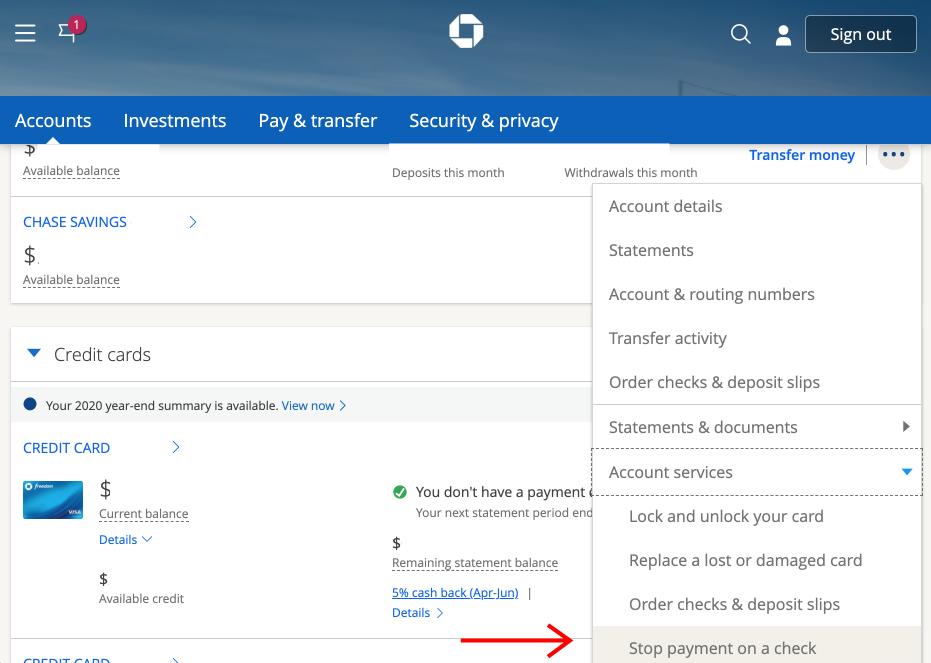
Chase offers multiple channels for closing an account. Each has its own benefits, but the goal remains the same: obtaining a formal confirmation that the account is closed at the “consumer’s request.”
The Traditional Phone Call
The most direct method is calling the customer service number located on the back of your card. When you reach a representative, state clearly that you wish to close your account. Be prepared for the “Retention Department.” Chase representatives are trained to keep customers; they may offer to waive an annual fee or provide bonus points to keep the account open. If your mind is made up, remain firm and polite.
Utilizing the Secure Message Center
For those who prefer a digital paper trail or wish to avoid a high-pressure retention pitch, the Chase Secure Message Center is an effective tool.
- Log in to your Chase online account.
- Navigate to the “Secure Messages” menu.
- Compose a new message selecting “Account Inquiry” and the specific card you wish to close.
- Request the closure in writing.
The benefit of this method is that you have a time-stamped record of your request and the bank’s confirmation.

In-Person Cancellation
While less common in the digital age, you can visit a physical Chase branch to speak with a personal banker. This is often the best route for business owners who have multiple accounts or complex financial ties to the bank. A banker can help ensure that all linked accounts and “Overdraft Protection” features are redirected appropriately before the card is decommissioned.
3. Strategic Alternatives: The “Downgrade” Strategy
Before finalizing a cancellation, professional financial planners often suggest a “Product Change” or “Downgrade.” This allows you to eliminate the pain point (usually an annual fee) without damaging your credit history.
The Power of the Product Change
If the primary reason for canceling is a $95 or $550 annual fee, you don’t necessarily have to close the account. You can request to “downgrade” your Sapphire Preferred or Sapphire Reserve to a “no-annual-fee” card like the Chase Freedom Unlimited.
- Pros: You keep your credit line open (helping your utilization ratio), you maintain the “age” of the account (helping your length of credit history), and you don’t lose your points.
- Cons: You generally cannot earn a “Sign-up Bonus” (SUB) for the new card because you are changing an existing product rather than opening a new one.
Assessing Retention Offers
Sometimes, simply initiating the cancellation process triggers a retention offer. Chase may offer a statement credit that covers the cost of the annual fee or a “spend challenge” where you receive bonus points for spending a certain amount over the next 90 days. If the offer outweighs the cost of keeping the card, it may be financially prudent to delay the cancellation for another year.
Managing Credit Limit Shifts
If you have multiple Chase cards, you can ask the representative to “move” your credit limit from the card you are closing to a card you are keeping. For example, if you are closing a Sapphire card with a $15,000 limit and you have a Freedom card with a $5,000 limit, you can request to move $14,500 of that limit to the Freedom card before closing the Sapphire. This preserves your total available credit and protects your credit score from a utilization spike.
4. The Aftermath: Credit Scores and Card Disposal
Once the account is officially closed, your work is not quite finished. You must manage the physical security of the card and monitor your credit report to ensure the closure was recorded accurately.
The Impact on Credit Age
A common myth is that closing a card immediately removes its age from your credit score. In reality, a card closed in good standing will remain on your FICO credit report for ten years. It will continue to contribute to your “average age of accounts” during that decade. However, once that ten-year window closes, the account will drop off, which could lead to a sudden decrease in the age of your credit profile. This is why many financial experts recommend keeping your oldest accounts open, even if they are rarely used.
Disposing of Metal Cards
Many of Chase’s premium cards, such as the Sapphire Reserve and the Amazon Prime Rewards Visa, are made of metal. These cannot be destroyed with standard household scissors and can damage a home shredder. To properly dispose of these, you can:
- Mail them back: Chase often provides a prepaid envelope for metal card disposal upon request.
- Drop them at a branch: Any Chase branch can securely dispose of a metal card for you.
- Use heavy-duty shears: If you have industrial-grade tools, you can cut the card, but ensure the chip and magnetic strip are thoroughly destroyed to prevent identity theft.
Final Verification and Credit Monitoring
Approximately 30 to 60 days after cancellation, check your credit report (via services like Experian, Equifax, or TransUnion). Ensure the account status is listed as “Closed at Consumer’s Request.” If it says “Closed by Grantor,” it could imply the bank revoked your credit, which looks less favorable to future lenders. If there is an error, you should file a dispute with the credit bureaus and provide your confirmation message from Chase as evidence.

Conclusion: Financial Health Beyond the Card
Canceling a Chase credit card is a significant move in your personal finance journey. While it can be a liberating step toward simplifying your financial life or avoiding unnecessary fees, it must be executed with precision. By auditing your points, considering a downgrade, and managing your credit utilization, you ensure that your exit from the Chase ecosystem is as profitable and painless as possible.
Remember that credit cards are tools. When a tool no longer serves your financial goals—whether those goals involve aggressive debt reduction, maximizing travel rewards, or simply reducing your mental load—it is okay to set it aside. As long as you follow the strategic steps outlined above, you can close your account with the confidence that your financial foundation remains secure.
aViewFromTheCave is a participant in the Amazon Services LLC Associates Program, an affiliate advertising program designed to provide a means for sites to earn advertising fees by advertising and linking to Amazon.com. Amazon, the Amazon logo, AmazonSupply, and the AmazonSupply logo are trademarks of Amazon.com, Inc. or its affiliates. As an Amazon Associate we earn affiliate commissions from qualifying purchases.