
In the landscape of modern technology, few innovations have been as transformative as the lithium-ion (Li-ion) battery. Since their commercialization in the early 1990s, these rechargeable power cells have evolved from niche components in high-end electronics to the literal backbone of the portable world. Their high energy density, low self-discharge rates, and lack of “memory effect” have made them the preferred choice for engineers and designers across a staggering array of industries.
As we move deeper into an era defined by mobility, connectivity, and renewable energy, understanding exactly what uses lithium-ion batteries—and why—reveals the intricate ways technology facilitates our daily lives. From the pocket-sized gadgets we check every morning to the massive grids stabilizing our electricity, Li-ion technology is the silent engine of the 21st century.
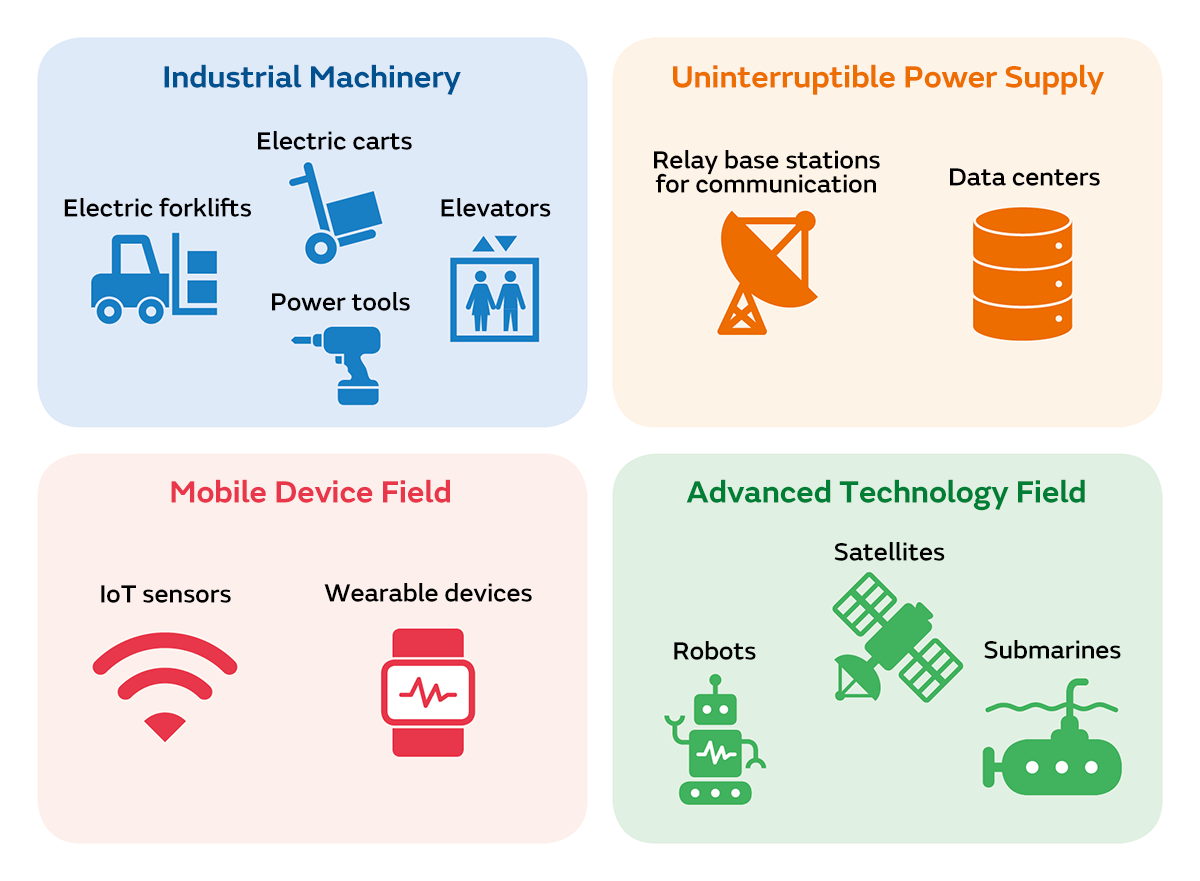
Consumer Electronics: The Foundation of Modern Mobility
The most visible application of lithium-ion technology is undoubtedly in consumer electronics. The revolution in personal computing and communication was only made possible because battery technology finally caught up with the power demands of high-performance microprocessors and vibrant displays.
Smartphones and Tablets
Every modern smartphone, from the latest iPhone to high-end Android flagship devices, relies on a lithium-ion or lithium-polymer battery. The primary reason is the energy-to-weight ratio. Consumers demand devices that are thin and lightweight yet capable of lasting an entire day under heavy use—streaming video, processing AI tasks, and maintaining 5G connectivity. Lithium-ion batteries provide the high voltage necessary to power these intensive components while maintaining a compact physical footprint.
Laptops and Portable Computing
Before the dominance of Li-ion, laptops were bulky “luggables” with short runtimes. Today’s ultrabooks and high-performance gaming laptops utilize multi-cell lithium-ion packs that offer high discharge rates for intensive CPU and GPU tasks. These batteries allow for thousands of charge cycles, ensuring that a professional workstation remains portable for years without a significant loss in capacity.
Wearable Tech and Personal Gadgets
The rise of the “Internet of Things” (IoT) has seen lithium-ion batteries shrunk down to microscopic sizes. Smartwatches, fitness trackers, and wireless earbuds (like AirPods) use tiny, custom-shaped Li-ion cells. These applications require sophisticated battery management systems (BMS) to ensure safety and longevity in devices that are frequently exposed to body heat and moisture.
The Electric Vehicle Revolution: Driving Towards Sustainability
While consumer electronics introduced us to lithium-ion, the automotive industry has scaled the technology to unprecedented heights. The transition from internal combustion engines (ICE) to electric drivetrains is fundamentally a transition to massive, sophisticated lithium-ion battery arrays.
Passenger Electric Vehicles (EVs)
The heart of a Tesla, Rivian, or Lucid is its battery pack—a massive assembly often containing thousands of individual lithium-ion cells. Unlike a phone battery, an EV battery must manage extreme thermal conditions and provide massive bursts of power for acceleration. The technology has evolved to include various chemistries, such as Lithium Nickel Manganese Cobalt (NMC) for high performance and Lithium Iron Phosphate (LFP) for increased safety and longevity in mid-range models.
Micro-mobility: E-bikes and Scooters
The urban landscape has been transformed by e-bikes and electric scooters. These devices use modular lithium-ion packs that can often be removed and charged indoors. For commuters, the high energy density of Li-ion means they can travel 30 to 50 miles on a single charge without the weight of the vehicle becoming unmanageable. This “micro-mobility” tech is a direct beneficiary of the falling costs and increasing efficiency of battery production.
Commercial and Industrial Transport
Beyond personal cars, lithium-ion technology is penetrating heavy industry. Electric buses, delivery vans (like those used by Amazon and FedEx), and even short-haul electric aircraft are utilizing large-scale Li-ion systems. In these tech-heavy applications, the ability to “fast-charge” during driver breaks is a critical feature enabled by advanced lithium chemistry and cooling systems.
Smart Homes and Professional Tools: Domestic Innovation
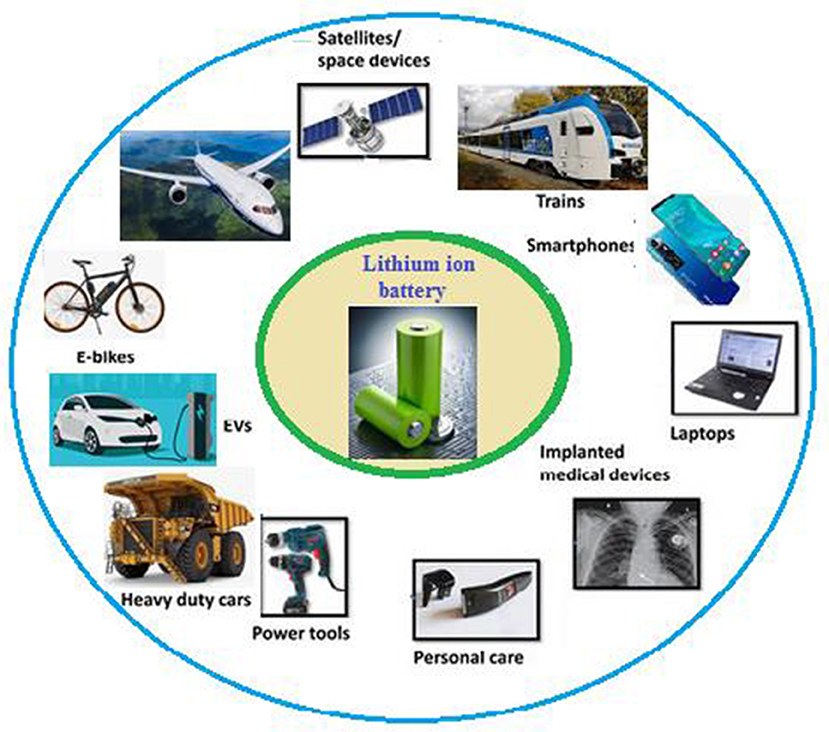
The corded world is rapidly becoming cordless. The convenience of lithium-ion technology has moved into our garages, kitchens, and living rooms, replacing both disposable alkaline batteries and cumbersome power cables.
Cordless Power Tools and Garden Equipment
Professional contractors and DIY enthusiasts have largely abandoned corded drills, saws, and lawnmowers. High-voltage lithium-ion battery platforms (ranging from 18V to 80V) provide the torque and runtime necessary for heavy-duty construction. The “Tech” advantage here is the consistency of power; unlike older battery types, Li-ion tools don’t lose power as the battery drains—they provide full performance until the cell is depleted.
Home Security and Smart Home Ecosystems
Smart doorbells, wireless security cameras (such as Ring or Arlo), and smart locks frequently use rechargeable lithium-ion batteries. This allows for easy installation without the need for professional electrical wiring. Furthermore, robotic vacuum cleaners (like Roombas) use Li-ion cells to navigate complex floor plans for an hour or more before autonomously returning to a dock to recharge.
Home Energy Storage Systems (ESS)
As more homeowners install solar panels, the need to store that energy for nighttime use has grown. Products like the Tesla Powerwall are essentially massive lithium-ion batteries for the home. These systems use sophisticated software to manage the flow of electricity, switching between the grid, solar panels, and the battery to optimize efficiency and provide backup power during outages.
Industrial, Medical, and Specialized Applications
Outside of the consumer gaze, lithium-ion batteries are critical components in specialized fields where failure is not an option and precision is paramount.
Medical Devices and Life-Saving Tech
Lithium-ion batteries are found in a variety of portable medical equipment, including oxygen concentrators, infusion pumps, and portable X-ray machines. More impressively, specialized lithium cells are used in implanted medical devices like pacemakers and neurostimulators. In these cases, the battery’s longevity and stable discharge curve are literally matters of life and death.
Aerospace and Defense
The aerospace industry uses lithium-ion batteries for everything from satellite power systems to emergency power on commercial airliners (like the Boeing 787 Dreamliner). In defense tech, Li-ion powers man-portable communication gear, night-vision goggles, and Unmanned Aerial Vehicles (UAVs or drones). The lightweight nature of the battery is the primary driver here, as every gram saved in weight allows for more fuel, more sensors, or longer flight times.
Remote Sensors and Industrial IoT
In “Smart Factories” and remote environmental monitoring, lithium-ion batteries power sensors that collect data on everything from soil moisture to machine vibration. These batteries are often paired with small solar harvesters, allowing the tech to remain in the field for years without human intervention.
The Future of Li-ion Technology: What’s Next?
The tech world is not standing still. While lithium-ion is the current gold standard, ongoing research and development are pushing the boundaries of what these batteries can do, addressing their current limitations in charging speed, environmental impact, and safety.
Solid-State Advancements
The next major leap in battery technology is the “solid-state” battery. Current Li-ion batteries use a liquid electrolyte, which can be flammable if the battery is damaged. Solid-state tech replaces this with a solid ceramic or polymer material. This tech promises to double the energy density of current batteries, allow for near-instant charging, and significantly reduce the risk of fire—further expanding what can be powered by lithium.
Recycling and the Circular Tech Economy
As the volume of lithium-ion batteries grows, the tech industry is focusing heavily on “Circular Economy” initiatives. Specialized recycling plants are now able to recover up to 95% of the cobalt, nickel, and lithium from old batteries. This recovered material is then fed back into the manufacturing loop, reducing the environmental footprint and ensuring a sustainable supply chain for the next generation of gadgets and vehicles.
Conclusion
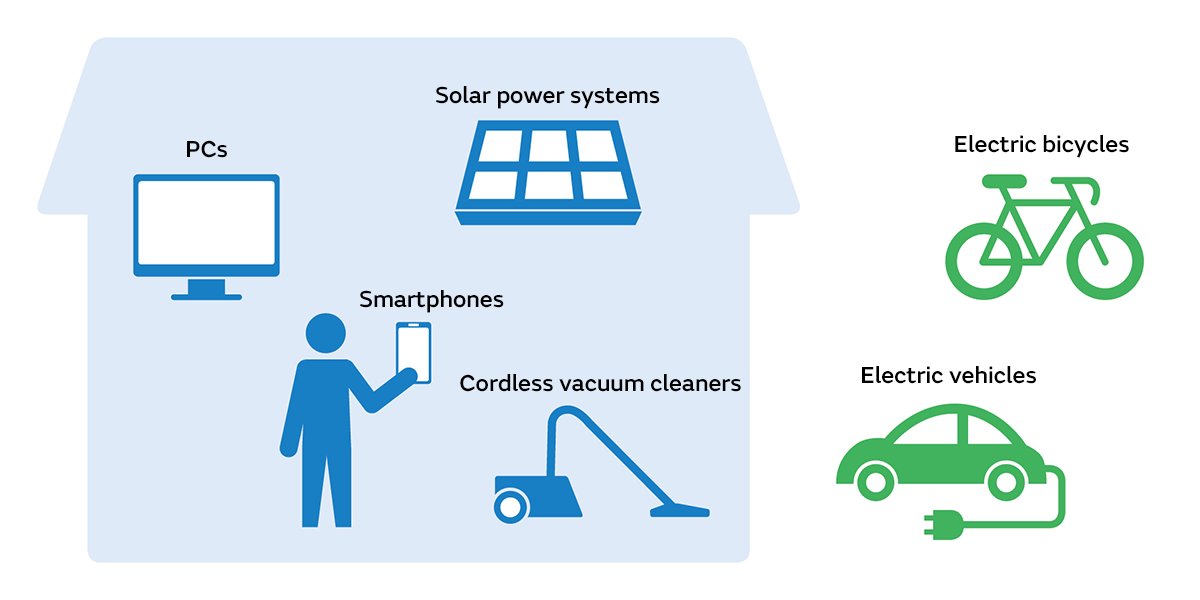
Lithium-ion batteries have evolved from a luxury component into a fundamental utility of the digital age. They are the enabling technology behind the smartphone in your pocket, the electric car in your driveway, and the renewable energy transition at large. As we look forward, the continued refinement of this chemistry will only deepen its integration into our world, powering even more sophisticated AI tools, robotics, and global connectivity solutions. Understanding what uses lithium-ion batteries is, in many ways, understanding the roadmap of modern technological progress itself.
aViewFromTheCave is a participant in the Amazon Services LLC Associates Program, an affiliate advertising program designed to provide a means for sites to earn advertising fees by advertising and linking to Amazon.com. Amazon, the Amazon logo, AmazonSupply, and the AmazonSupply logo are trademarks of Amazon.com, Inc. or its affiliates. As an Amazon Associate we earn affiliate commissions from qualifying purchases.