
The question “what types of Christian are there?” is far more nuanced than a simple checklist. While the core tenets of Christianity – belief in Jesus Christ as the Son of God and savior – bind believers together, the expression and understanding of this faith manifest in a rich tapestry of traditions, denominations, and personal convictions. In an era where information is at our fingertips and communities can form across digital divides, understanding this diversity is not just intellectually stimulating; it’s essential for fostering genuine connection and informed dialogue. This exploration will delve into the multifaceted nature of Christian identity, not by neatly categorizing individuals, but by examining the broad strokes of tradition, the impact of modern influences, and how the digital landscape itself shapes our understanding and practice of faith.
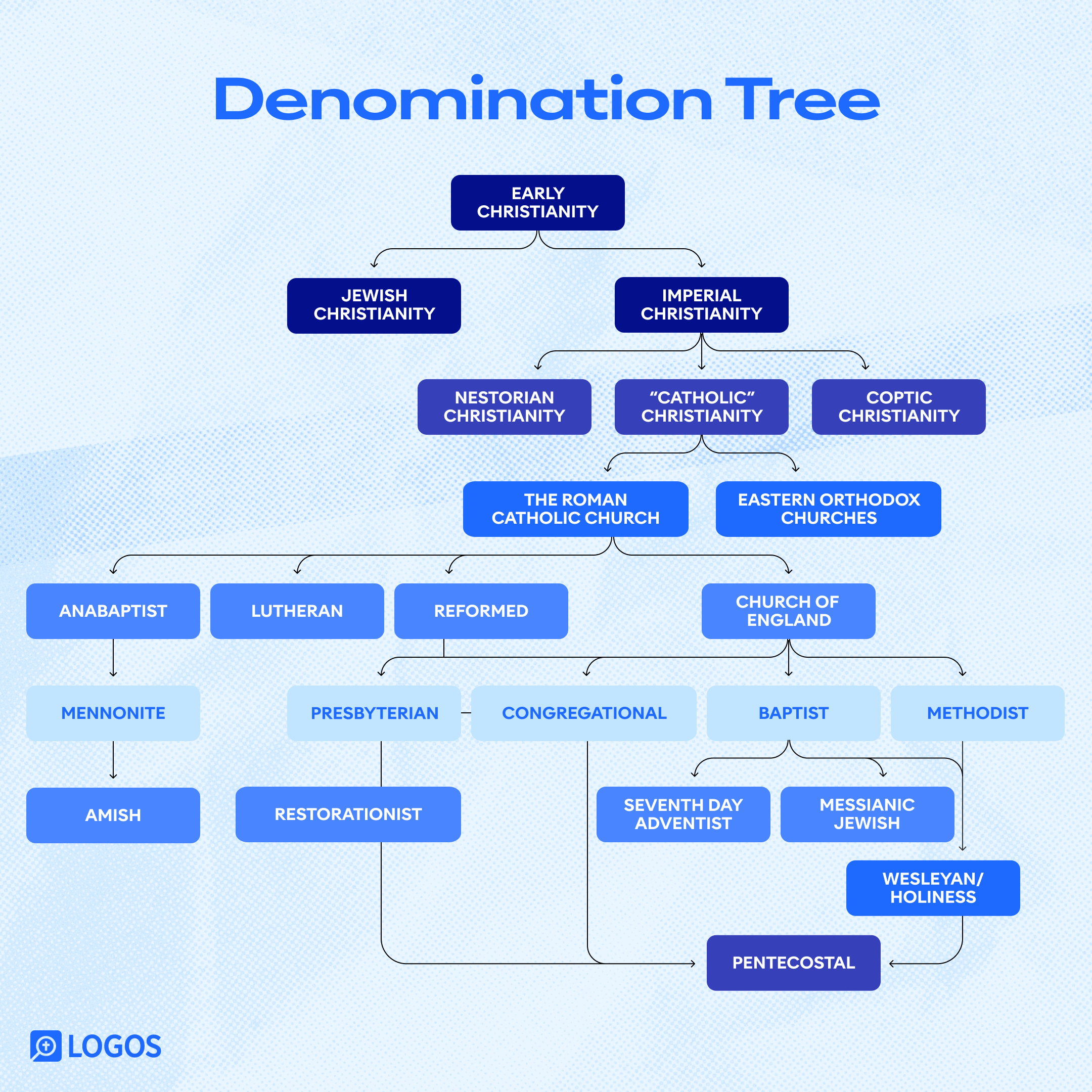
The Pillars of Tradition: Denominational Diversity and Historical Roots
Historically, the Christian Church has evolved through significant schisms and reformations, leading to the major branches we recognize today. These divisions, while sometimes stemming from theological disputes, have also shaped distinct cultural expressions, worship styles, and organizational structures. Understanding these broad categories provides a foundational framework for appreciating the diversity within Christianity.
The Catholic Tradition: Unity, Sacraments, and Global Reach
The Roman Catholic Church, with its direct lineage tracing back to the Apostles, represents the largest Christian denomination globally. Its identity is strongly rooted in its hierarchical structure, headed by the Pope, and its emphasis on the sacraments as channels of God’s grace. Key elements of Catholic identity include:
- Sacramental Life: The seven sacraments – Baptism, Confirmation, Eucharist, Penance, Anointing of the Sick, Holy Orders, and Matrimony – are central to Catholic spiritual practice. The Eucharist, in particular, is seen as the real presence of Christ’s body and blood.
- Magisterium and Tradition: The Church’s teachings, guided by the Magisterium (the teaching authority of the Pope and bishops), are interpreted in light of both Scripture and Sacred Tradition. This provides a consistent doctrinal framework across the global Church.
- Devotion to Saints and Mary: Catholics venerate saints and especially the Virgin Mary, seeing them as intercessors and models of Christian living.
- Global Presence: The Catholic Church’s vast missionary efforts have established a presence in virtually every country, leading to a vibrant diversity of cultural expressions within its universal doctrines.
The Orthodox Tradition: Ancient Worship and Mystical Experience
The Eastern Orthodox Church, having separated from the Western Church in the Great Schism of 1054, shares a deep historical and theological heritage. Orthodox Christianity is characterized by:
- Emphasis on Mystery and Liturgy: Worship is highly liturgical and steeped in ancient tradition, emphasizing the mystical experience of God. The Divine Liturgy is a central element of Orthodox life.
- Conciliar Governance: Unlike the centralized authority of the Catholic Church, Orthodox Churches are organized autocephalously (self-governing) under patriarchs and synods, emphasizing conciliar decision-making.
- Iconography: Icons are not merely decorations but are considered “windows into heaven,” playing a vital role in Orthodox theology and worship, aiding in prayer and contemplation.
- Theosis (Deification): A core theological concept is the idea of “theosis,” the process by which believers are united with God and transformed into His likeness through divine grace.
The Protestant Reformation and its Descendants: Scripture, Grace, and Diverse Expressions
The Protestant Reformation of the 16th century, initiated by figures like Martin Luther, John Calvin, and Ulrich Zwingli, marked a significant divergence from Catholic and Orthodox traditions. The Reformation emphasized:
- Sola Scriptura (Scripture Alone): The Bible is considered the ultimate authority for faith and practice, superseding Church tradition or papal pronouncements.
- Sola Gratia (Grace Alone) and Sola Fide (Faith Alone): Salvation is understood as a gift of God’s grace, received solely through faith in Jesus Christ, not through good works or sacramental rituals.
- Priesthood of All Believers: All baptized Christians have direct access to God through Christ, without the need for priestly intermediaries.
These core principles have given rise to a vast array of Protestant denominations, each with its unique theological emphases, worship styles, and organizational structures. Some of the major branches include:
Mainline Protestant Denominations: Historical Roots and Social Engagement
Historically established Protestant traditions like the Lutheran, Methodist, Presbyterian, and United Church of Christ churches often have a significant historical presence and a strong emphasis on social justice and ecumenical engagement. While their theological interpretations can vary, they generally maintain a more structured organizational framework and often engage in broader societal issues.

Evangelical and Pentecostal Movements: Experiential Faith and Evangelism
The broader Evangelical movement, which gained significant momentum in the 20th century, often emphasizes a personal conversion experience, the authority of Scripture, and active evangelism. Within this, Pentecostal and Charismatic movements further distinguish themselves through:
- Emphasis on Spiritual Gifts: A central belief is the continuation of spiritual gifts mentioned in the New Testament, such as speaking in tongues, divine healing, and prophecy, often experienced in vibrant and expressive worship services.
- Direct Experience of the Holy Spirit: A strong emphasis is placed on the personal, direct experience of the Holy Spirit in the life of the believer, leading to a dynamic and often emotive form of worship.
Technology’s Influence: Shaping Faith in the Digital Age
The internet and digital technologies have profoundly impacted how Christians understand, practice, and share their faith. What was once primarily confined to physical congregations and printed materials now exists in a dynamic, interconnected digital space. This influence can be seen across various aspects of faith and life.
Digital Discipleship and Online Communities
The concept of “discipleship” – the process of learning and growing in faith – has been dramatically reshaped by technology. Online platforms offer unprecedented opportunities for:
- Biblical Study and Theological Learning: Websites, apps, and online courses provide access to a wealth of biblical commentaries, theological resources, and digital Bibles. Platforms like Coursera, edX, and even dedicated Christian education sites offer structured learning opportunities for believers of all levels.
- Virtual Worship and Prayer Groups: During times of physical separation, or for individuals with limited mobility, online services and virtual prayer meetings have become indispensable. Livestreamed services allow people to participate in worship from afar, fostering a sense of connection.
- Global Christian Networks: Social media and forums enable Christians from different continents to connect, share their experiences, and offer mutual support. This breaks down geographical barriers and fosters a more global understanding of the Christian family.
- AI in Faith Exploration: Emerging AI tools can assist in biblical translation, sermon preparation, and even generate reflective questions for personal study. While not replacing human interaction or spiritual guidance, these tools can augment the learning process.
Personal Branding and the Christian Voice Online
In the realm of personal and corporate branding, Christians are increasingly using digital platforms to articulate their faith and values. This can manifest in:
- Christian Content Creation: Bloggers, YouTubers, podcasters, and social media influencers share their perspectives on faith, life, and current events, often blending their beliefs with practical advice. This creates a new wave of Christian thought leadership and community building.
- Advocacy and Social Justice: Digital platforms are powerful tools for Christian organizations and individuals to raise awareness and advocate for social justice issues, aligning with the historical Christian imperative to care for the marginalized.
- Navigating Online Reputation: For ministries, churches, and Christian businesses, managing their online reputation is crucial. Positive engagement, transparency, and a consistent brand message are key in building trust within both secular and faith-based communities.
- Digital Security for Faith-Based Organizations: As more ministry operations move online, ensuring the digital security of sensitive data and member information becomes paramount. This includes protecting against cyber threats and maintaining the integrity of online platforms.
The Economic Landscape of Faith in the Digital Age
The intersection of faith and finance is also being reconfigured by technology, influencing how individuals manage their personal finances and how ministries operate.
- Online Giving and Financial Transparency: Churches and faith-based organizations are increasingly adopting online giving platforms, making it easier for congregants to contribute and offering greater transparency in financial management.
- Financial Literacy and Discipleship: Many Christian resources now focus on integrating faith with financial wisdom, offering guidance on budgeting, debt management, and responsible investing. This acknowledges that stewardship extends to material resources.
- Entrepreneurship and “Side Hustles” with a Faith Framework: The rise of the gig economy and online entrepreneurship has led to Christians exploring “side hustles” and innovative business models, often seeking to integrate their ethical and faith-based values into their work.
- The Role of Financial Tools: As individuals and organizations navigate the digital economy, faith communities can leverage various financial tools and software for better budgeting, accounting, and investment management, reinforcing principles of wise stewardship.

Beyond Categorization: The Dynamic Nature of Christian Identity
Ultimately, attempting to rigidly categorize “types of Christian” risks oversimplification. While denominations and traditions offer important frameworks, individual faith journeys are unique and dynamic. Many Christians identify with broader streams of thought while holding personal convictions that may not fit neatly into predefined boxes. Furthermore, the influences of technology, personal experiences, and evolving cultural contexts mean that Christian identity is not static but is continually being shaped and expressed in new ways.
The question “what types of Christian are there?” is best answered not by creating silos, but by appreciating the vast and vibrant spectrum of belief, practice, and expression that characterizes Christianity today. It’s about recognizing the shared core of faith while celebrating the diverse paths taken in its pursuit, especially in our increasingly interconnected and technologically advanced world. Understanding this diversity fosters greater empathy, encourages deeper engagement, and ultimately strengthens the body of Christ in its multifaceted witness to the world.
aViewFromTheCave is a participant in the Amazon Services LLC Associates Program, an affiliate advertising program designed to provide a means for sites to earn advertising fees by advertising and linking to Amazon.com. Amazon, the Amazon logo, AmazonSupply, and the AmazonSupply logo are trademarks of Amazon.com, Inc. or its affiliates. As an Amazon Associate we earn affiliate commissions from qualifying purchases.