
The question “what TV station is PBS?” might seem straightforward, yet its answer unveils a profound and uniquely complex brand identity in the broadcasting landscape. Unlike commercial networks, which typically operate as a singular entity with owned-and-operated stations or tightly controlled affiliates, PBS (Public Broadcasting Service) represents a federated brand model. It is not a single “station” in the traditional sense, but rather a national organization that curates and distributes programming to hundreds of independently owned and operated non-commercial public television stations across the United States. This distributed structure, coupled with its distinct mission and funding model, defines PBS’s powerful and enduring brand—one built on trust, education, and public service rather than commercial imperatives. To truly understand PBS is to grasp the intricacies of its corporate identity, its strategic positioning, and the unparalleled legacy it has forged in American media.

The Distributed Brand Model: A Federation, Not a Network
At the heart of PBS’s unique brand lies its unconventional operational structure. While it functions as a central hub for content, it eschews the top-down corporate hierarchy typical of major commercial broadcasters. This fundamental difference is crucial to understanding why PBS’s brand resonates so differently.
Local Roots, National Reach: The Affiliate Structure
PBS operates as a private, non-profit organization that serves as a program distributor to its member stations. These stations, numbering over 330 across the U.S. and its territories, are individual entities—often licensed to universities, community organizations, or state authorities. Each member station makes independent decisions about which PBS programs to broadcast, when to air them, and how to integrate them with locally produced content. This autonomy means that while viewers might tune into “PBS,” they are, in fact, tuning into their local public television station, which carries PBS branding and programming. The genius of this model is its ability to combine the strength of a nationally recognized brand with the invaluable community connection provided by local stations. This approach allows the PBS brand to adapt and remain relevant in diverse geographic and demographic contexts, fostering a sense of local ownership and pride that commercial networks often struggle to replicate.
Distinguishing PBS from Commercial Networks
The distinction between PBS and its commercial counterparts—such as ABC, CBS, NBC, or Fox—is more than just about advertising. Commercial networks are primarily driven by ratings and advertising revenue, necessitating a centralized command structure to ensure consistent messaging and audience delivery to advertisers. Their affiliates are contractually bound to carry a significant portion of network programming and adhere to network-dictated schedules. PBS, conversely, is a service provider to its member stations. Its revenue model is built on government funding (via the Corporation for Public Broadcasting), corporate underwriting, foundation grants, and, crucially, direct viewer support. This allows the PBS brand to prioritize educational, cultural, and public affairs programming that might not attract a mass commercial audience but serves a vital public interest. This strategic choice in its corporate identity allows PBS to cultivate a brand image of integrity, intellectual depth, and community stewardship, positioning it distinctly apart from the entertainment-first agenda of commercial broadcasting.
Crafting a Brand Legacy: PBS’s Mission-Driven Identity
PBS’s brand is not merely a logo or a collection of popular shows; it is a deeply embedded identity forged by a clear, unwavering mission. Since its inception in 1969, the organization has strategically built a brand narrative around core values that prioritize societal betterment over profit, establishing a legacy of trust and quality.
Pillars of Purpose: Education, Enrichment, and Engagement
The brand strategy of PBS is singularly focused on its public service mission: to educate, inspire, and engage. This foundational purpose dictates every aspect of its content strategy and corporate messaging. From groundbreaking children’s programming like Sesame Street that revolutionized early childhood education, to in-depth science explorations in NOVA, historical epics from Ken Burns, and the cultural showcases of Masterpiece, every program serves to fulfill a brand promise of intellectual and cultural enrichment. This isn’t entertainment for entertainment’s sake; it’s entertainment with a higher purpose. This commitment to informational and educational content builds a brand equity rooted in utility and societal value, attracting and retaining a loyal audience who align with these principles. The consistency of this mission across decades has cemented PBS’s reputation as a reliable source of quality content that genuinely contributes to civic discourse and personal growth.
A Brand Built on Trust: The Non-Commercial Imperative
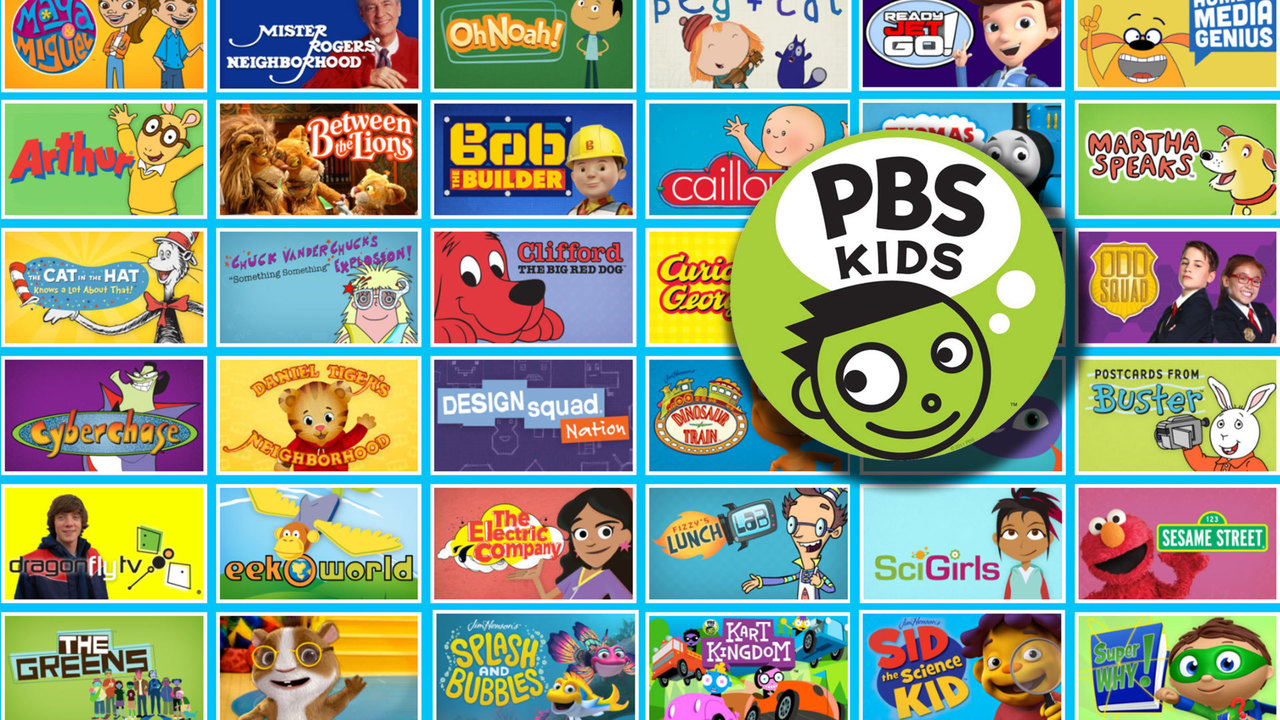
A defining characteristic of the PBS brand, and a key element of its unique value proposition, is its non-commercial nature. While programs may feature brief underwriting credits from corporate sponsors or foundations, the absence of traditional commercial advertising slots fundamentally alters the viewer experience and reinforces the brand’s integrity. This strategic choice sets PBS apart in a media landscape saturated with commercial interruptions and overt marketing. The funding model, which heavily relies on community support through membership drives and individual donations, further strengthens this bond of trust. When viewers contribute to their local public television station, they are not just watching content; they are investing in a shared community resource and reinforcing a brand that they believe in. This “viewer-supported” model creates a powerful sense of ownership and loyalty, positioning PBS not as a remote corporation, but as a vital, shared asset. This strategic differentiation in its business model directly translates into a brand identity synonymous with impartiality, quality, and a commitment to public good.
The PBS Brand in the Digital Age: Evolution and Adaptation
The media landscape has undergone seismic shifts since PBS’s founding. The advent of the internet, streaming services, and mobile devices has challenged traditional broadcasting models. Yet, the PBS brand has not only endured but has strategically adapted, leveraging new technologies to expand its reach while remaining true to its core identity.
Bridging Broadcast and Digital: Expanding Reach and Relevance
Recognizing the evolving habits of media consumption, PBS has made significant strides in extending its brand beyond linear broadcast television. Its digital presence, primarily through PBS.org, offers a vast library of on-demand content, allowing viewers to access their favorite shows anytime, anywhere. The PBS Kids app has become a critical digital gateway for younger audiences, delivering educational content directly to tablets and smartphones, ensuring that the brand’s mission of early childhood education continues to thrive in new formats. Furthermore, the introduction of PBS Passport, a member benefit offering extended access to an even larger library of content, strategically leverages the digital platform to deepen viewer engagement and incentivize financial support. These digital initiatives are not merely technological upgrades; they are deliberate brand extensions designed to meet audiences where they are, ensuring that the PBS brand remains relevant and accessible to new generations while reinforcing its educational mission across diverse platforms.
Maintaining Brand Cohesion Amidst Disruption
Adapting to the digital age presents unique challenges for a federated brand like PBS. The proliferation of platforms, the fragmentation of audiences, and the intense competition from global streaming giants could potentially dilute a brand’s identity. However, PBS has strategically maintained its brand cohesion by consistently applying its core values across all digital touchpoints. The user experience on PBS.org or the PBS Kids app mirrors the quality and thoughtful curation found on its broadcast channels. The visual identity, tone of voice, and content themes remain consistent, reinforcing the overarching PBS brand promise. The challenge lies in empowering individual member stations to also maintain a strong, local digital presence while aligning with the national brand strategy. This delicate balance ensures that the local relevance, a cornerstone of its identity, is preserved even as the brand navigates the complexities of a global digital ecosystem. The success of PBS in this arena speaks to a robust brand strategy that prioritizes mission over trend, allowing it to innovate without losing its distinctive soul.
The Enduring Impact of the PBS Brand: A Cultural Cornerstone
The impact of the PBS brand extends far beyond television screens and digital devices. It has woven itself into the fabric of American culture, shaping generations, fostering civic engagement, and serving as a vital public resource. Its enduring presence underscores the power of a brand built on purpose and public trust.
Iconic Programs as Brand Ambassadors
Over decades, PBS has created a pantheon of iconic programs that serve as powerful ambassadors for its brand. Sesame Street, with its revolutionary approach to early learning, not only became a global phenomenon but also solidified PBS’s commitment to children’s education. NOVA and Nature have brought complex scientific and environmental topics to a broad audience, demystifying the world and inspiring curiosity. Historical documentaries by Ken Burns have redefined non-fiction storytelling, offering profound insights into American history and identity. Masterpiece has introduced American audiences to the finest British drama and literature, cultivating a taste for sophisticated storytelling. These programs, and many others, are more than just shows; they are embodiments of the PBS brand promise—high-quality, enriching, and thought-provoking content that educates and elevates. Their sustained popularity and critical acclaim are testament to the brand’s ability to consistently deliver on its core values, creating a powerful legacy that transcends fleeting trends.

The Public Value Proposition: Why the PBS Brand Matters
The ultimate value proposition of the PBS brand lies in its irreplaceable role as a public trust. In an increasingly polarized and commercially driven media environment, PBS stands as a beacon of objective reporting, nuanced cultural exploration, and unbiased educational content. It provides a platform for voices and stories often overlooked by commercial media, fostering a more informed and engaged citizenry. From early literacy initiatives to in-depth investigative journalism, from celebrating the arts to exploring scientific breakthroughs, the PBS brand continually delivers on its mandate to serve the public interest. Its unique federated model allows for both national impact and local relevance, making it a truly democratic institution. The brand matters because it represents a collective commitment to intellectual growth, cultural understanding, and community building—values that are essential for a healthy society. It is a powerful reminder that not all media is created equal, and that a brand dedicated to public service holds an unparalleled and enduring significance.
In conclusion, “what TV station is PBS?” leads us down a fascinating path to understanding one of America’s most distinctive and impactful brands. PBS is not a single station, but a unique, federated network of independently operated public television stations bound together by a shared mission and a potent national brand. Its corporate identity is defined by its non-commercial imperative, its commitment to education and enrichment, and its strategic adaptation to the digital age while remaining true to its core values. The PBS brand stands as a testament to the power of purpose-driven media, an enduring cultural cornerstone that continues to inform, inspire, and engage audiences across the nation, reaffirming its vital role in the public consciousness.
aViewFromTheCave is a participant in the Amazon Services LLC Associates Program, an affiliate advertising program designed to provide a means for sites to earn advertising fees by advertising and linking to Amazon.com. Amazon, the Amazon logo, AmazonSupply, and the AmazonSupply logo are trademarks of Amazon.com, Inc. or its affiliates. As an Amazon Associate we earn affiliate commissions from qualifying purchases.