
The decision to close a bank account is rarely one made on a whim. Whether you are moving to a region where Chase lacks a physical presence, seeking higher interest rates at a digital-first institution, or consolidating your finances to simplify your life, the process of severing ties with a major financial institution like JPMorgan Chase requires a methodical approach.
Chase is one of the “Big Four” banks in the United States, known for its extensive branch network and robust digital tools. However, as personal finance needs evolve, many consumers find that the fee structures or the low-yield savings rates of traditional mega-banks no longer align with their long-term wealth-building goals. Closing an account isn’t as simple as withdrawing your cash and walking away; it requires a strategic exit to ensure you don’t incur “zombie” fees or disrupt your automated financial life.
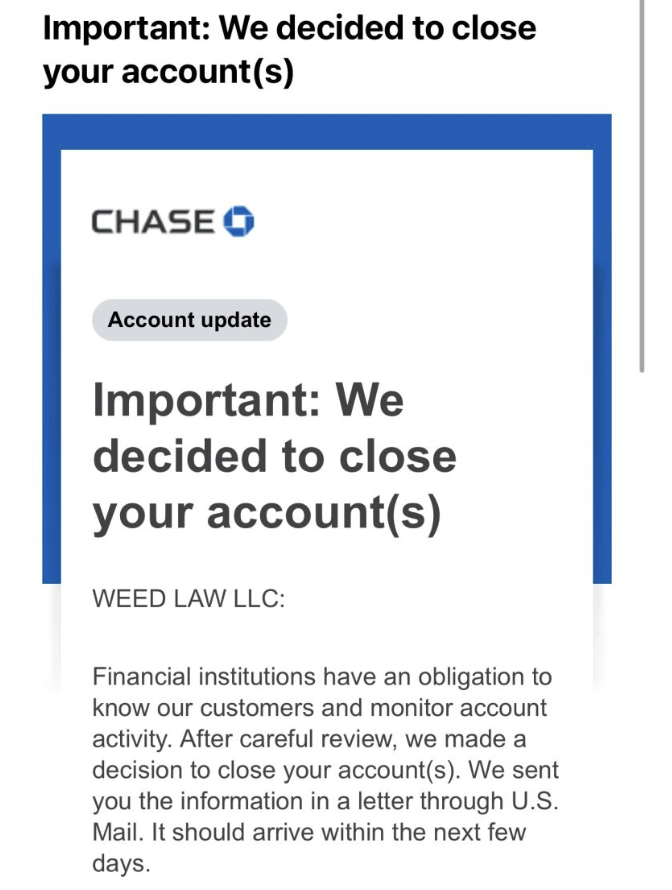
Preparing Your Finances for Account Closure
Before you notify Chase of your intent to leave, you must conduct a thorough audit of your current financial standing. Treating the closure as a project rather than a task will save you from potential headaches involving returned checks or missed utility payments.
Auditing Your Automated Transactions
In the modern banking era, our accounts are often tethered to dozens of external services. To ensure a smooth transition, you should review the last three to six months of bank statements. Look specifically for:
- Direct Deposits: Notify your employer’s payroll department or the Social Security Administration. Be aware that payroll changes can take one to two pay cycles to take effect.
- Automatic Bill Pays: Subscription services (Netflix, Gyms), utilities, and insurance premiums must be migrated to your new account.
- Linked Apps: Digital wallets like Venmo, PayPal, or Cash App, as well as investment platforms like Robinhood or Vanguard, need to be updated with your new routing and account numbers.
Managing the Final Balance
One of the most common mistakes in closing a bank account is draining the balance to zero too early. If a stray “zombie” transaction—an automated payment you forgot to cancel—hits a zero-balance account, Chase may pay the item and charge you an overdraft fee, or reject it and charge a non-sufficient funds (NSF) fee. Furthermore, some Chase accounts require a minimum daily balance to waive monthly service fees. Ensure you leave a small buffer of $50 to $100 until you are ready to make the final, formal request for closure.
Addressing Early Account Closure Fees
It is vital to check the duration for which your account has been open. While Chase is generally transparent with its fee schedules, many large banks charge an “early account closure fee” if the account is shuttered within 90 to 180 days of opening. If you recently opened the account to snag a promotional bonus, ensure you have met the “keep open” requirements to avoid having that bonus clawed back or being hit with a $25–$50 penalty.
The Three Primary Methods to Close Your Chase Account
Once your new account is active and your automated payments have successfully migrated, you have several avenues to finalize the closure with Chase. Each method has its own set of advantages depending on your preference for digital convenience or in-person verification.
Method 1: Closing via the Secure Message Center (Online)
For many, the most convenient way to close a Chase account is through their online banking portal. This method provides a digital paper trail, which is invaluable for your records.
- Log in to the Chase website or mobile app.
- Navigate to the “Secure Message Center.”
- Compose a new message and select “Account Inquiry” as the topic.
- Specify the account you wish to close and state clearly that you want the account shuttered and the remaining balance sent to you via check or transferred to another linked account.
Method 2: Closing Over the Phone
If you prefer a direct conversation, you can contact Chase customer service. This is often the fastest method if you have a zero balance.
- Call 1-800-935-9935.
- Verify your identity using your debit card number or Social Security number.
- Request to speak with a representative regarding account closure.
- Be prepared for a “retention pitch” where the representative may offer to waive fees or suggest a different account tier to keep you as a customer. Politely but firmly decline if your mind is made up.

Method 3: Visiting a Local Branch
For those who value face-to-face interaction, visiting a Chase branch is the most definitive way to close an account.
- Bring a valid government-issued ID and your debit card.
- A personal banker will process the closure immediately.
- The primary benefit of this method is that you can receive your final balance in cash or a cashier’s check on the spot, effectively ending the relationship in a single afternoon.
Post-Closure Safeguards and Security
The process is not truly over once the banker hits “enter” or the customer service agent confirms the closure. There are critical administrative steps to take to ensure your financial identity remains secure and your credit history remains untarnished.
Obtaining Written Confirmation
Never assume an account is closed based on a verbal agreement alone. Request a formal “Account Closure Letter.” This document is your shield if Chase accidentally reports the account as “charged off” or if a merchant attempts to pull funds months later. If you closed the account online, save a PDF of the confirmation message; if you closed it in person, ask for a printed receipt.
Secure Destruction of Physical Materials
Your old Chase debit cards and unused checks are liabilities. Even if the account is closed, the magnetic strips and chips contain sensitive data.
- Debit Cards: Use a high-quality paper shredder that handles plastic, or cut through the chip and the magnetic strip manually.
- Checkbooks: Shred all remaining checks. Do not simply throw them in the trash, as they contain your old account number and routing number, which can be exploited for identity theft.
Monitoring Your Statements for “Re-Opening”
In rare cases, a bank might automatically reopen a closed account if a credit or a pre-authorized deposit is received. This is known as a “forced reopening.” Check your email or physical mail for one month following the closure to ensure no activity has occurred. If you see a statement for a closed account, contact Chase immediately to ensure it is re-sealed.
Evaluating the Next Steps in Your Financial Journey
Closing a Chase account often signals a shift in one’s personal finance philosophy. As you move away from traditional banking, it is important to understand where to re-allocate your capital to maximize growth and minimize costs.
High-Yield Savings Accounts (HYSA) vs. Traditional Savings
One of the primary reasons consumers leave Chase is the interest rate environment. While Chase offers convenience, its savings rates are often near 0.01%. In contrast, online-only banks or fintech platforms often offer rates 400 to 500 times higher. When selecting your next bank, prioritize institutions that offer:
- No monthly maintenance fees.
- Competitive Annual Percentage Yields (APY).
- FDIC insurance to protect your deposits.
The Role of Credit Unions
If you enjoyed the branch experience of Chase but disliked the corporate fee structure, a credit union may be the logical successor. Credit unions are member-owned cooperatives. Because they are not beholden to shareholders, they often provide lower loan rates and higher deposit rates. They provide a community-focused approach to money management that large national banks simply cannot replicate.
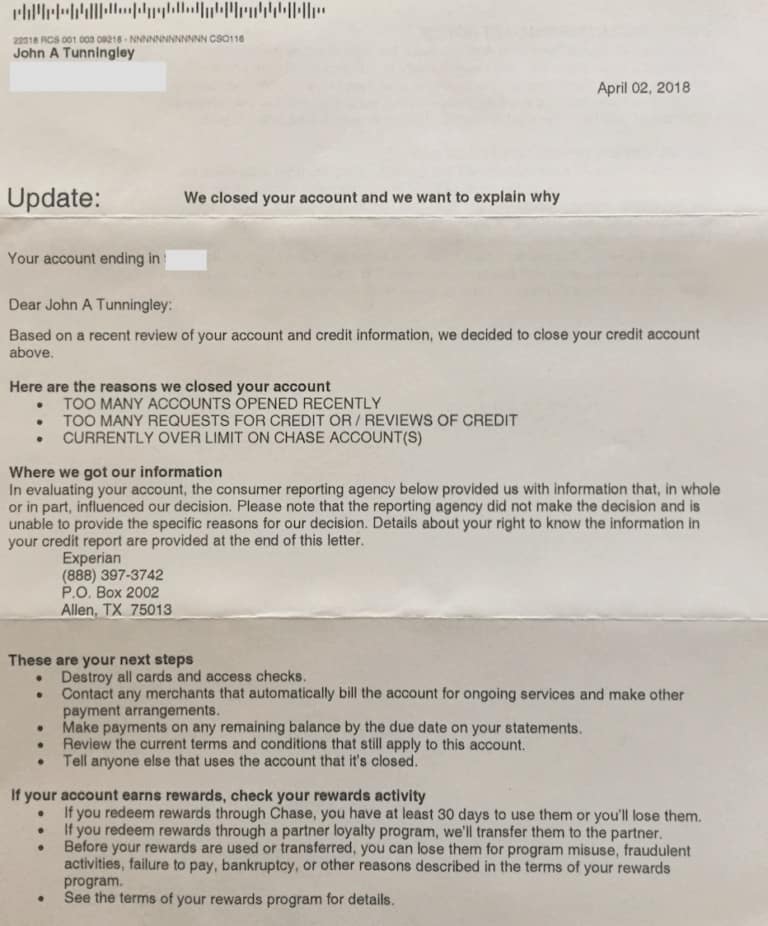
Consolidating for Simplicity
For some, closing a Chase account is about reducing “financial noise.” Managing multiple logins, cards, and statements can lead to oversight. By consolidating your liquid assets into one or two high-performing accounts, you gain a clearer picture of your net worth. This clarity is the foundation of effective budgeting and long-term investment planning.
In conclusion, closing a Chase bank account is a significant financial move that marks a transition in how you manage your wealth. By following a structured process—auditing your transactions, choosing the right closure method, and securing your paper trail—you can move your capital to a more productive environment without the stress of hidden fees or administrative errors. Banking should serve your goals, and if your current institution no longer does, you now have the roadmap to move on professionally and efficiently.
aViewFromTheCave is a participant in the Amazon Services LLC Associates Program, an affiliate advertising program designed to provide a means for sites to earn advertising fees by advertising and linking to Amazon.com. Amazon, the Amazon logo, AmazonSupply, and the AmazonSupply logo are trademarks of Amazon.com, Inc. or its affiliates. As an Amazon Associate we earn affiliate commissions from qualifying purchases.