
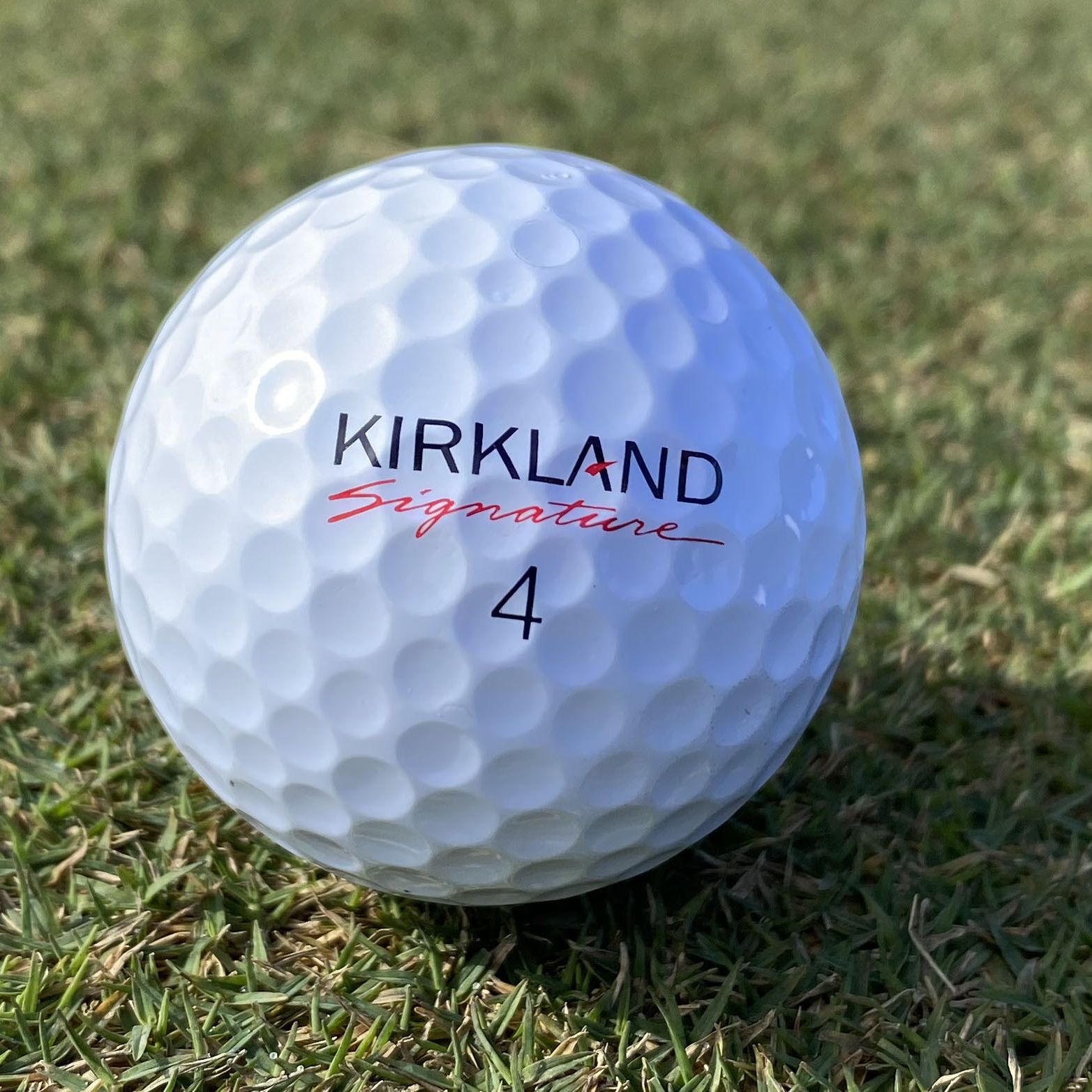
In the world of professional golf, where equipment sponsorships are worth millions and brand loyalty is often passed down through generations, a disruption occurred in 2016 that few saw coming. It didn’t come from a legacy equipment manufacturer like Callaway or Titleist; it came from a big-box wholesaler known more for bulk toilet paper and rotisserie chickens. When Costco released its Kirkland Signature Performance + golf ball, it didn’t just enter the market—it broke it.
The central question that has lingered in clubhouses and online forums ever since is: “Who makes Kirkland golf balls?” While the answer involves a complex web of global manufacturing, the real story lies in the masterclass of brand strategy that Costco has executed. By peeling back the layers of the Kirkland Signature identity, we can understand how a private-label brand managed to challenge the giants of the industry and redefine what “premium” means to the modern consumer.
The Power of the Kirkland Signature Brand Strategy
To understand who makes the golf ball, one must first understand the philosophy of the brand it carries. Kirkland Signature is not a traditional “generic” brand. In the retail world, most private labels are positioned as “budget” alternatives—lower quality at a lower price. Costco’s brand strategy inverted this model. Their goal is to provide a product that is equal to or better than the leading national brand, but at a significantly lower price point.
Private Labeling as a Competitive Advantage
The “Who makes it?” mystery is a deliberate part of the Kirkland allure. Costco does not own factories. Instead, they leverage their massive purchasing power to contract with top-tier manufacturers who already produce industry-leading products. This is known as “white labeling” or “private labeling.”
For the golf ball, this meant finding a manufacturer capable of producing a multi-layer, urethane-covered ball—the gold standard for high-performance golf. By bypassing the traditional marketing budgets, athlete endorsements, and massive sales forces that companies like Acushnet (Titleist) or TaylorMade maintain, Costco can pass those savings directly to the consumer. The brand strategy here is “Value through Obscurity”; the consumer trusts the Kirkland name so much that the identity of the actual manufacturer becomes a secondary, albeit fascinating, detail.
The Psychology of “Good Enough” vs. “Premium”
The Kirkland Signature golf ball succeeded because it tapped into a shift in consumer psychology. For decades, golfers were told that if they wanted performance, they had to pay $50 or more for a dozen balls. Costco challenged the “prestige” pricing model. By offering a ball that performed within 95% of the industry leader at 30% of the cost, they created a new brand tier: the “High-Performance Value” category. This reinforced the Kirkland brand identity as the “smart” choice for the informed consumer, transforming a utilitarian purchase into a badge of pride for the savvy golfer.
Unmasking the Manufacturer: The SM Parker and Nassau Golf Connection
While Costco is notoriously tight-lipped about its suppliers, the paper trail of international trade and patent filings provides a clear picture of the origins of the Kirkland ball. The original 4-piece ball that caused the initial frenzy was manufactured by Nassau Golf Co. Ltd, based in South Korea.
Nassau Golf Co. and the South Korean Connection
Nassau Golf has long been a respected name in the manufacturing world, often operating behind the scenes. They were the Original Equipment Manufacturer (OEM) for several major brands, including TaylorMade. When Costco sought to enter the golf market, they partnered with SM Parker (a sourcing agent) to secure production from Nassau.
The reason the original Kirkland Signature ball performed so similarly to the Titleist Pro V1 was that it utilized a high-quality urethane cover and a sophisticated four-piece construction that Nassau had perfected. This connection was eventually solidified in the eyes of the industry when TaylorMade actually acquired Nassau Golf Co. in 2021. This move was a testament to the quality of the manufacturing facility that Costco had chosen to partner with.
The Impact of the Titleist Legal Dispute on Brand Perception
Nothing validates a brand’s disruptive power quite like a lawsuit from the industry leader. In 2017, Acushnet (the parent company of Titleist) sent a cease-and-desist letter to Costco, claiming patent infringement and false advertising. Titleist argued that Costco’s claims of meeting or exceeding the quality of national brands were unfounded.

From a brand strategy perspective, this was a gift to Costco. The legal battle signaled to the public that the “big players” were scared. It framed the Kirkland ball as the “forbidden fruit” of the golf world—a product so good that the industry giant had to try to sue it out of existence. Costco eventually settled and pivoted to a 3-piece design for its later iterations, but the brand’s reputation as a giant-killer was already cemented.
Disrupting the Golf Industry: A Masterclass in Market Positioning
The success of the Kirkland golf ball is a case study in how to enter a “closed” market. The golf industry is notoriously difficult to penetrate because it relies heavily on “heritage” and “pro validation.” Costco ignored these traditional entry barriers.
Breaking the Price Barrier Without Sacrificing Quality
The most significant brand move Costco made was the price point. By selling two dozen balls for roughly $30, they positioned the Kirkland ball at a price where the consumer felt they had nothing to lose. If the ball was terrible, it was a cheap experiment. If it was great, they had found the deal of a lifetime.
This created a “scarcity” brand effect. In the early days, the balls would sell out within minutes of being posted online. This wasn’t because Costco couldn’t make more, but because the demand-to-price ratio was so skewed that it created a viral loop. People weren’t just buying golf balls; they were joining a movement of golfers who were “beating the system.”
The “Viral” Brand Effect in a Traditional Sport
Golf is often seen as a slow, traditionalist sport. However, the Kirkland ball became a digital phenomenon. YouTube reviewers, golf bloggers, and Reddit communities began running independent tests, comparing the Kirkland ball against the $50 Pro V1.
When the data showed that the Kirkland ball held its own in terms of ball speed and spin rates, the brand achieved “organic authority.” Costco didn’t need to spend a dollar on television commercials during the Masters; the community did the marketing for them. This shift from top-down marketing to peer-to-peer validation is a hallmark of successful modern branding.
Brand Consistency and Future Outlook
As the Kirkland Signature golf ball moves into its third and fourth generations, the brand faces the challenge of maintaining that initial “lightning in a bottle.” The manufacturing has shifted slightly—moving from the original Nassau plants to other factories in China and Vietnam (such as Qingdao TaylorMade Sports Equipment)—but the brand promise remains the same.
Maintaining Quality Control Across Suppliers
One of the risks of the Kirkland model is the loss of consistency when switching manufacturers. Golfers are meticulous about “feel” and “compression.” When Costco moved from the 4-piece ball to the 3-piece V2.0 and V3.0, the brand had to manage expectations carefully.
The strategy was to lean into transparency (through the USGA Conforming Ball List) while maintaining the core value proposition. Even as manufacturing partners change, the “Kirkland Signature” seal of approval acts as a guarantee of quality. This allows Costco to pivot its supply chain to optimize costs without losing the trust of its customer base.
What the Kirkland Success Tells Us About Modern Consumer Loyalty
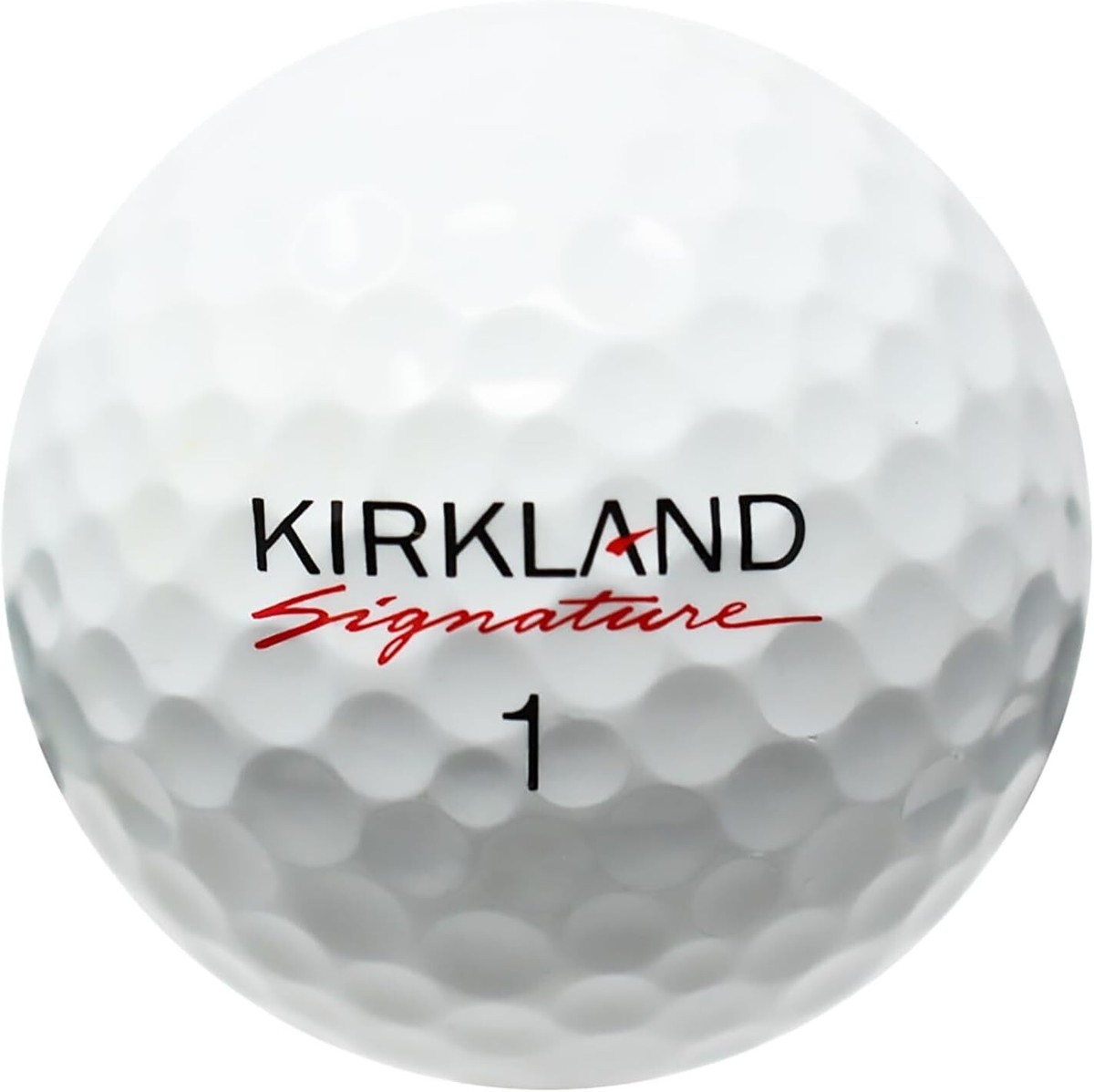
The story of who makes Kirkland golf balls ultimately reveals a profound truth about modern branding: Trust is the ultimate currency. Customers don’t necessarily care which specific factory in South Korea or China produced the ball. They care that Costco stands behind it.
Costco has built such immense brand equity that their “Signature” is more valuable than the specialized heritage of a golf-only company. This represents a shift in consumer loyalty away from specialized manufacturers toward trusted curators. As long as the product performs and the price remains disruptive, the “mystery” of the manufacturer will continue to be a secondary detail to the strength of the Kirkland name.
In conclusion, while the physical manufacturer of Kirkland golf balls has evolved from Nassau Golf to other high-tech facilities in Asia, the “maker” of the brand’s success is Costco’s unwavering commitment to its private-label strategy. They proved that in a market dominated by tradition and high-cost marketing, there is always room for a brand that prioritizes the intersection of performance and value. The Kirkland ball isn’t just a piece of equipment; it’s a reminder that a great brand strategy can make even the smallest white-and-dimpled object a global disruptor.
aViewFromTheCave is a participant in the Amazon Services LLC Associates Program, an affiliate advertising program designed to provide a means for sites to earn advertising fees by advertising and linking to Amazon.com. Amazon, the Amazon logo, AmazonSupply, and the AmazonSupply logo are trademarks of Amazon.com, Inc. or its affiliates. As an Amazon Associate we earn affiliate commissions from qualifying purchases.