
The Atlantic Coast Conference (ACC) is a powerhouse in collegiate athletics, renowned for its competitive spirit across a multitude of sports, from football and basketball to academics and research. For prospective student-athletes, passionate fans, and those simply interested in the collegiate landscape, understanding the member institutions of the ACC is crucial. This article delves into the schools that comprise this prestigious conference, exploring their athletic prowess, academic standing, and the unique characteristics that make each a vital part of the ACC’s identity.
While the initial query might seem straightforward – “what schools are in ACC?” – a deeper dive reveals a rich tapestry of institutions, each with its own storied history, distinct culture, and contributions to the conference. We’ll explore the athletic achievements, academic strengths, and the burgeoning influence of these universities in areas that often intersect with our website’s core topics: Tech, Brand, and Money.
A Glimpse at ACC Member Institutions: More Than Just Athletics
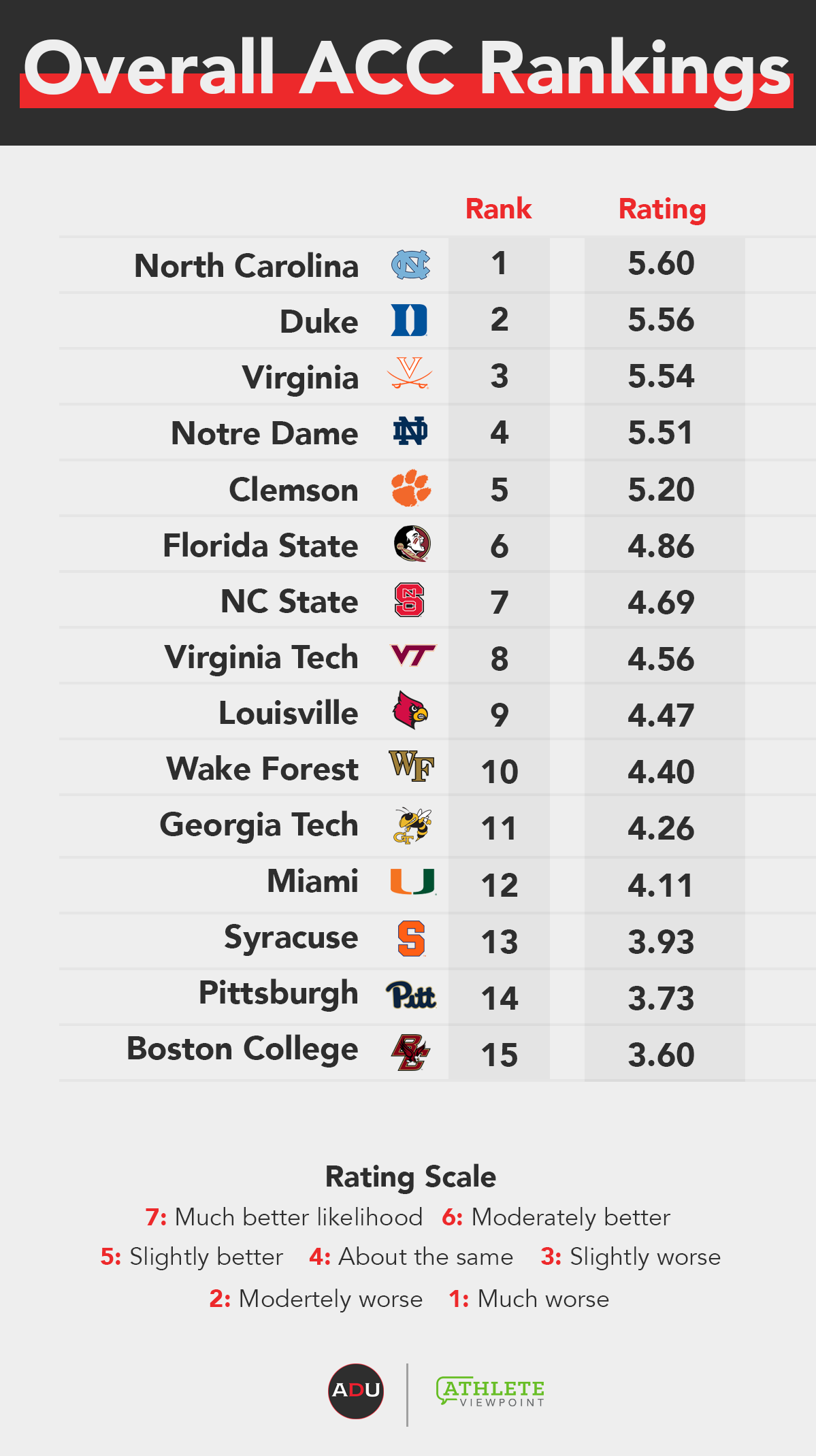
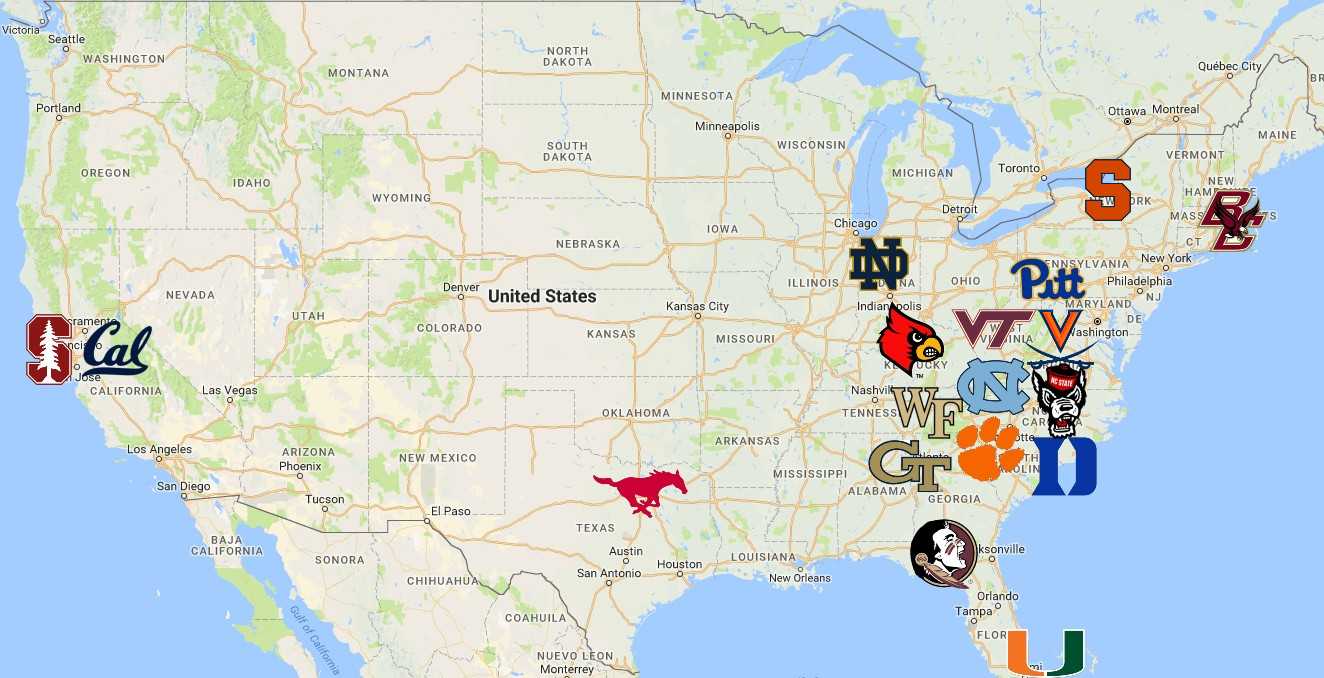
The ACC is currently comprised of fifteen member institutions, spread across nine states in the Eastern United States. These universities are not only athletic giants but also significant hubs of innovation and education. Let’s take a look at the members, often grouped geographically or by historical affiliation, though a simple alphabetical listing provides clarity:
- Boston College (Chestnut Hill, Massachusetts)
- Clemson University (Clemson, South Carolina)
- Duke University (Durham, North Carolina)
- Georgia Institute of Technology (Atlanta, Georgia)
- Florida State University (Tallahassee, Florida)
- University of Louisville (Louisville, Kentucky)
- University of Miami (Coral Gables, Florida)
- University of North Carolina (Chapel Hill, North Carolina)
- North Carolina State University (Raleigh, North Carolina)
- University of Notre Dame (Notre Dame, Indiana) (Football program is an independent member, playing a full ACC schedule for football)
- University of Pittsburgh (Pittsburgh, Pennsylvania)
- Syracuse University (Syracuse, New York)
- University of Virginia (Charlottesville, Virginia)
- Virginia Tech (Blacksburg, Virginia)
- Wake Forest University (Winston-Salem, North Carolina)
This diverse group represents a fascinating blend of public and private institutions, each contributing to the ACC’s vibrant athletic and academic ecosystem.
The Athletic Powerhouses: Championships and Rivalries
The ACC is synonymous with athletic excellence. Its member schools consistently rank among the nation’s best in various NCAA Division I sports. Football and basketball, in particular, are areas where the ACC shines, boasting numerous national championships and iconic rivalries.
Football’s Fiercest Competitors
In football, the ACC has a rich history of success. Teams like Florida State, Clemson, and Miami have all hoisted national championship trophies, and their games against each other, often referred to as “rivalry games,” draw immense attention. The “Championship Game” between the winners of the Atlantic and Coastal Divisions (when divisions were in place) was a highly anticipated event, often determining national championship contenders. The addition of teams like Louisville and Pittsburgh has only intensified the competition, bringing new rivalries and fresh talent to the gridiron.
Basketball’s Blue Bloods
College basketball is arguably where the ACC has cemented its legendary status. Institutions like Duke, North Carolina, and Louisville are considered “blue bloods” of the sport, with decades of Final Four appearances, national championships, and NBA-ready talent. The intense matchups between Duke and North Carolina, known as the “Carolina Classic” or “Tobacco Road rivalry,” are legendary, captivating audiences and showcasing the pinnacle of collegiate basketball. Syracuse and Notre Dame, with their own storied basketball programs, add further depth and competitive fire to the conference.
Beyond the Field: Academic Prowess and Technological Innovation
While athletics often dominate the headlines, it’s crucial to remember that ACC schools are also leading institutions of higher learning. Many of these universities are at the forefront of academic research and innovation, particularly in fields relevant to our website’s focus: Tech.
Tech Trends and Research Hubs
Several ACC institutions are recognized as significant research universities, with strong programs in engineering, computer science, and other technology-driven fields. Georgia Tech, for instance, is a world-renowned leader in engineering and technology, consistently pushing the boundaries of innovation. MIT’s inclusion might be a hypothetical addition for a different conversation, but within the ACC, schools like Georgia Tech, Virginia Tech, and NC State are major players in developing future technologies, artificial intelligence, and cutting-edge software.
- Georgia Institute of Technology: A powerhouse in engineering and computer science, actively involved in AI research, robotics, and advanced computing. Their students and faculty are frequently developing new apps and software solutions.
- Virginia Tech: Known for its strong engineering programs, particularly in areas like cybersecurity and intelligent systems. They contribute significantly to digital security research and the development of practical tech solutions.
- North Carolina State University (NC State): A leader in textiles, engineering, and design, with a growing presence in AI, data science, and software development. They are often involved in developing new productivity tools and exploring emerging gadgetry.
- Duke University: While renowned for its medical school and humanities, Duke also has robust computer science and engineering departments, contributing to AI research and software development.
- University of Virginia: With strong engineering and computer science programs, UVA is actively engaged in research across AI, data analytics, and digital security.
These universities are not just teaching the next generation of technologists; they are actively contributing to the very Tech trends we see shaping our world. From the development of AI tools and apps to advancements in digital security and productivity software, ACC institutions are at the forefront. Their research often influences the direction of the technology industry, and their graduates are highly sought after by tech companies worldwide.
Digital Security and Productivity: A Growing Focus
As the digital landscape expands, so does the importance of Digital Security and Productivity. ACC universities are increasingly focusing on these areas, both in their curriculum and in their research. Students are being trained in cybersecurity best practices, data protection, and the ethical implications of technology. Faculty are developing new methods and tools to enhance digital security and improve individual and organizational productivity. This aligns perfectly with the interests of many in our audience, who are constantly seeking ways to navigate the digital world more effectively and securely.
Branding and Reputation: The Power of the ACC Name
The ACC itself is a powerful brand, recognized globally for its athletic and academic excellence. This Brand recognition extends to its member institutions, imbuing them with a certain prestige and appeal.
Personal and Corporate Identity
For student-athletes, being part of an ACC program offers a significant advantage in building a strong Personal Brand. The visibility and exposure that come with competing in a high-profile conference can open doors to professional opportunities. Similarly, for the universities themselves, their Corporate Identity is intrinsically linked to their ACC membership. The conference’s reputation for excellence enhances the individual brand of each institution, attracting top talent, both academically and athletically.
- Duke University: Its brand is synonymous with academic rigor and basketball dominance.
- North Carolina: Another institution with a deeply ingrained brand of academic excellence and basketball tradition.
- Florida State University: Known for its powerhouse football program and vibrant campus culture, building a strong brand of athletic achievement and school spirit.
- Clemson University: Has successfully built a brand around its passionate fanbase and consistent athletic success, particularly in football.
The marketing and design efforts of these universities, often amplified by their ACC affiliation, play a crucial role in shaping their public perception. Case studies of successful ACC athletic programs and their marketing strategies often serve as benchmarks for other universities and organizations.
Reputation Management in the Digital Age
In today’s interconnected world, Reputation Management is paramount for any institution. ACC schools, like all major organizations, actively engage in managing their online presence, responding to public discourse, and fostering a positive image. The digital platforms where their athletes and students engage, the news cycles surrounding their athletic and academic achievements, and the social media conversations about their brands all contribute to their overall reputation. The ACC’s commitment to academic integrity and sportsmanship further bolsters the reputation of its member institutions.
The Financial Landscape: Investing in Success
The financial aspects of collegiate athletics and higher education are substantial, and the ACC is no exception. Understanding the Money involved provides further insight into the conference’s operations and its impact.
Personal and Business Finance in Collegiate Settings
For student-athletes, the pursuit of an athletic scholarship can be a significant financial decision. While scholarships cover tuition and other educational expenses, managing personal finances during college, even with a scholarship, remains important. This relates to Personal Finance principles, where budgeting, saving, and understanding financial aid are crucial.
For the universities themselves, managing their athletic departments involves complex Business Finance. This includes substantial budgets for coaching staff, facilities, travel, and equipment. Revenue generated from ticket sales, media rights, sponsorships, and merchandise directly impacts their financial health and their ability to compete at the highest level.
Online Income and Side Hustles for Students
While not directly tied to the ACC’s core mission, the increasing prevalence of Online Income and Side Hustles among college students is a relevant trend. Many ACC students, in between their rigorous academic and athletic commitments, are exploring entrepreneurial avenues. This could range from freelance work in tech fields to selling merchandise online. The entrepreneurial spirit fostered within these universities, coupled with the drive to succeed that defines ACC athletes, often translates into innovative approaches to generating income.
- Investing in Talent: ACC universities invest heavily in recruiting and developing top athletic and academic talent. This can be viewed as a long-term investment in their institutional brand and future success.
- Financial Tools for Institutions: Athletic departments utilize sophisticated financial tools to manage budgets, track expenses, and optimize revenue streams, mirroring practices found in the broader business world.
The financial success of ACC athletic programs, often measured in multi-million dollar deals for media rights and sponsorships, underscores the significant economic impact of collegiate sports. This financial strength allows ACC institutions to invest in top-tier facilities, cutting-edge research, and comprehensive support for their student-athletes.

Conclusion: A Multifaceted Conference of Excellence
The question “what schools are in ACC?” opens a door to a rich and complex world of collegiate excellence. Beyond the win-loss records and championship banners, the Atlantic Coast Conference is a dynamic ecosystem of innovation, learning, and branding. The fifteen member institutions represent a formidable force in college athletics, but their contributions extend far beyond the playing field.
From driving Tech advancements and fostering digital security to shaping powerful Brands and managing complex Financial operations, ACC schools are at the forefront of numerous critical sectors. For anyone interested in the intersection of sports, academics, technology, branding, and finance, the Atlantic Coast Conference offers a compelling and ever-evolving landscape to explore. Understanding its member institutions is not just about knowing their names; it’s about appreciating their multifaceted impact on the world of higher education and beyond.
aViewFromTheCave is a participant in the Amazon Services LLC Associates Program, an affiliate advertising program designed to provide a means for sites to earn advertising fees by advertising and linking to Amazon.com. Amazon, the Amazon logo, AmazonSupply, and the AmazonSupply logo are trademarks of Amazon.com, Inc. or its affiliates. As an Amazon Associate we earn affiliate commissions from qualifying purchases.