
The allure of being a millionaire is deeply ingrained in the American Dream. It signifies financial freedom, security, and the ability to pursue one’s aspirations without the constant pressure of scarcity. But as the digital landscape reshapes our economies and influences how we earn and manage wealth, a pertinent question arises: what percentage of the US population actually holds millionaire status? This inquiry isn’t just about a number; it’s a gateway to understanding the broader economic realities, the evolving pathways to wealth accumulation, and the tools and strategies available in today’s interconnected world.
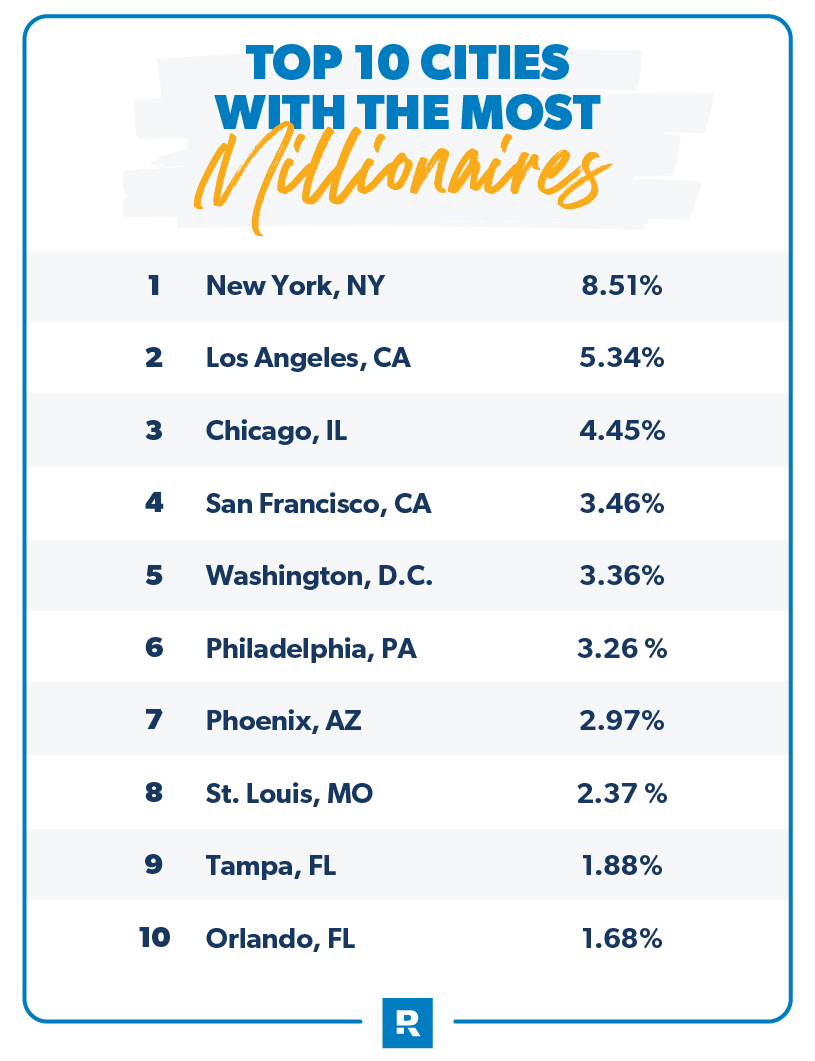
This article delves into the fascinating world of US millionaires, exploring the current statistics, the demographics that define this group, and the significant role that technology and financial savvy play in their journey. Drawing from insights relevant to the tech, brand, and money spheres, we’ll paint a comprehensive picture of wealth in America.
The Evolving Definition of “Millionaire” and Current Statistics
The term “millionaire” itself has a shifting meaning in the context of inflation and the increasing cost of living. Historically, a million dollars was an astronomical sum. Today, while still substantial, it’s a more attainable, though certainly not commonplace, financial milestone. When we talk about millionaires, we’re generally referring to individuals or households with a net worth of $1 million or more, excluding the value of their primary residence.
Pinpointing an exact, universally agreed-upon percentage can be challenging due to varying methodologies and data collection from different financial institutions and research firms. However, most reputable sources indicate that the percentage of US households with a net worth of $1 million or more hovers in the high single digits to low double digits.
For instance, reports from financial giants like Fidelity and Charles Schwab, which often survey their affluent client bases, frequently cite figures suggesting that anywhere from 7% to 10% of American households are considered millionaires. Other analyses, which might cast a wider net or use slightly different definitions, can push this figure closer to 12-15%. It’s crucial to remember that these are snapshots in time, and the numbers can fluctuate based on market performance, economic conditions, and changes in wealth distribution.
Factors Influencing Millionaire Status
Several key factors contribute to an individual’s likelihood of achieving millionaire status:
- Income Levels: Higher earning potential directly correlates with a greater ability to save and invest.
- Savings Rate: Consistently saving a significant portion of one’s income is fundamental.
- Investment Growth: The power of compound interest through strategic investments is paramount.
- Entrepreneurship: Building and selling successful businesses is a common path to significant wealth.
- Inheritance: While not the primary driver for most, inherited wealth plays a role for some.
- Geographic Location: Cost of living and economic opportunities vary by region, impacting net worth.
Demystifying the American Millionaire: Demographics and Trends
Beyond the raw numbers, understanding who these millionaires are provides a richer perspective. While the stereotype of the ultra-wealthy business magnate persists, the reality is far more diverse.
Age and Generational Wealth
Historically, millionaire status was more closely associated with older generations who had more time to accumulate wealth through careers, investments, and the appreciation of assets. However, recent trends indicate a shifting demographic:
- Baby Boomers: This generation still holds a significant portion of wealth due to their longer careers and the appreciation of assets over decades.
- Gen X: This cohort is increasingly entering their prime earning and wealth-building years, with many leveraging their experience and investments to achieve millionaire status.
- Millennials: While often perceived as struggling financially, a growing number of Millennials are becoming millionaires, particularly those who started early in their careers, benefited from tech booms, or are successful entrepreneurs. They are often more inclined towards digital investments and alternative assets.
- Gen Z: It’s still early days for this generation, but a small but growing segment is already demonstrating significant financial acumen, utilizing early career opportunities in high-growth sectors and digital investment platforms.
The Rise of the Tech-Savvy Millionaire
The digital revolution has fundamentally altered the landscape of wealth creation. Technology is no longer just a tool; it’s a catalyst.
The Role of Technology in Wealth Accumulation
- Tech Trends and Innovation: Breakthroughs in AI, software development, and cutting-edge gadgets have created entirely new industries and opportunities for wealth generation. Individuals who are early adopters, innovators, or skilled professionals in these fields have a distinct advantage.
- AI Tools and Productivity: Artificial intelligence is empowering individuals to work smarter, optimize their finances, and identify investment opportunities. AI-powered financial advisors, trading bots, and productivity tools can amplify earning potential and investment returns.
- Apps and Digital Platforms: From personal finance management apps that track spending and budgets to investment platforms that democratize access to stocks, bonds, and cryptocurrencies, technology has made managing and growing money more accessible than ever before.
- Online Income and Side Hustles: The internet has opened up a vast array of online income streams and side hustles. From freelance work and e-commerce to content creation and digital services, individuals can leverage technology to supplement their primary income and accelerate their wealth accumulation.
- Digital Security: As wealth grows, so does the need for robust digital security. Protecting online financial accounts, investments, and personal data from cyber threats is paramount for preserving wealth.
Entrepreneurship and Business Ownership
A substantial portion of millionaires are self-made, having built successful businesses. The digital age has lowered barriers to entry for many entrepreneurial ventures.
Brand Building and Market Presence
- Personal Branding: In the digital era, a strong personal brand can be a significant asset, attracting clients, investors, and opportunities. This is crucial for entrepreneurs, freelancers, and even employees looking to advance their careers.
- Corporate Identity and Marketing: Businesses that effectively build their brand identity and employ savvy marketing strategies are more likely to succeed and generate substantial wealth for their owners and stakeholders. Case studies of successful companies often highlight the importance of a well-defined brand and its impact on market share and profitability.
- Reputation Management: In an era of constant online visibility, maintaining a positive reputation is vital for both individuals and businesses. A tarnished reputation can significantly hinder wealth-building efforts.
Investment Strategies: From Traditional to Digital
The way Americans invest has also evolved, reflecting the broader changes in the economy and technology.
Personal Finance and Investing in the Digital Age
- Diversification: While traditional diversification across stocks, bonds, and real estate remains a cornerstone of wealth management, the digital age has introduced new avenues.
- Cryptocurrencies and Digital Assets: For some, cryptocurrencies and other digital assets have become a significant part of their investment portfolio. While volatile, these assets offer the potential for high returns and are a hallmark of a more modern investment approach.
- Robo-Advisors and Financial Tools: Technology has made sophisticated investment management more accessible. Robo-advisors offer automated, algorithm-driven investment services at lower costs, democratizing access to professional portfolio management. Advanced financial tools help individuals track their net worth, forecast their financial future, and optimize their spending.
- The Rise of the Side Hustle Economy: With the proliferation of online platforms, individuals are increasingly turning to side hustles to supplement their income. These can range from gig economy work to building online stores or offering specialized freelance services. These additional income streams can significantly accelerate savings and investment potential.
- Business Finance and Growth: For those who own businesses, understanding business finance, managing cash flow, seeking investment, and scaling operations are critical to generating significant personal wealth. Digital tools and platforms are increasingly being used to streamline these processes.
Achieving and Maintaining Millionaire Status in the Modern Economy
The path to becoming a millionaire in the 21st century is more multifaceted than ever before. It requires a blend of traditional financial discipline, adaptability to technological advancements, and a strategic approach to both earning and investing.
Key Strategies for Wealth Accumulation
- Continuous Learning and Skill Development: Staying relevant in a rapidly changing job market, especially in tech-driven industries, is crucial for maximizing earning potential.
- Disciplined Saving and Investing: This remains the bedrock of wealth accumulation, regardless of the tools used.
- Smart Debt Management: Utilizing debt strategically (e.g., for business investment or appreciating assets) while avoiding high-interest consumer debt is vital.
- Long-Term Financial Planning: Setting clear financial goals and developing a plan to achieve them, including retirement planning, is essential.
- Leveraging Technology: Embracing digital tools for budgeting, investing, and productivity can significantly enhance one’s financial journey.
- Building a Strong Network: Connections in business and investment can open doors to new opportunities.
The Future of Wealth and the “New” Millionaire
As technology continues its relentless march, the definition and accessibility of millionaire status may continue to evolve. We might see a future where a more significant portion of the population can achieve a comfortable level of financial security, aided by advancements in AI, automation, and decentralized finance. The emphasis will likely shift from simply accumulating a large sum of money to achieving true financial independence and the freedom to pursue meaningful endeavors.
In conclusion, while the exact percentage of US millionaires may fluctuate, the journey to achieving this status is increasingly influenced by our engagement with technology, our ability to build and manage our personal and corporate brands, and our mastery of modern financial principles. By understanding these interconnected factors, individuals can better navigate the complexities of wealth creation in the dynamic landscape of the 21st century.
aViewFromTheCave is a participant in the Amazon Services LLC Associates Program, an affiliate advertising program designed to provide a means for sites to earn advertising fees by advertising and linking to Amazon.com. Amazon, the Amazon logo, AmazonSupply, and the AmazonSupply logo are trademarks of Amazon.com, Inc. or its affiliates. As an Amazon Associate we earn affiliate commissions from qualifying purchases.