
The gleam of silver jewelry, the satisfying weight of sterling silver cutlery, or the intricate details of a sterling silver decorative piece – these are all things that evoke a sense of quality and lasting value. But lurking behind these familiar objects is a question that might not be immediately obvious to the casual observer: what exactly is sterling silver, and what percentage of its composition makes it so? For those interested in the nuances of materials, the world of finance and investment, or even the intricate details of brand perception, understanding the composition of sterling silver offers a fascinating intersection of these domains.
In the realm of Money, understanding material composition is crucial for valuation. For investors in precious metals, knowing the purity of an asset directly impacts its worth. Similarly, in the world of Brand, the perceived quality and authenticity of materials are fundamental to a luxury brand’s identity and customer trust. And for those keen on Tech, while not directly related to physical materials, the concept of purity and composition is mirrored in the discussions around data integrity, AI model accuracy, and the reliability of digital products. So, let’s delve into the heart of what makes silver truly “sterling.”
The Defining Standard: Understanding Sterling Silver’s Composition
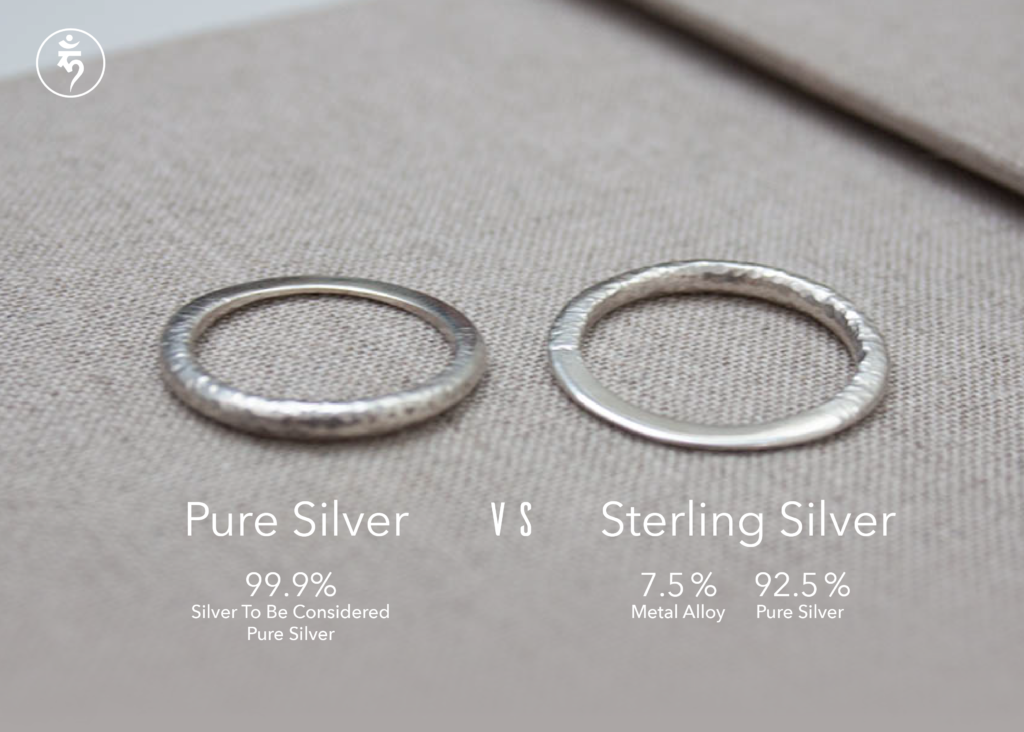
At its core, sterling silver is not pure silver. While pure silver (often referred to as fine silver) is exceptionally soft and prone to damage, making it impractical for everyday use in jewelry or functional items, sterling silver offers a remarkable balance of beauty and durability. This balance is achieved through the careful addition of other metals, most commonly copper.
The Precious 92.5%: The Sterling Silver Benchmark
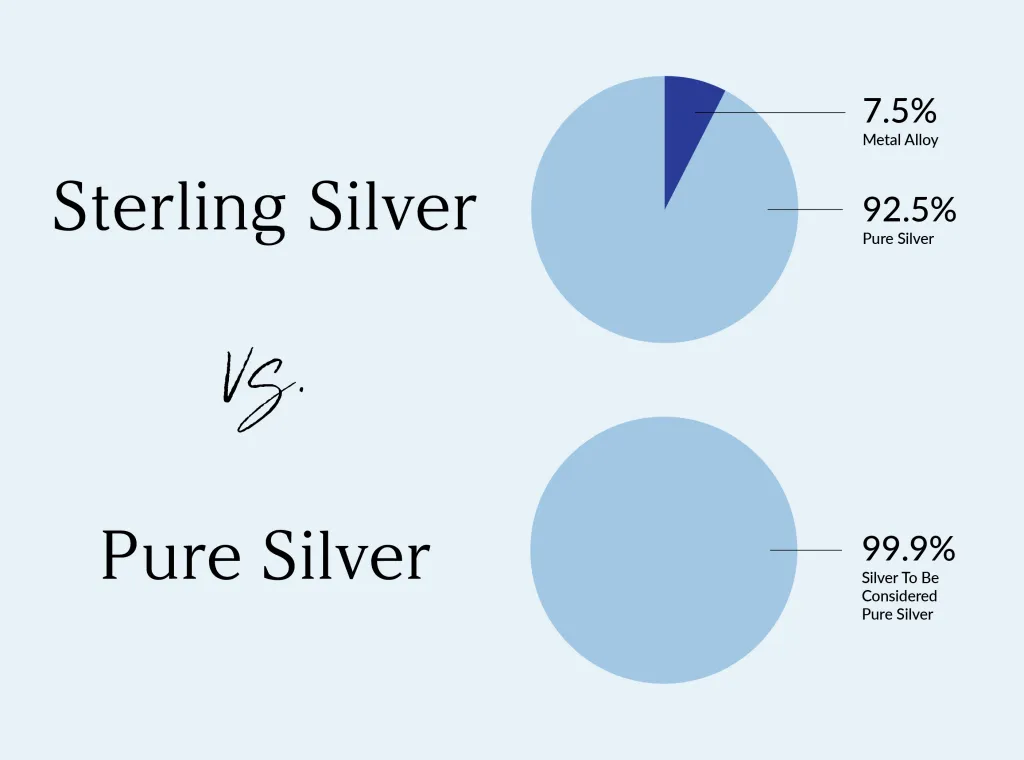
The defining characteristic of sterling silver is its composition: it is an alloy that consists of 92.5% pure silver and 7.5% other metals, typically copper. This 92.5% figure is not arbitrary; it’s a globally recognized standard that signifies a certain level of quality and authenticity. When you see an item marked as “sterling silver” or stamped with “925,” it’s a direct indication that it meets this specific purity threshold.
The 92.5% silver provides the inherent luster and precious metal value that consumers associate with silver. The remaining 7.5% serves a crucial purpose: it strengthens the silver, making it more resistant to dents, scratches, and deformation. Without this alloy, a pure silver bracelet might bend out of shape with a gentle bump, or a silver necklace could easily become tarnished and misshapen. The addition of copper, in particular, is a time-tested method that enhances the metal’s malleability for crafting while also increasing its overall resilience.
Why Not 100% Silver? The Practicality of Alloys
The question of why we don’t simply use 100% silver often arises. While pure silver is indeed the most aesthetically pleasing in its unadulterated form, its softness poses significant practical limitations, especially for items intended for regular wear or use. Imagine a sterling silver ring made of pure silver; it would likely acquire dents and scratches within days, if not hours, of being worn. Similarly, sterling silver cutlery would be easily scratched by the forks and knives themselves, diminishing its elegant appearance.
The 7.5% of other metals, primarily copper, acts as a binder and a strengthening agent. Copper is relatively abundant and affordable, making it an economical choice for alloying. It creates a more robust and durable metal that can withstand the rigmarole of daily life while still retaining a significant portion of silver’s desirable qualities. This deliberate compromise is what elevates sterling silver from a delicate precious metal to a practical and beautiful material for a wide range of applications.
Beyond the Basic: Variations and Their Significance
While the 92.5% silver standard is paramount, it’s worth noting that there can be slight variations and other metals sometimes incorporated into sterling silver alloys, though they remain within the broad definition. Understanding these nuances can be particularly relevant for those in the Money sector who deal with precious metals, as well as for consumers interested in the fine details of their purchases.
The Role of Copper and Other Alloying Agents
As mentioned, copper is the most common alloying agent in sterling silver. Its primary function is to impart strength and durability. However, other metals can sometimes be included in that 7.5% to achieve specific properties:
- Nickel: In some regions, nickel has been used as an alloying agent. However, due to potential allergic reactions in a small percentage of the population, its use in jewelry has become less common and is often subject to regulations. It can provide good hardness and a bright finish.
- Zinc: Zinc can be added to improve the casting properties of the alloy and to reduce the melting point.
- Germanium: In some specialized applications or for specific aesthetic effects, small amounts of germanium might be introduced.
Despite the potential inclusion of these other metals, the core principle remains: at least 92.5% of the alloy must be pure silver for it to be legally and accurately classified as sterling silver. Any deviation below this threshold would mean the item is simply silver-plated or made of a lower-grade silver alloy.
The Mark of Authenticity: Hallmarking and Its Importance
The assurance of sterling silver’s composition is typically conveyed through a hallmark, a small stamp impressed onto the metal itself. The most common hallmark for sterling silver is “925,” directly indicating the 92.5% silver content. In some countries, you might also find other markings, such as “Sterling,” “Ster,” or the manufacturer’s maker’s mark.
For those in the Brand and Money sectors, hallmarking is a critical aspect of consumer trust and market integrity. A reputable brand will always ensure its sterling silver items are correctly hallmarked. This stamp acts as a guarantee of quality and authenticity, protecting consumers from counterfeit or substandard products. From a financial perspective, accurate hallmarking is essential for appraising the value of silver items, whether for resale, insurance, or investment purposes. A genuine sterling silver piece will command a significantly higher price than a piece that is merely silver-plated.
Sterling Silver in the Modern World: Value, Brand, and Technology
The enduring popularity of sterling silver, defined by its 92.5% silver composition, extends beyond its material properties. It touches upon aspects of Brand perception, financial value, and even mirrors concepts in the Tech world.
Sterling Silver as a Symbol of Quality and Brand Identity
In the Brand landscape, sterling silver has long been associated with quality, elegance, and accessibility within the luxury market. It offers a tangible representation of value without the astronomical price tag of platinum or gold. Brands that utilize sterling silver in their products – from jewelry designers to high-end tableware manufacturers – leverage its inherent prestige.
- Jewelry: Many iconic jewelry brands feature sterling silver collections. The “925” stamp becomes an integral part of the brand’s narrative, assuring customers of a certain standard of craftsmanship and material. This allows for wider market reach, appealing to a broader customer base who desire sophisticated pieces.
- Home Goods: Sterling silver cutlery, serving dishes, and decorative items exude a timeless elegance. Their use in households often signifies a tradition of quality and a certain level of affluence.
- Corporate Gifts: Sterling silver items are often chosen as corporate gifts, symbolizing the lasting value and appreciation the company wishes to convey.
The consistent adherence to the 92.5% standard by reputable brands reinforces their image of reliability and authenticity. Conversely, brands that misrepresent their silver content can suffer significant reputational damage.
The Financial Implications: Sterling Silver as an Investment
From a Money perspective, sterling silver holds intrinsic value due to its silver content. While not as volatile as fine silver bullion, sterling silver can still be a consideration for collectors and investors, particularly in specific contexts.
- Resale Value: Sterling silver items, especially those with historical significance or from renowned designers, retain a considerable resale value. This is directly linked to the 92.5% silver composition.
- Scrap Silver Value: Even tarnished or damaged sterling silver items have value as scrap metal. The 92.5% silver content ensures that these pieces can be melted down and recycled, providing a baseline economic worth.
- Collectible Market: Certain sterling silver pieces, particularly antique silverware or jewelry from specific eras, can appreciate in value beyond their metal content due to their rarity and historical or artistic merit.
Understanding the percentage of silver is therefore crucial for accurately assessing the financial worth of any sterling silver object.

Analogies in the Digital Realm: Purity and Integrity
While sterling silver is a tangible material, the concept of purity and defined composition resonates strongly within the Tech domain, albeit in a digital sense.
- Data Purity: In data science and AI, the integrity and accuracy of data are paramount. Unclean or unverified data can lead to flawed algorithms and incorrect conclusions, much like an alloy with less than 92.5% silver would fail to meet the standard of sterling.
- Software Integrity: Similarly, the code and architecture of software need to be robust and well-defined. Bugs or vulnerabilities (analogous to impurities) can compromise the functionality and security of an application.
- AI Model Reliability: The “purity” of an AI model refers to its accuracy and freedom from bias. A model that has been trained on skewed data or has inherent flaws is less reliable, much like a piece of metal claiming to be sterling silver but containing significantly less pure silver.
The pursuit of “sterling” quality, whether in a physical metal or a digital product, hinges on maintaining a high standard of composition and integrity.
In conclusion, the answer to “what percentage of silver is sterling silver” is unequivocally 92.5%. This precise composition is the bedrock of its definition, signifying a blend of precious beauty and practical durability. It’s a standard that impacts the financial valuation of the material, the brand perception of products made from it, and even offers conceptual parallels to the pursuit of quality and integrity in the ever-evolving world of technology.
aViewFromTheCave is a participant in the Amazon Services LLC Associates Program, an affiliate advertising program designed to provide a means for sites to earn advertising fees by advertising and linking to Amazon.com. Amazon, the Amazon logo, AmazonSupply, and the AmazonSupply logo are trademarks of Amazon.com, Inc. or its affiliates. As an Amazon Associate we earn affiliate commissions from qualifying purchases.