
When one asks “What parties are in Canada?”, the immediate thought might be about vibrant celebrations or social gatherings. However, in the Canadian context, this question delves into the heart of its democratic system: the political parties that shape its governance, policy, and future. While the nation is often lauded for its multiculturalism and diverse landscapes, its political scene is a dynamic interplay of ideologies, priorities, and visions for the country. Understanding these parties is crucial for any informed citizen, offering a lens through which to view the current issues and the direction Canada is heading, particularly through the interwoven lenses of technology, brand perception, and economic policy.
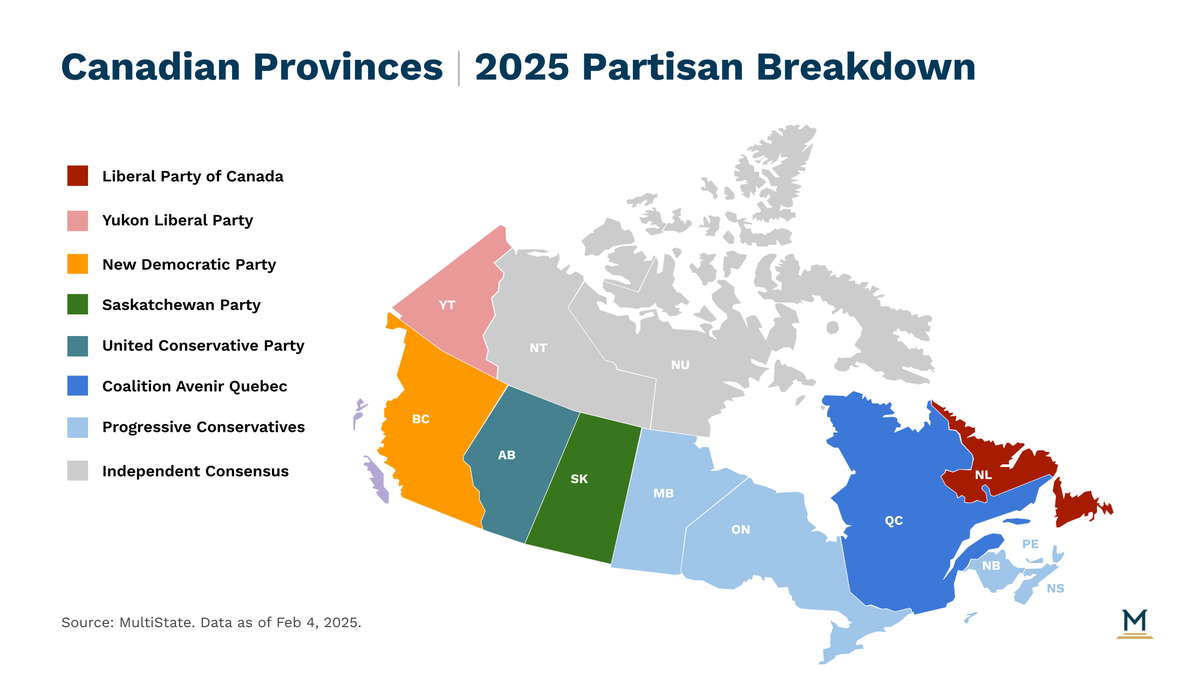
The Canadian political landscape is characterized by a multi-party system, though often dominated by a few major players. Unlike some other democracies with a strict two-party rule, Canada’s federal elections can see significant representation from several parties, each vying for the attention and votes of Canadians. This complexity, however, is not merely about abstract political platforms; it directly impacts the sectors that are increasingly defining our modern lives: technology, the strategic cultivation of brands, and the intricate world of money and finance.
The Major Players: A Look at Canada’s Dominant Political Forces
At the federal level, Canada’s political arena is primarily defined by a few key parties that consistently hold seats in Parliament and often form the government or Official Opposition. These parties, while having distinct ideologies, are all inherently influenced by and, in turn, influence the aforementioned pillars of technology, brand, and money.
The Liberal Party of Canada: Centrist Progressivism and Modern Governance
The Liberal Party of Canada typically positions itself as a centrist, progressive force. Historically, they have been a dominant party in Canadian politics, forming government for extended periods. Their approach often involves a balance between economic management and social progress. In the realm of technology, Liberal governments have often expressed a commitment to innovation, digital infrastructure development, and fostering a competitive tech sector. This can translate into funding for research and development, initiatives to expand broadband access across the country, and policies aimed at supporting homegrown tech companies. They tend to advocate for the responsible integration of AI and other emerging technologies, often with an emphasis on ethical considerations and digital security for citizens.
On the branding front, the Liberal Party itself projects an image of a modern, inclusive, and forward-thinking party. Their brand strategy often emphasizes diversity, multilateralism, and a pragmatic approach to problem-solving. They understand the importance of public perception, particularly in an era where digital communication and social media play a significant role in shaping narratives. Their marketing efforts are geared towards appealing to a broad spectrum of voters, often by highlighting their commitment to social programs and economic opportunities that benefit the middle class.
Financially, the Liberals often propose policies that involve government investment in social programs and infrastructure, funded through taxation. They might advocate for targeted tax credits for businesses investing in R&D or for individuals pursuing higher education. Their approach to personal finance often centers on affordability and access, with policies aimed at making housing, childcare, and healthcare more accessible. For businesses, their focus can be on creating a stable economic environment that encourages investment and job creation, sometimes through incentives for innovation and growth.
The Conservative Party of Canada: Fiscal Prudence and Traditional Values
The Conservative Party of Canada generally advocates for fiscal responsibility, lower taxes, and a more limited role for government in the economy. They often emphasize individual liberty and free-market principles. In the technology sector, their approach might lean towards creating an environment that encourages private sector investment and innovation with less direct government intervention. This could mean policies that reduce regulatory burdens on tech companies, promote competition through deregulation, and focus on attracting foreign investment in the tech industry. They might prioritize cybersecurity from a national security perspective, emphasizing robust defense against digital threats.
The Conservative Party’s brand is often built around themes of strong leadership, economic stability, and national pride. Their messaging frequently targets core values and emphasizes a belief in the strength of Canadian businesses and individuals. They are adept at using traditional media and more targeted digital campaigns to reach their base, focusing on economic competence and a clear, decisive leadership style.
When it comes to money, the Conservatives are known for their commitment to fiscal conservatism. They typically propose tax cuts for individuals and corporations, arguing that this stimulates economic growth and benefits all Canadians. Their policies often aim to reduce government debt and spending. In personal finance, they might emphasize individual responsibility and market-driven solutions for financial security. For businesses, their platform often revolves around reducing the tax burden and red tape to encourage investment and entrepreneurship.
The New Democratic Party (NDP): Social Justice and Economic Equality
The New Democratic Party (NDP) is Canada’s social democratic party, advocating for greater social justice, economic equality, and environmental protection. They often champion policies that strengthen social safety nets, increase public services, and regulate corporations. In the technology sphere, the NDP might push for policies that ensure equitable access to digital technologies, protect workers in the evolving tech industry, and promote the ethical development and use of AI with a strong focus on worker displacement and digital rights. They could advocate for government investment in public digital infrastructure and open-source solutions.
The NDP’s brand is associated with fighting for ordinary Canadians, workers, and marginalized communities. Their messaging often highlights issues of fairness, equality, and the need for government action to address societal problems. They aim to represent a voice for those who feel left behind by the current economic system, using their brand to galvanize support for progressive social and economic change.
On the financial front, the NDP typically proposes increased government spending on social programs and public services, funded by higher taxes on corporations and wealthy individuals. They advocate for stronger regulations to ensure fair wages, workers’ rights, and to address income inequality. Their approach to personal finance often involves advocating for universal basic services, robust public pensions, and policies that reduce financial precarity for working families. They often emphasize corporate accountability and the need for governments to actively intervene to ensure economic fairness.
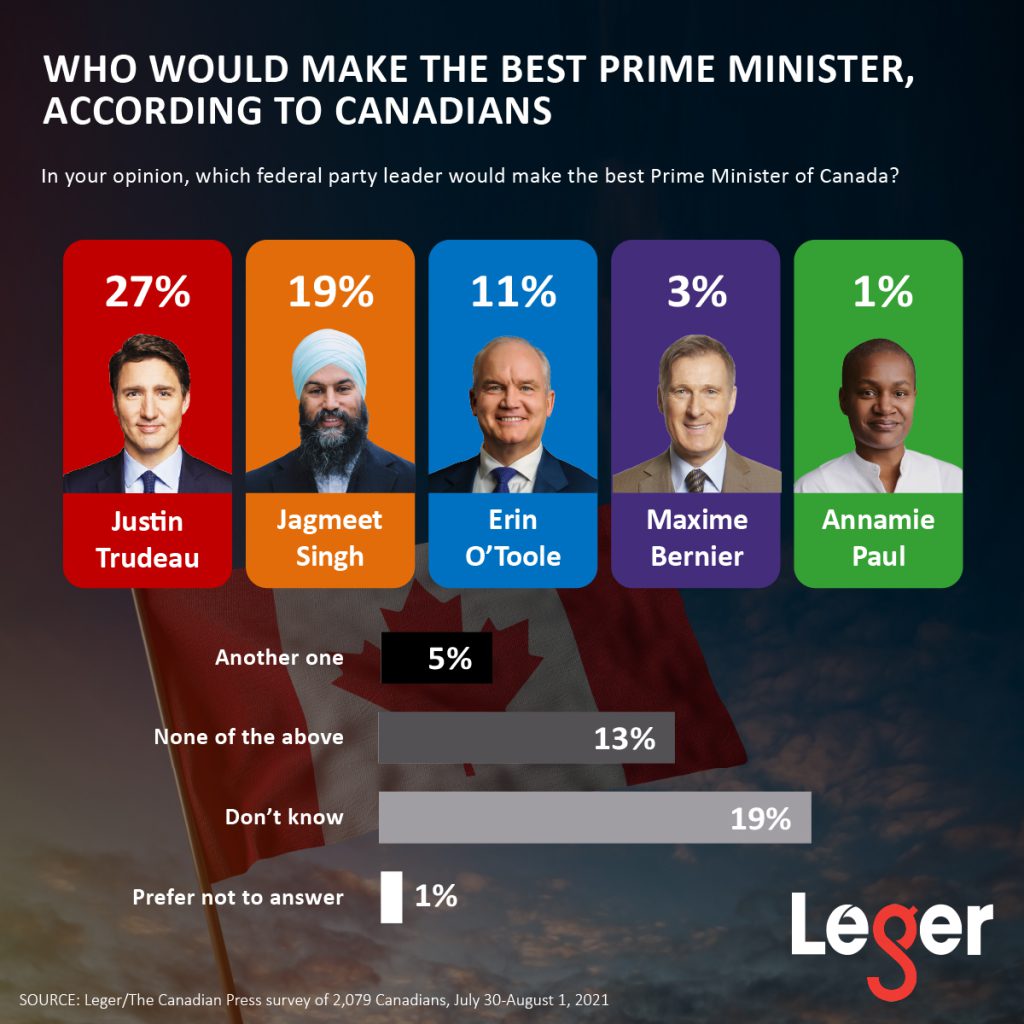
The Bloc Québécois: Quebec Sovereignty and Cultural Preservation
The Bloc Québécois is a federal political party that advocates for Quebec sovereignty and the protection of Quebec’s distinct identity and culture. While their primary focus is on Quebec, their influence extends to federal politics through their representation in Parliament. Their approach to technology might involve advocating for policies that support Quebec’s tech sector and digital innovation, while also ensuring that federal policies respect Quebec’s jurisdiction and cultural specificities. They are often concerned with how national branding and digital platforms might impact Quebec’s cultural distinctiveness.
In terms of money, the Bloc Québécois generally supports policies that benefit Quebec’s economy and its citizens. They may advocate for specific federal investments in Quebec, or for fiscal arrangements that grant Quebec more autonomy over its finances. Their economic policies are often framed within the context of advancing Quebec’s interests and securing its economic future as an independent nation.
The Green Party of Canada: Environmentalism and Sustainable Futures
The Green Party of Canada prioritizes environmental protection, ecological sustainability, and social justice. They advocate for significant action on climate change and a transition to a green economy. In the technology sector, the Greens would likely emphasize sustainable technology development, the reduction of e-waste, and the promotion of green IT practices. They might advocate for policies that incentivize the development and adoption of renewable energy technologies and sustainable digital solutions. Their brand is intrinsically linked to environmental stewardship and a vision of a sustainable future.
Their financial policies often include proposals for carbon pricing, investments in renewable energy, and a transition away from fossil fuels. They advocate for a green new deal that would transform the economy to be more sustainable and equitable. For businesses, they would push for environmental regulations and incentives for adopting sustainable practices. Their vision for personal finance is often intertwined with ecological well-being, promoting conscious consumption and sustainable lifestyles.
Beyond the Major Players: Other Voices in Canadian Politics
While the parties above are the most prominent, Canada’s political tapestry includes other parties and independent voices that contribute to the national discourse. These smaller parties, though often struggling to gain significant representation, can influence policy debates and bring specific issues to the forefront. Their inclusion highlights the complexity of Canadian democracy and the diverse range of opinions that exist within the country.
The Interplay of Parties, Technology, Brand, and Money
It’s crucial to understand that these political parties do not operate in a vacuum. Their platforms, policies, and public perception are deeply intertwined with the very fabric of modern society: technology, branding, and finance.
Technology as a Political Battleground
The rapid advancements in technology present both opportunities and challenges for political parties. Parties must leverage digital tools for campaigning, communication, and engaging with voters. This includes sophisticated data analytics for understanding voter demographics, targeted social media campaigns, and even the use of AI in crafting messages. Conversely, the spread of misinformation, the ethical implications of AI, and the digital divide are all issues that parties must address. Parties that can effectively demonstrate their understanding and proactive approach to these technological challenges will likely resonate more with an electorate increasingly reliant on digital solutions. The “brand” of a party can be significantly shaped by its technological savviness and its perceived ability to navigate the digital age responsibly.
The Power of Brand in Political Perception
In today’s hyper-connected world, a political party’s “brand” is as important as its policy proposals. This brand encompasses the public’s perception of the party’s values, leadership, and effectiveness. Effective branding involves consistent messaging, a compelling narrative, and a clear identity that appeals to a target audience. This goes beyond simple marketing; it’s about building trust and credibility. Parties invest heavily in shaping their brand through public relations, advertising, and carefully curated public appearances. The success of a party can often be attributed to its ability to craft and maintain a positive and resonant brand in the minds of Canadians.
Money Matters: Economic Policy and Public Trust
Economic policy is consistently a top concern for Canadian voters, and political parties offer vastly different visions for how to manage the nation’s finances. Debates around taxation, government spending, deficit reduction, and economic growth are central to every election. The parties’ approaches to personal finance, investing, and business finance directly impact the daily lives of citizens and the health of the economy. Voters often assess parties based on their perceived ability to manage the nation’s “money” effectively, ensuring prosperity and financial security for individuals and the country as a whole. A party’s brand can be significantly bolstered or damaged by its perceived economic competence.

Conclusion: Understanding Canada’s Parties for an Informed Future
The question “What parties are in Canada?” opens a window into the nation’s democratic soul. Beyond the simple listing of names, understanding the ideologies, priorities, and approaches of each party is essential. Moreover, recognizing the profound influence of technology, brand strategy, and economic policy on their platforms and public perception provides a more nuanced and insightful view of Canadian politics. As Canada continues to evolve, so too will its political parties, adapting to new challenges and opportunities in a world increasingly shaped by digital innovation, strategic branding, and the ever-present realities of economic life. For citizens, informed engagement with these parties, and their complex interplay with the modern world, is the cornerstone of a healthy and responsive democracy.
aViewFromTheCave is a participant in the Amazon Services LLC Associates Program, an affiliate advertising program designed to provide a means for sites to earn advertising fees by advertising and linking to Amazon.com. Amazon, the Amazon logo, AmazonSupply, and the AmazonSupply logo are trademarks of Amazon.com, Inc. or its affiliates. As an Amazon Associate we earn affiliate commissions from qualifying purchases.